
Home › Blog › Farm and countryside days
Farm Experience in Hanoi for Foreigners: What to Book
By the Cáo Experiences team · 2026-11-06
A farm experience in Hanoi with Cáo Experiences is a half- or full-day session in a family-run vegetable, fruit, or rice farm in the countryside within an hour of the city center. You arrive early morning, work alongside the family—harvesting seasonal crops, feeding animals, drawing water, learning their routine—then return to their kitchen or a communal cooking space to prepare and eat lunch with what you've gathered. Sessions include transport from your hotel, a translator-host, and all materials; small groups (4–8 people) or private bookings suit families, couples, and solo travelers. Beginners and all ages participate; we adapt for mobility, allergies, and rain. Ask us for dates and a quote on WhatsApp—no fixed menu, so every farm day is different.
What actually happens on a farm morning in Hanoi?
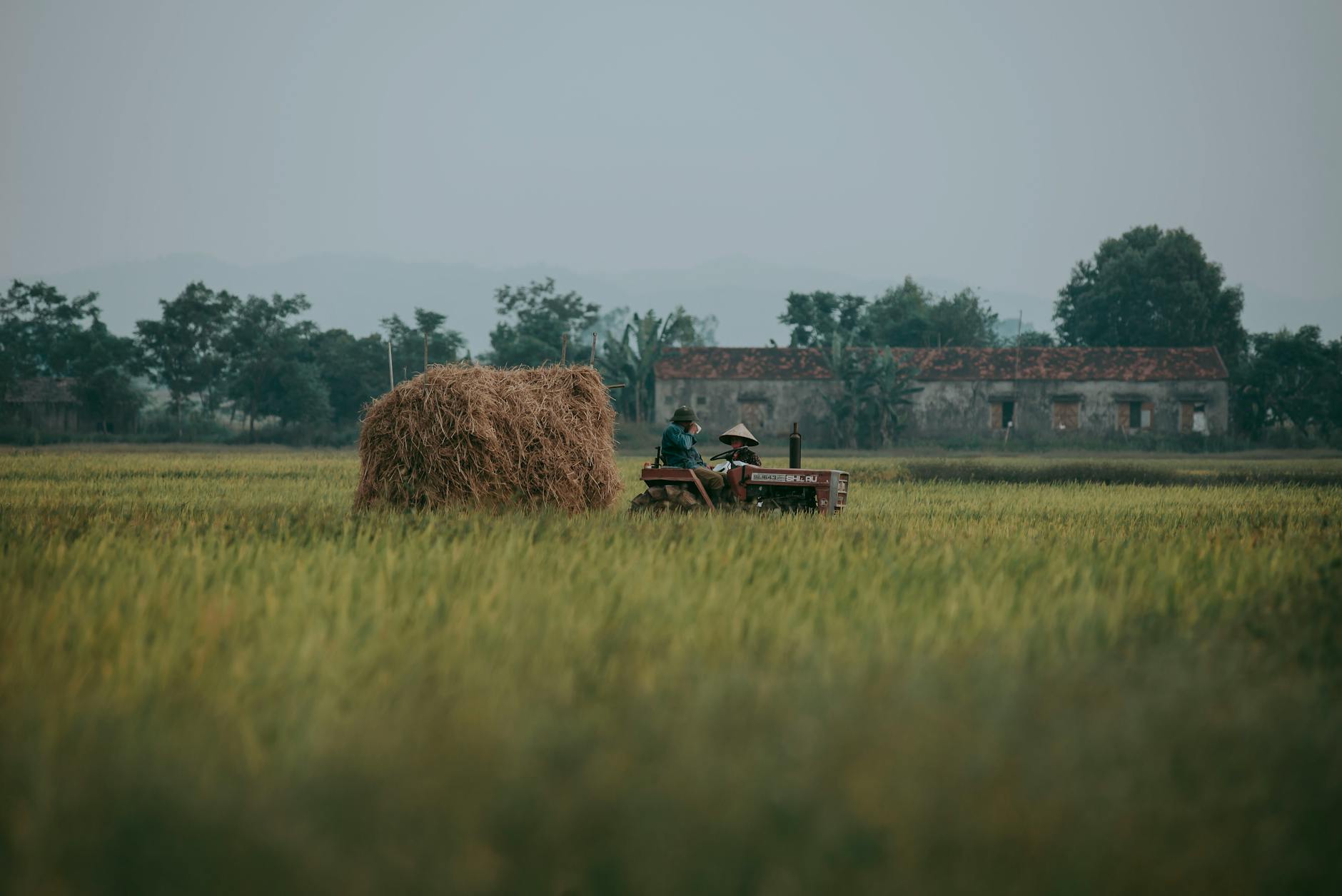
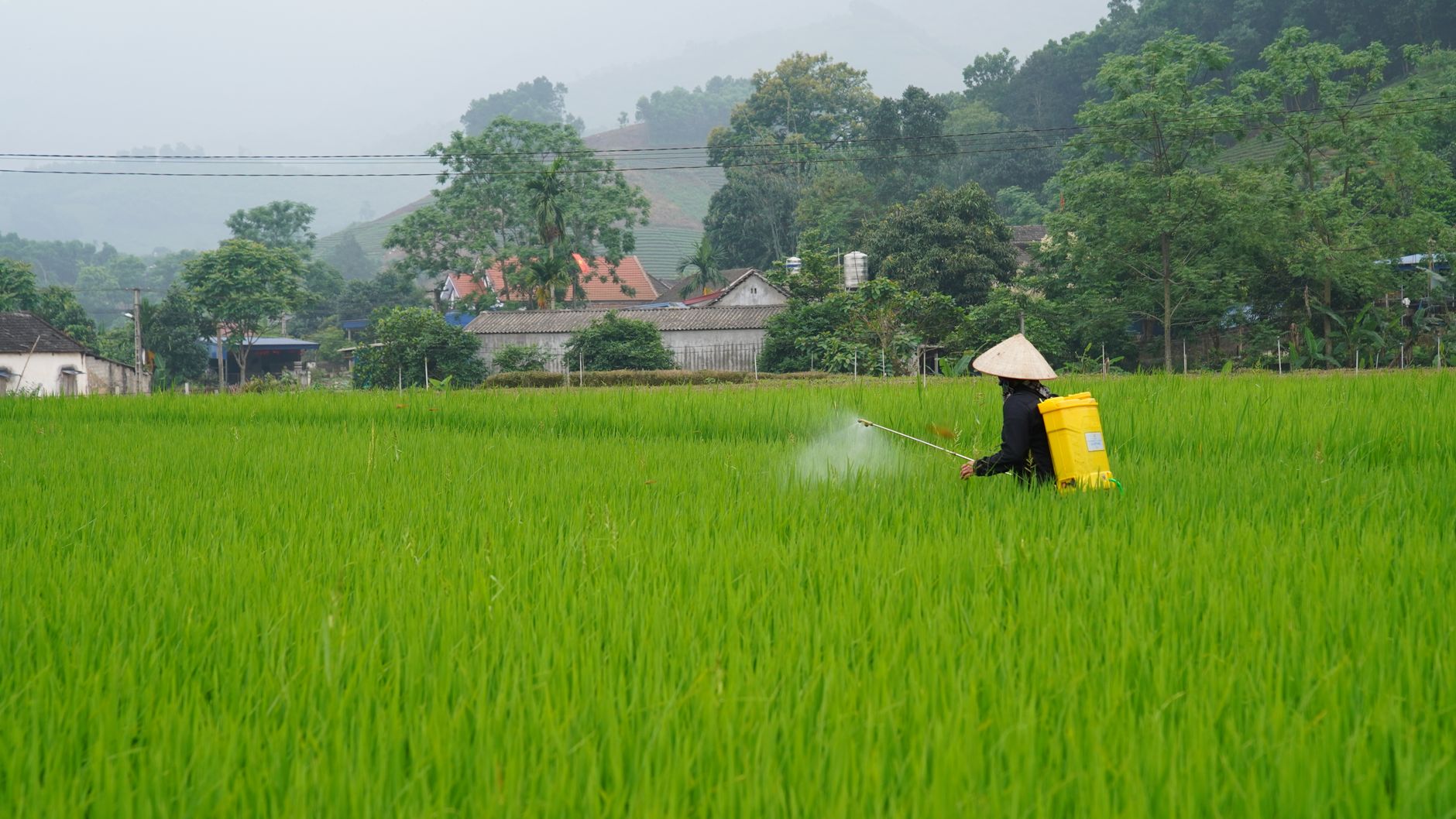
We pick you up around 6:00 or 6:30 a.m. from your hotel (earlier if you're far out; we confirm times via WhatsApp the day before). The drive takes 40–60 minutes through villages, past water-buffalo herds, and into quieter lanes. You arrive as the family is already working—this is their real schedule, not a show. Your host introduces you in Vietnamese and English, then you step into their field or garden. If it's vegetable season, you'll learn which leafy greens, herbs, or root crops are ripe by feel and sight, not labels. If it's rice time, you'll see paddies and understand water management. There's no rushing; families work at their pace. You follow, ask questions, get soil under your nails. By 9:00 or 10:00 a.m., you carry your harvest inside—baskets of morning glory, mint, chili, eggplant, whatever grew well that week. The family prepares a mid-morning snack: often fresh fruit, herbal tea, and a light bite. Then cooking begins.
How is the cooking different from a cooking class?
This isn't a plated, step-by-step class with pre-measured ingredients. You cook in the family kitchen—a modest, real room with a wood or gas stove, a well or tap for water, and tools worn smooth by decades of use. Your host translates as the family member (usually a mother or grandmother) explains each dish: "We use these herbs because they grow here and they are good for digestion." You chop, stir, taste raw ingredients, and handle unfamiliar vegetables. The family tells you stories—why they grow what they grow, which dishes appear at celebrations, how to know when something is done. The meal takes 1–2 hours. You sit down together to eat: rice, the curry or stir-fry you made, fresh greens, soup, maybe a preserved item from the pantry. No pretense. If you're on a farm experience, you're eating how the family eats. Afterward, you help wash up. That's the rhythm.
Should you book a half-day or a full-day farm session?
Session type | Best for | What you do | Time commitment | Why pick it ---|---|---|---|--- Half-day (4–5 hours) | Solo travelers, people with tight schedules, first-timers | Harvest, one cooked dish, eat together | 6:30 a.m.–11:00 a.m. or similar | Quick, affordable, good intro; easiest if you're unsure Full-day (8–10 hours) | Families, couples, groups, serious food learners | Harvest, tour the farm, cook 2–3 dishes, rest, explore the land | 6:00 a.m.–4:00 p.m. or later | Deeper bond with family, more skills, you see the full day's rhythm, time to chat and relax
Both run year-round. Half-day suits jet-lagged visitors or anyone balancing other plans. Full-day lets you breathe: after lunch, some families invite you to rest under a tree while they explain herbal remedies, show you how they preserve food, or take you to meet neighbors. Kids on a full day often help feed ducks or play with farm animals in the afternoon; seniors appreciate the slower pace and a chance to sit and listen. Weather rarely stops us—rain just means you harvest leafy crops instead of root vegetables, and cooking moves indoors (the kitchen is always indoors anyway).
What should you wear and bring to avoid discomfort?
Wear closed-toe shoes with grip—fields are muddy, especially after rain; flip-flops won't work and you'll regret sandals. Bring a light, breathable long-sleeved shirt or quick-dry top to protect from sun and insects; many farmlands have no shade. Pack a small backpack with a water bottle (we refill it often), a hat, and sunscreen. Bring a light cardigan for early morning—countryside temperatures are cooler than the city before 8:00 a.m. If you wear glasses, bring a strap so they don't slip in the field. Wash your hands and feet before you eat, and the family will show you where. Wear clothes you don't mind getting soil on—this is working, not sightseeing. If you're on medications or have joint issues, tell us when you book via WhatsApp; we'll assign a family that does lighter harvesting (sorting, herb-picking) or shorter stints standing. Kids under five sometimes need a parent to carry them through softer sections; we always scout the terrain beforehand. Rain gear is optional—ponchos or light jackets work; umbrellas snag on plants.

How do allergies, dietary needs, and kids fit into a farm experience?
When you book, tell us about allergies (shellfish, peanuts, etc.) and diets (vegetarian, no gluten). We pass this to the family and your host before the day. The family then cooks around it—if you're vegetarian, they skip the fish sauce or use less, or make a separate herb-based dish alongside a shared one. They're used to adapting; farming families often have diverse neighbors and guests. For kids, the experience is the work and the family bond, not the food rules. A seven-year-old will be excited to dig for tubers; a three-year-old might help stir or watch from a stool. We never force kids to eat anything; they taste what's made, and the family offers fruit or rice if they're hungry for something simple. Seniors and anyone with limited mobility can sit and help with prep—shelling beans, rolling spring rolls, tending a herb garden bed that's easier to reach. We've hosted a 76-year-old who couldn't stand for long; the family gave her a low stool and she spent the morning snapping herbs and chatting. No one gets left out.
What's the difference between a farm day and other countryside experiences?
If you want to learn cooking skills in a structured way, a Vietnamese cooking class in the city gives you recipe cards and techniques you can replicate at home. A farm experience teaches you where food comes from and why—the soil, the season, the family's knowledge passed down. If you're interested in food culture more broadly, a street food and market tour shows you the supply chain from vendor to plate, fast-paced and urban. A farm day is slower, rural, and relational. If you're drawn to wellness and slow experiences in Vietnam, a farm morning hits that note hard—early light, physical work, eating in silence, listening to birds. Some travelers combine a farm day with a coffee workshop (farms grow coffee too, especially outside Hanoi in the cooler zones), or book a farm session as part of a group and corporate retreat. Ask us to mix and match.
What to check before you book a farm experience
- Season & crop availability: Ask which crops are in harvest right now (via WhatsApp). Mid-April through October, vegetables thrive; November to February, you might harvest less volume but have riper herbs and cooler mornings. Ask what will actually be in the ground the week you visit—don't assume.
- Family & language comfort: Tell us if you prefer a quieter, older family or a younger one with kids of your own age. Ask if your host speaks English fluently (most do) or if you want a translator who can relay stories. This shapes the whole day.
- Physical demands: Be honest about mobility, injuries, or stamina. A family with flat, easy terrain suits anyone; one with steep paddies or long rows suits people who walk regularly. We match you to the right farm.
- Timing & transport: Confirm the exact pickup time and whether your hotel is within the service area (most central Hanoi hotels are; outlying ones might add travel time). Ask what happens if it rains hard—sessions almost never cancel, but we'll tell you the backup plan for that day.
- Cooking skill level: You don't need any. Tell us if you want to lead the cooking or mostly watch and help—families adjust. If you have a dietary dish you want to learn, mention it; they might know it or be keen to try something new.
- What to take home: Farms usually let you take leftover vegetables or herbs home in a bag. Ask if you want to buy extra produce to bring back—many families sell surplus, and you can arrange payment.
FAQ
Do I need farming experience?
No. We've hosted office workers, retirees, and travelers who've never touched soil. Families teach as they work. Beginners ask questions; experienced gardeners find peace in the rhythm.
What if it rains?
We rarely cancel. Rain just changes what you harvest—leafy crops instead of root vegetables. The kitchen is indoors and warm. Bring a light rain jacket; we provide ponchos if needed.
Can I book a private farm day for my family?
Yes. Private sessions let you go at your own pace and choose a farm that matches your kids' ages or your interests (herbs, vegetables, rice). Ask us for availability on WhatsApp.
How far is the farm from Hanoi city center?
40–60 minutes by car, depending on traffic and the farm. We pick you up from your hotel, so you don't navigate. The drive is part of the transition into countryside mode.
Do I need to speak Vietnamese?
No. Your host speaks English and translates. The family will appreciate any simple phrases you try (hello, thank you, delicious), but conversation flows through your host.
What if I'm vegetarian or have allergies?
Tell us when you book. The family adapts the menu—no fish sauce, extra herbs, different proteins. We've never had a problem; rural families often cook for diverse guests and are skilled at this.
Will I be sore the next day?
Some visitors feel it in their legs or back if they're not used to bending or standing. Stretching before and after, staying hydrated, and pacing yourself help. It's gentle work, not labor.
Can I combine a farm day with another experience?
Yes. Many travelers add a coffee workshop or flower arranging workshop the same week, or a farm experience as part of a longer group and corporate trip. Mix and match on WhatsApp. === Ask about dates on WhatsApp
Ask about dates
Tell us the city, your dates and what you would like to try. We reply on WhatsApp in English with options and availability.
FAQ
Do I need farming experience?
No. We've hosted office workers, retirees, and travelers who've never touched soil. Families teach as they work. Beginners ask questions; experienced gardeners find peace in the rhythm.
What if it rains?
We rarely cancel. Rain just changes what you harvest—leafy crops instead of root vegetables. The kitchen is indoors and warm. Bring a light rain jacket; we provide ponchos if needed.
Can I book a private farm day for my family?
Yes. Private sessions let you go at your own pace and choose a farm that matches your kids' ages or your interests (herbs, vegetables, rice). Ask us for availability on WhatsApp.
How far is the farm from Hanoi city center?
40–60 minutes by car, depending on traffic and the farm. We pick you up from your hotel, so you don't navigate. The drive is part of the transition into countryside mode.
Do I need to speak Vietnamese?
No. Your host speaks English and translates. The family will appreciate any simple phrases you try (hello, thank you, delicious), but conversation flows through your host.
What if I'm vegetarian or have allergies?
Tell us when you book. The family adapts the menu—no fish sauce, extra herbs, different proteins. We've never had a problem; rural families often cook for diverse guests and are skilled at this.
Will I be sore the next day?
Some visitors feel it in their legs or back if they're not used to bending or standing. Stretching before and after, staying hydrated, and pacing yourself help. It's gentle work, not labor.
Can I combine a farm day with another experience?
Yes. Many travelers add a [coffee workshop](/coffee-workshop) or [flower arranging workshop](/flower-arranging) the same week, or a [farm experience](/farm-experience) as part of a longer [group and corporate](/group-and-corporate) trip. Mix and match on WhatsApp. === [💬 Ask about dates on WhatsApp](https://wa.me/84338762340)
More like this
Farm and countryside days
Fishing Experience Vietnam for Japanese Travelers: Where to Go & What to Expect
Vietnam's waterways offer Japanese travelers a chance to learn traditional fishing methods directly from locals. Cáo Experiences runs half- and full-day sessions on rivers, lakes and the Mekong Delta where you cast nets, set traps, and cook your catch.
Farm and countryside days
Fishing Experience Vietnam for Foreigners: Hands-On Guide
Fishing in Vietnam isn't a spectator sport—you'll wade into rivers, cast nets, trap fish in baskets, and cook your catch for lunch. We run small-group and private fishing days in the countryside outside Hanoi, Ha Noi region, and the Mekong Delta.
Farm and countryside days
Fishing Experience in Vietnam: 8 Questions to Ask Before You Go
Fishing in Vietnam means wading through rice paddies, learning trap techniques, or casting in rivers with local guides. Here's what to ask before you book.