
Home › Blog › Farm and countryside days
Farm Experience in Hanoi: What to Expect & How to Choose
By the Cáo Experiences team · 2026-11-06
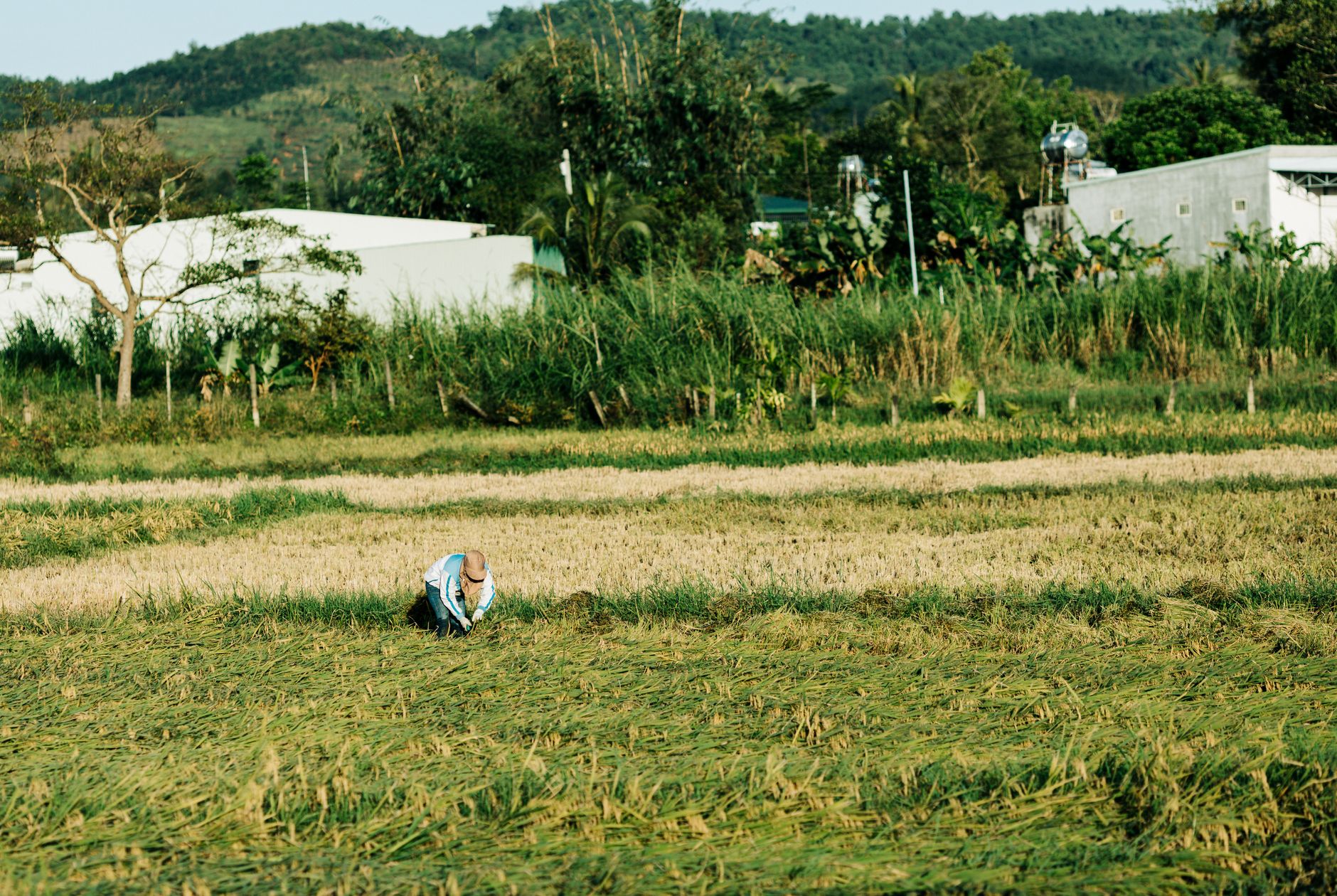
A farm experience in Hanoi with Cáo Experiences is a half- or full-day immersion in countryside work and food culture. You travel 45–90 minutes from central Hanoi to a family-run vegetable, rice, or herb farm, then work alongside the farmers—planting, harvesting, weeding—depending on the season. You'll cook a meal using the crops you've picked, often in a farm kitchen or outdoor shelter. A session includes transport, work gloves, guidance in English, lunch, and a close look at how subsistence and market farming actually runs. The pace suits beginners and families; kids aged 4–12 thrive on the hands-on tasks. Expect muddy clothes, physical work, and the quiet rhythm of rural life, not Instagram aesthetics. Weather is the main variable: rain cancels work but we adapt to indoors prep and cooking, or reschedule. Ask us for dates and a quote on WhatsApp to fit your group size and season. Ask about dates on WhatsApp
Why do people choose farm experiences over market tours?
A street food and market tour shows you where food comes from; a farm day shows you how it grows and who grows it. Markets are fast, social, crowded—you taste and move. Farms are slow, quiet, and physical. You don't just buy a vegetable; you dig it from soil, carry it to the kitchen, and eat it an hour later. That direct connection—hand to earth to plate—is why guests who want to understand Vietnamese food (not just consume it) prefer farms. Markets are brilliant for first-time visitors and food lovers in a rush; farms suit people with 4–6 hours free, willing to get dirty, who want to know someone's livelihood, not just sample their harvest.

What farm seasons actually matter in Hanoi?
Spring (Feb–April): rice paddies flood and green; transplanting season brings the most dramatic work—you wade in water, place seedlings by hand, see the whole cycle begin. Summer (May–Aug): leafy greens, herbs, and melons peak; work is lighter, earlier (before heat peaks), but insects are thick and heat is real. Autumn (Sept–Nov): the most comfortable season—cooler mornings, harvest abundance, fewer bugs; every vegetable is in season, so the farm is busy and meals are richest. Winter (Dec–Jan): slower on some farms, busier on others; some focus on root crops, leafy greens, and greenhouse herbs; days are shorter. Best periods are late autumn and spring—weather is mild, light is clear, and the farm rhythm is visible. Ask us for dates and a quote on WhatsApp—we'll match your preferred season to what's actually happening on the ground.
How do we adapt for kids, seniors, and mixed groups?
Kids aged 4–12 need simpler, shorter tasks—pulling weeds, collecting eggs (if there are chickens), carrying baskets—and more food-play time; we break farm work into 90-minute chunks, not 4 hours. Seniors work at their pace; we choose light harvesting tasks (picking herbs, leafy greens) over heavy digging, and provide a chair and shade if needed. Mixed groups work in the same space but on different stations: kids weeding while adults prepare soil, or grandparents supervising egg collection while parents plant. We scale the meal prep too—kids might wash and shell beans, older folk might manage seasoning and slow cooking. If anyone has mobility limits, we plan visits to farms closer to Hanoi (under 45 min drive) and brief tours with cooking as the main focus. Allergies and dietary needs are discussed before the day; we work with the farm kitchen to adapt recipes or bring safe ingredients. Rain doesn't cancel; we shift to indoor prep, drying herbs, cooking lessons, and stories from the farmers themselves.
What's the real difference between a half-day and a full-day farm session?
Half-day (3–4 hours) starts mid-morning: you work for 60–90 minutes, then cook and eat lunch. Ideal for families with younger kids, people combining farm work with another activity (coffee workshop, flower arranging), or those testing the experience. You get the core pleasure—dirty hands, real work, a meal you've grown—without fatigue. Full-day (6–7 hours, including lunch breaks) starts early morning, gives you a deeper rhythm: you work two separate periods with a rest and meal between, explore more of the farm, talk longer with the farmers, and often help with secondary tasks like processing or preserving. Full days suit adults, couples, and groups who want immersion, not a taster. Cost increases with duration and group size, not with a per-person menu. Choose half-day if you're new to farm work or time-bound; full-day if you want to exhale into a slower pace and see how a day actually unfolds on rural land.
Can you combine a farm experience with cooking, coffee, or other workshops?
Yes. A morning farm session (pick herbs and greens, 2–3 hours) flows into an afternoon Vietnamese cooking class, where you cook the ingredients you've harvested—the satisfaction doubles. Some guests do a farm morning, then a Vietnamese coffee workshop if the farm has coffee plants or a local roaster nearby, or a flower arranging workshop using seasonal flowers from the region. A tea experience pairs well too: farm morning, then an afternoon tea tasting in a village tea room. These combinations need coordination and longer overall time (full day, often 8–10 hours with breaks), but they deepen your sense of rural life and how each element—growing, preparing, tasting—connects. We coordinate the locations, transport, and timing on WhatsApp; travel between sites is usually 30–45 minutes. Ask us for dates and a quote on WhatsApp if you're considering a combined itinerary—we'll map the logistics and adjust meal breaks so you're not rushed.
How does a farm day compare to other countryside experiences?
| Experience | Focus | Duration | Physical level | Meal included | Best for |
|---|---|---|---|---|---|
| Farm work | Growing & harvesting | 3–7 hrs | Moderate (digging, bending) | Cooked on-site | Understanding agriculture |
| Horse riding | Countryside movement | 2–3 hrs | Moderate (balance, stamina) | Snack/tea | Outdoor thrill & landscape |
| Wellness and slow experiences | Rest & reflection | 2–4 hrs | Very light | Often tea/juice | Stress relief, slowing down |
| Craft workshops in villages | Hand skill & tradition | 3–4 hrs | Sedentary | Light snack | Learning a craft, souvenir |
| Family and multi-generational days | Mix of activities | 4–6 hrs | Varies (farm + cooking + games) | Full meals | All ages together |
Farm work is the most labor-heavy; horse riding is the most adrenaline-focused; wellness and craft days are quieter. Group and corporate experiences often weave farm mornings into team-building agendas. Choose based on what you want from your time: physicality and food literacy (farm), movement and air (horse riding), calm and skill (craft or wellness).
What to check before you book a farm experience?
Weather. Monsoons (May–Oct in some years) bring heavy rain; ask when you contact us whether the season you're choosing is typically wet. Rain doesn't cancel, but muddy conditions and short visibility might shift the work balance toward cooking and indoor time. Fitness and mobility. Farm work involves standing, bending, and sometimes kneeling for 60–90 minute stretches. If you have knee, back, or joint concerns, tell us—we'll match you to a lighter farm or shorten work sessions. Clothing. Wear closed-toe shoes with grip (not sandals), long sleeves or sun-sleeves for bug and sun protection, and clothes you don't mind staining or muddying. We provide gloves. Language. We guide in English; farmers speak Vietnamese. Translation is built in, but expect a slower, simpler pace of chat than you'd have in an urban workshop. Group size. Solo travelers join small groups (usually 4–8 people); families often book private sessions. Ask if a public session is running on your dates, or if you'd prefer a private group. Dietary needs. Tell us about allergies, vegetarian/vegan preferences, and religious diet rules when booking. We can adapt meals, but need advance notice.

Are farm experiences different in North vs. Central Vietnam?
North (Hanoi region): rice paddies and leafy greens dominate; farms are smaller, family-owned, close to the city (under 90 min drive). Experiences feel intimate and rural-but-accessible. Central (Hoi An, Da Nang): more herbs, fruit, and spice crops; farms are often on hillsides with broader views. Experiences in Hoi An and Da Nang tend to be slower-paced, more scenic, with evening meal options. South (Saigon area): fruit orchards, coconut, and tropical crops; Saigon farm experiences include longer drives but more exotic plants. Hanoi farms are the most accessible and closest to a city baseline; they're ideal if you want the rural contrast without the full isolation. Central farms offer the most picturesque scenery. South farms teach you tropical agriculture most farmers north never see.
What do guests actually say goes wrong—and how we prevent it?
Boots getting stuck in mud. We provide slip-on overshoes now; many guests bring an extra pair of socks. Underestimating the sun. Even in cool seasons, reflected light from water (rice paddies) burns shoulders and shins. Hats, sunscreen, and long sleeves matter; we remind you on WhatsApp 2 days before. Arriving hungry. We work, then cook and eat; if you arrive on an empty stomach, the first 45 minutes feel long. Eat a light breakfast; we provide water and tea throughout. Getting cold after rain. Wet clothes in a breeze (especially autumn mornings) chill you fast. Bring a light layer to put on after work, before lunch. Comparing the farm to a holiday "experience." This is real work, not performance. Farmers are busy, soil is honest, things break. If you arrive expecting a guided tour with a smile, you'll be disappointed. If you come ready to do something and learn something, you'll feel the difference between visiting and belonging, even for a day. We set this tone on WhatsApp before you come.
Which Hanoi region farms suit different group types?
Couples seeking slowness: farms on the edge of the city (30–45 min drive) with small groups or private sessions; half-day works well; pairing with coffee or tea afternoons extends the vibe. Families (kids 5–12): family-focused farms with animals (chickens, sometimes ducks), shorter work windows, and game-like tasks; half-day sessions prevent tired, grumpy afternoons. Solo travelers: public sessions (usually 4–8 people) give you peers without pre-booking a group; you'll meet other curious travelers. Adults only (friends, couples): full-day sessions, heavier work, deeper farmer conversations; autumn and spring are best. Multigenerational (grandparents + kids + parents): longer, flexible farms near Hanoi; we design mixed-difficulty stations so everyone works together but at their level. Corporate and group team-building: larger farms accommodating 12–20 people; competitive harvesting, shared cooking, team reflection. See group and corporate experiences for how we structure those. Wellness-focused groups: slower, smaller farms with tea and meditation angles; often combined with wellness offerings.
What should I bring and wear to a farm?
- Shoes: closed-toe, with grip (not new—they'll get muddy); waterproof boots if rain is forecast.
- Clothes: long sleeves or sun-sleeves (insect and sun protection); avoid white (shows stains, draws insects); bring a light layer for post-work chill.
- Sun care: hat, sunscreen (even on cloudy days—reflection off water burns), lip balm.
- Practical: small towel, reusable water bottle, phone in a waterproof pouch.
- Optional: extra socks, dry T-shirt for after work, camera (phones are fine; don't expect great WiFi).
- Leave: jewelry, fancy bags, contact lenses (dust and water are hazards).
We provide gloves and transport. If you forget anything small (hat, sunscreen), ask on the day—we often carry extras.
How to book and what happens next?
Message us on WhatsApp with your preferred dates, group size, and season interest. We'll confirm what's running, offer a private or public session, and explain the quote (based on duration, group size, and transport distance). You'll get a detailed WhatsApp confirmation 1 week before, including: meeting point, start time, what to wear, what to eat beforehand, and the farmer's name and a little background. Transport is usually a van pickup from central Hanoi; we coordinate timing with your hotel or a central spot. On the day, arrive 10 minutes early, bring water, wear your prepared clothes, and be ready to work. After the experience, we share photos (usually via WhatsApp) and ask for feedback. If you want to deepen your farm knowledge or explore food further, we can recommend other Hanoi experiences—cooking classes, market tours, wellness days—or help you plan a longer story across multiple sessions.
What to check before you book
Dates & season: Ask which month you're choosing and whether weather typically affects farm work that time. Group size: Confirm if you want a private session (usually 4–12 people, easier to coordinate) or are happy to join a small public group. Fitness level: Be honest about mobility, stamina, and any injuries. We adapt, but need to know. Duration: Half-day (3–4 hrs) vs. full-day (6–7 hrs). If unsure, start with half-day. Dietary needs: Vegetarian, vegan, allergies, religious diet rules—tell us before booking, not after. Combination possibilities: If you want to combine farm work with cooking, coffee, or another workshop, mention it when you message. We can coordinate the full day. Transport: Confirm pickup and drop-off points in Hanoi. Photography: Some farmers prefer not to be photographed; we'll guide you.
FAQ
Do I need farming experience or fitness to join?
No. We take complete beginners, people with varied fitness levels, families with kids, and older adults. Tasks scale to ability; you work at your pace. If you can walk and stand for 45–90 minutes with breaks, you can participate.
What if it rains?
We don't cancel for rain. Farm work pauses, but we move to indoor prep—cleaning vegetables, cooking lessons, processing herbs, or listening to farm stories in a shelter. You'll still get the meal and the farm connection, just with a different rhythm.
Can I combine farm work with a cooking class the same day?
Yes. A typical combo is 3 hours farm (morning) + 3 hours cooking (afternoon) using ingredients you've picked. It's a longer day (7–8 hours with breaks) but deeply satisfying. Coordination happens on WhatsApp; we manage transport between sites.
How much does it cost?
Price varies by duration (half or full day), group size, and distance from Hanoi. Ask us for dates and a quote on WhatsApp—we'll give you a clear figure based on your specifics.
What's included in the price?
Transport from Hanoi, English-language guide, work gloves, farm instruction, all meals (lunch minimum; often tea, snacks, and lunch), and photos afterward. It does not include personal gear (shoes, hat, sunscreen) or tips—those are optional.
Can kids go? What age is good?
Yes, ages 4 and up. Under 6, tasks are very simple (collecting, carrying, playing near crops). Ages 6–12 engage fully with harvesting, washing, and cooking prep. Teens and adults do the same work as each other. We adapt meal times and rest breaks for younger kids.
Is it vegetarian-friendly?
Yes. Most farm meals are vegetable-based anyway. We cook with what you've picked. If you're vegan, tell us in advance—we'll ensure oils, seasonings, and any side proteins fit your diet. --- Ask about dates on WhatsApp
Ask about dates
Tell us the city, your dates and what you would like to try. We reply on WhatsApp in English with options and availability.
FAQ
Do I need farming experience or fitness to join?
No. We take complete beginners, people with varied fitness levels, families with kids, and older adults. Tasks scale to ability; you work at your pace. If you can walk and stand for 45–90 minutes with breaks, you can participate.
What if it rains?
We don't cancel for rain. Farm work pauses, but we move to indoor prep—cleaning vegetables, cooking lessons, processing herbs, or listening to farm stories in a shelter. You'll still get the meal and the farm connection, just with a different rhythm.
Can I combine farm work with a cooking class the same day?
Yes. A typical combo is 3 hours farm (morning) + 3 hours cooking (afternoon) using ingredients you've picked. It's a longer day (7–8 hours with breaks) but deeply satisfying. Coordination happens on WhatsApp; we manage transport between sites.
How much does it cost?
Price varies by duration (half or full day), group size, and distance from Hanoi. Ask us for dates and a quote on WhatsApp—we'll give you a clear figure based on your specifics.
What's included in the price?
Transport from Hanoi, English-language guide, work gloves, farm instruction, all meals (lunch minimum; often tea, snacks, and lunch), and photos afterward. It does not include personal gear (shoes, hat, sunscreen) or tips—those are optional.
Can kids go? What age is good?
Yes, ages 4 and up. Under 6, tasks are very simple (collecting, carrying, playing near crops). Ages 6–12 engage fully with harvesting, washing, and cooking prep. Teens and adults do the same work as each other. We adapt meal times and rest breaks for younger kids.
Is it vegetarian-friendly?
Yes. Most farm meals are vegetable-based anyway. We cook with what you've picked. If you're vegan, tell us in advance—we'll ensure oils, seasonings, and any side proteins fit your diet. --- [💬 Ask about dates on WhatsApp](https://wa.me/84338762340)
More like this
Farm and countryside days
Fishing Experience Vietnam for Japanese Travelers: Where to Go & What to Expect
Vietnam's waterways offer Japanese travelers a chance to learn traditional fishing methods directly from locals. Cáo Experiences runs half- and full-day sessions on rivers, lakes and the Mekong Delta where you cast nets, set traps, and cook your catch.
Farm and countryside days
Fishing Experience Vietnam for Foreigners: Hands-On Guide
Fishing in Vietnam isn't a spectator sport—you'll wade into rivers, cast nets, trap fish in baskets, and cook your catch for lunch. We run small-group and private fishing days in the countryside outside Hanoi, Ha Noi region, and the Mekong Delta.
Farm and countryside days
Fishing Experience in Vietnam: 8 Questions to Ask Before You Go
Fishing in Vietnam means wading through rice paddies, learning trap techniques, or casting in rivers with local guides. Here's what to ask before you book.