
Home › Blog › Farm and countryside days
Farm Experience in Ho Chi Minh City for Foreigners
By the Cáo Experiences team · 2026-11-06
A farm experience in Ho Chi Minh City with Cáo Experiences is a half-day or full-day hands-on visit to a working family farm or orchard outside the urban sprawl—typically 30–45 minutes from central Saigon. You arrive early, meet the farming family, work alongside them watering, weeding, harvesting, and tending animals, then share a meal cooked from what you just picked. Sessions run year-round; we adapt for rain, allergies, mobility and skill level. No farming knowledge needed. It suits couples, families with children aged 5+, small groups, and solo travelers seeking authentic rural life. Ask us for dates and a quote on WhatsApp to check availability and discuss dietary needs or physical limits. Many guests book farm experiences as part of a broader countryside day that includes a visit to a local food market or a cooking class with what you harvest. Ask about dates on WhatsApp
What actually happens on a farm morning or full day?
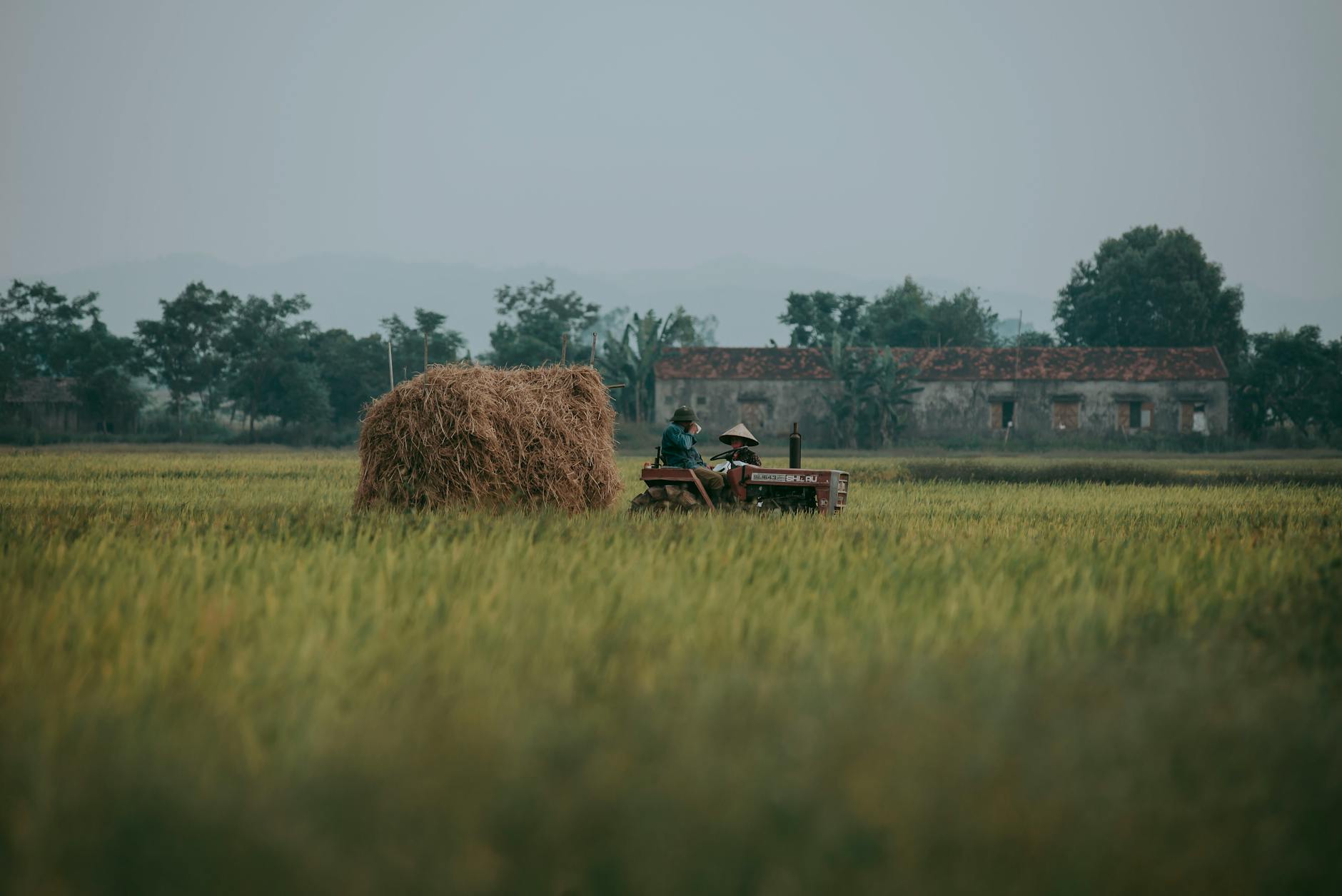
Most farm days begin before sunrise—we pick you up around 5:30 or 6:00 a.m. from your hotel and drive through quiet streets toward the Mekong Delta fringes or the red-earth uplands where the family farms are. You arrive as the family is already moving through the fields. First hour: they show you what's ready to harvest—tomatoes, cucumbers, herbs, eggplants, lettuce—and you work with them, learning which plants to pick and how, watching their hands move through the vines. Second hour: you might water seedlings, clear weeds, or help rebuild a raised bed. A lot of bending, dirt under fingernails, and quiet observation. By mid-morning you're tired and thirsty. The family invites you inside, offers water and coffee or tea, and you rest on their porch, asking questions. Full-day sessions include lunch—rice cooked in their kitchen, fresh vegetables you harvested, maybe fish or chicken, eaten family-style on a wooden table or outdoors under trees. Afternoon: some groups help prepare the kitchen garden for next season, others visit the market where the family sells surplus, or we walk to a nearby fish pond or orchard. You leave mid-afternoon, dusty, with a deeper sense of where food grows.
Explore farm and countryside experiences

Is a farm day suitable for kids, elderly guests, or people with mobility concerns?
Children aged 5+ usually thrive on farms—they love animals, digging soil, picking fruit, and the sensory freedom. Older children (10+) can do serious work alongside the family. We've hosted seniors successfully by adjusting the pace: more sitting time, gentler tasks (harvesting larger crops, sorting produce), and shorter walking distances. Let us know your age or mobility needs when you contact us, and we'll match you with a farm family known for welcoming visitors with those needs. Rainy days don't cancel most farm sessions—farms work in rain, and you simply wear rain gear. Allergies to soil, insects, or specific plants: tell us in advance so we can advise on that particular farm or suggest a different style of countryside experience like tea ceremonies or a forest walk. Families with very small children (under 4) can attend but will find physical work limited; many bring young kids for the sensory experience and family meal instead.
What is the difference between a half-day and full-day farm experience?
Half-day sessions (typically 4–5 hours, morning or afternoon) focus on one or two core farm tasks—harvest, watering, or soil preparation—and a light meal or snack with the family. You get the essence of farm work without deep fatigue. These suit people with limited time, families wanting a gentler introduction, or anyone returning to their itinerary the same afternoon. Full-day sessions (7–8 hours, dawn to early evening) include multiple tasks, extended time observing the family's routines, a proper cooked meal, and often a market visit or time in the orchard. You develop a richer rhythm with the place and people. Both include all tools, instruction, and refreshments. Weather, harvest season, and the family's schedule affect what work is available—you might harvest leafy greens in cool months and fruit or peppers in warmer seasons. Ask us about seasonal highlights when you contact us about dates.
How do I combine a farm experience with other activities in Saigon?
Many visitors book a farm day as part of a multi-day or multi-activity itinerary. A logical sequence might be: early morning farm work → lunch with the family → afternoon visit to a wet market (where you see the broader food chain) → evening cooking class using farm vegetables. We can arrange a cooking class with fresh ingredients you've harvested, turning the day into a full cycle from soil to plate. Alternatively, pair a farm visit with a street food and market tour in a neighborhood market to understand where city-dwellers shop and eat. Some guests combine farming with horse riding on countryside estates, or add a tea ceremony experience at a rural tea garden. Group sessions often bundle a farm day with craft workshops nearby. Tell us your interests and time in Saigon, and we'll suggest a coherent sequence and coordinate logistics.
What should I check before booking, and what often surprises first-timers?
Before you book, confirm these details with us:
- Your fitness level & mobility. Farm work is physical—lots of bending, squatting, walking on uneven ground. If you have back, knee, or balance concerns, mention it so we match you with a suitable farm and pace.
- Rain or shine. Farms operate in light to moderate rain. If you have a rain phobia or respiratory concern in humidity, let us know so we can discuss timing or alternatives.
- Dietary needs & allergies. We'll ask about vegetarian, vegan, allergies, and religious restrictions before confirming, so the family can plan meals and snacks. Farm food is simple and fresh—no fancy cuisine.
- What to wear. Old clothes you don't mind getting dirty; closed-toe shoes with grip; a hat; sunscreen. Bring more water than you think you'll need.
- Language & cultural differences. The family speaks Vietnamese; we translate. Expect quiet, respectful interaction rather than a chatty tour. Families are warm but not performative. Photos are fine, but ask before taking close-ups of people.
What surprises guests:
- The early start (5–6 a.m. pickup) is real and necessary—farms wake at dawn.
- Farm work is slower and quieter than city life; some people find it meditative, others fidgety.
- You'll be sore the next day if you're not used to physical labor.
- The family meal tastes different (simpler, more herb-forward) than restaurant Vietnamese food.
- You'll want a shower and clean clothes afterwards.
Comparison: Farm experiences, cooking classes, and market tours—which is right for you?
| Activity | Best for | Time | What you do | Why choose it |
|---|---|---|---|---|
| Farm experience | Couples, families, rural-curious travelers | 4–8 hours | Harvest, water, weed; meet the family; eat their food | See where food grows; physical, intimate, unglamorous. |
| Cooking class | Food lovers, groups, indoors preference | 3–4 hours | Prepare Vietnamese dishes in a kitchen with instruction | Learn technique; end with a meal; no dirt or early wake-up. |
| Street food & market tour | Urban explorers, snackers, history buffs | 2–3 hours | Walk, taste, learn stories of vendors; buy snacks | See city food culture; lots of flavors; minimal physical work. |
| Farm + cooking combo | Completists, food chains | 7–10 hours | Farm in morning; cook lunch from harvest in afternoon | Full-cycle experience; highest engagement and cost. |
Most first-timers don't realize farm and cooking are complementary, not competing—a farm day plants the seed; a cooking class grows it into skill.
Real logistics: how do we handle transportation, group size, and rainy days?
We coordinate all transportation via WhatsApp. Morning sessions typically include a 5:30–6:00 a.m. pickup from your hotel; we provide bottled water and sometimes light snacks on the drive. Return is mid-afternoon or early evening depending on session length. We host small groups (2–8 people) and private sessions; larger groups can be split. Farm families we work with have hosted international guests for years—they expect you, they're ready with tools sized for various ages, and they adjust tasks based on who shows up. If heavy rain falls the night before, we contact you by 7:00 a.m. to confirm: light rain usually means we proceed with rain gear; torrential rain or flooding leads to rescheduling to the next available date. Allergies to soil fungi or insect bites? Tell us before booking so we can recommend a farm with lower risk or a different wellness-oriented countryside experience. Dietary needs are confirmed days in advance with the family.
Explore farm and countryside experiences
Why Cáo Experiences, and what makes a real farm experience different from a tourist farm show?
We work with working family farms—not heritage sites or agritourism resorts with manicured fields and photo stages. The families we partner with sell their crops to local markets; they farm because it's their livelihood, not a performance. You arrive during their normal day, do real work, eat what they cook, and leave having spent half a day in their rhythm. No costume rentals, no "traditional" reenactments, no upsell to a gift shop. This means the experience is sometimes slower, quieter, or less photogenic than packaged agritourism—and that's the point. You're a guest doing chores, not a spectator. Some farms we work with have kids who'll talk to you; others are quiet. The landscape is often stunning (red earth, palm trees, waterways), but the focus is on work and conversation, not views. If you prefer curated aesthetics, a farm day might feel rough around the edges. If you want unvarnished rural life, this is it. Ask us about the specific farm when you contact us—we'll describe the family, what's in season, and what work is likely.

FAQ
Do I need farming experience or strength to do a farm day?
No. Most guests have zero farm experience and ordinary strength. We adapt tasks to your ability—families are used to teaching visitors. Kids, seniors, and people with limited fitness have attended successfully.
What if I'm vegetarian or vegan?
Tell us before you book. Farm families are flexible and can prepare meals without meat or animal products. Confirm any allergies (peanuts, shellfish, gluten) so there are no surprises.
Is a farm experience different in summer versus winter?
Yes. Summer (May–September) is hot, humid, and rainy; crops are herbs, peppers, and eggplants. Winter (November–February) is cooler and drier; leafy greens, tomatoes, and citrus are common. We'll advise on best timing when you ask about dates.
Can I bring my phone and take photos?
Yes. Please ask the family before photographing them closely or posting on social media. Families appreciate discretion, not a content shoot.
How much does a farm experience cost, and what's included?
Ask us for a quote on WhatsApp—we provide transport, all tools, instruction, water, and typically a meal or snacks. We'll give you exact pricing and what's included once you confirm dates and group size.
What if I'm scared of insects or spiders?
Farms have insects. If you have a genuine phobia, tell us and we can discuss farm choice or a different countryside experience. Light exposure to insects is normal; we're not in a bug-infested jungle, just working soil. ===
Ask about dates
Tell us the city, your dates and what you would like to try. We reply on WhatsApp in English with options and availability.
FAQ
Do I need farming experience or strength to do a farm day?
No. Most guests have zero farm experience and ordinary strength. We adapt tasks to your ability—families are used to teaching visitors. Kids, seniors, and people with limited fitness have attended successfully.
What if I'm vegetarian or vegan?
Tell us before you book. Farm families are flexible and can prepare meals without meat or animal products. Confirm any allergies (peanuts, shellfish, gluten) so there are no surprises.
Is a farm experience different in summer versus winter?
Yes. Summer (May–September) is hot, humid, and rainy; crops are herbs, peppers, and eggplants. Winter (November–February) is cooler and drier; leafy greens, tomatoes, and citrus are common. We'll advise on best timing when you ask about dates.
Can I bring my phone and take photos?
Yes. Please ask the family before photographing them closely or posting on social media. Families appreciate discretion, not a content shoot.
How much does a farm experience cost, and what's included?
Ask us for a quote on WhatsApp—we provide transport, all tools, instruction, water, and typically a meal or snacks. We'll give you exact pricing and what's included once you confirm dates and group size.
What if I'm scared of insects or spiders?
Farms have insects. If you have a genuine phobia, tell us and we can discuss farm choice or a [different countryside experience](/farm-experience). Light exposure to insects is normal; we're not in a bug-infested jungle, just working soil. ===
More like this
Farm and countryside days
Fishing Experience Vietnam for Japanese Travelers: Where to Go & What to Expect
Vietnam's waterways offer Japanese travelers a chance to learn traditional fishing methods directly from locals. Cáo Experiences runs half- and full-day sessions on rivers, lakes and the Mekong Delta where you cast nets, set traps, and cook your catch.
Farm and countryside days
Fishing Experience Vietnam for Foreigners: Hands-On Guide
Fishing in Vietnam isn't a spectator sport—you'll wade into rivers, cast nets, trap fish in baskets, and cook your catch for lunch. We run small-group and private fishing days in the countryside outside Hanoi, Ha Noi region, and the Mekong Delta.
Farm and countryside days
Fishing Experience in Vietnam: 8 Questions to Ask Before You Go
Fishing in Vietnam means wading through rice paddies, learning trap techniques, or casting in rivers with local guides. Here's what to ask before you book.