
Home › Blog › Farm and countryside days
Farm Experience in Hoi An for Foreigners: What to Expect
By the Cáo Experiences team · 2026-11-06
Farm experiences in Hoi An run 4–6 hours in small groups or privately, hosted by Cáo Experiences. You're taken to a family working farm outside town—typically an hour's drive—where you harvest seasonal crops (rice, herbs, vegetables), help with daily tasks like feeding livestock or mending gardens, then return to a home kitchen to cook a meal using what you've gathered. No farm experience needed: beginners are welcome, children and seniors adapt easily, and the pace depends on your group. Allergies and mobility limits are handled before booking. Ask us for dates and a quote on WhatsApp to match your interests, season and group size.
A farm experience in Hoi An strips away the tour-bus routine. You work on real land with real families, not a museum setup. What makes it different from a cooking class or a countryside walk is the labor—you're harvesting, not watching. Your hands get dirty. You learn why a crop matters when you've bent down to pick it. Cáo Experiences coordinates small groups (4–8 people) or private sessions, handles language and logistics, and pairs you with hosts who've done this work their whole lives.
The timing matters. Dry season (roughly October–April) means easier ground and steadier crop schedules. Rainy season (May–September) brings lush growth and fewer tourists—but muddy paths and shorter work windows. A morning session often works best: you arrive by 7–8 a.m., work until late morning, cook lunch together, and leave by early afternoon. That rhythm lets the family keep their own afternoon routine.
What do you actually do on a farm visit?
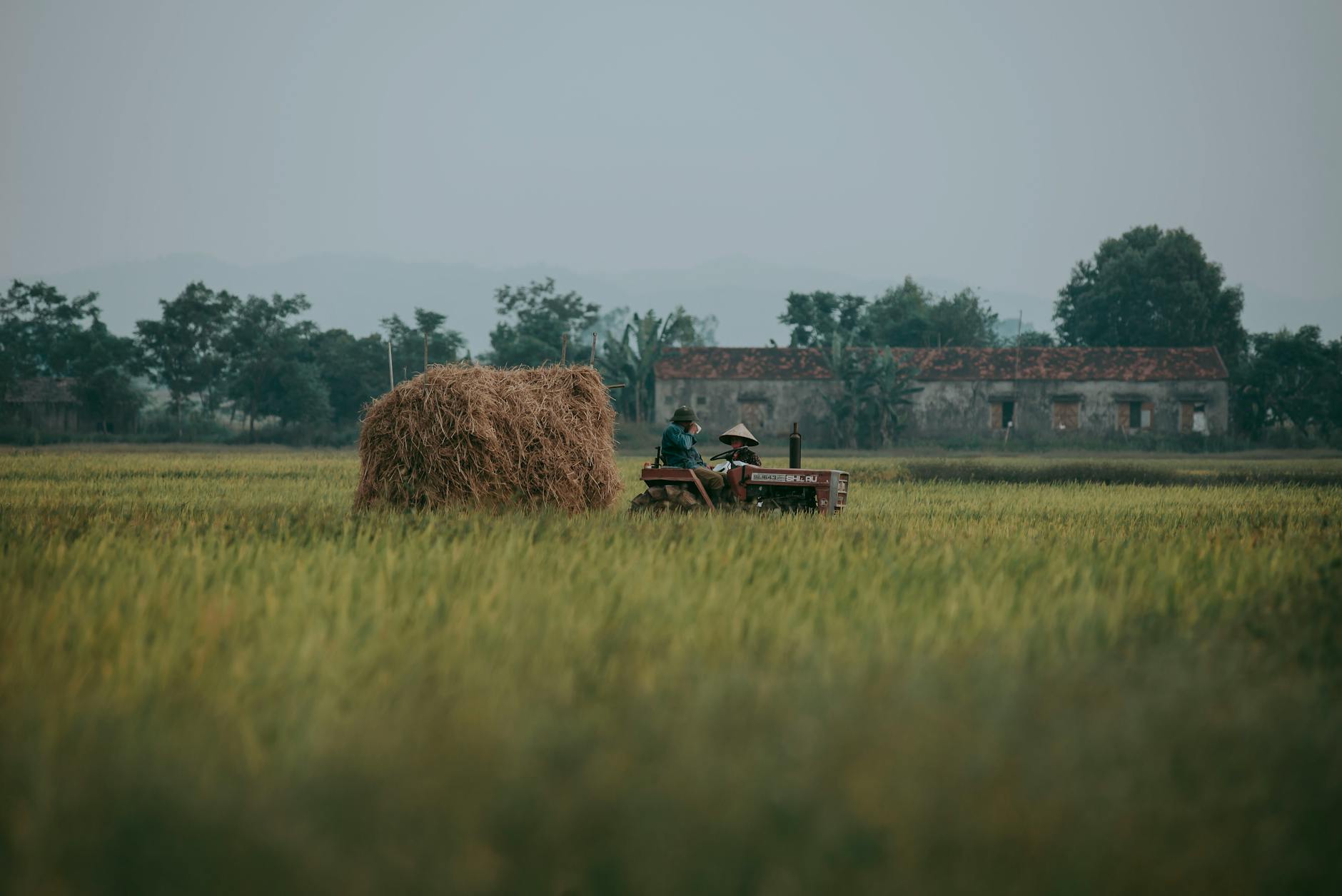
You arrive at a family kitchen in a lane off the fertile Hoi An countryside. The host walks you through the day's focus—rice paddies, vegetable beds, fruit trees, or a mix—depending on season and what's ripe. Beginners worry they'll slow the work down or hurt something. In reality, families are patient. A host will show you how to cut herbs without bruising stems, how deep to plant seedlings, how to spot ripe fruit. Kids aged 6–12 love picking and digging. Seniors manage fine if you choose walking-distance tasks over field work. If rain comes mid-session, you shift indoors: prep vegetables for lunch, learn stories, watch the host cook something quick on a wood stove.
You'll likely:
- Harvest leafy greens, herbs (mint, cilantro, water spinach), or seasonal vegetables by hand.
- Help with daily chores: feed chickens, collect eggs, fill water basins, tidy garden edges.
- Learn crop rotation and soil care as the family explains their own rhythms.
- Return to the kitchen and cook 2–3 dishes using what you've picked—often a stir-fry, a soup, fresh spring rolls.
- Eat together at a wooden table, talking about family, land, Vietnam.
The whole arc takes 4–5 hours. Wear clothes you don't mind getting stained—earth, plant juice, and sweat are part of it. Bring water and sunscreen. Flip-flops or sneakers work; avoid anything precious.
How does a farm day compare to other Hoi An experiences?
| Experience | Time | Focus | Physical Effort | Best For | Check Before |
|---|---|---|---|---|---|
| Farm visit | 4–6 hrs | Harvesting + cooking | Moderate (bending, walking) | Families, nature lovers, food origins | Mobility limits, weather window, season |
| Cooking class | 3–4 hrs | Kitchen only, ingredients given | Light (standing, chopping) | Urban tourists, skill learners | Kitchen accessibility, heat tolerance |
| Street food tour | 2–3 hrs | Market tasting, walking | Light–moderate (standing, walking) | Foodies, photographers, adventurous eaters | Pace, dietary needs, crowds |
| Flower arranging | 2–3 hrs | Design indoors | Minimal | Detail lovers, relaxation seekers | Fine motor control, space |
| Horse riding | 2–3 hrs | Countryside on horseback | Depends on rider | Adventurous, outdoor-focused | Prior experience, height/weight |
A farm experience is the only one where you work, not observe. It's physical and grounding. If you want to eat Vietnamese food but trace it to its source, combine farm with a cooking class on a different day—many groups do.
When is the best season for a farm experience?
Dry season (October–April) offers firm ground, cooler mornings, and predictable schedules. Rice is harvested September–October; herbs and greens grow steadily. A family will have clear tasks lined up. Weather is dry enough that you're not wrestling mud or waiting for rain shelters.
Rainy season (May–September) transforms the landscape. Fields flood deliberately for rice paddies; vegetables surge in the wet heat. Some visitors find this more authentic—you're there during the real growing chaos. Rain mid-session doesn't cancel a farm day; it shifts to indoor prep, stories, and a longer meal. Ask us for dates and a quote on WhatsApp to check what's happening in your chosen month.
Late spring (March–April) and early autumn (September–October) are sweet spots: warm but not scorching, crops in active growth, fewer backpackers clogging Hoi An town.
What should you bring and wear?
- Clothes: Long sleeves optional but smart (sun, plant scratches). Pants or capris; skip dresses or shorts if you're self-conscious about mud. Closed shoes (sneakers or sturdy sandals).
- Items: Sunscreen, a 1-liter water bottle, a small towel, a phone for photos (farm families enjoy seeing images later).
- Allergies: Tell us before booking if you're allergic to common crops (shrimp paste, peanuts, fish sauce) so the family can adapt lunch.
- Mobility: If walking more than 20 minutes or bending repeatedly is difficult, mention it. Hosts adjust tasks—lighter work, shaded spots, seating to rest.
Bring nothing valuable. Farms have no lockers. Wear clothes you're happy to see stained or muddy.

What happens if the weather turns bad?
Rain in dry season is rare but can arrive. A farm day continues—you move to prep work in the kitchen, learning chopping and sauce-making indoors. Lunch becomes longer and more communal. You're still eating what you'd have harvested or picked.
In rainy season, brief showers are normal. You keep working unless it's unsafe (lightning, flooded paths). Ask about weather backup plans when you WhatsApp to book.
What to check before you book
Group size & private vs. small group Private sessions cost more but let you set the pace and focus. Small groups (4–8 people) are cheaper and fun for meeting others. Ask which fits your party.
Age and mobility Farms are accessible for children (aged 6+) and most seniors, but confirm specific tasks before booking. Heavy field work isn't mandatory.
Allergies and dietary needs Tell us before the day so the family can source or skip ingredients. Vegetarian cooking is easy to arrange.
Season and what's growing Different crops peak in different months. If you want rice paddies specifically, dry-season harvest (September–October) is best. Herbs and salad greens year-round. Ask what's active when you plan to visit.
Transportation Cáo Experiences arranges pickup and dropoff from your Hoi An accommodation. Confirm your address in WhatsApp.
Language Our hosts speak English. They're not professional guides—they're farmers—so patience and humor help.
A farm experience gives you something no restaurant or market tour can: the story of how food grows, told by the people who grow it. You leave with dirt under your fingernails, a full belly, and a different understanding of Vietnam's countryside. It's slower, warmer, and more real than a day in the old quarter.
If you're also interested in tasting the food side deeper, explore our cooking options or visit the farm-experience pillar to read more stories from past guests. We also offer wellness and slow experiences that pair well with farm visits—tea ceremonies or art and culture sessions in quiet settings afterward.
Related experiences in Hoi An
Many guests combine a farm day with another Hoi An experience: a cooking class the next day, a street food market walk in the old quarter, or a coffee workshop in a local roastery. Families often add kid-friendly activities on different days to spread the learning.
You can also explore group and team experiences if you're coming with a company or a large family. Ask us for dates and a quote on WhatsApp to design a multi-day itinerary.
FAQ
Do I need farm or gardening experience?
No. Families teach you as you go. Beginners who've never harvested vegetables do this every week. You'll feel awkward for 20 minutes, then it clicks.
Can children do this?
Yes, ages 6–12 thrive on it. Younger kids (4–5) can join if a parent shadows them constantly. Teenagers often love it because they're actually useful, not just watching.
What if I'm vegetarian or have allergies?
Tell us before booking. Families cook lunch based on what's in the field—nearly always vegetarian-friendly. Fish sauce, peanuts, and shrimp paste can be omitted or swapped.
How far is the farm from Hoi An town?
Typically 30–60 minutes by car, depending on which family and which season. Cáo Experiences handles all transport—no need to arrange a taxi or motorbike.
What's the difference between this and an agritourism resort?
This is a working family farm, not a resort with a shop and manicured rows. You're guests in their day, not customers at a facility. It's messier, more authentic, and less polished.
Can I combine a farm visit with a cooking class?
Absolutely. Many groups do farm on day one, cooking class day two. It deepens the food story. Ask us about multi-day packages on WhatsApp.
Ask about dates
Tell us the city, your dates and what you would like to try. We reply on WhatsApp in English with options and availability.
FAQ
Do I need farm or gardening experience?
No. Families teach you as you go. Beginners who've never harvested vegetables do this every week. You'll feel awkward for 20 minutes, then it clicks.
Can children do this?
Yes, ages 6–12 thrive on it. Younger kids (4–5) can join if a parent shadows them constantly. Teenagers often love it because they're actually *useful*, not just watching.
What if I'm vegetarian or have allergies?
Tell us before booking. Families cook lunch based on what's in the field—nearly always vegetarian-friendly. Fish sauce, peanuts, and shrimp paste can be omitted or swapped.
How far is the farm from Hoi An town?
Typically 30–60 minutes by car, depending on which family and which season. Cáo Experiences handles all transport—no need to arrange a taxi or motorbike.
What's the difference between this and an agritourism resort?
This is a *working* family farm, not a resort with a shop and manicured rows. You're guests in their day, not customers at a facility. It's messier, more authentic, and less polished.
Can I combine a farm visit with a cooking class?
Absolutely. Many groups do farm on day one, cooking class day two. It deepens the food story. Ask us about multi-day packages on WhatsApp.
More like this
Farm and countryside days
Fishing Experience Vietnam for Japanese Travelers: Where to Go & What to Expect
Vietnam's waterways offer Japanese travelers a chance to learn traditional fishing methods directly from locals. Cáo Experiences runs half- and full-day sessions on rivers, lakes and the Mekong Delta where you cast nets, set traps, and cook your catch.
Farm and countryside days
Fishing Experience Vietnam for Foreigners: Hands-On Guide
Fishing in Vietnam isn't a spectator sport—you'll wade into rivers, cast nets, trap fish in baskets, and cook your catch for lunch. We run small-group and private fishing days in the countryside outside Hanoi, Ha Noi region, and the Mekong Delta.
Farm and countryside days
Fishing Experience in Vietnam: 8 Questions to Ask Before You Go
Fishing in Vietnam means wading through rice paddies, learning trap techniques, or casting in rivers with local guides. Here's what to ask before you book.