
Home › Blog › Farm and countryside days
Farm Experience in Hoi An: What to Expect
By the Cáo Experiences team · 2026-11-06
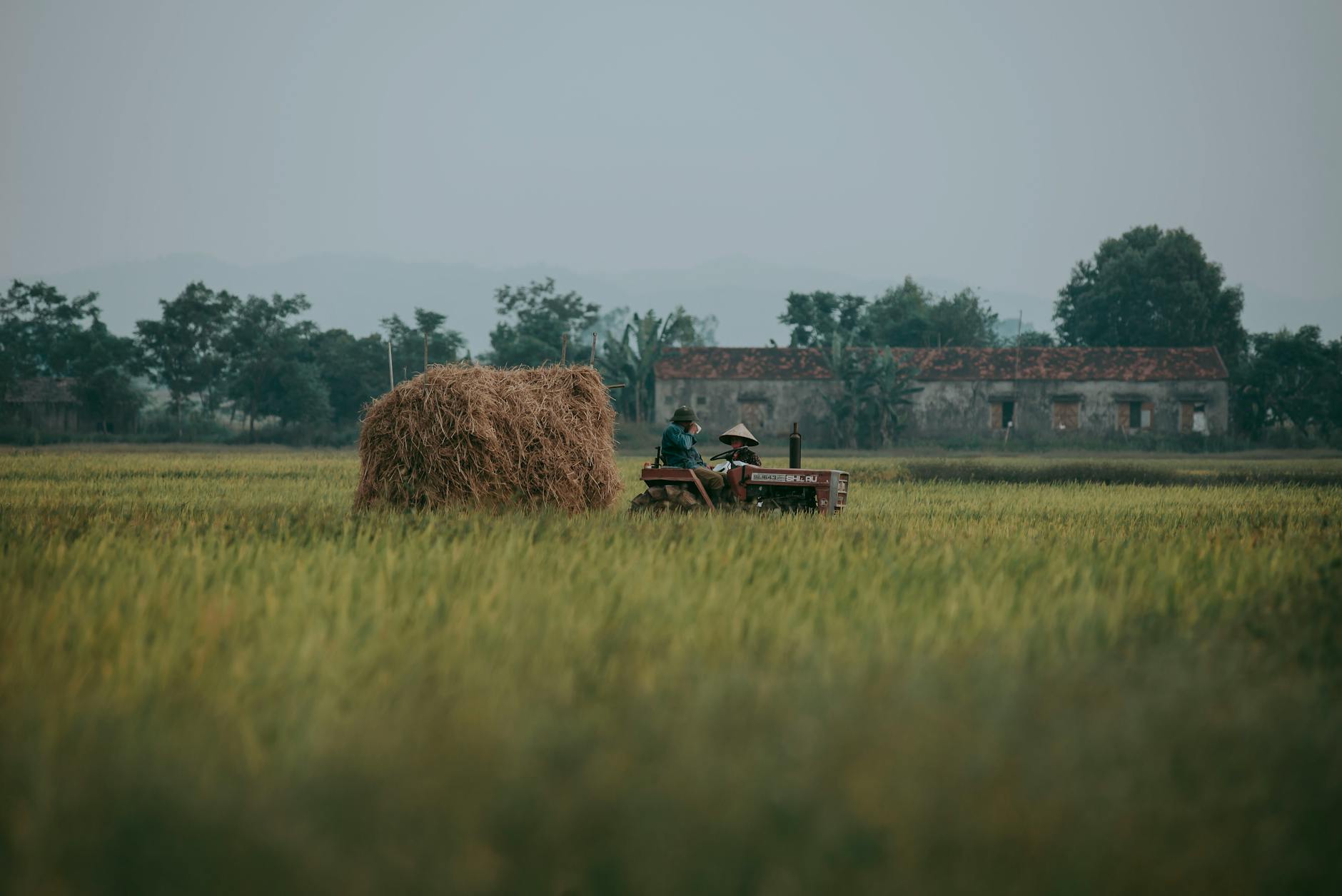
A farm experience in Hoi An with Cáo Experiences runs 3–4 hours in the early morning or late afternoon, in family-run vegetable plots, rice paddies, or herb gardens in the countryside just outside town. You arrive by car or motorbike, walk into the fields with the farmers, and do real work: pulling weeds, harvesting leafy greens, watering beds, or learning to plant seedlings. The session includes water and snacks; you eat what you harvest or share a simple meal with the farming family. No skill is needed—beginners and kids (age 5+) thrive here. Wear old clothes, closed shoes, and sunscreen. Rain means we reschedule or move to indoor farm tasks like sorting or seed prep. Ask us for dates and a quote on WhatsApp to check availability and dietary needs. Ask about dates on WhatsApp
What Does a Typical Session Look Like, Hour by Hour?
Most farm mornings start at 6:00 or 6:30 a.m., when the air is cool and the dew still clings to the greens. We collect you from your hotel or guesthouse and drive 15–25 minutes into the villages on the outskirts of Hoi An. You meet the farmer—usually a woman or older man who has worked the same plot for decades—and they show you the beds you'll work in today. The first 45 minutes is hands-on: pulling weeds by hand, learning which plants are crop and which are volunteers, harvesting spinach or morning glory by cutting the stems cleanly. Your hands get dirty. That's the point. Around hour two, you pause for water and fresh fruit from the farm—sometimes a papaya or banana grown steps away. The farmer talks about their daily routine, water sources, the seasons, and which crops sell at the market. If there's a rice paddy nearby, you might wade in and help transplant seedlings or clear water channels. By hour three, you're usually back at the family's simple kitchen or a sheltered area, washing up at an outdoor tap. You help prepare lunch: chopping the vegetables you just harvested, cooking them in a wok over a fire or gas ring, and eating together. It's not a restaurant meal—it's real family food, made by people who grow it. You leave by 10:00 or 10:30 a.m., sweaty and grounded.

Who Is a Farm Day Right For?
Farm work suits almost everyone—kids from age 5 onwards love digging and watering, couples often find it romantic and grounding, solo travelers connect with the farmer's story, and groups of friends enjoy working together. Seniors thrive here if they can walk gently and sit for short periods; we adapt tasks to your fitness (lighter weeding, sitting to sort seeds, observing from shade). Families with children aged 5–12 report that kids who refuse vegetables at home suddenly want to taste what they picked. Expect to be physically present—not passive. If you have mobility concerns, tell us on WhatsApp and we'll find a farm with less uneven ground or tasks you can do seated. Pregnant guests and people with back pain can participate but should discuss this first. We've never turned anyone away; we just adapt the work.
What Should You Wear and Bring?
Wear old clothes you don't mind staining—soil, mud, and plant sap don't wash out easily. Long trousers protect your legs from sun and scratches; a loose, light shirt breathes in the heat. Closed shoes are essential (no sandals); sneakers or old garden shoes are ideal. Bring a wide-brimmed hat or cap, sunscreen SPF 30+, and a light scarf or buff for your neck. A small towel helps dry your hands before eating. We provide drinking water; bring a water bottle to refill. If you have a phone, bring it to photograph (farmers often enjoy posing), but leave anything valuable at your hotel. No special equipment is needed—the farmer provides hoes, baskets, and shears. Many guests ask if gloves are necessary; we have work gloves available, but most people work bare-handed after the first 20 minutes, finding it easier to feel what they're doing.
How Does Rain Change the Plan?
Rain in Hoi An, especially in the monsoon months (May to September), is common. A light drizzle doesn't stop us—farmers work in it. Bring a rain jacket and expect wet boots. Heavy rain, forecast before you arrive, means we reschedule to another date or shift the session to indoor farm work: sorting seeds by hand, cleaning and drying herbs, learning how to bundle vegetables for market, or visiting a covered nursery. These tasks are quieter and oddly meditative. If you're visiting for only a few days and rain forces a reschedule, we'll try hard to fit you in before you leave or offer an alternative experience like a cooking class or market tour. Check the forecast with us via WhatsApp 48 hours before, and we'll confirm the plan together.
What If You Have Dietary Needs or Allergies?
Tell us about allergies and dietary preferences when you book. We share this with the farming family. If you're vegetarian, vegan, or have a shellfish allergy, the family adapts the shared meal easily—they grow vegetables and can prepare rice with greens and herbs, no meat or fish sauce. If you have a severe nut allergy, we confirm there are no peanuts or cashews in the meal. Some guests are worried about hygiene (washing vegetables in farm water, cooking outdoors). The water is clean, from the local well or mains supply. Vegetables are rinsed. Cooking is done properly—nothing is served raw except if you request it. If you're uneasy, eat the fresh fruit and bread you bring, and the cooked greens and rice. No one is offended. Most guests, though, find the meal is the most delicious part of the day—food grown and cooked by the person who grew it tastes different.
How Does a Farm Day Fit Into a Longer Hoi An Itinerary?
A farm morning pairs beautifully with other farm and countryside experiences or nearby activities. Some guests do the farm session, return to town by 11:00 a.m., rest, then join an afternoon Vietnamese cooking class where they cook the vegetables they harvested. Others combine it with a street food and market tour the next morning to see where farm produce is sold. Coffee lovers often book a Vietnamese coffee workshop on another morning. If you're in Hoi An for a few days, consider pairing the farm with flower arranging (you'll see how farmers grow flowers) or a tea experience at a quiet house in the countryside. For families, a farm day is often the highlight—kids talk about it for weeks—and we can link it to family-friendly experiences like horse riding on a nearby path or a gentle craft workshop. If you're in a group, farm days work well for team bonding; ask us about group and corporate options.
What Real Challenges Come Up, and How Do We Handle Them?
Fitness surprises: Some guests underestimate how much they bend and squat. We give frequent breaks and shade time. If your knees hurt after 30 minutes, tell the farmer—we shift you to lighter tasks like snapping beans or watering from a seated position.
Insect bites: Mosquitoes are present, especially in damp seasons. Bring a good insect repellent (ask us to recommend one). Wear socks. Bites happen; it's part of farm life. A local antihistamine cream (available at any pharmacy in town) stops the itch quickly.
Communication: The farmer may speak little English. We arrange a guide for your session, or we brief the farmer beforehand on key words and actions. Farming work is mostly physical—hand signals, gestures, and laughter go far.
Expectation mismatch: Some guests imagine a manicured farm tour. This is working farms—muddy, unglamorous, real. If you want a clean, photo-perfect experience, a garden walk or market tour might suit you better.
Nausea or heat: The combination of early wake-up, sun, and physical work can make some guests lightheaded. We carry water, work in shade when possible, and shorten the session if you need. Tell us immediately if you feel unwell.
Clothing regret: Most guests arrive in new, nice clothes "just in case" and regret it. Wear your oldest clothes. Stains are badges of a real morning.
Comparison: Farm Experiences and Related Activities in Hoi An
| Activity | What you do | Duration | Best for | Physical level |
|---|---|---|---|---|
| Farm experience | Harvest, weed, plant, eat with farmer | 3–4 hours | Hands-on learners, families, food-curious | Light to moderate |
| Cooking class | Chop, stir, plate in a kitchen | 3–4 hours | Food-focused, shelter-preferred | Minimal |
| Market tour | Walk, taste, listen | 2–3 hours | Urban explorers, foodies, photographers | Light |
| Coffee workshop | Roast, grind, brew indoors | 2 hours | Coffee obsessives, seated learners | Minimal |
| Flower arranging | Design, cut, compose indoors | 2–3 hours | Creatives, gift-seekers | Minimal |
| Horse riding | Ride on trails | 1.5–2 hours | Outdoor adventurers, riders | Moderate |
Most guests who do a farm day say it changes how they see food—and Hoi An's farms are quieter, smaller, and more personal than those you'd visit in busier regions. Visit us on Hoi An's experience page to see all countryside options.
What to Check Before You Book
- Confirm the season: Crops change. Spring and autumn (September–November, January–March) offer the widest variety. Summer (May–August) has heavy rain and intense heat; winter (December–February) can be cool and misty.
- Discuss fitness honestly: Age and experience don't matter; physical comfort does. Tell us if you have a bad knee, back pain, or haven't exercised in years.
- Verify the meal plan: Are you eating with the family? Will you cook together? Is the food cooked fresh during your visit or prepared earlier? Ask on WhatsApp.
- Check transportation: Do you need a ride from your hotel? Some guests prefer to drive themselves or hire a private motorbike. Confirm with us.
- Ask about the farmer's language: Will a guide translate, or is it mostly gestures and observation? Both work—just know the style in advance.
- Clarify what "farm" means: Is it vegetables, herbs, flowers, rice, or a mix? Different crops appeal to different interests.
- Review the group size: Do you want a private session (family or couple) or a small group with other travelers? Group sessions cost less per person but feel less intimate.
See how a session runs
Real Stories: What Guests Say
We don't post reviews or numbers—that's not how we work. But here's what actually happens: a 70-year-old woman from Germany comes in worried she's too old and leaves saying it's the best part of her trip. A family with a picky 8-year-old eats more greens that morning than in the past month. A couple from Australia wanted to escape Hoi An's crowds and found themselves sitting on the ground with a 60-year-old farmer's wife, eating rice with herbs they'd picked 20 minutes earlier, barely speaking, and saying it was the most peaceful meal of their month in Vietnam. A group of office workers from Singapore booked it as a "team bonding" activity and came back sweaty, laughing, covered in mud, asking when they could do it again. These are the farm mornings we love to see.

FAQ
Do I need farming experience?
No. Absolute beginners are common. The farmer shows you how; your hands learn by doing. Kids and retirees with no experience thrive here.
What if I don't want to eat the shared meal?
Tell us. You can eat a packed lunch you bring, or skip lunch and leave earlier. The farmer won't be offended—they understand travelers have different comfort levels.
Is it safe to work in the fields alone with the farmer?
Yes. We arrange a guide or translator for your session. You're never alone. Group sessions include other travelers. Private sessions have a guide present or arranged nearby.
Can I bring my phone and take photos?
Yes. Farmers usually enjoy it. Don't film without asking. Some ask not to be photographed—respect that. No phones during meals.
What if I get an injury (cut, sprain) during the farm work?
Tell the farmer immediately. We have a first aid kit and a pharmacy is 10 minutes away in town. Minor cuts and bruises happen; serious injuries are rare. If you're anxious about this, discuss your health concerns on WhatsApp first.
Is the experience expensive?
Ask us for dates and a quote on WhatsApp. Prices vary by group size (private vs. small group), whether you eat the meal, and the season. We're transparent about the cost once you book.
Can I do this in the afternoon instead of early morning?
Yes, late afternoon (around 3:30 p.m.) sessions run too, though the light and energy feel different—cooler, more relaxed, less busy. The farmer's preference guides the timing.
What if the farm is full that day, or the weather is bad?
We'll offer another date or suggest a similar experience like a cooking class or a visit to a covered farm workshop. We don't oversell or rush you into a bad-weather session.
Ask about dates
Tell us the city, your dates and what you would like to try. We reply on WhatsApp in English with options and availability.
FAQ
Do I need farming experience?
No. Absolute beginners are common. The farmer shows you how; your hands learn by doing. Kids and retirees with no experience thrive here.
What if I don't want to eat the shared meal?
Tell us. You can eat a packed lunch you bring, or skip lunch and leave earlier. The farmer won't be offended—they understand travelers have different comfort levels.
Is it safe to work in the fields alone with the farmer?
Yes. We arrange a guide or translator for your session. You're never alone. Group sessions include other travelers. Private sessions have a guide present or arranged nearby.
Can I bring my phone and take photos?
Yes. Farmers usually enjoy it. Don't film without asking. Some ask not to be photographed—respect that. No phones during meals.
What if I get an injury (cut, sprain) during the farm work?
Tell the farmer immediately. We have a first aid kit and a pharmacy is 10 minutes away in town. Minor cuts and bruises happen; serious injuries are rare. If you're anxious about this, discuss your health concerns on WhatsApp first.
Is the experience expensive?
Ask us for dates and a quote on WhatsApp. Prices vary by group size (private vs. small group), whether you eat the meal, and the season. We're transparent about the cost once you book.
Can I do this in the afternoon instead of early morning?
Yes, late afternoon (around 3:30 p.m.) sessions run too, though the light and energy feel different—cooler, more relaxed, less busy. The farmer's preference guides the timing.
What if the farm is full that day, or the weather is bad?
We'll offer another date or suggest a similar experience like a cooking class or a visit to a covered farm workshop. We don't oversell or rush you into a bad-weather session.
More like this
Farm and countryside days
Fishing Experience Vietnam for Japanese Travelers: Where to Go & What to Expect
Vietnam's waterways offer Japanese travelers a chance to learn traditional fishing methods directly from locals. Cáo Experiences runs half- and full-day sessions on rivers, lakes and the Mekong Delta where you cast nets, set traps, and cook your catch.
Farm and countryside days
Fishing Experience Vietnam for Foreigners: Hands-On Guide
Fishing in Vietnam isn't a spectator sport—you'll wade into rivers, cast nets, trap fish in baskets, and cook your catch for lunch. We run small-group and private fishing days in the countryside outside Hanoi, Ha Noi region, and the Mekong Delta.
Farm and countryside days
Fishing Experience in Vietnam: 8 Questions to Ask Before You Go
Fishing in Vietnam means wading through rice paddies, learning trap techniques, or casting in rivers with local guides. Here's what to ask before you book.