
Home › Blog › Farm and countryside days
Farm Experience in Hue for Foreigners: What to Expect
By the Cáo Experiences team · 2026-11-06
A farm experience in Hue for foreigners is a half-day or full-day visit to a working family farm outside the city, run by Cáo Experiences in English with WhatsApp coordination. You arrive early morning, change into work clothes, wade into rice paddies or tend vegetable gardens alongside the farmer and our host, harvest produce, return to a family kitchen, and cook a meal together using what you picked. Sessions run year-round (rice planting in spring, harvesting in autumn, herb and vegetable care in other seasons). Most groups are 2–8 people; we adapt for kids, seniors, non-swimmers and allergies. Ask us for dates and a quote on WhatsApp — costs vary by season, group size and whether lunch is included. Beginners worry they'll slow the pace or get too muddy; in reality, farmers love teaching and muddy clothes wash off. Rainy mornings mean we shift to indoor farm tasks, kitchen work or rescheduling. Ask about dates on WhatsApp
What does a real farm morning in Hue actually look like?
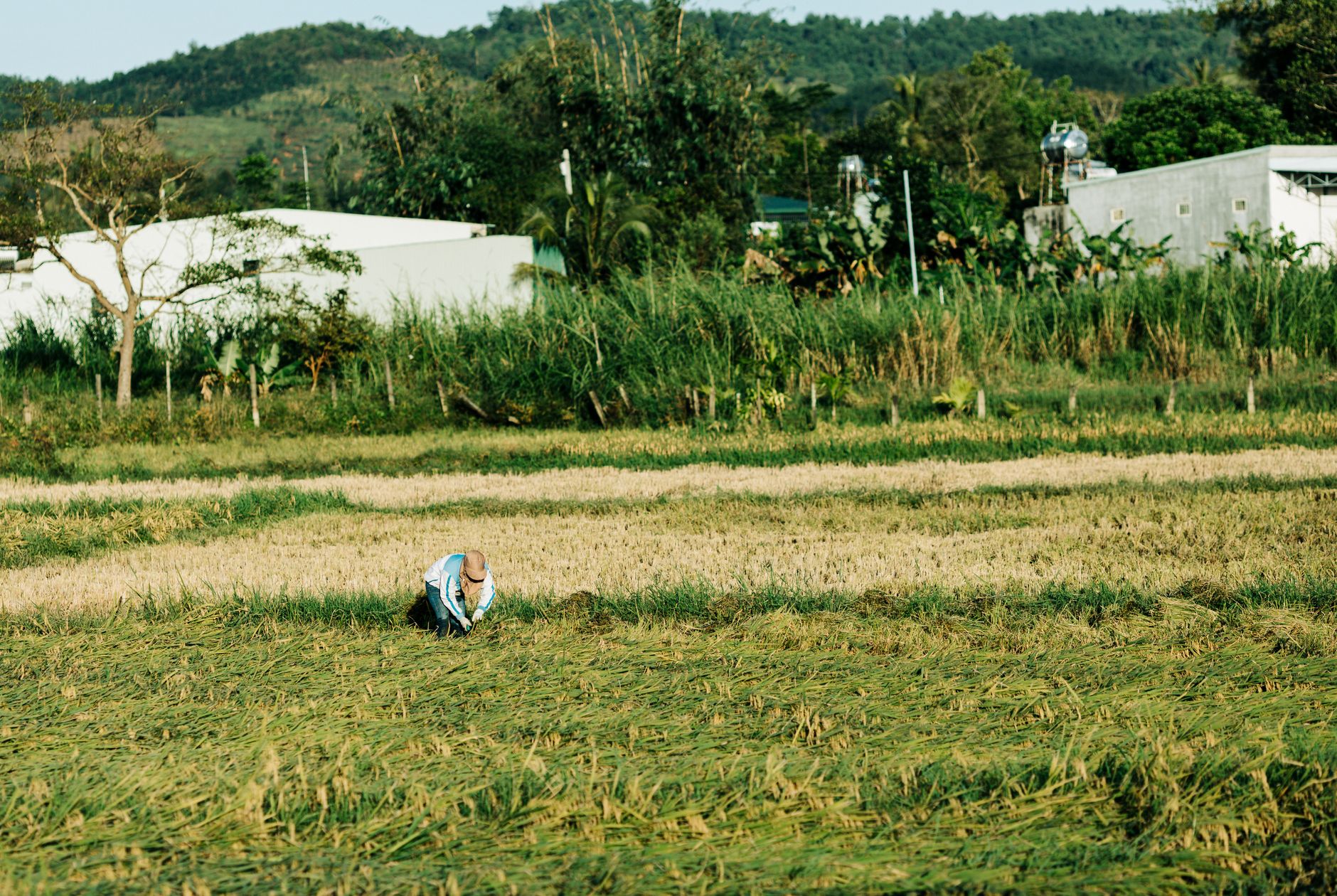
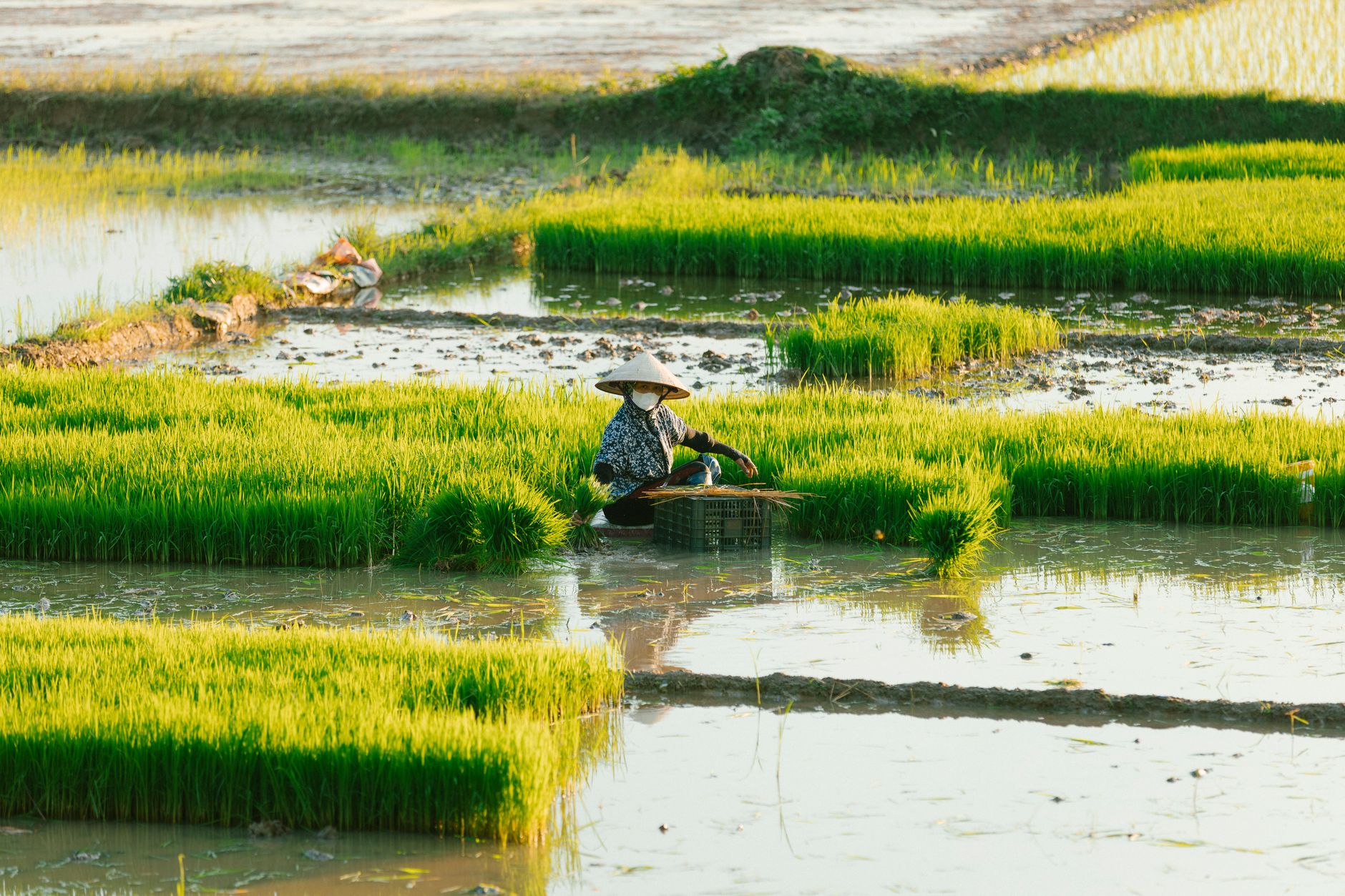
We pick you up from your hotel in Hue city around 6:30 a.m., drive 20–30 minutes into the countryside past limestone hills, and arrive at a family farm as light breaks. The air smells of wet earth and growing things. You put on rubber boots and a straw hat (provided), and the farmer—often in his 50s or 60s—greets you with tea and shows you the season's plot: knee-deep green rice shoots in April, golden stalks ready for scything in October, rows of morning glory and bitter melon in summer. Our host translates and you step into the paddy. Your feet sink. The mud is warm and alive with tiny shrimp. For the first five minutes, everyone laughs—it's nothing like Instagram. Then your body settles and you feel what a farmer feels every dawn: the weight of soil, the grip of water, the geometry of rows. You spend 45 minutes to an hour doing real work—planting seedlings in straight lines, pulling weeds, or cutting grain with a hand sickle. Hands cramp a little. Your back notices it. And then the farmer hands you a cold drink and says, through our host, something like "Good. You understand now." That's the shift: you've stopped watching and started knowing.
Should you worry about getting hurt or stuck in the mud?
No serious injuries happen on our farm days, but minor discomfort is real and honest. Your legs will ache slightly if you're not used to squatting or standing in water for an hour; bring ibuprofen if you know your knees are fragile. Mud gets under fingernails and between toes—we provide basins and soap at the farm, but wear clothes you don't mind staining. Leeches exist in some paddies during rainy season (June–August); the farmer checks and removes any; they don't hurt but startle foreigners. Wear long socks and closed shoes if that worries you. Sunburn is the real risk: the sun reflects off water and you'll forget to reapply. We remind you, but bring SPF 50+ and a wide-brimmed hat. Seniors and anyone with knee or hip issues tell us ahead—we arrange lighter tasks like harvesting herbs from raised beds or working in shallower plots. Kids under 8 usually ride on a parent's back or sit in the shade; 8–14 love it and work beside the farmer. Pregnant people are welcome if the pregnancy is uncomplicated; squat-free roles exist.
How does the cooking-with-your-harvest part work?
After the farm work—usually 10 a.m.—you wash up (cold water from a well, refreshing), change into dry clothes, and move to the family's kitchen, a simple, open-sided room with a wood or gas stove. The farmer's wife or daughter is there with herbs, fish sauce, rice and whatever you didn't harvest (garlic, chili, salt). You chop the greens and vegetables you picked; our host guides you through a simple stir-fry or a soup. There are no fancy knives—a vegetable cleaver and your hands. You taste as you cook. The food tastes different because you grew it two hours ago. Lunch is eaten on a low wooden table in the kitchen or outside under a banana-leaf shelter, sitting cross-legged on woven mats. It's plain, salty, perfect. Coffee or tea follows, and you sit and talk with the farmer about their life, their kids, the price of rice this year. This is not a performance—it's a real meal in a real home. Allergies and dietary restrictions: tell us in advance. The farm has chickens, sometimes fish in ponds; vegetarian cooking is easy here. If you're gluten-free, rice is your staple anyway.
What's the difference between a half-day and full-day farm experience?
A half-day experience runs 6:30 a.m. to noon, covering farm work, washing and a simple lunch cooked together. You're back at your hotel by 1 p.m., rested, ready for an afternoon exploring Hue's monuments. It suits busy travelers, families with young kids, and anyone who wants a taste without commitment. A full-day experience runs 6:30 a.m. to 3 p.m., adding a second activity: an afternoon visit to another farm plot (maybe a herb garden or fruit orchard), a lesson on composting or water management, or a longer conversation and tea ceremony with the farmer's family. Some guests help with secondary tasks—mending nets if there's a fish pond, feeding animals, or collecting eggs. Full-day guests leave with much deeper ties and understanding. Which is for you? Half-day suits first-time visitors, school groups, and travelers with limited time. Full-day suits couples, friends, anyone staying multiple days in Hue who wants to slow down. Both include transport from your Hue hotel, all materials, and cooked lunch. Ask us for dates and a quote on WhatsApp to compare.
How does rain or bad weather change the plan?
Hue's monsoon rains (September–November) are heavy and unpredictable. Going ahead means you work in rain (paddies are slippery; it's genuinely harder) or shift entirely to the farm's indoor spaces—cleaning and sorting dried herbs, learning about seed storage, preparing and cooking a longer meal indoors with the family, or attending a lesson in animal husbandry or crop rotation in the farmer's shed. Rain dramatically changes the mood but not the value; some guests prefer it because it's quieter and fewer tourists visit. Wet-season farms (July–September) are lush and muddy; dry-season farms (November–March) are cleaner and sunnier. Bring a light rain jacket and accept that you might be damp. Kids find mud and rain hilarious. Seniors should choose dry months (December–February, March–April) for comfort.
Comparison: Farm experience vs. countryside and cooking alternatives
| Activity | Duration | Physical demand | Best for | Why choose it |
|---|---|---|---|---|
| Farm morning (half-day) | 4–5 hours | Moderate (squatting, standing in water) | Solo travelers, families, busy schedules | Direct connection to food source; real work |
| Countryside day experience | 6–8 hours | Moderate (walking, some standing) | Couples, groups, leisurely travelers | Wider variety—farm, village, temple, market |
| Vietnamese cooking class | 3–4 hours | Light (standing, chopping) | Anyone; best for non-swimmers | Learn technique; indoor; no physical risk |
| Farm + cooking combined | 5–6 hours | Moderate | Families, food lovers | Harvest + cook under one roof; maximum relevance |
What to check and decide before you book
Season and crop: Ask which crop will be active when you visit. Rice is more iconic but only harvestable autumn; herbs and vegetables are available year-round. Rainy season (July–August) is lush and alive but muddy and unpredictable.
Group size preference: Solo travelers are paired with small groups (usually 2–6 people) unless you book private. Private costs more but gives you the farmer's full attention and a schedule tailored to your pace.
Fitness and age: Be honest about knees, hips, stamina. Tell us if you're 70+, pregnant, recovering from injury, or have a kid under 6. We have lightweight options.
Diet and allergies: Confirm what you will and won't eat. Farm food is plain and vegetarian-friendly; seafood allergies are manageable; nut allergies are less common here but flagged in advance.
Photography expectations: Bring a camera or phone, but ask the farmer's permission before photographing people. Some families are shy; respect that.
Time of day: Early morning is cooler and calmer but darker. Mid-morning is warmer and brighter. There's no "wrong" time; pick what suits your sleep schedule.
Other experiences that pair well with a farm day
If you're spending a few days in Hue and want to deepen your understanding of food and rural life, consider combining a farm experience with:
- A Vietnamese cooking class on a different day, where you learn techniques and use market ingredients alongside your farm knowledge.
- A street food and market tour to see how farmers sell their harvest in Hue's markets and where restaurants source produce.
- A tea experience at a highland farm in nearby Da Lat, if you extend your trip—tea farming shares similar rhythms to rice and vegetables.
- Art and culture classes in Hue to learn about agrarian traditions in Vietnamese literature and painting.
For families with kids, family-friendly experiences often bundle a farm morning with age-appropriate extras like animal care or a picnic.

FAQ
Do I need any farming experience to join?
No. Most guests have never farmed. The farmer teaches you as you work. Kids and seniors do fine. Speed doesn't matter—you're learning, not being timed.
What should I wear and bring?
Wear lightweight, quick-dry clothes you don't mind staining. Closed shoes (sneakers are fine). Bring sunscreen, a hat, a small towel, and cash for tips (optional but appreciated). We provide boots, hats and gloves.
Can I visit if I'm vegetarian or have allergies?
Yes. Vegetarian farm food is simple and delicious—rice, greens, tofu, eggs. Tell us about allergies when you book. We communicate with the farmer's family ahead of time.
Is the farm accessible for people with mobility issues?
Paddies and earth paths are uneven. If you use a cane or wheelchair, tell us—we may arrange a lighter role (herb garden, kitchen work) or recommend a different experience like a cooking class or a countryside day with easier terrain.
How much does it cost?
Costs vary by season, group size, meal complexity, and travel distance. Ask us for dates and a quote on WhatsApp. Ask about dates on WhatsApp
Ask about dates
Tell us the city, your dates and what you would like to try. We reply on WhatsApp in English with options and availability.
FAQ
Do I need any farming experience to join?
No. Most guests have never farmed. The farmer teaches you as you work. Kids and seniors do fine. Speed doesn't matter—you're learning, not being timed.
What should I wear and bring?
Wear lightweight, quick-dry clothes you don't mind staining. Closed shoes (sneakers are fine). Bring sunscreen, a hat, a small towel, and cash for tips (optional but appreciated). We provide boots, hats and gloves.
Can I visit if I'm vegetarian or have allergies?
Yes. Vegetarian farm food is simple and delicious—rice, greens, tofu, eggs. Tell us about allergies when you book. We communicate with the farmer's family ahead of time.
Is the farm accessible for people with mobility issues?
Paddies and earth paths are uneven. If you use a cane or wheelchair, tell us—we may arrange a lighter role (herb garden, kitchen work) or recommend a different experience like a cooking class or a countryside day with easier terrain.
How much does it cost?
Costs vary by season, group size, meal complexity, and travel distance. Ask us for dates and a quote on WhatsApp. [💬 Ask about dates on WhatsApp](https://wa.me/84338762340)
More like this
Farm and countryside days
Fishing Experience Vietnam for Japanese Travelers: Where to Go & What to Expect
Vietnam's waterways offer Japanese travelers a chance to learn traditional fishing methods directly from locals. Cáo Experiences runs half- and full-day sessions on rivers, lakes and the Mekong Delta where you cast nets, set traps, and cook your catch.
Farm and countryside days
Fishing Experience Vietnam for Foreigners: Hands-On Guide
Fishing in Vietnam isn't a spectator sport—you'll wade into rivers, cast nets, trap fish in baskets, and cook your catch for lunch. We run small-group and private fishing days in the countryside outside Hanoi, Ha Noi region, and the Mekong Delta.
Farm and countryside days
Fishing Experience in Vietnam: 8 Questions to Ask Before You Go
Fishing in Vietnam means wading through rice paddies, learning trap techniques, or casting in rivers with local guides. Here's what to ask before you book.