
Home › Blog › Farm and countryside days
Farm experience in Phu Quoc for foreigners: what to choose
By the Cáo Experiences team · 2026-11-06
A farm experience in Phu Quoc with Cáo Experiences means a full day (usually 7 a.m.–2 p.m.) on a working family farm outside the main town, where you pick crops, learn harvest methods, cook lunch from what you've gathered, and understand how rural life runs. You'll ride a motorbike or van to a pepper, cashew, or vegetable farm—places that genuinely feed the region, not tourist-only setups. The session includes a guide in English, tools, meals, and sometimes a market or coffee-farm visit nearby. Beginners worry about getting dirty or the heat; we adapt pace and shade breaks for all fitness levels. Rain shuts down outdoor work, so we reschedule or pivot to indoor farm skills (drying, sorting, craft). Ask us for dates and a quote on WhatsApp to check season, group size, and your exact interests—price depends on group and location. Ask about dates on WhatsApp
What crops and activities are worth choosing?
Phu Quoc grows pepper, cashew, mango, coconut, and fish in brackish ponds—each offers a different rhythm. Pepper farms involve sorting berries and learning fermentation; cashew work means shelling and roasting small batches; vegetable gardens focus on composting, weeding, and watering in cooler morning hours. Fish farms teach net casting and water chemistry. Most visitors find pepper or cashew most memorable because you handle the final product and taste it fresh. Vegetable farms suit families with young kids who tire quickly; the work is gentler and faster. Ask yourself: do you want to harvest something you'll eat today, or learn a skill you can replicate at home?
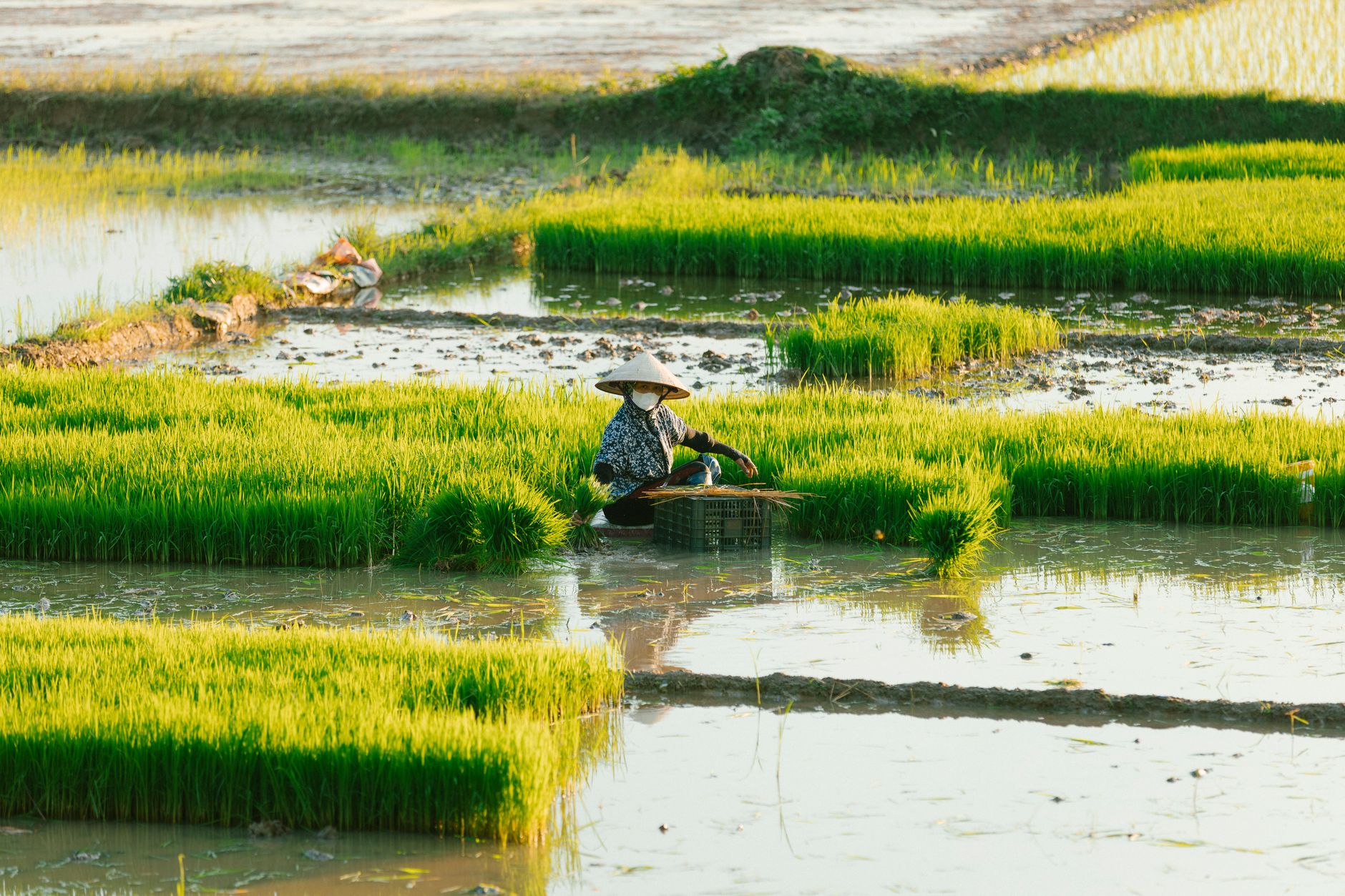
Which type of farm fits your group and skill level?
| Farm type | Best for | Physical demand | Season fit | Why it works |
|---|---|---|---|---|
| Pepper | Solo travelers, photographers, spice lovers | Moderate (sorting, climbing) | Year-round except wet October | Colorful, aromatic, instant learning curve |
| Cashew | Couples, small groups (2–6) | Light to moderate (shelling, sorting) | May–October | Hands-on product transformation; snacking built-in |
| Vegetable gardens | Families, seniors, first-timers | Light (weeding, planting, watering) | November–April best | Fastest results, kids see growth, flexible pace |
| Fish farms | Groups of 4+, curious learners | Light (net work, observation) | Year-round but cooler mornings | Unique skill, fewer tourists, tangible skill set |
| Mixed (2–3 farms in one day) | Teams, corporate groups, slow travelers | Moderate–high | November–March | Broad learning, multiple lunch ingredients, full immersion |
We adapt all sessions to actual fitness levels on arrival—if someone has a knee issue, we shift to sorting or observation work. Kids (4+) manage pepper sorting, picking low fruits, and water carrying without fatigue. Seniors enjoy shade rotations and seated tasks like cashew sorting or fish-trap baiting. No one is pushed; the pace is curiosity-driven, not competition.
How does weather actually change what happens?
November through March is dry, cool (22–25°C mornings), and ideal for full-day farm work. April onwards, heat and humidity climb; we start earlier (5:30 a.m.) and finish by noon, with extended shaded lunch. October and September bring unpredictable rain—not a barrier, but a shift. If rain hits during the session, we move indoors: you'll sort, dry, or process crops under a farmhouse roof, learning preservation methods (pepper drying, fish salting, seed saving). Some groups find this more intimate and educational than the original plan. Deep monsoon (May–June) can flood certain farms; we communicate this ahead and suggest rescheduling or a different farm zone. Always check the forecast 48 hours before and give us a heads-up if you're uncomfortable with heat or mud; we adjust start time, clothing advice, and water access. The one genuine constraint: October afternoon thunderstorms can cancel sessions the same morning.
What meals and allergies should you tell us upfront?
Lunch is cooked on-site using vegetables, herbs, and protein you've helped harvest or select from the farm. A typical meal is stir-fried greens, fish or tofu, fresh herbs, and rice—simple, seasonal, no preservatives. If you're vegetarian, vegan, pescatarian, or have allergies (shellfish, peanuts, nightshades), tell us when you book. We'll source ingredients from the farm or a nearby market and brief the cook. The kitchen is a family home's open area—not sterile, rustic, but scrupulously clean. You'll eat together with the host family and guides, often sitting on a low platform or outdoor table. This is deliberate: food in rural Vietnam is social and slow. Bring water (1–1.5 liters per person); we provide shade, but dehydration happens fast in heat. If you have a medical condition (diabetes, hypertension), eat before arrival or bring snacks you trust.
Explore family experiences too

How does a farm day actually run hour by hour?
6:30–7:00 a.m.: Pickup from your hotel or meeting point in town. Ride (15–30 minutes) to the farm while our guide explains the region's agriculture and your host family's story.
7:00–8:30 a.m.: Walk the farm, see the plants or fish, ask questions. You put on a hat and grab a basket. Work begins: picking pepper berries off woody vines, cutting cashew branches, pulling weeds, or casting a net. The pace is real—no time limit, just "until this section is done" or "fill this basket." Your hands will get sticky, muddy, or salty; that's the point.
8:30–9:30 a.m.: Smaller, finer task (sorting by size, removing shells, cleaning). Sit in shade. Drink water. Chat with the host or other workers.
9:30 a.m.–12:30 p.m.: Return to the farmhouse kitchen. You help prep lunch: wash greens, tear herbs, light the fire, stir pots. The host family does most of the cooking; you observe and assist. This is where the morning's work becomes real food.
12:30–1:30 p.m.: Eat together. Rest, take photos, ask deeper questions about farming economics, family history, or village life.
1:30–2:00 p.m.: Optional market or coffee-farm detour (5 km away) to see where farm products sell, or return to town.
2:00 p.m.: Drop-off at your hotel.
No phones are required; we coordinate before via WhatsApp and check in after. Bring sunscreen, a hat, closed shoes (flip-flops slip in mud), and a camera if you want one. Wear clothes you don't mind staining.
What should you check before booking a farm session?
Group size: Farm hosts prefer 2–8 people; larger groups (10+) need two separate sessions. Ask us if solo travelers can join a scheduled group or if you're booking private.
Season: Confirm which crops are active and harvestable. October–May gives you the broadest choices; June–September is humid and fewer farms accept groups. Ask for a seasonal calendar when you inquire.
Dietary needs: Tell us vegan, allergies, or medical diets upfront so we source correctly. Last-minute changes strain the cook.
Fitness and mobility: Mention knee, back, or stamina limits so we assign appropriate tasks. Farm work involves uneven ground, stooping, and heat; it's not a stroll.
Distance from your hotel: Pickup can be 20–50 minutes away depending on where you're staying. Early starts suit some travelers better than others.
Rain backup: Ask what happens if it rains the morning of your session.
Photos and consent: Ask the host family before photographing them or their children. It's courteous and legal.
Comparison with other countryside experiences: If you're also considering horse riding experiences or Vietnamese cooking classes, consider pairing them—a half-day farm session often leaves time for another activity the same day.
Pages from our team you may need
FAQ
Is farm work too physically demanding for seniors or first-timers?
No. We adjust tasks to your ability on arrival—sorting crops or observation is often easier than active picking. Pace is set by curiosity, not competition. Many seniors find the rhythm meditative and love the family interaction.
What happens if it rains the day of our session?
We reschedule to the next available date (no fee), or pivot to indoor farm skills—drying, sorting, or food prep under a roof. Deep monsoon (May–June) may force postponement; we confirm 48 hours ahead.
Do we cook the meal ourselves, or just watch?
You help—washing, chopping, stirring—but the host family does most cooking. It's collaborative, not a cooking class. If you want formal culinary instruction, see our Vietnamese cooking classes instead.
Can we do a farm day with kids aged 4–8?
Yes. Kids handle picking (low fruits), water carrying, and sorting without fatigue. We shorten the physical session and extend lunch and rest. Families often pair a half-day farm experience with another activity for kids the same afternoon.
How is this different from a tour company's "farm visit"?
We work with the same farm family every time, not rotating locations. You harvest real crops for real meals, not poses. The host family earns income; you eat lunch together as guests. It's immersive and slow, not a photo stop.
What if I have a dietary restriction or allergy?
Tell us when you book so we source ingredients in advance. We've accommodated vegan, gluten-free, shellfish-free, and low-sodium diets. Last-minute changes may not be possible.
Do we need to bring anything special—gloves, tools, boots?
No. Bring sunscreen, a hat, closed shoes (no flip-flops—mud slips), and water. Tools and baskets are provided. Wear clothes you don't mind staining.
Can we pair a farm day with other Cáo Experiences?
Yes. A half-day farm session (7 a.m.–noon) leaves time for coffee workshops, flower arranging, or a street food tour the same afternoon. Ask us when you book.
Ask about dates
Tell us the city, your dates and what you would like to try. We reply on WhatsApp in English with options and availability.
FAQ
Is farm work too physically demanding for seniors or first-timers?
No. We adjust tasks to your ability on arrival—sorting crops or observation is often easier than active picking. Pace is set by curiosity, not competition. Many seniors find the rhythm meditative and love the family interaction.
What happens if it rains the day of our session?
We reschedule to the next available date (no fee), or pivot to indoor farm skills—drying, sorting, or food prep under a roof. Deep monsoon (May–June) may force postponement; we confirm 48 hours ahead.
Do we cook the meal ourselves, or just watch?
You help—washing, chopping, stirring—but the host family does most cooking. It's collaborative, not a cooking class. If you want formal culinary instruction, see our [Vietnamese cooking classes](/cooking-class) instead.
Can we do a farm day with kids aged 4–8?
Yes. Kids handle picking (low fruits), water carrying, and sorting without fatigue. We shorten the physical session and extend lunch and rest. Families often pair a half-day farm experience with another [activity for kids](/family-experiences) the same afternoon.
How is this different from a tour company's "farm visit"?
We work with the same farm family every time, not rotating locations. You harvest real crops for real meals, not poses. The host family earns income; you eat lunch together as guests. It's immersive and slow, not a photo stop.
What if I have a dietary restriction or allergy?
Tell us when you book so we source ingredients in advance. We've accommodated vegan, gluten-free, shellfish-free, and low-sodium diets. Last-minute changes may not be possible.
Do we need to bring anything special—gloves, tools, boots?
No. Bring sunscreen, a hat, closed shoes (no flip-flops—mud slips), and water. Tools and baskets are provided. Wear clothes you don't mind staining.
Can we pair a farm day with other Cáo Experiences?
Yes. A half-day farm session (7 a.m.–noon) leaves time for [coffee workshops](/coffee-workshop), [flower arranging](/flower-arranging), or a [street food tour](/street-food-tour) the same afternoon. Ask us when you book.
More like this
Farm and countryside days
Fishing Experience Vietnam for Japanese Travelers: Where to Go & What to Expect
Vietnam's waterways offer Japanese travelers a chance to learn traditional fishing methods directly from locals. Cáo Experiences runs half- and full-day sessions on rivers, lakes and the Mekong Delta where you cast nets, set traps, and cook your catch.
Farm and countryside days
Fishing Experience Vietnam for Foreigners: Hands-On Guide
Fishing in Vietnam isn't a spectator sport—you'll wade into rivers, cast nets, trap fish in baskets, and cook your catch for lunch. We run small-group and private fishing days in the countryside outside Hanoi, Ha Noi region, and the Mekong Delta.
Farm and countryside days
Fishing Experience in Vietnam: 8 Questions to Ask Before You Go
Fishing in Vietnam means wading through rice paddies, learning trap techniques, or casting in rivers with local guides. Here's what to ask before you book.