
Home › Blog › Farm and countryside days
Farm Experience in Phu Quoc: What to Know Before Booking
By the Cáo Experiences team · 2026-11-06
A farm experience in Phu Quoc with Cáo Experiences is a half-day or full-day hands-on session on a family-run tropical farm outside town, where you harvest crops, learn water management or composting, work in the kitchen with your harvest, and eat together. Sessions run year-round but suit small groups or families best; individual travelers often join group dates. We adapt for age (kids love picking, seniors prefer shaded work), fitness, and dietary needs. Cost varies by group size and duration—ask us for dates and a quote on WhatsApp. Avoid peak rain season (May–September) if you dislike muddy conditions; we run sessions anyway but you'll need waterproofs.
What makes a farm day different from a countryside tour?
A countryside tour is usually a car-based sightseeing loop; you stop, take photos, maybe chat with locals briefly. A farm experience at Cáo Experiences is work: you're in the soil, handling tools, making decisions with the farmer, and eating the result. We guide you through the actual rhythms—morning watering before sun peaks, midday shade and a meal, afternoon harvesting or processing. You leave tired but with real knowledge: how long peppers take to ripen, why spacing matters, what compost smells like when it's ready. Most people come expecting Instagram moments; they leave having learned something irreplaceable.

Is a Phu Quoc farm day suitable for kids, seniors, or mixed groups?
Yes to all three, with adaptations. Kids (ages 5+) thrive here—digging, planting, watering, picking ripe fruit keep them engaged for hours without screens. Seniors do well on farms with shade structures and seated tasks (sorting, stringing beans, prep work). Mixed groups work best if we split tasks by preference: your teenager might irrigate while your parents help with kitchen setup. We avoid heavy lifting for anyone; ask us about mobility needs when booking. Weather matters: afternoon sessions suit families with younger kids; full days suit retirees or groups without time pressure. Ask us which farms suit your group mix when you explore family experiences.
What's the seasonal difference—is there a best time to visit?
October–April is drier, cooler, and best for comfort. Mornings stay sub-30°C; you work steadily without noon collapse. November–February is peak season: crops are abundant, water use is lower, soil is workable. May–September is wet; afternoon storms are common, fields are muddy, but crops are lush and you see irrigation drama firsthand. Summer sessions need rain gear and realistic expectations—you'll get soaked and muddy, but the farm is visibly alive. Choose based on your tolerance: dry-season visitors want comfort; wet-season visitors want authenticity and fewer crowds. Neither is "wrong"; each teaches differently.
How do we handle dietary restrictions, allergies, and food preferences?
We ask about allergies and diets at booking. If you're vegetarian, we design the cooking session (chopping, stir-frying, plating) around what you harvest and eat. If you're gluten-free, the farm kitchen can usually accommodate; bring backup snacks if you're nervous. Tree-nut allergy? We note it and keep nuts away. Shellfish allergies don't apply to farms, but we tell the farmer so there's no awkwardness if lunch includes local dried shrimp in a side dish. Kids' picky eating: we let them pick what they want to harvest, so they're invested in eating it. We've never had a major incident, but we're honest: a remote farm kitchen isn't a restaurant kitchen—if your restrictions are complex or severe, tell us early and we'll tell you if we can run it safely.
What do you actually take home or keep from the day?
You eat what you harvest—that's the main "souvenir," and it stays with you in memory and skill, not a suitcase. Some farms send you home with produce (usually a small bag of what's excess); ask when booking if you want to take extras. We don't package or ship produce—you eat it that day or carry it to your accommodation. What you keep: photos, notes on how to grow something, a recipe the farmer taught you, and usually a contact number if you want updates ("The tomatoes are ripe now—come back"). We occasionally give a printed recipe sheet or a small packet of seeds you grew from; it depends on the farm and season. Most guests say what they take home is the conversation—they didn't expect to spend 90 minutes talking to a farmer about water debt or fruit fly control.
How do rainy, muddy, or very hot days change what we do?
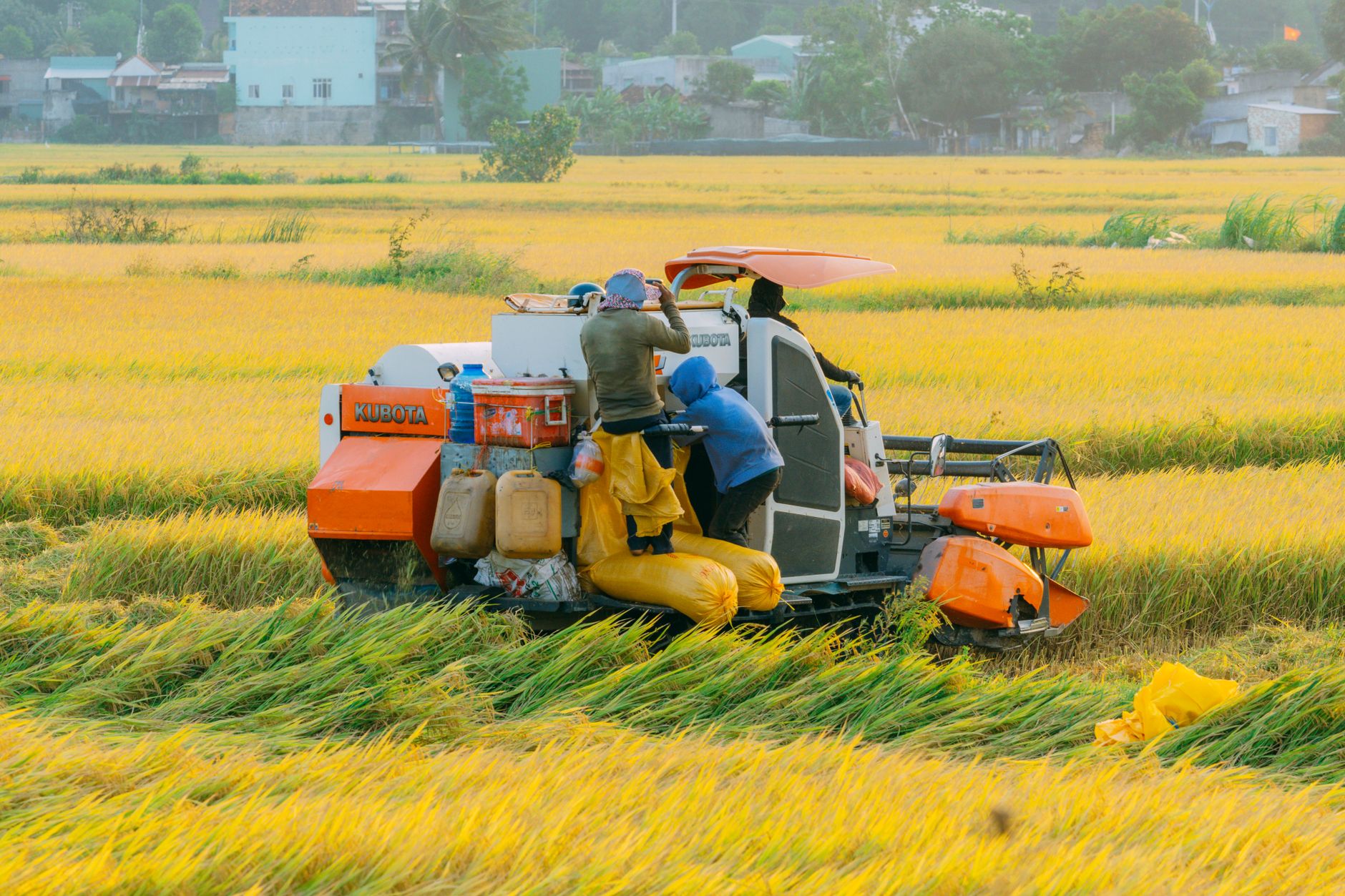
Rain doesn't cancel farm days. We pivot: if irrigation or flood risks are the focus, rain makes it more dramatic. If you came to harvest delicate herbs, we move indoors to kitchen tasks—washing, chopping, preserving. We have shade structures and covered work areas; we ask you to bring waterproofs and closed shoes. Mud is normal; wear clothes you'll throw in a laundry basket. Very hot days (April, September) mean we start before 7 a.m., break for a long lunch in shade (sometimes at the farmer's house), and resume after 3 p.m. if energy allows. Kids often prefer the early-morning "cool" shift. Seniors can opt for morning-only. We don't push anyone into heatstroke—if you're struggling, we stop, you sit, you drink water. Honestly: if you hate dirt under your nails or sweat, a farm day isn't the session for you. But if you're willing to be uncomfortable, the memory is unforgettable.
How do you compare a farm experience to cooking, coffee, or a group workshop day?
This comparison table helps:
| Experience | What You Do | Physical Demand | Group Size | Suit Best For |
|---|---|---|---|---|
| Farm day | Grow, harvest, prep food | High (standing, digging) | 2–8 | Families, learners, muscle work |
| Cooking class | Chop, fry, plate Vietnamese dishes | Medium (standing, hand-focused) | 2–8 | Food lovers, skill-building, all ages |
| Coffee workshop | Roast, grind, brew, taste | Low–medium (seated mostly) | 2–8 | Coffee enthusiasts, skill, comfort |
| Flower arranging | Design, cut, arrange bouquets | Low (seated, hands) | 2–8 | Calm learners, gift-makers, any age |
| Group experiences | Varies (mixed activities) | Varies | 8+ | Teams, bonding, flexibility |
Farm days are the only one where you're outdoors, dirty, and eating literally what you made. Cooking classes are indoors, skill-focused, and produce a finished dish you eat. Coffee workshops are static and taste-led. Flower arranging is meditative. Choose based on your group's energy, weather tolerance, and whether you want to leave sweaty or calm.
What checklist should I run through before booking a Phu Quoc farm experience?
Use this before you commit:
- Fitness & mobility: Can everyone walk on uneven ground, stand for 2+ hours, and crouch or bend? Ask us to flag easier farms if needed.
- Weather tolerance: Are you okay getting dirty, muddy, or rained on? October–April is drier; accept mud any season.
- Diet & allergies: Tell us all restrictions now, including shellfish-adjacent ingredients the farmer might use in lunch.
- Group size & energy: Confirm how many people, their ages, and how much you want to talk vs. work quietly.
- Transport: Will you arrange your own way, or do you need pickup from your hotel? Phu Quoc is spread out; clarify when booking.
- Time commitment: Half-day (3–4 hours) or full day (6–7 hours)? Some farms don't run half-days in wet season.
- Photos & permissions: Do you want to photograph the farmer or their family? Always ask first; some prefer privacy.
- Cost and group rate: Ask for a quote based on your group size. Smaller groups (2–3) usually cost more per person than groups of 5+.
Once you've checked these, reach out on WhatsApp with your details. We'll match you to a farm that fits and confirm dates within a week.
What to check before you book
Allergies & dietary needs? Tell us now. We can adapt, but early notice is essential—a farm kitchen on a remote property can't improvise complex restrictions on the day.
Weather comfort? Phu Quoc farm work is outdoor work. Rain, mud, and heat are real. If you're uncertain, book an April or October date (drier) rather than June (very wet) or September (very hot).
Mobility & age? We adapt tasks. Kids love picking; seniors excel at sorting and prep. But uneven ground and long standing aren't for everyone. Be honest.
Transport? Confirm whether you're arranging your own way or need help from us. Hotel pickups in Phu Quoc can add time.
Group size surprise? Smaller groups (2–3 people) cost more per person than groups of 6+. Ask for a quote; don't assume.

FAQ
How long is a typical farm experience in Phu Quoc?
Half-day sessions run 3–4 hours (usually morning, 6 a.m.–10 a.m., or afternoon 2 p.m.–6 p.m.). Full days run 6–7 hours with a long lunch break. Ask us which fits your schedule when you request dates.
Do I need farming experience or special clothing?
No experience needed. Wear closed shoes, long pants or capris (sun and thorns), and a hat. Bring a change of shirt. Waterproof jacket if it's May–September. We provide tools and guidance.
What if I'm vegetarian or have a shellfish allergy?
Vegetarian sessions focus on crop work and plant-based cooking. Shellfish allergy is noted; lunch usually includes dried shrimp in sauces—we keep it separate or avoid it. Tell us at booking so we brief the farmer.
Can I bring young kids (under 5)?
Yes, but farms are unstructured. Kids under 5 need constant supervision and may not stay engaged for 3+ hours. We suggest age 6+, but younger siblings are welcome if a parent watches closely. Ask about kid-focused tasks when you book.
Will I take home produce or get a souvenir?
You eat what you harvest that day. Some farms send a small bag home; others don't. We don't ship produce. Most people leave with photos, notes, and a farmer's contact for future crops. Ask what the farm typically offers when booking.
What if it rains or gets very hot?
Rain doesn't cancel. We shift to indoor kitchen work or focus on water management (watching rain/irrigation). Very hot days mean early morning and long lunch breaks. Bring rain gear year-round; we have shade structures. If you're struggling with heat, we pause and you rest.
Ask about dates
Tell us the city, your dates and what you would like to try. We reply on WhatsApp in English with options and availability.
FAQ
How long is a typical farm experience in Phu Quoc?
Half-day sessions run 3–4 hours (usually morning, 6 a.m.–10 a.m., or afternoon 2 p.m.–6 p.m.). Full days run 6–7 hours with a long lunch break. Ask us which fits your schedule when you request dates.
Do I need farming experience or special clothing?
No experience needed. Wear closed shoes, long pants or capris (sun and thorns), and a hat. Bring a change of shirt. Waterproof jacket if it's May–September. We provide tools and guidance.
What if I'm vegetarian or have a shellfish allergy?
Vegetarian sessions focus on crop work and plant-based cooking. Shellfish allergy is noted; lunch usually includes dried shrimp in sauces—we keep it separate or avoid it. Tell us at booking so we brief the farmer.
Can I bring young kids (under 5)?
Yes, but farms are unstructured. Kids under 5 need constant supervision and may not stay engaged for 3+ hours. We suggest age 6+, but younger siblings are welcome if a parent watches closely. Ask about kid-focused tasks when you book.
Will I take home produce or get a souvenir?
You eat what you harvest that day. Some farms send a small bag home; others don't. We don't ship produce. Most people leave with photos, notes, and a farmer's contact for future crops. Ask what the farm typically offers when booking.
What if it rains or gets very hot?
Rain doesn't cancel. We shift to indoor kitchen work or focus on water management (watching rain/irrigation). Very hot days mean early morning and long lunch breaks. Bring rain gear year-round; we have shade structures. If you're struggling with heat, we pause and you rest.
More like this
Farm and countryside days
Fishing Experience Vietnam for Japanese Travelers: Where to Go & What to Expect
Vietnam's waterways offer Japanese travelers a chance to learn traditional fishing methods directly from locals. Cáo Experiences runs half- and full-day sessions on rivers, lakes and the Mekong Delta where you cast nets, set traps, and cook your catch.
Farm and countryside days
Fishing Experience Vietnam for Foreigners: Hands-On Guide
Fishing in Vietnam isn't a spectator sport—you'll wade into rivers, cast nets, trap fish in baskets, and cook your catch for lunch. We run small-group and private fishing days in the countryside outside Hanoi, Ha Noi region, and the Mekong Delta.
Farm and countryside days
Fishing Experience in Vietnam: 8 Questions to Ask Before You Go
Fishing in Vietnam means wading through rice paddies, learning trap techniques, or casting in rivers with local guides. Here's what to ask before you book.