
Home › Blog › Farm and countryside days
Farm Experience in Saigon for Foreigners: What to Book
By the Cáo Experiences team · 2026-11-06
A farm experience in Saigon means a half- or full-day visit to a family farm or orchard in the countryside just outside the city, where you harvest vegetables, fruits or herbs, learn about local growing methods, and often cook or eat a meal with what you've gathered. Cáo Experiences runs these as small groups or private bookings in family kitchens, farm homestays and working orchards—no tourist resort setups. Sessions run 4–8 hours depending on what you choose. Cost and exact location depend on your group size and preferences; ask us for dates and a quote on WhatsApp. What to avoid: signing up for a trip that doesn't include hands-on work or a meal—you want to actually harvest and eat, not just look.
What's actually included in a Saigon farm day?
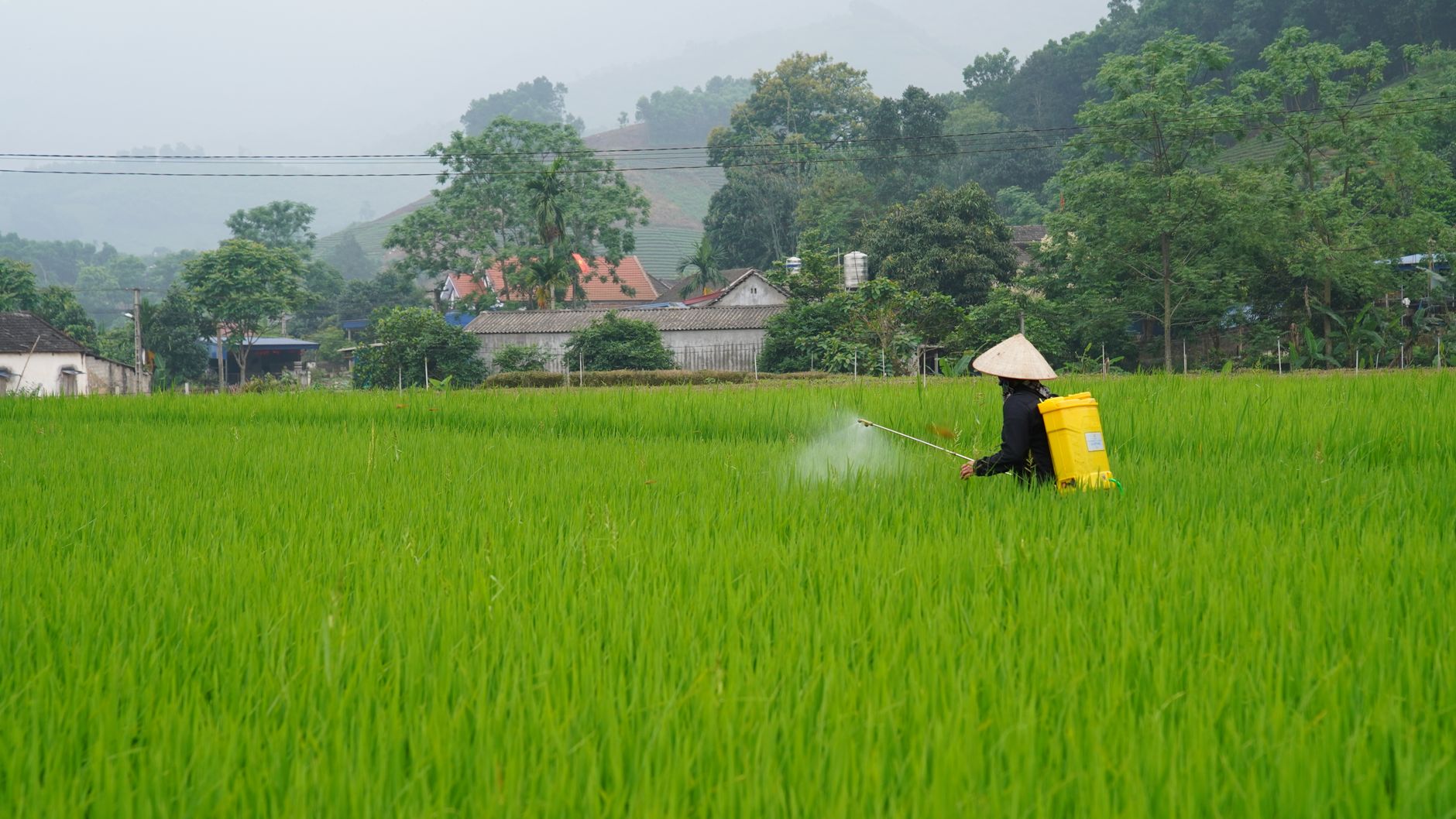
Most mornings start early—6–7 a.m.—when we meet at a pickup point in the city or drive straight to the farm. You spend 2–3 hours harvesting: cutting herbs, picking cucumbers, digging sweet potato or pulling leafy greens depending on the season. Your hands get dirty. Then you return to a family kitchen in a farmhouse or simple homestay, wash up, and cook lunch with what you picked—usually with a host family member guiding you. We focus on dishes that use your harvest: stir-fried morning glory, herb salads, vegetable soups. Lunch takes 1–2 hours. Afternoons vary: some guests visit a fish trap or duck pen, others rest, explore the farm, or sit with the family over tea. Full days end mid-afternoon; half-days are morning harvest only. There's no gift shop or "experience fee" on top—what you pay covers the farm visit, cooking lesson, meal, and transport from central Saigon.
Who chooses a farm day, and is it right for you?
Couples often book private sessions for a slower morning and more one-on-one time with the host family. Solo travelers and small groups (3–6 people) join scheduled departures; you'll cook and eat together but with strangers who usually become friends by lunch. Families with kids aged 5+ enjoy picking vegetables and the hands-on kitchen work, though we adapt tasks—kids might pluck herb leaves instead of digging root crops. Seniors are welcome if you're comfortable with an early start and standing in the garden for 1–2 hours; we always provide a stool and skip physically tough jobs. Food allergies or dislikes (nuts, seafood, spice) are easy to handle because you're cooking it yourself or directing the host. Vegan or vegetarian guests are the norm—farms grow mostly vegetables anyway. Avoid this experience if you want air-conditioned comfort, a structured tour with a microphone, or a guarantee of particular vegetables (seasons change; a rainy week kills lettuce but brings great mushrooms).
How do farm days compare to cooking classes and other farm-based experiences?
| Experience type | What you do | Duration | Who it suits | When to book |
|---|---|---|---|---|
| Farm harvest + cook | Pick vegetables, cook lunch in farmhouse kitchen | 5–8 hours | Hands-on learners, slow travelers, families | 2–4 weeks ahead |
| Cooking class alone | Learn 3–4 dishes in a Saigon kitchen from a chef | 3–4 hours | Foodies on tight schedule, skill-focused | 1 week ahead |
| Farm day + no cooking | Visit a farm, see crops, eat a prepared meal | 4–5 hours | Mobility issues, very early schedules, photo-focused | 2–3 weeks ahead |
| Group farm experience (6+ people) | Team harvest, bonding over shared meal | 6–8 hours | Companies, friend groups wanting a team day | 4–6 weeks ahead |
A standalone cooking class teaches you techniques and recipes; a farm day teaches you where food comes from and why seasonal eating matters. Many guests do both—cook with a chef in the city on one day, then visit a farm the next to see how the farmers grow what you cooked. If you only have 3–4 hours, a cooking class fits better; if you have a full morning and want soil under your fingernails, come to the farm.
What do I actually wear and bring to a farm?
Wear loose, long trousers or a skirt (protects from sun and dirt) and closed-toe shoes—not sandals—because you'll be walking uneven rows and there are small stones. Bring a wide-brimmed hat or cap, sunscreen, and water; we provide more water at the farm. A small backpack for personal items is fine. Leave valuables in your hotel. Bring a phone if you want photos, but let the picking and cooking be the focus—it's easy to spend an hour framing a shot instead of actually harvesting. In the kitchen, wear an apron (we have spares) or old clothes you don't mind getting splashed. Weather matters: farm mornings can feel cold and damp in November–December, so a light jacket helps. Rain is rare but possible; if it's heavy overnight, the farm paths get muddy—not impossible, but your shoes will need cleaning. We'll reschedule if conditions are unsafe; if you're worried about mud, tell us when you book and we'll choose a farm with better drainage or suggest a cooking class inside instead.

What's the honest breakdown: what works, what doesn't, and how do we adapt?
What works: Harvesting seasonal crops that are visibly growing—herbs, leafy greens, squash, eggplant. Families with young children (5–8) who want to pick and help cook. Groups of friends wanting a shared meal and a story to tell. Early risers. People who want to slow down and observe a family's routine.
What doesn't work as well: Expecting a wide variety of crops in a short morning (a harvest focuses on 2–3 vegetables). Wanting to see exotic produce (farms grow what locals eat: morning glory, bitter melon, basil, beans). Very strict schedules (farm rhythms aren't precise; if harvest takes longer, lunch starts later). People uncomfortable with basic facilities—outhouses instead of flush toilets, washing from a bucket.
How we adapt:
- Kids under 5: We suggest a family farm experience where younger children help with lighter tasks, like shelling beans or arranging herbs, while a caregiver supervises; no obligation to stay the full morning.
- Mobility or fatigue: We find farms with shorter rows and provide a stool or chair in the garden; you participate at your pace.
- Dietary needs: Mention allergies or preferences when you book. The host can adapt the meal—if you dislike bitter melon, we'll replace it with another green vegetable you pick.
- Rain: If the forecast shows heavy rain, we suggest rescheduling or pivoting to an indoor craft workshop or cooking class in the city that same day. Light rain doesn't stop the harvest; mud adds character.
Saigon farm experiences vs. other farm trips in Vietnam—where should you go?
If you're in Saigon or Ho Chi Minh City, a farm day in the Mekong plains or nearby fruit orchards takes 1–2 hours to reach and feels rural without being remote. Saigon-based farms are accessible, affordable, and let you see how the city's food is grown 15–30 km away. If you're in Da Lat—the highland farm town—you'd visit vegetable terraces at altitude, cooler weather, and a different crop mix (strawberries, tomatoes, flowers). If you're in Hanoi, northern farms grow rice in season or have tea plantations. If you're in Hoi An or Da Nang, you can combine a farm visit with a cooking class or lantern-making workshop. Choose Saigon farms if you're based near the city for a few days, want ease of access, and prefer tropical vegetables. Choose highland farms (Da Lat) if you're doing a multiday rural trip and want cooler climate and different crops. Combine farms with other experiences—a farm day plus a coffee workshop in a rural area, or a farm visit plus a street food tour in the city the next morning.
What to check before you book a farm day
- Confirm the date and start time. Farms operate by daylight; if you're not a morning person, tell us and we'll find a later departure option if possible.
- Declare dietary needs and allergies in writing. Rice allergy, nut allergy, vegetarian—write it down when you ask for a quote.
- Ask what crops are in season right now. If you have your heart set on strawberries and it's July, the farm grows melons instead. Flexibility keeps you happy.
- Check transport details. Do we pick you up from your hotel, or do you meet us at a central point? How long is the drive?
- Ask about group size. Private farm days (2–4 people) feel more intimate; scheduled groups (5–8) are livelier and cheaper per person.
- Confirm what the cooking includes. Is lunch a full meal you cook together, or a simple snack? Do you take leftovers home?
- Check rain policy. If the farm is flooded, can you reschedule within 30 days, or do you lose your payment? Understand the terms upfront.

FAQ
Is a farm experience suitable for vegetarians or vegans?
Yes—farms grow mostly vegetables, herbs, and fruits. Almost every meal is plant-based. Tell us your preferences when you book, and we'll ensure the host prepares or adapts dishes accordingly.
How early do we start, and can I do an afternoon farm visit instead?
Most sessions start 6–7 a.m. to catch the cool morning and the best harvest time. Afternoon visits are rare because light fades and vegetables are picked in the morning; we can discuss alternatives like a morning cooking class with afternoon farm produce shopping.
Will I get dirty, and is there a place to wash up?
Yes, you'll have soil on your hands and clothes. Every farm has a washing area—tap, bucket, or outdoor shower—where you clean up before cooking. Bring clothes you don't mind staining.
What if I'm not fit enough to spend hours harvesting?
We adapt. Tell us about mobility or fatigue when you book. You might pick for 45 minutes instead of two hours, rest in the shade, or help with lighter tasks like bundling herbs or shelling beans from a chair. The wellness focus is on presence and rhythm, not exertion.
Can I book a private farm day just for my family?
Yes. Private bookings are available; the cost changes with group size. Small groups (2–4 people) often find private days more intimate. Ask us for dates and a quote on WhatsApp.
How does a farm day connect to other experiences you offer?
Many guests combine it with a Vietnamese cooking class in the city (learn technique, then see the source), a group farm experience if you're with a team, or a tea experience in a countryside setting. Visit our farm page to explore how different activities fit together.
What's the difference between a farm day and agritourism at a resort?
A farm day is hands-on, unscripted, and in a working family space—you harvest what the family actually grows and eats. Resort agritourism is staged, designed for visitors, and feels like a theme park. We work with real farms, real families, real crops.
Ask about dates
Tell us the city, your dates and what you would like to try. We reply on WhatsApp in English with options and availability.
FAQ
Is a farm experience suitable for vegetarians or vegans?
Yes—farms grow mostly vegetables, herbs, and fruits. Almost every meal is plant-based. Tell us your preferences when you book, and we'll ensure the host prepares or adapts dishes accordingly.
How early do we start, and can I do an afternoon farm visit instead?
Most sessions start 6–7 a.m. to catch the cool morning and the best harvest time. Afternoon visits are rare because light fades and vegetables are picked in the morning; we can discuss alternatives like a morning [cooking class](/cooking-class) with afternoon farm produce shopping.
Will I get dirty, and is there a place to wash up?
Yes, you'll have soil on your hands and clothes. Every farm has a washing area—tap, bucket, or outdoor shower—where you clean up before cooking. Bring clothes you don't mind staining.
What if I'm not fit enough to spend hours harvesting?
We adapt. Tell us about mobility or fatigue when you book. You might pick for 45 minutes instead of two hours, rest in the shade, or help with lighter tasks like bundling herbs or shelling beans from a chair. The [wellness](/wellness) focus is on presence and rhythm, not exertion.
Can I book a private farm day just for my family?
Yes. Private bookings are available; the cost changes with group size. Small groups (2–4 people) often find private days more intimate. Ask us for dates and a quote on WhatsApp.
How does a farm day connect to other experiences you offer?
Many guests combine it with a [Vietnamese cooking class](/cooking-class) in the city (learn technique, then see the source), a [group farm experience](/group-and-corporate) if you're with a team, or a [tea experience](/tea-experience) in a countryside setting. [Visit our farm page](/farm-experience) to explore how different activities fit together.
What's the difference between a farm day and agritourism at a resort?
A farm day is hands-on, unscripted, and in a working family space—you harvest what the family actually grows and eats. Resort agritourism is staged, designed for visitors, and feels like a theme park. We work with real farms, real families, real crops.
More like this
Farm and countryside days
Fishing Experience Vietnam for Japanese Travelers: Where to Go & What to Expect
Vietnam's waterways offer Japanese travelers a chance to learn traditional fishing methods directly from locals. Cáo Experiences runs half- and full-day sessions on rivers, lakes and the Mekong Delta where you cast nets, set traps, and cook your catch.
Farm and countryside days
Fishing Experience Vietnam for Foreigners: Hands-On Guide
Fishing in Vietnam isn't a spectator sport—you'll wade into rivers, cast nets, trap fish in baskets, and cook your catch for lunch. We run small-group and private fishing days in the countryside outside Hanoi, Ha Noi region, and the Mekong Delta.
Farm and countryside days
Fishing Experience in Vietnam: 8 Questions to Ask Before You Go
Fishing in Vietnam means wading through rice paddies, learning trap techniques, or casting in rivers with local guides. Here's what to ask before you book.