
Home › Blog › Farm and countryside days
Farm Experience in Saigon: What to Expect and How to Choose
By the Cáo Experiences team · 2026-11-06
A farm experience with Cáo Experiences means spending half or full day at a working family farm in the countryside 45–90 minutes outside central Saigon. You arrive mid-morning, meet the farmers, roll up your sleeves, and do real work—planting seedlings, harvesting leafy greens or root vegetables depending on season, learning about soil, water, and seasonal crops. There's hands-on animal time (feeding chickens, goats, ducks). Mid-session we pause for a lunch cooked in a farm kitchen, often using what you picked. By afternoon (if full-day) or by noon (half-day), you head back to the city. It suits families with kids 5+, seniors who can stand for 2–3 hours, couples seeking a slower day, and groups wanting a shared project. No farming experience needed—we teach as we go. Cost varies by group size and duration; ask us for dates and a quote on WhatsApp. Ask about dates on WhatsApp
What actually happens hour by hour on a farm day?
We pick you up from your hotel or meet you at a landmark around 8 a.m. or 9 a.m.—drives vary based on traffic and distance, but most guests see real countryside within 45 minutes. You arrive at a family-run farm: open fields, low sheds, maybe a pond, definitely dogs and chickens wandering around. The farmers greet you in simple English or through WhatsApp translation if needed. You change into provided rubber boots (we carry sizes S–XL; bring socks you don't mind getting muddy). First hour is orientation: walk the property, learn what's growing now, understand the crop calendar, and hear the family's story. Then hands-on work begins—you're given specific tasks: pulling weeds, watering seedlings in a nursery bed, planting new greens into soil, or harvesting ripe vegetables into baskets. There's real work here; it's not decorative. Around noon or 1 p.m., you wash up at an outdoor tap (we bring towels) and eat lunch in the farm kitchen or a covered shelter—rice, vegetables, perhaps a soup or curry made partly from what you picked. On full-day sessions (through 4–5 p.m.), afternoon includes animal care, a rest period in shade, and maybe a walk to see a neighbor's fish ponds or fruit trees. You return to the city by early evening.

Half-day or full-day—which suits your trip?
Half-day (3–4 hours, morning) leaves you with afternoon free for a market visit, café, or rest. Best for travelers short on time, young kids who tire easily, or seniors managing energy. You get the core farm work and lunch but skip the slower pace and animal focus of full-day. Many couples and solo travelers pick this to combine with another street food and market tour or café visit. Full-day (6–7 hours, morning through late afternoon) immerses you in the rhythm—more animal time, more crops, more conversation with farmers, a slower lunch, quieter afternoon in nature. Families with kids 6+ and groups often prefer full-day; you leave feeling like you've genuinely worked and rested. There's time to ask deeper questions, photograph more moments, and let children play safely while you talk to the farm family. Both include lunch and all tools; wear clothes that can get dirty. Ask us for dates and a quote on WhatsApp to compare timing and group size rates.
What if you're a beginner—or you're 70 and worried about physical strain?
We work with kids as young as 4–5 if a parent stays close and helps; tasks are adapted to height and ability. A five-year-old might place seedlings in soil (fun, no strength needed); a teenager might help dig or harvest faster crops. For seniors or guests with mobility concerns, we assign lighter work—sitting tasks like sorting vegetables, feeding animals, or observing and asking questions while you sit in shade. The farm has uneven ground and some standing time; if you use a cane or have knee issues, tell us at booking and we'll scout tasks and maybe bring a chair. No prior farming knowledge is needed—farmers teach as they go, showing the right way to harvest lettuce (don't rip the roots) or how to feel soil texture. Pregnant guests often find the day manageable but should confirm details about water access, rest spots, and task load before arriving. Rain is rare in Saigon's dry season but happens; we bring an umbrella and continue light work or shift to farm-kitchen activities and animal care under cover. If heavy rain, we reschedule.
How does a farm day compare to other countryside options?
| Experience type | Focus | Duration | Best for | Physical demand |
|---|---|---|---|---|
| Farm day (Cáo) | Hands-on crop work, animals, lunch | Half or full day | Families, learning-focused guests | Moderate: standing, bending, lifting light loads |
| Countryside picnic ride (Cáo horse riding) | Horseback riding through rural villages | 2–3 hours | Confident riders, couples, photo lovers | High: balance and leg strength on horseback |
| Agricultural tour (observation only) | Guided walk, questions, photo stops | 2–3 hours | Seniors, mobility-limited, photographers | Low: mostly standing and walking |
| Farm stay (multi-day) | Sleep on farm, eat with family, daily work | 2+ nights | Deep immersion, culture seekers | Varies; often moderate |
Most travelers picking "farm experience in Saigon" want hands-on work and a sense of contribution—that's why a half or full day with us works; you leave with soil under your nails and a real story. If you want more riding, our horse riding experience in rural areas offers a different rhythm. If you're mobility-limited or short on time, a guided street food and market tour in the city gives you food knowledge without the physical farm work.
Rain, bugs, toilets, water—what's really there?
The farm has basic facilities. Toilets are squat-style (Western-style at a few farms); we let you know the type before booking. There's an outdoor tap for washing hands and boots; running water exists but is not heated. Bugs are normal—mosquitoes in evening, flies around animals and compost. Bring insect repellent; we can't supply it but do remind you to apply before arriving. The farm has drinking water; we bring bottled water too. Shade trees and a covered eating area exist but aren't air-conditioned. Sun is strong; bring a hat, long sleeves optional (long pants, closed shoes recommended). The path between fields is dirt; mud happens even in the dry season if we water. Toilets are sometimes a 2-minute walk from the main work area—ask about location and frequency on WhatsApp if you have specific concerns. If you need a private bathroom facility, tell us at booking; a few farms nearby have them, or we can find a different property. Weather is usually dry November–April; we reschedule if a serious storm is forecast.
What should you pack and wear?
Wear long pants (dark colors hide mud), closed shoes, and a long-sleeved shirt if sun-sensitive or bug-conscious. Some guests wear a t-shirt only; sun feels strong by 11 a.m. Bring a hat and sunscreen. We provide rubber boots (sizes S–XL, tell us your size on WhatsApp); wear socks (bring your own, preferably not your best ones). Bring a small towel or hand cloth (we have communal ones but yours feels better). A light bag for your phone, camera, and valuables is fine; leave wheeled luggage at the hotel. We provide hand soap and water at the farm for washing before lunch; bring wet wipes if you prefer. Lunch is included; if you have allergies or dietary restrictions (vegetarian, nut allergy, etc.), tell us now so the farm family can adjust the menu. Wear clothes you don't mind staining permanently—farm work results in marks that may not wash out completely. A light rain jacket is good insurance November–May. Most farms are 45–90 minutes by car from central Saigon; if you get motion sickness, take a tablet before pickup.
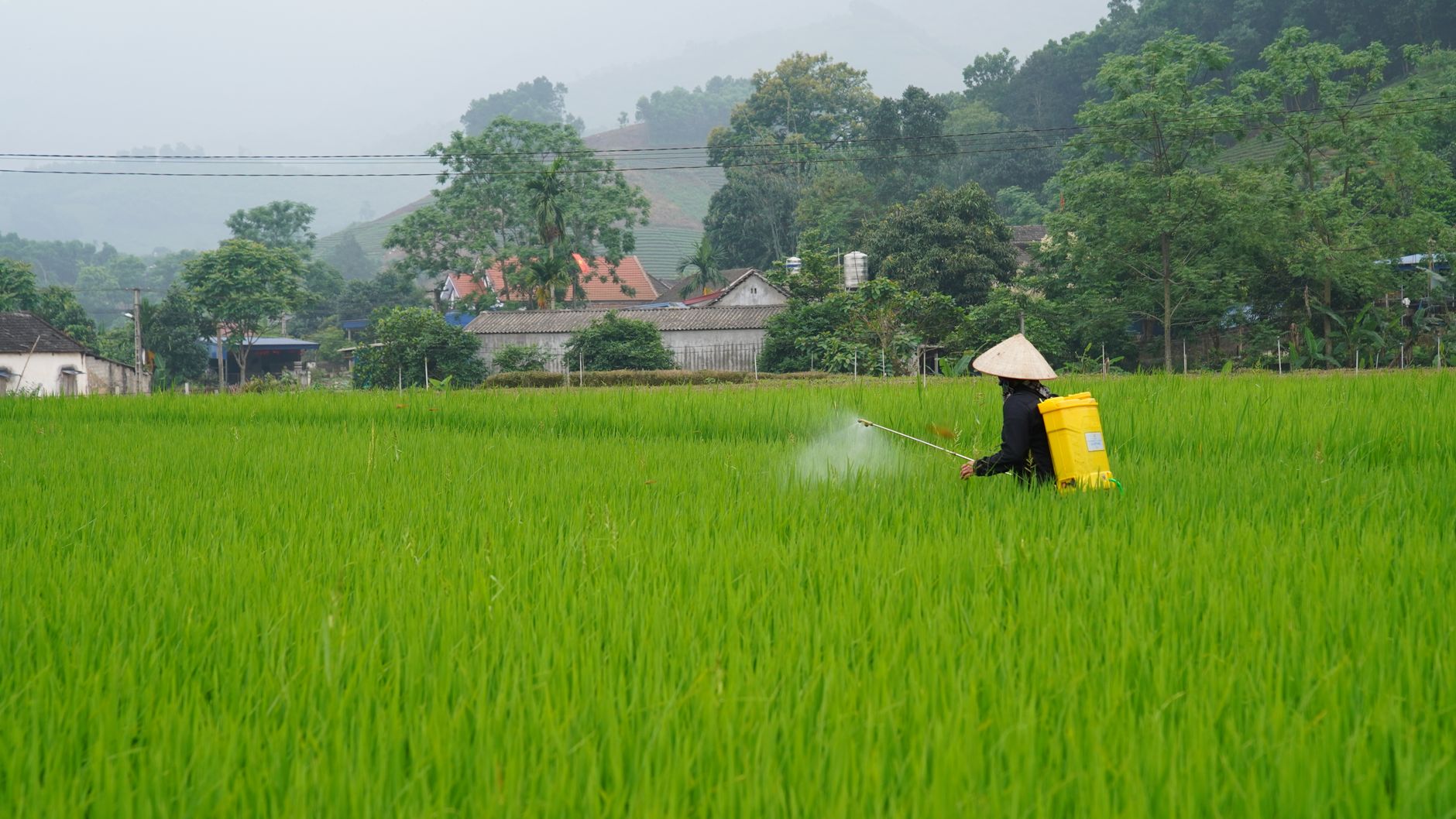
What can you actually harvest or plant depending on the season?
November–January (cool season): Lettuce, spinach, Chinese broccoli, bok choy, cabbage, radishes, carrots. Planting is the main activity; you'll set seedlings into beds. February–April (transition): Some cool-season crops still available; spring vegetables and herbs begin. Mix of harvest and planting. May–September (rainy season): Hard to reach some farms due to flooding, but wet conditions suit root crops, sweet potato, taro, and water spinach. Fewer tourists; very muddy. Year-round: Herbs (basil, mint, coriander), chili, eggplant, and fast-growing greens. Animal care (feeding, egg collection) happens any season. We check what's ready when you book and promise hands-on work relevant to that month. If you arrive in rainy season expecting to harvest tomatoes, we manage expectations—you'll harvest what the farm has now, or reschedule for a season with your preferred crop.
Should you combine a farm day with other Saigon experiences?
Many guests pair a morning farm day with an afternoon activity. A half-day farm session (finishing by noon) leaves time for lunch in the city and a Vietnamese coffee workshop or flower arranging workshop in the late afternoon. Full-day farms mean you're back by 5–6 p.m., tired but hungry to see more. Some families do a farm morning, rest at the hotel, then join an evening street food and market tour or simply dine at a neighborhood restaurant. If you're staying 3+ days in Saigon and want to explore, consider a farm day as your "countryside anchor" and add city-based experiences in Saigon on other days. We can advise on timing when you contact us—let us know your other interests and we'll build a sensible itinerary.
What to check before you book
- Mobility and fitness: Can you stand and bend for 2–3 hours? Do you need a cane or regular rest? Tell us; we'll match you with a suitable farm and lighter tasks.
- Allergies and diet: Vegetarian, peanut allergy, shellfish intolerance? Confirm now so the farm kitchen can adjust lunch.
- Group size: Are you solo, a couple, a family of four, or a group of ten? Pricing and farm selection change with group size.
- Season and crop preference: Do you want a specific vegetable or animal experience? Check what's in season when you're visiting.
- Rain tolerance: A light drizzle doesn't stop us; heavy rain does. Are you okay rescheduling or trying a farm-kitchen activity instead?
- Pickup location: Confirm your hotel address or meeting point in WhatsApp so we time the pickup correctly.
- Photos and souvenirs: Some farms sell produce cheaply; you can take home what you harvested (in a small bag). Confirm if you want to buy.
- Pace and language: Do you prefer a slower, more conversational session, or a task-focused morning? Let us know so we match the right farm and guide.
See how a session runs
Why farm days matter—and what you'll actually remember
A farm day strips away the city noise. You spend a morning doing simple, necessary work alongside people who do it daily. Kids learn where food comes from (not abstract; they feel the dirt). Couples and friends fall into the rhythm of shared tasks and conversation. Seniors find slow pace and purpose. By lunch, built from what you picked an hour ago, the whole morning makes sense. You're tired, sun-warmed, muddy, and oddly peaceful. That's hard to fake or find in hotels or restaurants. The farm family often shares tea in the afternoon, asks where you're from, and gives you a small bag of vegetables to take home. You leave knowing exactly how carrots grow and why the farmer values rain. That sticks with you longer than a tour or a meal.
Ready to book your farm day?
A farm experience in Saigon is real work, real food, and real countryside—no pretense. We run half and full-day sessions year-round, adapting to season, group size, mobility, and diet. Ask us on WhatsApp for available dates, your group details, and a quote. First-time farms? You'll fit right in.

FAQ
What age can children join a farm day?
Kids 4+ can join with a parent nearby. Under 8, expect them to help with lighter tasks (placing seedlings, feeding chickens). Over 8, they can do most farm work. Confirm your child's comfort with dirt and animals when you book.
Do I need to speak Vietnamese?
No. We coordinate in English via WhatsApp and arrange a guide or translation if needed. Farmers communicate through gestures, demonstration, and simple English—you'll understand quickly.
What if I'm vegetarian or have food allergies?
Tell us at booking. The farm kitchen adapts lunch—vegetarian meals are easy, nut or shellfish allergies are manageable. We confirm the final menu a day before your session.
Can I bring my own food or eat elsewhere?
Lunch is included and cooked on the farm. We don't recommend eating elsewhere; part of the experience is eating what you harvested. If you have severe dietary needs we can't meet, let us know and we'll explore alternatives.
How much will I actually harvest or plant?
On a half-day, you'll fill a basket or two and plant or tend maybe 20–50 seedlings, depending on task. On a full-day, more volume. You're doing real work, not a token activity. Exact amounts depend on the season and farm.
What if it rains?
Light rain doesn't stop us; we continue or shift to lighter farm-kitchen tasks. Heavy rain means we reschedule. Confirm the weather forecast with us the night before so we plan accordingly.
Can I buy vegetables or other farm produce to take home?
Yes. Most farms sell fresh vegetables at low prices. Your harvested food (a bag or basket) is often yours to take. Ask about this when you book and bring a small bag if you plan to shop.
Is the farm accessible for people with mobility issues?
It depends on the specific farm—some have flatter terrain and shorter distances; others are hillier. Tell us your mobility needs and we'll find a suitable farm and assign lighter, seated tasks if needed.
Ask about dates
Tell us the city, your dates and what you would like to try. We reply on WhatsApp in English with options and availability.
FAQ
What age can children join a farm day?
Kids 4+ can join with a parent nearby. Under 8, expect them to help with lighter tasks (placing seedlings, feeding chickens). Over 8, they can do most farm work. Confirm your child's comfort with dirt and animals when you book.
Do I need to speak Vietnamese?
No. We coordinate in English via WhatsApp and arrange a guide or translation if needed. Farmers communicate through gestures, demonstration, and simple English—you'll understand quickly.
What if I'm vegetarian or have food allergies?
Tell us at booking. The farm kitchen adapts lunch—vegetarian meals are easy, nut or shellfish allergies are manageable. We confirm the final menu a day before your session.
Can I bring my own food or eat elsewhere?
Lunch is included and cooked on the farm. We don't recommend eating elsewhere; part of the experience is eating what you harvested. If you have severe dietary needs we can't meet, let us know and we'll explore alternatives.
How much will I actually harvest or plant?
On a half-day, you'll fill a basket or two and plant or tend maybe 20–50 seedlings, depending on task. On a full-day, more volume. You're doing real work, not a token activity. Exact amounts depend on the season and farm.
What if it rains?
Light rain doesn't stop us; we continue or shift to lighter farm-kitchen tasks. Heavy rain means we reschedule. Confirm the weather forecast with us the night before so we plan accordingly.
Can I buy vegetables or other farm produce to take home?
Yes. Most farms sell fresh vegetables at low prices. Your harvested food (a bag or basket) is often yours to take. Ask about this when you book and bring a small bag if you plan to shop.
Is the farm accessible for people with mobility issues?
It depends on the specific farm—some have flatter terrain and shorter distances; others are hillier. Tell us your mobility needs and we'll find a suitable farm and assign lighter, seated tasks if needed.
More like this
Farm and countryside days
Fishing Experience Vietnam for Japanese Travelers: Where to Go & What to Expect
Vietnam's waterways offer Japanese travelers a chance to learn traditional fishing methods directly from locals. Cáo Experiences runs half- and full-day sessions on rivers, lakes and the Mekong Delta where you cast nets, set traps, and cook your catch.
Farm and countryside days
Fishing Experience Vietnam for Foreigners: Hands-On Guide
Fishing in Vietnam isn't a spectator sport—you'll wade into rivers, cast nets, trap fish in baskets, and cook your catch for lunch. We run small-group and private fishing days in the countryside outside Hanoi, Ha Noi region, and the Mekong Delta.
Farm and countryside days
Fishing Experience in Vietnam: 8 Questions to Ask Before You Go
Fishing in Vietnam means wading through rice paddies, learning trap techniques, or casting in rivers with local guides. Here's what to ask before you book.