
Home › Blog › Farm and countryside days
Farm experience in Saigon: what to expect from a day visit
By the Cáo Experiences team · 2026-11-06
A farm experience near Saigon puts you in the fields with local growers for a morning or half-day of hands-on work. You arrive early morning, meet the farmer, help pick or plant crops, learn about local soil and water practices, and usually harvest vegetables to take home. Cáo Experiences hosts these as small groups (typically 4–8 people) or private sessions, with English-speaking guides who explain daily routines and answer farming questions. Most days include water—bring a hat and closed shoes. No experience needed; we adapt for families with kids, slower paces for seniors, and often a light breakfast or fresh juice at the farm. Ask us for dates and a quote on WhatsApp to check availability and what grows that season.
What is a typical farm morning in the Saigon countryside?
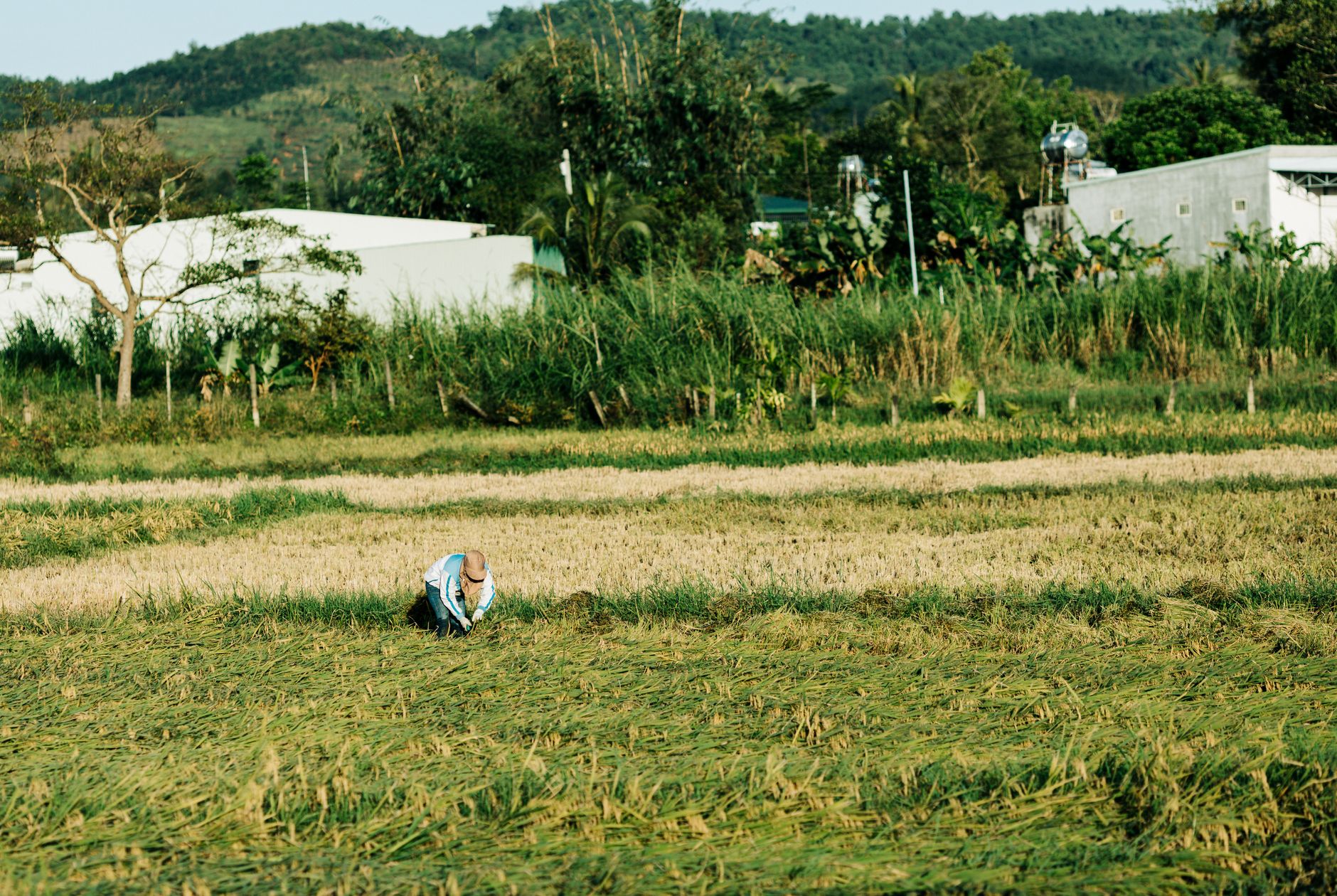
You'll be picked up early (usually 6–7 a.m.) and driven 30–40 minutes to a family-run farm in the pine and red-soil belt south or southwest of the city. On arrival, you meet the farmer or their adult child—someone who works the land daily. They show you the layout: plots of morning glory, herbs, lettuce, melons, or flowers depending on season. You walk the fields, touch soil, hear about water sources (rainwater, wells, or channels). By 7:30 a.m., you're harvesting alongside them—cutting, picking, or digging. The work is gentle and repetitive, designed for learning, not speed. Guides translate questions about yields, pests, market timing, or why certain crops grow next to each other. By late morning (10–11 a.m.), you sit with fresh juice or coffee, rest, and prepare to leave with your harvest in a bag. The whole rhythm mimics a real farm day without the physical toll of full-time work.
What should I wear and bring to stay comfortable?
Closed shoes (sneakers, not sandals) protect feet from wet earth and occasional debris. Wear loose cotton or breathable pants—not denim, which gets heavy when wet—and a light long-sleeve shirt or lightweight jacket. Mornings are cool; afternoons warm. A wide-brimmed hat or cap is essential; sun and humidity build fast. Bring a small backpack with a 1–2 liter water bottle (we provide water, but keep it with you), insect repellent (mild mosquitoes exist, especially post-rain), and a small towel. Wear sunscreen; 8–10 a.m. sun at this latitude is strong. Avoid jewelry or watches that snag on vines. We'll give you a bag or basket for your harvest; if you have a small reusable bag you prefer, bring it. Rain is no problem—we work through light rain (the best time to pick leafy greens, actually) and reschedule only for flooding or storms. If you're concerned about getting dirty, know that soil washes off easily; we have a hand-washing station at the farm.
What do kids and families actually get from farm visits?
Kids aged 4+ stay engaged because the work is tactile and immediate—they can see themselves pick a vegetable and eat it the same day. We adapt tasks: younger children pull weeds or collect herbs while adults handle tools. Parents often say their kids ask more questions about where food comes from after a farm morning than in a year of city life. Toddlers (under 4) need closer watch on muddy ground and can tire; we've hosted them but recommend checking first. Teenagers often surprise themselves—they're outdoors, doing real work, talking with someone their grandparents' age about a completely different world. Families with seniors find that slower-paced farms, hand-picking over digging, and shorter 3–4 hour sessions (instead of the full 6) work better. We skip the heaviest tasks if needed. The real magic is that three generations can stand in one field and each learn something different: the child sees food isn't from a supermarket, the parent sees farming isn't simple, and the grandparent reconnects with a rural life they grew up in. See how a session runs.
What happens if you've never gardened or farmed before?
Worry stops within five minutes. Farmers are patient teachers—they show you how to hold a tool, where to cut, how to feel ripe fruit. Most beginners fret about doing it wrong; in reality, plants are robust, and your help genuinely matters on a small farm. You might pick a vegetable "too early" or "too late," and the farmer will laugh and explain, not criticize. The physical work is moderate—you're not moving bales or digging trenches. If you have a sore back or shoulder, tell your guide; they'll adjust what you harvest. Some guests worry they're too slow; we're not racing. The pace is walking speed and stopping often to look, listen, and ask questions. By the second hour, most guests feel less like tourists and more like temporary farm hands. The language barrier (if any) dissolves because the work is visual and the farmer demonstrates rather than lectures. We've hosted solo travelers, retirees, and families where no one spoke Vietnamese—all left feeling they'd spent the morning with a real person doing real work, not a performance.
See how a session runs
How does a farm day differ from other countryside experiences?
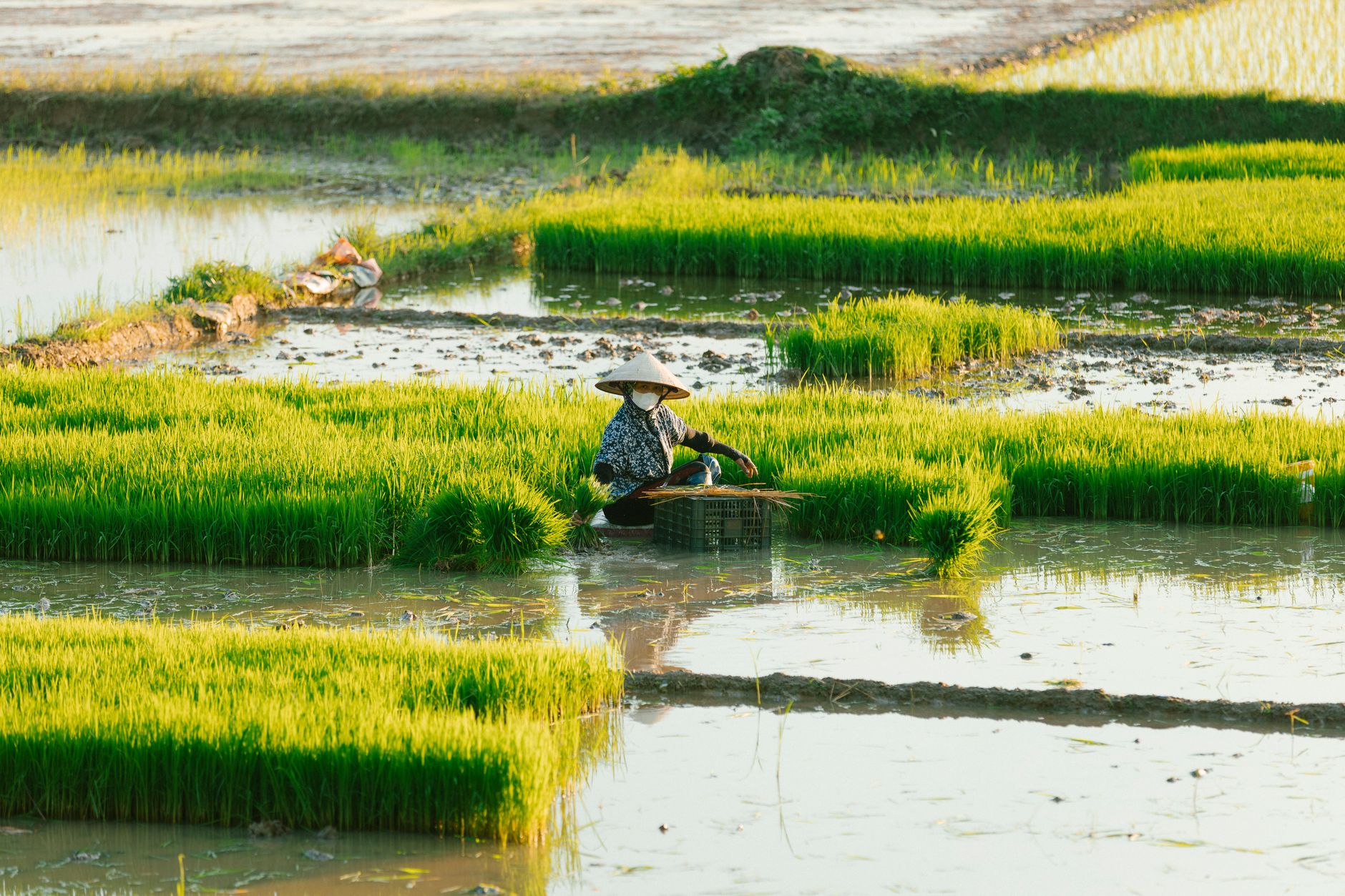
A farm visit is work-focused and slow—you spend 3–4 hours in one place with one family. A broader countryside experience might include a market stop, a canal boat ride, or a lunch at a village home, covering more ground in less depth. If you want a hands-on cooking class, you'll prep and cook a meal instead of grow it; the farm day is the source, not the kitchen. A street food and market tour shows you where farm produce ends up in the city. Some guests do both: farm one morning, market and cooking the next, and suddenly Saigon's entire food system clicks. If you're interested in slow, meditative experiences, a farm day pairs well with a tea experience—both involve sitting, observing, and minimal rushing. Group or corporate teams sometimes use farm visits as a team-bonding activity; group and team experiences can be customized to mix farm work with other stations (flower arranging, a craft, a meal). Horse riding or other countryside visits happen further out; farms are closer to the city and require less travel time.
What to check before booking a farm experience
| Question | Why it matters | What to confirm |
|---|---|---|
| Which crops are in season? | Rain and heat determine what grows; visit timing matters. | Ask what's being harvested that week. |
| Do I need gardening experience? | No—we teach absolute beginners. | Tell us if you have mobility limits. |
| How early is the start, and how long is travel? | 6–7 a.m. pickups mean 5:30 a.m. hotel alarms. | Ask for your pickup time and farm location. |
| Will I get dirty? | Yes, moderately. Soil on hands, possibly shoes and pants. | Bring or wear clothes you don't mind washing. |
| Is the farm accessible if I walk slowly or use a cane? | Fields are uneven; paths exist but aren't paved. | Mention mobility concerns; some farms suit this better than others. |
| What if it rains? | Light rain is normal and fine. Heavy rain closes it. | Ask about reschedule policy if weather is iffy. |
| Can I eat the vegetables I pick? | Yes—we wash them. You take them home raw. | Check if you have allergies or dietary needs. |
What to check before you book
- Allergies & diet: If you're allergic to pesticides or prefer organic, ask the farm's practices. Most small farms use minimal sprays, but confirm.
- Physical ability: Uneven ground, bending, lifting a full harvest bag. Tell us about knees, back, or balance issues.
- Timing: Book 5–7 days ahead if possible.
- Transport: We provide pickup and drop-off. If you prefer to drive yourself, ask—some farms have parking; others don't.
- What to take home: Your harvest fits in a large bag (2–4 kg of vegetables). Eat it within 2–3 days or refrigerate immediately.
More to explore in the Saigon countryside
If you love the farm experience, other family-experiences nearby include visiting local artisan craft workshops in village homes, where you might hand-weave fabric or shape clay. A horse riding experience in the stable belt south of the city offers a different rhythm—you're in the saddle instead of the soil, but both are quiet, animal-centered, and far from city noise. If food is your focus, pair a farm morning with a Vietnamese cooking class in a home kitchen, where you'll prepare lunch using vegetables you picked. For deeper dives into Saigon's food and farm culture, explore other experiences in Saigon.

FAQ
What time do we actually arrive at the farm, and how long does it take to get there?
Pickup is 6–7 a.m. from your hotel. The farm is 30–45 minutes away. You're in the field by 7:30 a.m. and usually finish by 11 a.m., back to your hotel by noon.
Do I need to book weeks in advance, or can I book a few days before?
Ideally 5–7 days ahead so we confirm the farm and prepare your guide. We sometimes have last-minute slots; ask on WhatsApp.
What if I have a bad back or knee? Can I still do it?
Yes. Tell us your limits. We can arrange lighter tasks—picking herbs instead of digging, sitting while you sort, shorter sessions. Some farms are flatter than others.
Can I bring my 3-year-old? Will they actually enjoy it?
Possible, but requires close watching due to mud and tools. Kids 4+ enjoy it more. Toddlers tire quickly; we recommend 2–3 hour sessions instead of 6.
Will the vegetables I pick be clean enough to eat?
We wash them at the farm before you bag them. Eat or refrigerate within 2–3 days. If you prefer organic or pesticide-free, ask the farm's spray history first.
What happens if it rains heavily the day I'm booked?
We reschedule for the next available date. Light rain we work through—greens are easier to pick when wet. Heavy rain or flooding cancels for safety.
Can I pick vegetables to take home, or just learn?
You pick and take home your harvest. That's part of the point—you see the crop, harvest it, carry it, and cook it yourself.
Do I need any farm or garden experience?
No. We teach beginners step by step. Farmers enjoy showing people; most guests finish feeling capable, not clumsy.
Is there a restroom or hand-washing at the farm?
Yes. Farms have basic toilets and a hand-washing station. Bring hand wipes or sanitizer if you prefer.
Can I book this as a private group, just my family or friends?
Yes. Private sessions start with a small group surcharge. Ask for private booking rates on WhatsApp.
Ask about dates
Tell us the city, your dates and what you would like to try. We reply on WhatsApp in English with options and availability.
FAQ
What time do we actually arrive at the farm, and how long does it take to get there?
Pickup is 6–7 a.m. from your hotel. The farm is 30–45 minutes away. You're in the field by 7:30 a.m. and usually finish by 11 a.m., back to your hotel by noon.
Do I need to book weeks in advance, or can I book a few days before?
Ideally 5–7 days ahead so we confirm the farm and prepare your guide. We sometimes have last-minute slots; ask on WhatsApp.
What if I have a bad back or knee? Can I still do it?
Yes. Tell us your limits. We can arrange lighter tasks—picking herbs instead of digging, sitting while you sort, shorter sessions. Some farms are flatter than others.
Can I bring my 3-year-old? Will they actually enjoy it?
Possible, but requires close watching due to mud and tools. Kids 4+ enjoy it more. Toddlers tire quickly; we recommend 2–3 hour sessions instead of 6.
Will the vegetables I pick be clean enough to eat?
We wash them at the farm before you bag them. Eat or refrigerate within 2–3 days. If you prefer organic or pesticide-free, ask the farm's spray history first.
What happens if it rains heavily the day I'm booked?
We reschedule for the next available date. Light rain we work through—greens are easier to pick when wet. Heavy rain or flooding cancels for safety.
Can I pick vegetables to take home, or just learn?
You pick and take home your harvest. That's part of the point—you see the crop, harvest it, carry it, and cook it yourself.
Do I need any farm or garden experience?
No. We teach beginners step by step. Farmers enjoy showing people; most guests finish feeling capable, not clumsy.
Is there a restroom or hand-washing at the farm?
Yes. Farms have basic toilets and a hand-washing station. Bring hand wipes or sanitizer if you prefer.
Can I book this as a private group, just my family or friends?
Yes. Private sessions start with a small group surcharge. Ask for private booking rates on WhatsApp.
More like this
Farm and countryside days
Fishing Experience Vietnam for Japanese Travelers: Where to Go & What to Expect
Vietnam's waterways offer Japanese travelers a chance to learn traditional fishing methods directly from locals. Cáo Experiences runs half- and full-day sessions on rivers, lakes and the Mekong Delta where you cast nets, set traps, and cook your catch.
Farm and countryside days
Fishing Experience Vietnam for Foreigners: Hands-On Guide
Fishing in Vietnam isn't a spectator sport—you'll wade into rivers, cast nets, trap fish in baskets, and cook your catch for lunch. We run small-group and private fishing days in the countryside outside Hanoi, Ha Noi region, and the Mekong Delta.
Farm and countryside days
Fishing Experience in Vietnam: 8 Questions to Ask Before You Go
Fishing in Vietnam means wading through rice paddies, learning trap techniques, or casting in rivers with local guides. Here's what to ask before you book.