
Home › Blog › Farm and countryside days
Farm Experience in Sapa: What to Book Before You Go
By the Cáo Experiences team · 2026-11-06
A farm experience in Sapa is a full or half-day session on a working family farm in the highlands north of Hanoi, where you join the hosts in seasonal tasks: planting or harvesting rice in flooded paddies, picking vegetables, tending livestock, and cooking a meal from the day's harvest. Cáo Experiences runs these on small groups (2–6 people) or private for families and couples, with WhatsApp check-ins before and after. Most days run 4–6 hours, begin early (6 or 7 a.m.) to catch the cooler morning light, and cost less than a night's mid-range hotel stay in town—exact rates depend on group size, season, and private vs. shared. You'll stand in mud, sweat in sun, eat lunch sitting on the ground, and leave with calloused hands and clarity on where food comes from. Beginners and seniors do this; kids (age 5+) thrive. What kills the experience: showing up in flip-flops, expecting Instagram backdrops, or booking rain-heavy months without asking us how we adapt.
What actually happens hour by hour on a Sapa farm day?
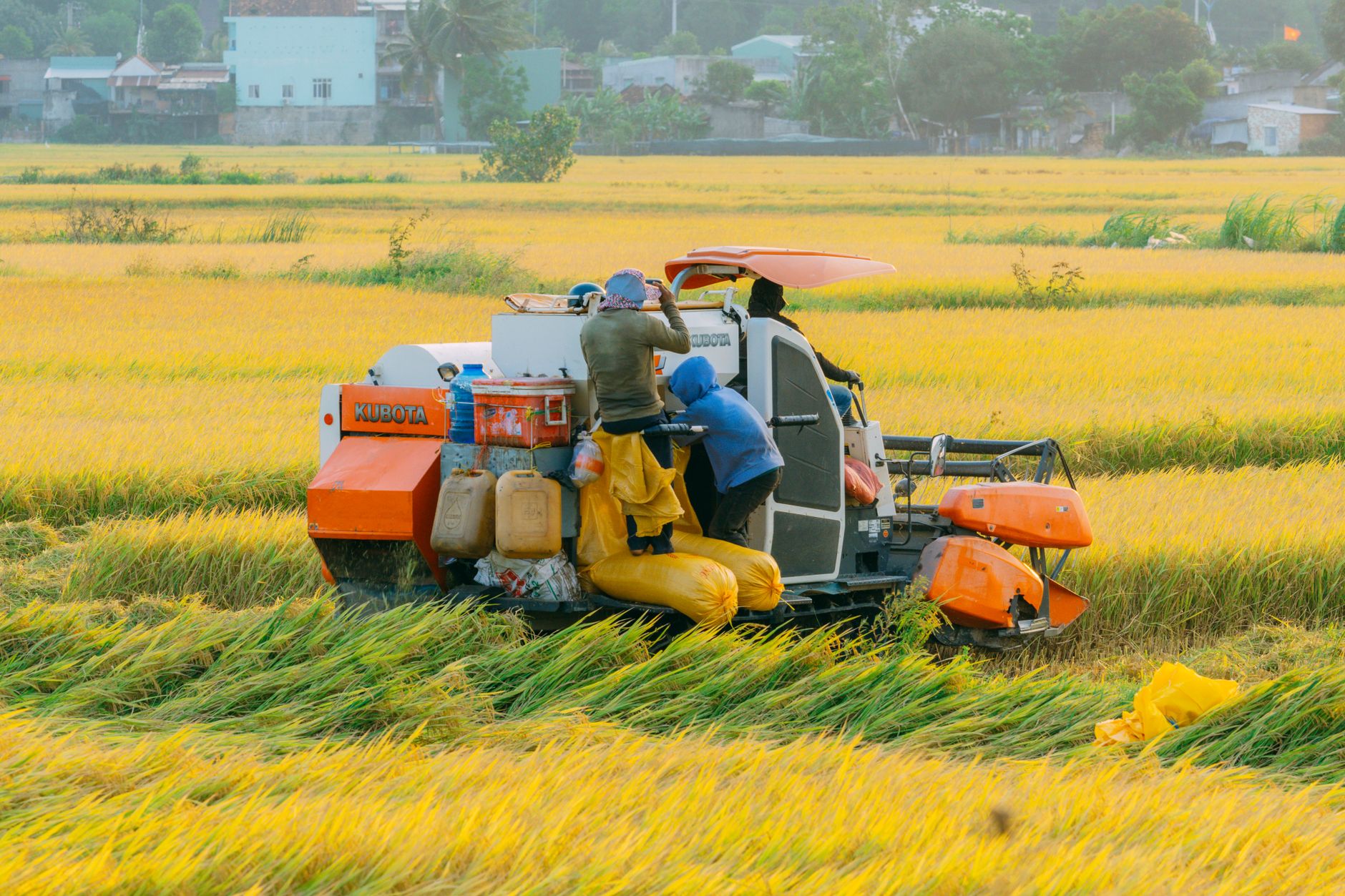
We meet you at your accommodation or a central point by 6:30 a.m., bundle into a van, and drive 45 minutes into the valleys. By 7:30 a.m. you're at the farm—a patchwork of rice paddies, vegetable plots, and a timber house with a cooking area. The host family greets you with jasmine tea and fruit. Then boots on, trousers rolled, and into the paddies for 2–3 hours. If it's planting season (May–June), you learn the stoop-plant rhythm; if harvest (September–October), you cut and bundle. Around 10:30 a.m., we break for water and shade. By noon you're barefoot rinsing mud in a stream, then the real payoff: sitting under a metal roof while the family cooks lunch on a wood fire using vegetables you pulled that morning. Broth, greens, sticky rice, fresh spring rolls. Afternoon options vary: some groups sleep (we laugh, you nap), others walk to a neighboring village or help preserve vegetables for winter. By 2 or 3 p.m., we're back in the van, dropping you off by 4 or 5 p.m., exhausted and quiet.

Should you book a half-day or full-day farm session?
Half-day (3–4 hours) covers one task—plant or harvest—plus tea, breakfast, or a light lunch. Full-day (6–7 hours) includes two tasks, a proper cooked meal, and time to rest or explore the wider farm. Half-day suits travelers on tight schedules or those anxious about physical strain. Full-day suits couples, friends, and families who want the meal, the rhythm, and the quiet afternoon. Your legs will ache either way; full-day means you sit together afterward and truly decompress, which is why most repeaters choose it. Seasonal work dictates what you'll do: spring is planting, early summer is weeding, late summer is preparation, autumn is harvest, winter is quieter—vegetable care, repair, planning. Ask us which farms have activity booked for your dates.
Who is a farm day actually suitable for?
We host kids (age 5+), though 7+ is smoother; they love digging, splashing, eating food they've handled. Teenagers treat it as offline rebellion—no WiFi, hard work, respect builds fast. Couples use it as a reset before a city stretch. Solo travelers come for the quiet and the story. Seniors (we've hosted people into their 70s) do half-days, move slower, rest more—the family adapts pace without comment. Pregnant people should skip the standing heat; ask us first. Mobility issues: farms aren't wheelchair-accessible, but we've supported people with canes and knee braces on half-day sessions with modified tasks. Allergies (nut, shellfish, dairy) are manageable because the family cooks for you; tell us in advance. The one group we can't serve well: people who need constant WiFi or who resent getting dirty. This is mud-on-forearms, no-mirror-for-eight-hours honest work.
What to wear and pack: a real checklist before you book
Clothing & footwear:
- Sturdy, slip-on boots (farm families often share their spare rubber boots; we still recommend bringing your own if you have narrow feet or small shoe sizes)
- Long or capri trousers that roll up easily (jeans dry slowly if wet; linen or quick-dry fabrics better)
- A lightweight shirt that wicks sweat (cotton is fine, but merino or synthetic dries faster)
- A head covering (hat, bandana, or cloth) for sun and rain
- One change of socks and shoes for the van ride back
Essentials:
- Sunscreen (SPF 30+; reapply after water breaks)
- A refillable water bottle (we provide water, but carrying your own keeps you hydrated)
- A small towel or bandana for sweat and mud cleanup
- Any prescription medications (asthma, diabetes, blood pressure—farms are remote)
- Cash in Vietnamese dong (most family farms don't take cards; tips or emergency supplies)
- Phone or camera if you want photos (but honestly, you'll be too busy working to photograph much)
What not to bring:
- Flip-flops or sandals (you'll be barefoot half the time anyway; bring shoes you don't mind destroying)
- White or expensive clothes (mud stains, and washing facilities are basic)
- Jewelry or valuables (no theft concern, but they're inconvenient and risk loss in water)
- Heavy bags (you'll carry nothing but yourself)
Rain, heat, and seasonal timing: when to book and what adjusts
Sapa is cool and misty year-round (average 15–20°C), but May–August brings afternoon thunderstorms, and monsoons October–November can flood paddies. We don't cancel for drizzle; rice farmers work in light rain. Heavy downpours (we decide at 6 a.m.) might shift you indoors: vegetable sorting, fermentation prep, or cooking lessons instead. Heat isn't the issue here—humidity and sun in July–August are harder than temperature. Winter (December–February) is dry and cold (5–10°C); you'll work in layers and warm up fast. Spring (March–April) is the goldilocks season: mild, clear, and planting is energetic work. Our call: book May–June for planting energy, September–October for harvest fullness and better weather odds, or December–January for slower pace and clear skies. Bring a lightweight rain jacket tucked in the van; if storms hit, we pivot to indoor tasks without charging extra. We've never left anyone stranded.
How farm days compare to other countryside experiences in northern Vietnam
| Experience | Duration | What you do | Best for | Physical level | Season |
|---|---|---|---|---|---|
| Farm day (Sapa) | 4–7 hrs | Plant/harvest, cook, eat | Reset, learn food origins | Moderate–high | Mar–Nov |
| Tea picking (nearby) (see tea experiences) | 3–4 hrs | Pick leaves, dry, taste | Gentler pace, tastings | Low–moderate | Year-round |
| Horse riding (see horse riding) | 2–4 hrs | Guided ride, scenery | Equestrian focus | Moderate | Mar–Nov |
| Village craft workshop (see craft workshops) | 2–3 hrs | Textiles, weaving, basketry | Art & culture | Low | Year-round |
A farm day is the most physically immersive and food-focused; you leave dirty and exhausted but knowing you've done real work. Tea and crafts are gentler and more meditative. Horse riding is scenic but doesn't involve community or cooking.
Families and kids: what adjusts for younger guests
Kids under 7 may struggle with the pace or the mud anxiety. We ease them in: let them play at the farm's edge first, then invite them into one small task—pulling weeds, plucking vegetables, carrying a bucket. Families often do half-day sessions (10 a.m.–1 p.m.) to avoid early starts and afternoon meltdowns. Kids love the cooking part and eating food they've handled; we give them a step (chopping soft herbs, mixing, stirring) so they feel ownership. Parents worry about bathroom access—basic squat toilet on-farm, so plan accordingly and bring wet wipes. We've never had a child refuse to go back; most families return the next year. Teenagers often book group and corporate experiences with friends; working in teams builds bonds faster than city activity.
What to check before you book: our honest questions
Ask us these before confirming dates:
- Is the farm accessible for my mobility level? Tell us if you need to sit most of the day or can't bend deeply. We'll place you with a farm that has lighter tasks or good rest spots.
- What's the weather forecast for my dates? We track Sapa's micro-climate closely; if storms are building, we may suggest earlier or later in the season.
- Do you have vegan or allergy-friendly meal plans? Yes, but the family needs 1–2 weeks' notice. Shellfish and nut allergies we handle immediately; restrictive vegan diets we work around with extra vegetables and rice, though the farm's traditional diet is meat-light anyway.
- Is photography okay? Most families love it; a few prefer no photos. We'll tell you the farm's preference before you arrive.
- How do you coordinate pickup and dropoff? We use WhatsApp; we'll send you a WhatsApp link 2 days before, confirm the van driver's number and pickup time, and stay in touch through the morning.
- What if someone gets hurt? Sapa's medical clinic is 20 minutes away; we carry basic first aid and have insurance. No serious injury has ever happened; the pace is slow and intentional.
- Can I book for just one person? Yes, but you'll join a group (usually 2–4 others) to keep costs fair. Private bookings run higher; ask for a quote if you'd prefer solo or with one friend.
How Cáo Experiences runs farm days differently from tourism packages
Most farm-tourism in Sapa is theater: you're driven to a paddy, stand in water for 15 minutes while a guide snaps your photo, then back to town by lunch. We don't do that. Our hosts are the families who farm the land; they work while you work, they cook the meal, they ask you questions about where you're from. Coordination happens on WhatsApp—no middleman, no surprise fees. You start before tourists arrive. You eat sitting on their floor, not at a tourist restaurant. Rain doesn't cancel you; it changes what you do. We admit when the timing is bad (late monsoon, early drought) and suggest alternatives—wellness and slow experiences in Da Lat, tea experiences at higher altitude, or cooking classes in Hanoi if you want to learn food in a different way. Most importantly, we host repeat visitors and locals alongside travelers; you're not the only foreigners the farm sees, but you're not part of a tour bus either.
Comparing Sapa farm days to countryside experiences in other regions
If you're also considering farm and countryside experiences elsewhere in Vietnam, Sapa's edge is altitude (cool mornings, no heat exhaustion), monsoon-driven rice cycles (dramatic work in specific seasons), and tight-knit Hmong and Kinh family farms with real village integration. Central highlands (Da Lat, Da Nang region) offer fruit orchards, coffee farms, and flower plantations—more commercial, gentler physical work, better for seniors. Mekong Delta (Saigon day-trip range) is flooded, flat, and canal-based; very different energy. Red River Delta near Hanoi has ancient terraces and easier logistics but more tourist traffic. Sapa wins if you want authentic highland difficulty, genuine community time, and a meal that tastes like risk and reward. Book with us if that speaks to you.

FAQ
Do I need farming experience or special skills?
No. Beginners excel here because there's no "wrong" way to pull a weed or cut rice; the family teaches by showing. Pace is slow, repetition is meditative, and mistakes become jokes over lunch. Kids and seniors thrive alongside athletes.
What happens if I'm not fit or have joint pain?
Tell us before booking. Half-day sessions, modified tasks (sitting work, lighter carrying), and built-in rest breaks are all standard. We've hosted people managing arthritis, back issues, and recovery; the key is honesty upfront so we match you to a farm suited to your needs.
Is the food safe? What if I have a sensitive stomach?
The family cooks food you've harvested that morning; no market risk, no storage guess. Meals are simple—broth, greens, rice, no heavy spices unless you ask. Vegetable-forward cooking is naturally gentle. We advise: eat light breakfast, drink boiled water (we provide), and avoid ice. Most travelers have no issues; if you're prone to traveler's stomach, take your usual precautions.
How do I get to Sapa, and how does the van pickup work?
Sapa is 6–7 hours from Hanoi (flight + drive, or overnight train + drive). We'll pick you up from your accommodation in Sapa town, or you can meet us at a central spot. Timing is early (6–6:30 a.m.); we'll confirm via WhatsApp 2 days before, and our driver will text you his number the morning of.
Can I book just with my family or partner, not in a group?
Yes. Private bookings are available; ask us on WhatsApp for a quote. Most groups are 2–4 strangers who bond over work; many travelers prefer that social element, and it costs less. Either way works.
What's included, and what's extra?
Included: van pickup/dropoff, farm access, all work, a cooked meal, water, tea, and a 4–7 hour session. Extra: tips (optional, appreciated), snacks for the van, any alcohol or coffee after lunch, and any private transportation beyond the van. Ask us for the full breakdown when you quote.
How far in advance should I book?
2–3 weeks is ideal so we can align availability with your schedule and seasonal farm work. Last-minute bookings (1 week) work if there's availability, but we can't guarantee your preferred farm or date. --- Ask about dates on WhatsApp
Ask about dates
Tell us the city, your dates and what you would like to try. We reply on WhatsApp in English with options and availability.
FAQ
Do I need farming experience or special skills?
No. Beginners excel here because there's no "wrong" way to pull a weed or cut rice; the family teaches by showing. Pace is slow, repetition is meditative, and mistakes become jokes over lunch. Kids and seniors thrive alongside athletes.
What happens if I'm not fit or have joint pain?
Tell us before booking. Half-day sessions, modified tasks (sitting work, lighter carrying), and built-in rest breaks are all standard. We've hosted people managing arthritis, back issues, and recovery; the key is honesty upfront so we match you to a farm suited to your needs.
Is the food safe? What if I have a sensitive stomach?
The family cooks food you've harvested that morning; no market risk, no storage guess. Meals are simple—broth, greens, rice, no heavy spices unless you ask. Vegetable-forward cooking is naturally gentle. We advise: eat light breakfast, drink boiled water (we provide), and avoid ice. Most travelers have no issues; if you're prone to traveler's stomach, take your usual precautions.
How do I get to Sapa, and how does the van pickup work?
Sapa is 6–7 hours from Hanoi (flight + drive, or overnight train + drive). We'll pick you up from your accommodation in Sapa town, or you can meet us at a central spot. Timing is early (6–6:30 a.m.); we'll confirm via WhatsApp 2 days before, and our driver will text you his number the morning of.
Can I book just with my family or partner, not in a group?
Yes. Private bookings are available; ask us on WhatsApp for a quote. Most groups are 2–4 strangers who bond over work; many travelers prefer that social element, and it costs less. Either way works.
What's included, and what's extra?
Included: van pickup/dropoff, farm access, all work, a cooked meal, water, tea, and a 4–7 hour session. Extra: tips (optional, appreciated), snacks for the van, any alcohol or coffee after lunch, and any private transportation beyond the van. Ask us for the full breakdown when you quote.
How far in advance should I book?
2–3 weeks is ideal so we can align availability with your schedule and seasonal farm work. Last-minute bookings (1 week) work if there's availability, but we can't guarantee your preferred farm or date. --- [💬 Ask about dates on WhatsApp](https://wa.me/84338762340)
More like this
Farm and countryside days
Fishing Experience Vietnam for Japanese Travelers: Where to Go & What to Expect
Vietnam's waterways offer Japanese travelers a chance to learn traditional fishing methods directly from locals. Cáo Experiences runs half- and full-day sessions on rivers, lakes and the Mekong Delta where you cast nets, set traps, and cook your catch.
Farm and countryside days
Fishing Experience Vietnam for Foreigners: Hands-On Guide
Fishing in Vietnam isn't a spectator sport—you'll wade into rivers, cast nets, trap fish in baskets, and cook your catch for lunch. We run small-group and private fishing days in the countryside outside Hanoi, Ha Noi region, and the Mekong Delta.
Farm and countryside days
Fishing Experience in Vietnam: 8 Questions to Ask Before You Go
Fishing in Vietnam means wading through rice paddies, learning trap techniques, or casting in rivers with local guides. Here's what to ask before you book.