
Home › Blog › Farm and countryside days
Farm Experience in Vietnam During Tet: What to Expect
By the Cáo Experiences team · 2026-11-06
A farm experience during Tet in Vietnam puts you in working family kitchens and paddies during the busiest, most joyful time of year—the lunar new year. We run private and small-group sessions lasting a full day (sunrise to late afternoon) on family farms near Hanoi and in the Mekong region south of Saigon. You'll arrive early, join real farmwork—planting, weeding, harvesting whatever the season demands—eat lunch cooked from that morning's pick, and learn directly from the family running the land. Tet itself (late January or early February, depending on the lunar calendar) is chaotic on farms: families prepare for the new year, relatives visit, and the cycle of crops doesn't pause. Cáo Experiences coordinates arrivals by WhatsApp, arranges transport, and ensures the host family expects you; beginners are welcome, and we adapt for age, fitness, and dietary needs. Ask us for specific dates and what's growing when you plan to visit. Ask about dates on WhatsApp
Why is Tet the hardest and best time to visit a farm in Vietnam?
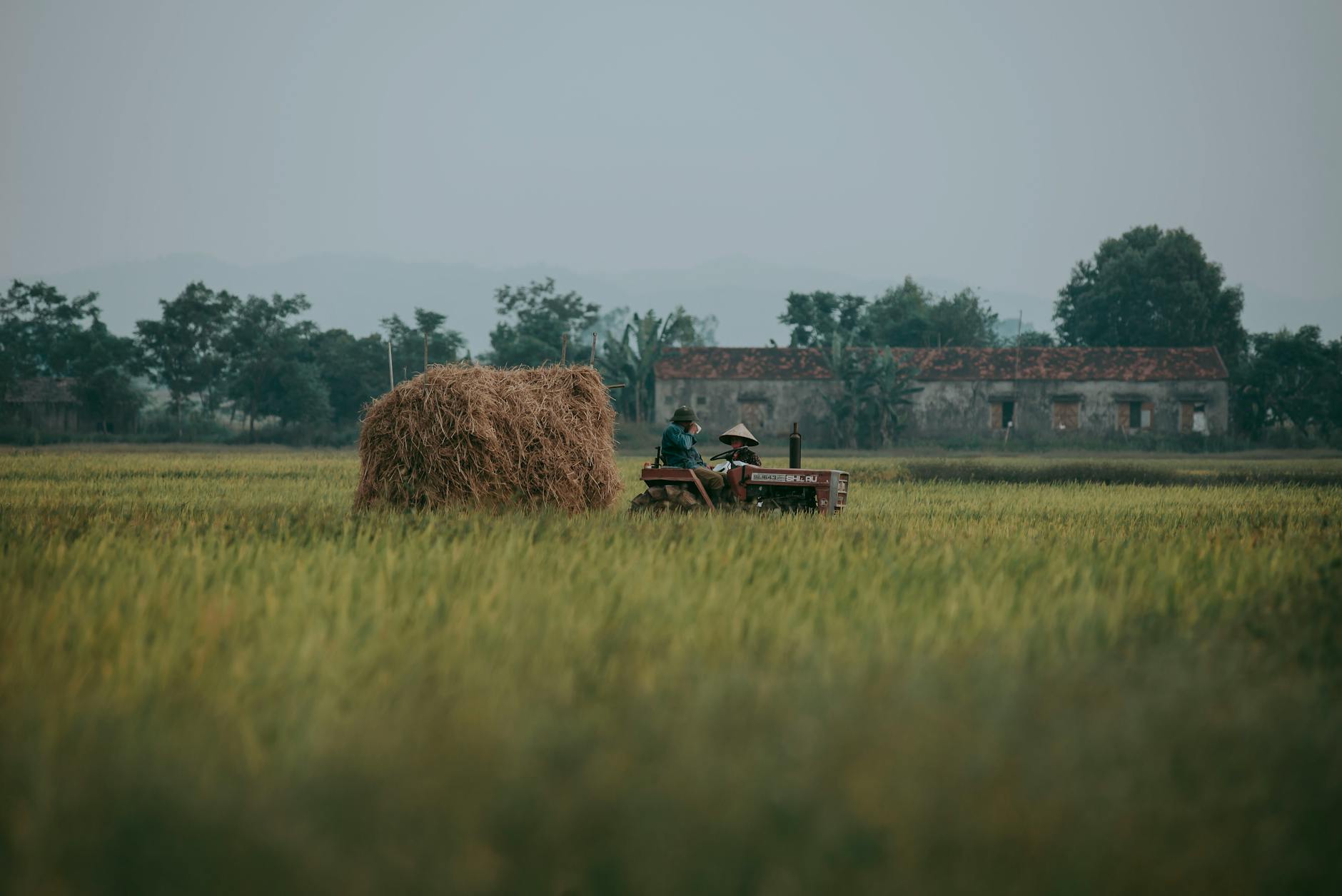
Tet (the lunar new year, typically late January through early February) falls during peak agricultural preparation across the country. Farms aren't quiet then—they're urgent. Families rush to finish harvests, plant new crops for spring, repair tools, and prepare ritual offerings and meals for the holiday. You arrive not as a tourist but as an extra pair of hands during the busiest week of the year. That chaos is the point. You see real farm life, not a staged performance. Many visitors expect peaceful countryside; instead they find organized frenzy, children running between tasks, grandparents directing work, and a genuine need for help. It's uncomfortable and exhilarating. By mid-afternoon, when you sit down to eat vegetables you picked that morning, the tiredness and mud feel earned. The farmer's family thanks you as they would any neighbor, not as a paying guest. Tet farms reveal what Vietnamese agriculture actually is: family, timing, and survival.
What farm tasks will I actually do during Tet?
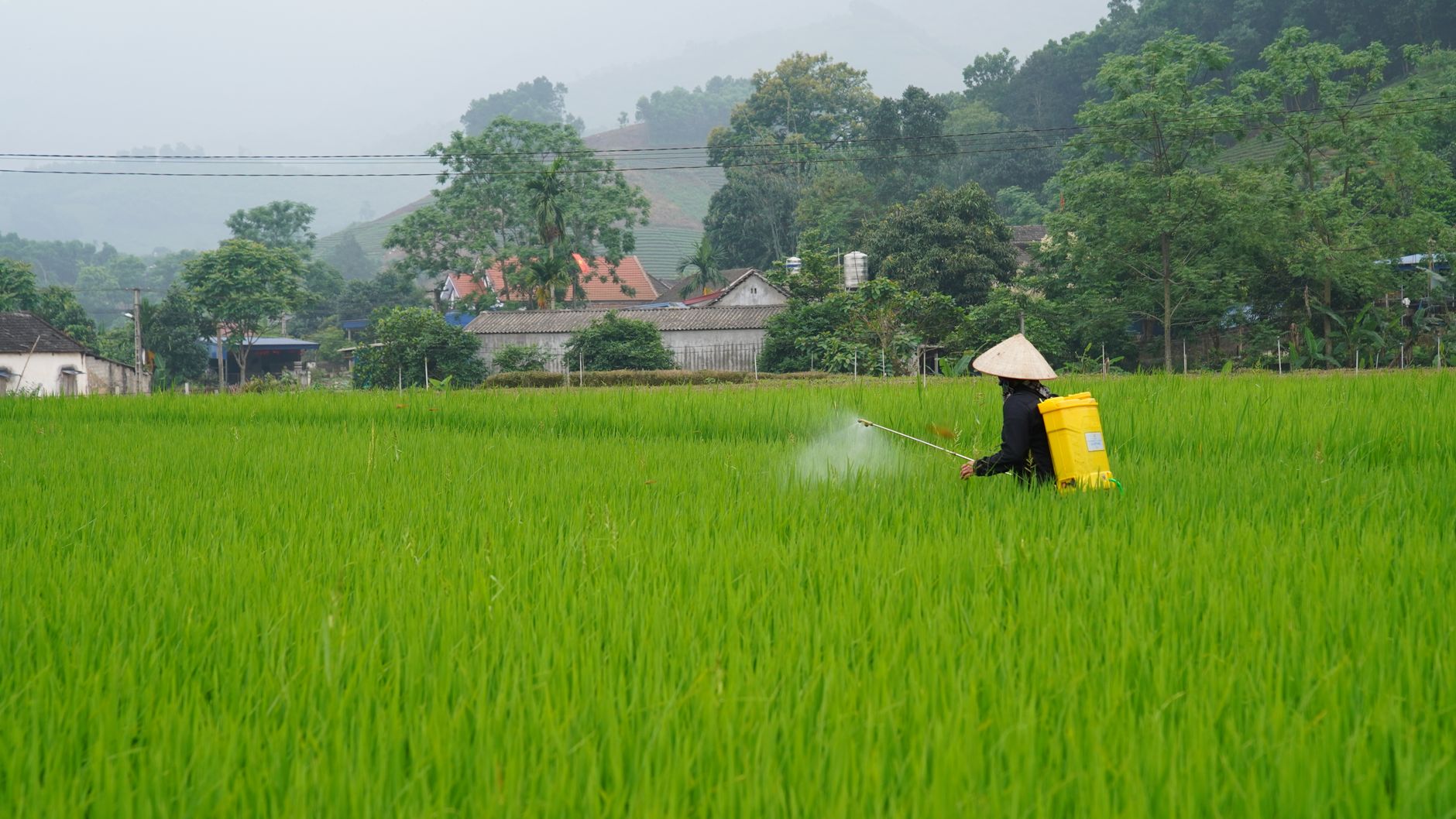
The work depends on the region, the lunar calendar, and what the family is growing that week. Near Hanoi, you might plant spring vegetables—leafy greens, herbs, root crops—in raised beds or flooded paddies. South of Saigon, Mekong farms might have you harvesting fruit, tending floating gardens, or preparing fish ponds. We don't script tasks; we ask the host family what they need done and match you to it. A morning routine might look like: 5:30 a.m. arrival, tea and breakfast with the family, a walk to the fields, two to three hours of planting or weeding (on your knees, in the mud, following the farmer's rhythm), a break for coconut water in the shade, then an hour of lighter work—maybe sorting vegetables, mending baskets, or helping clean tools. Beginners worry they'll be clumsy or slow; farms move at their own pace. The farmer isn't counting minutes. Your hands might blister on day one, but by hour three, the motion becomes automatic. Children and seniors often surprise themselves with endurance. Rain doesn't stop work; we provide rain gear and you keep going unless lightning threatens. After lunch (cooked from that morning's harvest), some families offer a rest; others have afternoon tasks. By 2 or 3 p.m., you're back in town, sunburned and honest-tired.
How does the farm-to-table meal work on the day?
Lunch is where the farm experience clicks into meaning. The farmer's wife, or a family member who cooks, takes vegetables you picked that morning and turns them into a meal in a family kitchen—often a simple open-sided structure or a room built onto the farmhouse. You watch and sometimes help: washing and chopping herbs, stirring pots, arranging plates. The meal is never fancy—maybe a stir-fry of morning greens, a soup, pickled vegetables, rice, fresh fish or pork if the family raises it. You eat sitting with the family, sometimes children, sometimes neighbors who stop by. Conversation is in English and Vietnamese mixed; we translate key moments. Food allergies and vegetarian diets must be told to us weeks ahead so the family can plan. If you're vegan, we confirm in advance—the farm may have limited options, but the family will adapt if we coordinate early. Pork and fish are standard; shellfish varies by region. The meal tastes completely different from restaurant food because it's made in a kitchen with no menu, using herbs and vegetables still warm from the soil three hours ago. By eating on the farm, you understand why Tet food matters so much to Vietnamese people: it's tied to the land and the family's ability to grow things.
What should I wear and bring, and what will go wrong?
Wear old clothes you don't mind staining. Dark colors hide mud better than white. Closed-toe shoes with grip (not sandals) because paddies are slippery and debris sharp. Bring a hat, sunscreen, and a small backpack with a water bottle; we provide water refills. In January and February, mornings are cool (10–15°C in the north), afternoons warm (20–25°C); layer so you can shed jackets by mid-morning. For the Mekong, it's warmer year-round but humidity is high. Bring a thin scarf or towel to dry your face. A phone in a waterproof bag is fine if you want to photograph work, but the family's comfort comes first—ask before shooting people or homes.
What goes wrong: blisters (we bring plasters), dehydration (drink more than you think you need), and overestimating your fitness (farms are repetitive, not intense, but eight hours on your feet is real). Sunburn surprises people in January because the sun angle is deceptive. Take sunscreen seriously. Muscle soreness hits the next day; it passes. The biggest mistake is arriving with expectations of a spa day. You will be dirty. You will smell like earth and sweat. If that sounds unpleasant, book a Vietnamese cooking class in town instead.

Which regions have farms open for Tet experiences?
We run farm days near Hanoi and in the Mekong Delta south of Saigon. Hanoi farms are smaller, often family vegetable plots or fruit orchards in villages 30–60 minutes by car. Soil is clay and limestone; crops are leafy greens, herbs, melons, and citrus. Mekong farms are larger, on floating land or reclaimed waterways, with fruit orchards, fish ponds, and rice paddies. The Mekong experience is wetter and more complex (more water management, more wildlife). Hanoi is easier for first-timers; the Mekong is more immersive if you've done farm work before. Both regions are rural—no wifi, no convenience stores nearby. We arrange transport from central Hanoi or Saigon; you don't need to rent a motorbike or navigate alone. Weather in late January and early February is cool and dry in the north, warm and humid in the south; both are pleasant for fieldwork. If you're visiting Hanoi, we can also offer horse riding in pine forests or a street food and market tour on other days to build a longer stay. If you're based in Saigon, ask us about pairing a farm day with a coffee workshop in nearby plantations.
How should I prepare mentally and physically before I arrive?
Farm work is not training or penance—it's a real job done at a real pace. Mental preparation matters more than physical. Expect to feel useless the first two hours because you don't know the rhythm; by lunch, your body will have found a groove. The farmer isn't judging; they're working, and you're helping. Physical prep is simple: walk for 30 minutes a few times in the week before, just to remind your legs and back that you can stand for hours. Stretch your calves and lower back the night before. Bring good shoes and break them in beforehand—new shoes on a muddy farm are torture. Sleep well the night before; farms start early and tiredness makes everything feel harder. Bring any painkillers or blister treatments you know work for you. If you have a bad knee or back, tell us in advance and we'll ask the farmer if lighter tasks exist. Most farms can adjust—less bending, more sorting or tool prep. If you're older or less fit, morning pace is slower anyway; farmers aren't trying to exhaust guests.
On arrival, say yes to tea. It's an offer of friendship. Ask the farmer's name and learn how to say it in Vietnamese—we'll teach you. Ask about their family and land; farmers love talking about what they grow. Listen more than you speak. If you're uncomfortable or tired mid-day, say so; we're there to translate and the family will rest with you. Tet is about community and sharing; the farm day is the same philosophy.
| Farm Region | Best for | Typical crops/tasks | Season conditions |
|---|---|---|---|
| Hanoi surrounds | First-timers, half-days | Vegetables, herbs, melons | Cool, dry (Jan–Feb) |
| Mekong Delta | Experienced visitors, full days | Fruit orchards, rice, aquaculture | Warm, humid, water-heavy |
What to check before you book
- Dates: Tet falls in late January or early February; confirm the exact year with us because the lunar calendar shifts. Farms are busiest 1–2 weeks before Tet; that's the best time to visit.
- Group size: Small groups (2–6 people) work best; larger groups tire farmers and disrupt the work rhythm. Private days can be 1–2 people.
- Dietary needs: Allergies and vegetarian diets must be told to us at booking; we confirm with the family. No last-minute diet changes.
- Physical fitness: Farms don't require gym training, but standing and repetitive motion for 6–8 hours matters. If you have joint problems, tell us and we'll match you to lighter-task farms.
- Weather: Tet-season rain is rare but possible in the Mekong. We provide rain gear; work continues unless lightning threatens. Hypothermia isn't a risk; discomfort might be.
- Transport: We arrange pickup from your hotel and return. Ask about starting time (usually 5:30–6 a.m., very early) and ending time (2–4 p.m., depending on tasks).
- Camera and social media: Ask the family before photographing people. Some prefer privacy; respect that.
For something lighter during your Tet stay, consider joining a flower arranging workshop in town or a tea experience in a quiet space. Farm work pairs well with rest days. We can help you build a balanced itinerary.
Pages from our team you may need
- Vietnamese cooking class
- street food and market tour
- Vietnamese coffee workshop
- flower arranging workshop
FAQ
Do I need farm experience to join a Tet farm day?
No. Most guests have never done farm work. We match you to tasks based on what you tell us about fitness and comfort. Farmers teach as you work; the pace is forgiving.
What if I'm vegetarian or have allergies?
Tell us at booking, and we confirm with the farm family weeks ahead. Vegetarian is usually manageable (rice, vegetables, eggs, tofu). Serious allergies (nuts, shellfish, etc.) require advance planning so the family can adjust shopping and cooking.
Is Tet the only time to visit farms, or can I go other months?
Farms operate year-round, but Tet is the most intense and rewarding season. In other months, the work is slower and farms quieter. If you prefer calm, visit March–May or October. For the real experience, come during Tet.
How early do I need to arrive, and when does the day end?
Most farm days start 5:30–6 a.m. and end 2–4 p.m. (depending on tasks and region). Early mornings are cooler and farms want to finish before midday heat. Plan for a full day; rest before and after.
What if it rains on the day I'm booked?
Rain during Tet-season farm days is rare but possible, especially in the Mekong. We provide rain gear and work continues unless lightning is a risk. Wet fieldwork is part of the experience; farms don't pause for rain.
Can I book a farm day as a couple, or do you only take large groups?
We run private days for individuals, couples, and small groups (up to 6 people). Private days cost more but give you the farmer's full attention. Ask us for a quote for your group size and dates.
How much will this cost, and is it worth it?
Ask us for dates and a quote on WhatsApp. Prices depend on group size, region (Hanoi or Mekong), and whether it's private or small-group. The value isn't in what you pay—it's in eating food you grew, understanding real farm life, and leaving with sore muscles and clarity about where your food comes from.
Ask about dates
Tell us the city, your dates and what you would like to try. We reply on WhatsApp in English with options and availability.
FAQ
Do I need farm experience to join a Tet farm day?
No. Most guests have never done farm work. We match you to tasks based on what you tell us about fitness and comfort. Farmers teach as you work; the pace is forgiving.
What if I'm vegetarian or have allergies?
Tell us at booking, and we confirm with the farm family weeks ahead. Vegetarian is usually manageable (rice, vegetables, eggs, tofu). Serious allergies (nuts, shellfish, etc.) require advance planning so the family can adjust shopping and cooking.
Is Tet the only time to visit farms, or can I go other months?
Farms operate year-round, but Tet is the most intense and rewarding season. In other months, the work is slower and farms quieter. If you prefer calm, visit March–May or October. For the real experience, come during Tet.
How early do I need to arrive, and when does the day end?
Most farm days start 5:30–6 a.m. and end 2–4 p.m. (depending on tasks and region). Early mornings are cooler and farms want to finish before midday heat. Plan for a full day; rest before and after.
What if it rains on the day I'm booked?
Rain during Tet-season farm days is rare but possible, especially in the Mekong. We provide rain gear and work continues unless lightning is a risk. Wet fieldwork is part of the experience; farms don't pause for rain.
Can I book a farm day as a couple, or do you only take large groups?
We run private days for individuals, couples, and small groups (up to 6 people). Private days cost more but give you the farmer's full attention. Ask us for a quote for your group size and dates.
How much will this cost, and is it worth it?
Ask us for dates and a quote on WhatsApp. Prices depend on group size, region (Hanoi or Mekong), and whether it's private or small-group. The value isn't in what you pay—it's in eating food you grew, understanding real farm life, and leaving with sore muscles and clarity about where your food comes from.
More like this
Farm and countryside days
Fishing Experience Vietnam for Japanese Travelers: Where to Go & What to Expect
Vietnam's waterways offer Japanese travelers a chance to learn traditional fishing methods directly from locals. Cáo Experiences runs half- and full-day sessions on rivers, lakes and the Mekong Delta where you cast nets, set traps, and cook your catch.
Farm and countryside days
Fishing Experience Vietnam for Foreigners: Hands-On Guide
Fishing in Vietnam isn't a spectator sport—you'll wade into rivers, cast nets, trap fish in baskets, and cook your catch for lunch. We run small-group and private fishing days in the countryside outside Hanoi, Ha Noi region, and the Mekong Delta.
Farm and countryside days
Fishing Experience in Vietnam: 8 Questions to Ask Before You Go
Fishing in Vietnam means wading through rice paddies, learning trap techniques, or casting in rivers with local guides. Here's what to ask before you book.