
Home › Blog › Farm and countryside days
Farm experience in Vietnam: how long do they run?
By the Cáo Experiences team · 2026-11-06
A farm experience in Vietnam typically lasts 4–8 hours for a day visit, or 1–3 nights for an overnight stay. Cáo Experiences runs small-group and private farm and countryside experiences from dawn (5–6 a.m. starts for harvest or market prep) through mid-afternoon tea, or full overnight immersions in family kitchens and working farms. A half-day morning session covers hands-on work—planting, feeding animals, collecting eggs—plus breakfast or lunch cooked on-site. Full-day visits add a market visit, cooking class, or afternoon rest. The time depends on what you want to do, where the farm is (30 minutes to 2 hours from town), your group size, and season. There's no time pressure; we adapt to energy levels, rain, or kids' nap times. Ask about dates and a quote on WhatsApp to match your schedule. Ask about dates on WhatsApp
Is a half-day farm visit enough to learn real skills?
Yes, if you focus on one or two tasks. Four to five hours lets you seed a vegetable patch, hand-milk a goat, or harvest herbs—then cook with what you picked. You'll understand the work but won't master it; that takes years. Many guests say the point isn't expertise but feeling how farm life actually moves: the early start, the physical rhythm, the soil under your nails. If you want deeper skill—say, managing a whole garden season or animal care routines—an overnight stay or multi-day program teaches you more. Half-day works best for families with young kids, travelers on tight schedules, or anyone testing whether farm life appeals before committing longer.
What happens in the first two hours?
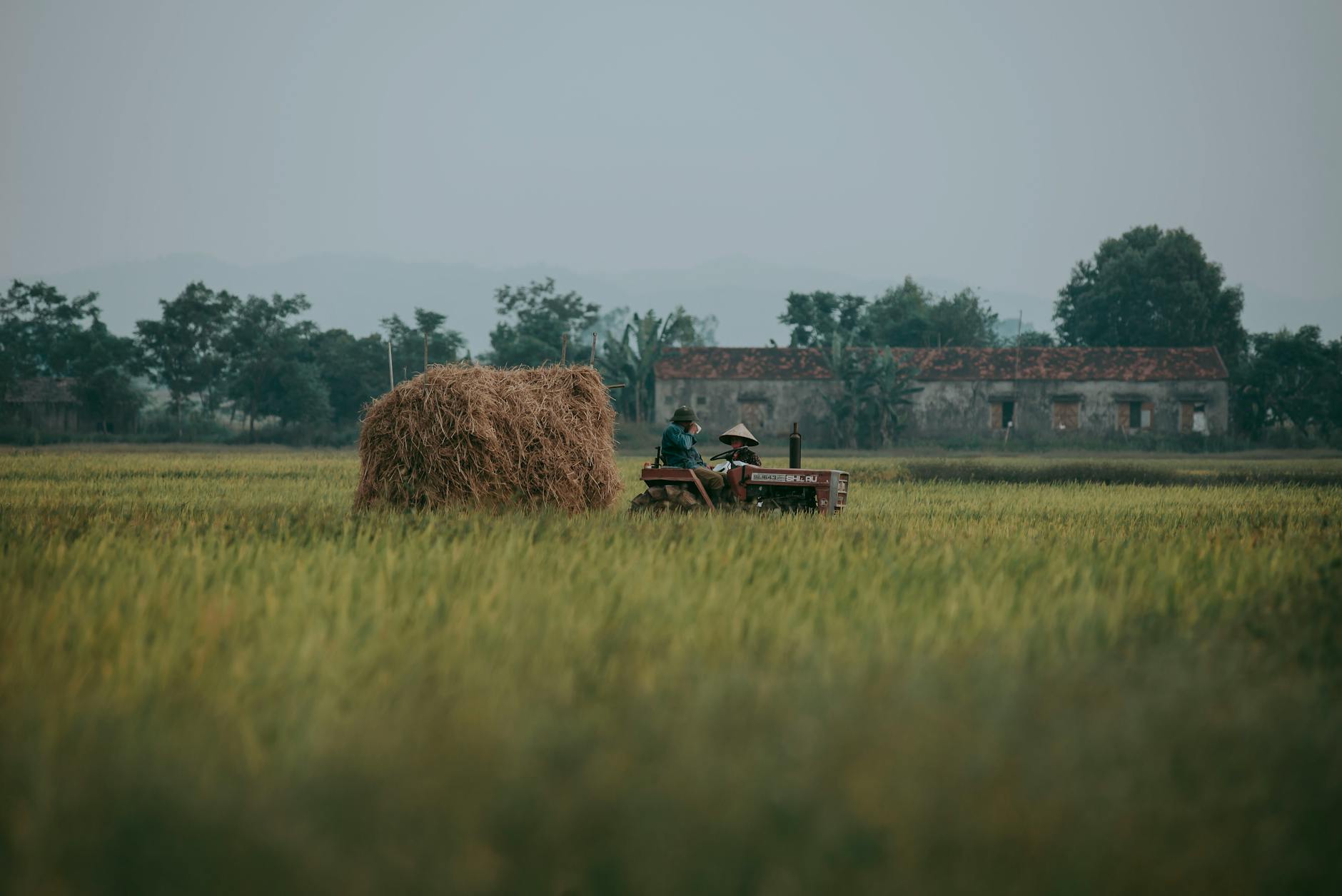
You arrive early (usually 5:30–6 a.m.) and meet the family. There's tea or coffee while they brief you on the day's plan—what needs doing, where animals are, safety tips. Then you work alongside them: mucking out a chicken coop, watering seedlings, collecting fresh eggs. No sitting and watching; you do it. By hour two, your hands are dirty and you're moving at their pace, not a tour schedule. Kids love this; seniors appreciate that there's no rushing, and breaks happen naturally when someone needs water or shade. Rain doesn't stop farm work—we just adjust (more indoor tasks, shorter sessions, rain gear provided). This is when most guests realize a farm isn't a petting zoo; it's a working place with real demands.
How long do overnight farm stays take, and what's included?
An overnight stay runs roughly 24–30 hours: arrival in late afternoon, dinner cooked in the family kitchen, sleep in a guest room (simple but clean), dawn wake-up for morning chores, breakfast cooked together, then half a day of work or cooking. That's enough time to shift rhythm—you slow down, eat what you grow, talk longer, notice light and weather. Kids sleep well after physical work. Seniors appreciate not rushing back to town same day. Meals are always cooked on-site from farm ingredients; if you have dietary restrictions (vegetarian, allergies, gluten-free), tell us in advance and the family adapts. Weather matters less overnight because you're there through changing hours, not just the planned morning.
See farm experiences in detail
Which farm length suits groups and team days?
Groups of 6–12 work well with a full-day structure: arrival 8 a.m., morning work, lunch cooked together (a real bonding moment), afternoon activity like a cooking class or craft session, finish by 4 p.m. This keeps energy high and gives variety. Corporate teams often pair a farm morning with a coffee workshop or flower arranging in the afternoon—6–7 hours total, high engagement, no fatigue. For family groups with a mix of ages, we often design a half-day (4–5 hours) focused on kids: animal care, simple cooking, less standing time. Ask about dates and a quote on WhatsApp to tailor the length and mix of activities to your group's energy and interests.
What to prepare: practical checklist before you book.
- Duration: Decide between half-day (4–5 hours), full-day (8 hours), or overnight. Half-day suits tight schedules; full-day suits families; overnight suits anyone wanting to reset.
- Season: Dry season (Oct–Apr) means cooler mornings and easier work. Wet season (May–Sep) is muddy, fewer outdoor tasks, but lush and dramatic. Both are real—neither is "bad."
- Physical ability: Farm work is gentle but involves standing, squatting, lifting light loads. Seniors do fine at a relaxed pace; very limited mobility is tricky but let us know and we'll modify.
- Dietary needs: Tell us allergies, vegetarian diets, or restrictions when you contact us. The family cooks fresh daily; they'll adapt.
- Kids: Best age is 4+. Under 4, farms are stimulating but unpredictable (animals startle, mud happens). Bring a change of clothes. Teenagers often prefer farm work to typical tourist activities.
- Weather plan: Rain doesn't cancel; we shift to indoor cooking, craft, or rest. Bring a light rain jacket.
- Transport: Farms are 30 min–2 hours outside town. We arrange pickup from your hotel or a central point. The drive is part of the experience—quieter landscape, conversation.

Real differences: why duration matters for different travelers.
| You are… | Best length | Why | What to expect |
|---|---|---|---|
| Solo traveler, limited time | Half-day (4–5h) | Fits a short itinerary; still gives hands-on work and a cooked meal. | Early start, hands-on farm tasks, new friends from the family and group. |
| Couple, want a slow experience | Overnight (24–30h) | Time to talk, cook together, sleep in quiet, wake with the farm rhythm. | Dinner and breakfast cooked together; morning chores shared; no rush. |
| Family with young kids (4–8) | Half-day (4–5h) | Kids stay engaged without fatigue; less time for boredom or overstimulation. | Animal care focus; short cooking task; hero moment (picking food you eat). |
| Senior or limited mobility | Half-day (4–5h) | Enough activity without exhaustion; we can provide a stool, skip heavy tasks. | Lighter farm work; more conversation; midway rest without rushing. |
| Group/team (6–12 people) | Full day (8h) | Mix of activities; breaks built in; bonds form over shared lunch and work. | Pair farm work with a cooking class or craft; built-in photo moments. |
| Multi-generational family | Overnight (24–30h) | Everyone finds their pace; kids play, adults relax, grandparents rest between meals. | No schedule pressure; natural rhythm; shared cooking and meals anchor the group. |
The honest truth: there's no "perfect" length. What matters is that you actually do something with the farm family, not just observe. A half-day where you plant and cook beats a full-day where you mainly watch. We shape it to your energy, group, and what you want to learn.
What to check before you book.
- Confirm the exact location and travel time from your accommodation. Farms vary by region (Red River Delta near Hanoi is flat and wet; Da Lat highlands are cool and vegetable-focused). Ask which farm suits your interests.
- State all allergies and dietary needs immediately. The family cooks daily from what's available; they need to know in advance to plan meals.
- Ask about weather in your chosen dates. Wet season means mud and shorter daylight; dry season is clearer. Both are fine, but set expectations.
- Clarify what "work" means. Some guests want gentle gardening; others want to understand animal husbandry. Tell us, and we'll match you to a farm where that's the focus.
- Check if kids have farm experience. Very young children (under 4) can come but may find animals unpredictable. We can modify, but honesty helps us prepare.
- Confirm pickup and dropoff. We arrange transport; confirm the time and hotel meeting point.
Why pair a farm visit with other experiences.
A farm morning often connects well with other Cáo sessions. After farm work and an early lunch, your energy shifts—you're calm, grounded, ready for something reflective. Many guests continue to a Vietnamese cooking class (practice recipes with what you grew), a tea experience (slow, meditative after physical work), or a flower arranging workshop (using what's in season at the farm). Some groups add a coffee workshop because many farms grow or roast coffee. There's no obligation, but the rhythm often feels natural: hands-on farm work in the morning, something more contemplative or craft-focused in the afternoon. Ask us about combining experiences—we can design a whole day or multi-day journey.
See farm experiences in detail
The honest gaps: what a farm visit doesn't do.
Farm experiences don't make you a farmer. Four to eight hours won't teach you to grow a crop from seed to harvest, manage pest pressure, or understand soil biology. If you want that depth, you'd need a multi-week apprenticeship, which isn't something we run. Farm visits also don't suit extreme weather—if a typhoon is forecast, we'll reschedule. And they're physically real; you'll get dirty, tired, muddy. If you're expecting a clean, air-conditioned "agritourism" setting, this isn't it. It's a working family farm, run for production, not tourism. That's also why it's authentic.
But what farm visits do is crack open how food and rural life actually work. You see why early mornings matter. You understand the difference between a vegetable grown for flavor and one bred for shipping. You feel, briefly, the daily pace of family farm work. Most guests say it changes how they think about food and land—not dramatically, but durably.
FAQ
How much does a farm experience cost?
Ask us for dates and a quote on WhatsApp. Price depends on group size, duration (half-day, full-day, overnight), location, and whether you add activities like a cooking class. We offer private and small-group options.
Can I book a farm visit on short notice?
Usually yes if it's 3–5 days ahead. Overnight stays need more lead time because we arrange with the family. Contact us on WhatsApp with your dates and preferred duration; we'll check availability.
Do I need farm experience or fitness to join?
No. Farm work is gentle and we adapt to your pace. If you have mobility limits or medical conditions, tell us and we'll modify tasks. Kids as young as 4 enjoy it; seniors are very welcome.
What's the best season for a farm visit?
October–April is cooler and less muddy. May–September is wetter, quieter, and vegetables are lush. Both are real and worthwhile. Avoid mid-summer if you have heat sensitivity.
Can the farm accommodate vegetarian or allergy diets?
Yes. Tell us your dietary needs when you contact us so the family can plan meals. They cook fresh daily and adapt readily if you give notice.
Are kids a good fit for farm experiences?
Yes, especially ages 4–14. Younger kids (4–8) do best on half-day visits with animal care focus. Teenagers often prefer farm work to typical tours. Under 4 is possible but unpredictable.
How far is the farm from the city?
Between 30 minutes and 2 hours, depending on which farm and which city (Hanoi, Saigon, Da Lat, Hoi An). We arrange pickup from your hotel. Ask for the specific location when you book.
What if it rains during the farm visit?
Rain is normal and work continues (it's a real farm). We shift indoors for cooking, craft, or rest if needed. Bring a light jacket; the farm will have shelter and a dry place for meals.
Can I combine a farm visit with other experiences?
Yes. A morning farm session pairs well with an afternoon cooking class, coffee workshop, or flower arranging session. We can design a full-day itinerary. Ask when you contact us.
Ask about dates
Tell us the city, your dates and what you would like to try. We reply on WhatsApp in English with options and availability.
FAQ
How much does a farm experience cost?
Ask us for dates and a quote on WhatsApp. Price depends on group size, duration (half-day, full-day, overnight), location, and whether you add activities like a cooking class. We offer private and small-group options.
Can I book a farm visit on short notice?
Usually yes if it's 3–5 days ahead. Overnight stays need more lead time because we arrange with the family. Contact us on WhatsApp with your dates and preferred duration; we'll check availability.
Do I need farm experience or fitness to join?
No. Farm work is gentle and we adapt to your pace. If you have mobility limits or medical conditions, tell us and we'll modify tasks. Kids as young as 4 enjoy it; seniors are very welcome.
What's the best season for a farm visit?
October–April is cooler and less muddy. May–September is wetter, quieter, and vegetables are lush. Both are real and worthwhile. Avoid mid-summer if you have heat sensitivity.
Can the farm accommodate vegetarian or allergy diets?
Yes. Tell us your dietary needs when you contact us so the family can plan meals. They cook fresh daily and adapt readily if you give notice.
Are kids a good fit for farm experiences?
Yes, especially ages 4–14. Younger kids (4–8) do best on half-day visits with animal care focus. Teenagers often prefer farm work to typical tours. Under 4 is possible but unpredictable.
How far is the farm from the city?
Between 30 minutes and 2 hours, depending on which farm and which city (Hanoi, Saigon, Da Lat, Hoi An). We arrange pickup from your hotel. Ask for the specific location when you book.
What if it rains during the farm visit?
Rain is normal and work continues (it's a real farm). We shift indoors for cooking, craft, or rest if needed. Bring a light jacket; the farm will have shelter and a dry place for meals.
Can I combine a farm visit with other experiences?
Yes. A morning farm session pairs well with an afternoon cooking class, coffee workshop, or flower arranging session. We can design a full-day itinerary. Ask when you contact us.
More like this
Farm and countryside days
Fishing Experience Vietnam for Japanese Travelers: Where to Go & What to Expect
Vietnam's waterways offer Japanese travelers a chance to learn traditional fishing methods directly from locals. Cáo Experiences runs half- and full-day sessions on rivers, lakes and the Mekong Delta where you cast nets, set traps, and cook your catch.
Farm and countryside days
Fishing Experience Vietnam for Foreigners: Hands-On Guide
Fishing in Vietnam isn't a spectator sport—you'll wade into rivers, cast nets, trap fish in baskets, and cook your catch for lunch. We run small-group and private fishing days in the countryside outside Hanoi, Ha Noi region, and the Mekong Delta.
Farm and countryside days
Fishing Experience in Vietnam: 8 Questions to Ask Before You Go
Fishing in Vietnam means wading through rice paddies, learning trap techniques, or casting in rivers with local guides. Here's what to ask before you book.