
Home › Blog › Farm and countryside days
Farm Experience in Vietnam: Questions to Ask Before You Go
By the Cáo Experiences team · 2026-11-06
A farm experience in Vietnam with Cáo Experiences means a full or half-day visit to a working family farm outside town, where you'll harvest, plant, or tend animals alongside the owners—not staged for tourists. Sessions run 3–5 hours depending on season and what's in cycle (rice paddies flood and drain on a calendar; vegetable plots change weekly). Expect a mix of hands-on work, a meal cooked from what you've picked or what the family grows, and real conversation with people who've farmed that land for generations. We coordinate transport from your accommodation, speak English, and adapt for fitness, kids, and dietary needs. Cost varies by location, group size, and what's included; ask us for dates and a quote on WhatsApp. Most guests worry about language (not needed much—work is clear), fitness (we slow the pace), and whether it's "real" (we don't stage it). Rain happens; we reschedule or shift to covered work like seed sorting or kitchen prep. Ask about dates on WhatsApp
What counts as a real farm experience versus a tourist trap?
Real farms don't market heavily. They're known by word-of-mouth or through local hosts like us who've built trust over time. A real farm experience lets you do what the family does that day—not a choreographed script. If a listing promises you'll "harvest organic vegetables, learn secrets, and take a photo with a farmer," walk away; that's theater. We work with farms where families actually live, cook, and sell at local markets. You'll see mess: mud, flies, arguments between family members about who forgot to water the seedlings, a child crying because a chicken got loose. That's the real thing. Check whether the host has walked the farm themselves and can answer questions about the family's history, the soil type, and what fails some years. A good farm experience is specific—"rice in July, vegetable transplanting in November, chicken care year-round"—not generic.
When should you visit to match the farm work cycle?
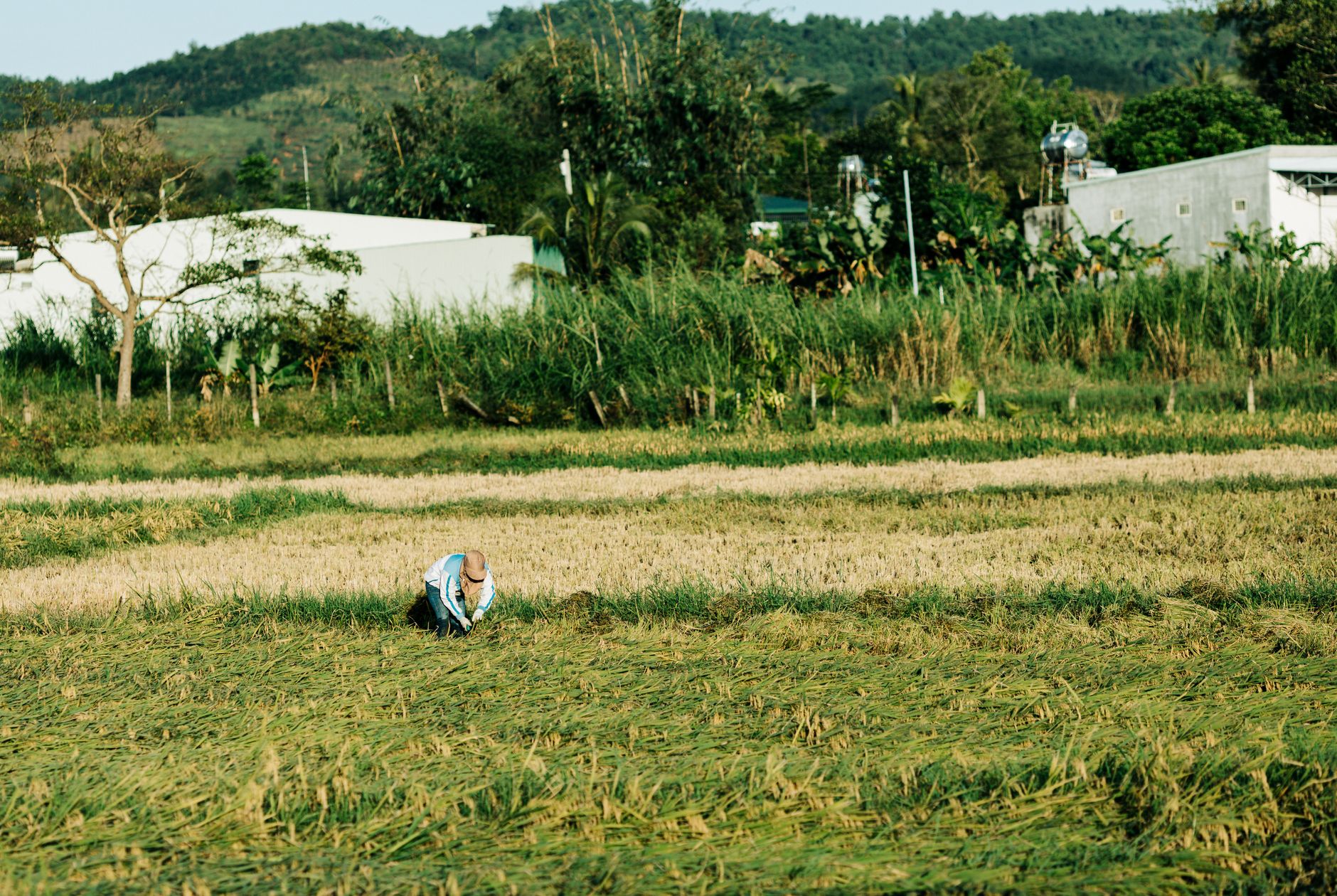
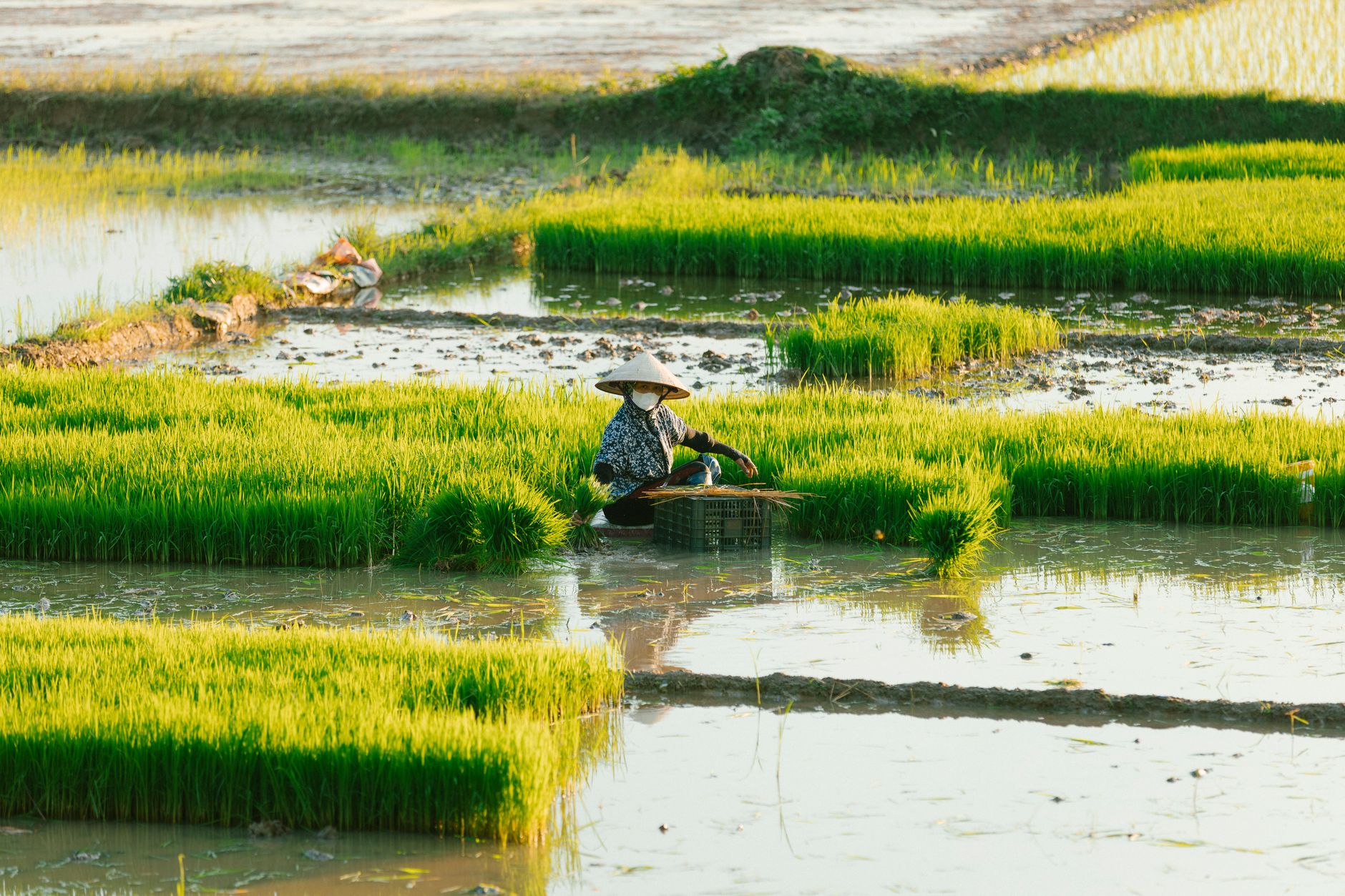
North Vietnam farms follow monsoon and cool-season rhythms; ask which month suits your interests. June through September means flooded rice paddies in Hanoi's countryside—you'll wade and plant, hot and wet. October to February is dry harvest and vegetable season, best for comfort. South Vietnam (around Saigon) grows year-round with different crops: coconut, cacao, herbs. Timing matters because you'll be doing that season's work, not a curated highlight reel. Ask: "What will I actually harvest or tend on the date I'm visiting?" If the host says "we'll figure it out," they haven't planned. Farms in Da Lat's highlands—cooler, strawberry and flower country—run differently than delta farms. Don't assume "farm experience" means rice; the crop shapes the whole day. Check a calendar of local planting cycles (many farms post them) or ask us to match your dates to what's in season.
How do skill level and fitness really fit farm work?
Farm work isn't a gym class—it's repetitive, awkward, and uses muscles desk jobs ignore. Bending to transplant seedlings for two hours will ache tomorrow. Wading in paddies requires balance and comfort with wet, slippery footing. Kids under 8 tire quickly; seniors manage better at vegetable farms (lower bending, shorter hours) than rice paddies. Ask the host: "How much of the work is standing / bending / walking?" Not all farm work is strenuous. Sorting seeds, building compost, feeding chickens, or preparing lunch are gentler. We've run sessions for guests aged 6 to 78—the key is honest matching. Tell us your fitness level and any joint issues upfront; we'll place you at a farm where the work fits and where you won't feel like you're slowing everyone down. A family appreciates effort over speed; they won't time you. Wear shoes with grip, not sandals. Bring a hat, sunscreen, and a change of clothes you don't mind soiling.
Should you expect to eat what you've grown the same day?
Yes, usually—but not always fresh-picked salad. The family cooks lunch (often at their home kitchen, not a separate restaurant space). You'll eat rice, soup, vegetables, and protein they've raised or grown, often using what you harvested that morning. Cooking happens in the family kitchen, not a demonstration setup. Some farms slaughter a chicken the day before; some use preserved fish sauce and salted vegetables stored from past harvests. It's not farm-to-table theater; it's how they eat. Meals take time and are communal—you sit on low stools, share from one pot, and eat at their rhythm. If you have allergies (shellfish, nuts, gluten), tell us before we book. The family can accommodate vegetarian or vegan, but it requires advance notice so they adjust their shopping. Some farms don't have running water in the kitchen; if that troubles you, say so. Eating with the family is where the real conversation happens—about their kids' school, why they chose farming, what city life took from them. Don't skip the meal to save time.
What if it rains or the weather turns bad?
Rain is part of farming. In wet season (May–September), expect afternoon downpours. Most work continues under a roof overhang or a lean-to; the farm has rhythm for this. If conditions are unsafe (lightning, flooded paths, mudslide risk), we reschedule to another date within your trip window. If you can't reschedule, we move the session to covered work: sorting seeds indoors, preparing lunch, repairing tools, learning about soil under a shelter, or visiting a local market where farm families sell. We'll tell you honestly the day before if weather might shift plans. Bring a light rain jacket, not a heavy coat. Waterproof bag for your phone and valuables. Flip-flops in a backpack so you can change out of wet shoes. Farms operate in rain; it's normal. The issue is safety and access, not inconvenience.
| Question to Ask | Why It Matters | Red Flag |
|---|---|---|
| "Which crops will I work with this month?" | Ensures you do real work, not a demo | Vague answer like "we'll see" |
| "How far is the farm from town, and how do we get there?" | Prepares you for travel time and transport type | Host doesn't mention transfer details |
| "What's the family's history—how long have they farmed here?" | Shows if they're rooted or just running a tourism gig | Host can't answer or sidesteps |
| "Are there bathrooms, and can I wash hands/feet?" | Essential for comfort and hygiene | No facilities mentioned |
| "What should I bring and wear?" | Prevents wrong shoes, sunburn, ruined clothes | Generic "casual clothes" advice |
| "If I can't do a task, are there other options?" | Ensures the day won't feel excluded or rushed | Host insists everyone does everything |
What questions should you ask Cáo Experiences directly?
Ask whether kids your age are welcome (some farms are unsafe for toddlers; some actually prefer kids). Ask if the experience includes a market visit or just the farm. Ask whether you can take photos of the family and farm (some prefer not to be in images). Ask how to prepare physically—what to stretch, what to eat beforehand. Ask whether other travelers will be there or if it's private. Ask if you can stay longer if you want. We'll answer every question on WhatsApp before you commit.
What to check before you book
- Dates and season: Confirm which crops are in season when you're visiting. Ask us to match your dates to the farm work cycle.
- Group size and privacy: Decide if you want private (just you) or small group (shared with other travelers). Different farms suit different groups.
- Fitness and health: List any joint pain, mobility issues, or conditions the farm family should know about. Stairs, mud, heat, and humidity affect everyone differently.
- Allergies and diet: Confirm the family can accommodate before we finalize. "Vegetarian" requires advance notice; "no shellfish" is easier.
- Transport reality: Check the farm's distance from your accommodation. A 45-minute drive is normal; ask for honest travel time, not a pretty estimate.
- Expectations: Farms are working spaces, not museums. Expect dirt, unglamorous tasks, and days that don't go to plan. That's the experience.
Related experiences you might enjoy
If you love hands-on learning with food and agriculture, you might also explore a Vietnamese cooking class—many use ingredients farms grow. Or join a street food and market tour to see where farm families sell. For a deeper countryside immersion, pair your farm day with a horse riding experience through rural routes, or a wellness retreat that includes farm meals and slow mornings. All our farm and countryside experiences connect you to how Vietnamese families actually live and eat.
See how a session runs

FAQ
Do I need farming experience to join?
No. We've hosted office workers, retirees, and people who've never touched soil. Farms teach as they go. You'll be clumsy the first hour and useful by the end.
What if I'm very unfit or have a bad knee?
Tell us upfront. We place you at farms with gentler work (vegetable gardens, chicken care, kitchen prep) and shorten the session length. Many seniors choose vegetable farms over rice paddies.
Can kids come? What age?
Yes. Kids 6+ enjoy it most; younger kids get bored or overstimulated. Farms are working spaces, not playgrounds—kids need to follow safety rules and be comfortable with animals and mud.
Will I meet the family, or is it just a guide showing me around?
You work with the family. That's the point. They'll cook, eat, and talk with you. Language is mostly gestures and mime; shared work is a universal language.
What if I hate the experience or want to leave early?
Tell us day-of. We won't force anything. Most guests stay and actually ask to extend. But your comfort matters more than a schedule.
Ask about dates
Tell us the city, your dates and what you would like to try. We reply on WhatsApp in English with options and availability.
FAQ
Do I need farming experience to join?
No. We've hosted office workers, retirees, and people who've never touched soil. Farms teach as they go. You'll be clumsy the first hour and useful by the end.
What if I'm very unfit or have a bad knee?
Tell us upfront. We place you at farms with gentler work (vegetable gardens, chicken care, kitchen prep) and shorten the session length. Many seniors choose vegetable farms over rice paddies.
Can kids come? What age?
Yes. Kids 6+ enjoy it most; younger kids get bored or overstimulated. Farms are working spaces, not playgrounds—kids need to follow safety rules and be comfortable with animals and mud.
Will I meet the family, or is it just a guide showing me around?
You work *with* the family. That's the point. They'll cook, eat, and talk with you. Language is mostly gestures and mime; shared work is a universal language.
What if I hate the experience or want to leave early?
Tell us day-of. We won't force anything. Most guests stay and actually ask to extend. But your comfort matters more than a schedule.
More like this
Farm and countryside days
Fishing Experience Vietnam for Japanese Travelers: Where to Go & What to Expect
Vietnam's waterways offer Japanese travelers a chance to learn traditional fishing methods directly from locals. Cáo Experiences runs half- and full-day sessions on rivers, lakes and the Mekong Delta where you cast nets, set traps, and cook your catch.
Farm and countryside days
Fishing Experience Vietnam for Foreigners: Hands-On Guide
Fishing in Vietnam isn't a spectator sport—you'll wade into rivers, cast nets, trap fish in baskets, and cook your catch for lunch. We run small-group and private fishing days in the countryside outside Hanoi, Ha Noi region, and the Mekong Delta.
Farm and countryside days
Fishing Experience in Vietnam: 8 Questions to Ask Before You Go
Fishing in Vietnam means wading through rice paddies, learning trap techniques, or casting in rivers with local guides. Here's what to ask before you book.