
Home › Blog › Farm and countryside days
Farm Experience in Vietnam Rainy Season: Real Tips
By the Cáo Experiences team · 2026-11-06
A farm experience in Vietnam during rainy season (May–September) means arriving at a family property when weather is unpredictable: mornings often clear, afternoons bring heavy downpours lasting 1–3 hours. Sessions with Cáo Experiences run shorter (3–4 hours instead of full day) and pivot indoors—we teach cooking, fermentation, craft skills, or sit under covered pavilions learning about seasonal harvests and livestock care. Mud, mosquitoes, and slippery paths are real; we adjust footwear recommendations and provide shelter. Cost basis is per-person small-group or private booking (ask us for dates and a quote on WhatsApp). Rain is not cancellation—it's what the countryside is in these months. Most guests find it quieter, more intimate, and botanically stunning.
Why Rainy Season Changes the Farm Day
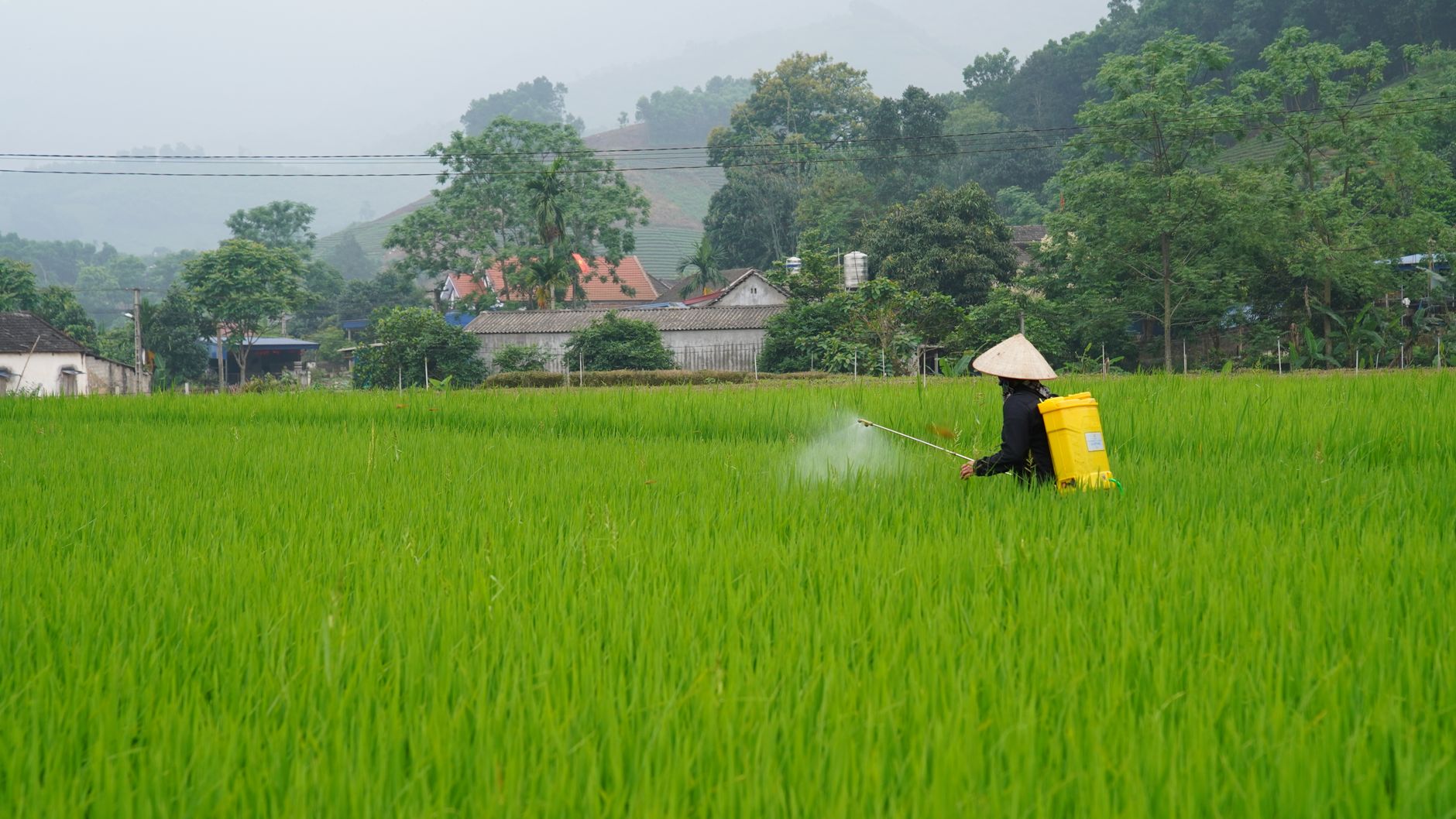
The monsoon shift is physical. Between May and September, afternoon humidity peaks at 90%+, and downpours arrive without warning on many days. Most travelers assume this makes farming impossible—but it reshapes the experience entirely. Lush vegetation grows fastest in rain; animals are calmer in cooler air; and farm families compress outdoor work into early morning. This means we often start at 6:30 or 7 a.m. (earlier than dry-season slots) and move inside by noon. Guests who embrace early starts report the forest smells richest at dawn, and the quiet—fewer tourists, fewer engines—feels closer to real village life.
What Do You Actually Do in Wet-Season Farm Sessions?
Outdoor tasks shrink; hands-on indoor skills expand. In a morning session, you might harvest greens or tend vegetable beds before 10 a.m., then retreat indoors. From there, we teach fermentation (pickle-making, fish sauce fundamentals), herb-drying, traditional rice-milling by hand, or handicraft skills tied to seasonal rhythms—basket weaving, rope-making, or preserving techniques. Cooking classes often anchor the day: you prep and cook a lunch using morning-harvested vegetables in a family kitchen. If rain is light, we demonstrate poultry or livestock feeding; if heavy, we observe and photograph from shelter, discussing seasonal breeding cycles and monsoon diet adjustments for animals. Most guests find the indoor/outdoor mix more relaxing than a full sun-exposed day—less heat exhaustion, more depth in conversation.
What Should You Pack and Wear?
Footwear is the first mistake: cheap flip-flops slip in mud; unsuitable shoes get ruined. Bring waterproof hiking boots or sturdy sandals with thick tread. A lightweight rain jacket (not umbrella—your hands need freeing) is essential; quick-dry trousers work better than jeans. Mosquitoes are aggressive in rainy months, so long sleeves, insect repellent (DEET-based), and a hat are practical. Most guests pack a dry change of socks and shoes—rain often surprises you mid-morning despite a clear dawn. Bring sunscreen anyway; reflection off wet earth and cloud breaks can still burn. A small towel or quick-dry cloth lets you stay comfortable. We provide plastic ponchos if unexpected heavy rain arrives, but they restrict movement; better to arrive prepared. Check the weather forecast 24 hours before and coordinate with us on WhatsApp about any extreme warnings.
How Does Weather Actually Disrupt the Schedule?
Flexibility is non-negotiable. A session planned as 7 a.m.–12 p.m. might end by 11 a.m. if a deluge hits, or extend to 1 p.m. if morning stays dry. We communicate shifts via WhatsApp; you'll know evening before if major changes are needed. Intense lightning forces immediate indoor shelter (safe in covered family kitchens; risky in open fields). Flooded paths occasionally mean redirecting to alternative sections of the property or adjusting which tasks to prioritize. In 15+ years of hosting, we've never cancelled mid-session—we adapt. What sometimes doesn't happen: extended outdoor exploration, long riverside walks, or photography of the landscape in clear light. What always happens: meaningful work, genuine connection, and a meal cooked together. Guests who've done dry-season and rainy-season sessions often say the rain version felt more intimate because distractions disappeared.

Rainy Season vs. Dry Season: A Honest Comparison
| Aspect | Dry Season (Nov–Apr) | Rainy Season (May–Sep) | Better for |
|---|---|---|---|
| Session length | 6–8 hours full-day | 3–4 hours (afternoon rain) | Dry season, if stamina is low |
| Outdoor work | Harvesting, land prep, long walks | Early morning only, then shelter | Dry season, if sun exposure matters |
| Temperature | 15–25°C (cool) | 25–32°C, 80–95% humidity | Personal preference |
| Mosquitoes | Few | Heavy; repellent essential | Dry season, if sensitive |
| Landscape color | Muted, dusty | Vivid green, flowers blooming | Rainy season, visually |
| Solitude | Moderate (more tourists) | High (fewer visitors) | Rainy season, for peace |
| Indoor skills focus | Light (outdoor dominates) | Deep (cooking, craft, fermentation) | Rainy season, if you prefer indoors |
| Cost per person | Higher (longer, more guide time) | Lower (shorter sessions) | Rainy season, budget-conscious |
Rainy-season experiences suit travelers who want depth over duration, don't mind mud, and prefer village rhythm over tourism pace. Dry season suits those seeking endurance, clear skies for photos, and minimal insect pressure.
Which Regions' Farms Handle Rain Best?
Northern hill regions (near Hanoi or Da Lat approaches) often have October–November shoulder rain, making it lighter than central Vietnam's May–September monsoon. Southern Mekong properties experience flooding risk July–August—we coordinate carefully, sometimes moving sessions to higher ground or expanding indoor components. The Mekong delta's raised platforms and water-based farming actually intensify during rainy season, becoming visually spectacular but muddier underfoot. Central Vietnam (Hoi An surrounds) sits in a sweet spot: brief afternoon showers rather than all-day rain, and lush greens make the work feel purposeful. Visit our farm experience page to ask us about regional differences by location.
If you're booking a farm and countryside experiences session in Hanoi, we'll focus on valley properties where early mornings stay clear and shelters are robust. Booking in Saigon means discussing Mekong logistics; Da Lat visits shift toward highland tea farms and vegetable terraces, where cool rain is the norm and guides adjust timing accordingly. Reach out early—we'll match your fitness, preferences, and tolerance for weather to the right property and season timing.
What to Check Before You Book
- Mobility: Can you walk on slippery paths in mud boots? Step in/out of low farm vehicles? Sit on floor cushions in kitchens? Tell us limitations; we adapt.
- Dietary needs: Allergies, vegetarian, or food aversions? Confirm on WhatsApp before booking so the host family can plan meals without surprises.
- Rain tolerance: Do sudden downpours cause anxiety or excitement? Honesty helps us pick the right session or reschedule to a drier window.
- Physical condition: Rainy-season sessions are less strenuous (shorter, more seated work) but still involve standing, reaching, and uneven ground. Seniors and families do fine; let us know your pace.
- Footwear: Bring waterproof boots with grip. Cheap shoes fail visibly and ruin the day.
- Timing: Early morning (6:30–7 a.m. start) is non-negotiable in rainy months. Confirm you can arrive on time.
- Weather window: Expect confirmation or rescheduling 24 hours before if a typhoon or extreme warning is issued. Flexibility is essential.
Pages from our team you may need
- Vietnamese cooking class
- street food and market tour
- Vietnamese coffee workshop
- flower arranging workshop

FAQ
Will the farm experience be cancelled if it rains?
No. Rain in May–September is expected; we adapt indoors or shorten the day. Cancellation only occurs if extreme weather (typhoon warning) arrives 24 hours before. We'll confirm via WhatsApp if changes are needed.
Should I reschedule to dry season instead?
Only if you dislike mud, insects, or unpredictable weather. Rainy season offers greener landscapes, fewer tourists, more intimate indoor learning, and lower cost. Dry season suits those wanting long outdoor days and clear photos.
Do I need special gear beyond waterproof boots and a rain jacket?
Bring DEET insect repellent, long sleeves, a quick-dry towel, dry socks, and sunscreen. Avoid umbrellas; they restrict hands. We provide ponchos if rain surprises you, but arrive prepared anyway.
How many hours does a rainy-season farm session last?
Typically 3–4 hours (7 a.m.–11 a.m. or 12 p.m., depending on afternoon weather). Dry season runs 6–8 hours. Shorter doesn't mean less meaningful—the pace is deeper.
Can kids and seniors do rainy-season farm experiences?
Yes. We adjust for age and mobility. Kids enjoy mud; seniors appreciate indoor cooking and craft focus. Tell us ages and fitness on WhatsApp, and we'll design a session that works.
What if I'm allergic to insects or have a phobia of mud?
Rainy season isn't ideal for you. Insect pressure peaks; mud is unavoidable. Dry season (Nov–Apr) is far better. Discuss allergies or fears early—we'll suggest alternatives or recommend timing.
Ask about dates
Tell us the city, your dates and what you would like to try. We reply on WhatsApp in English with options and availability.
FAQ
Will the farm experience be cancelled if it rains?
No. Rain in May–September is expected; we adapt indoors or shorten the day. Cancellation only occurs if extreme weather (typhoon warning) arrives 24 hours before. We'll confirm via WhatsApp if changes are needed.
Should I reschedule to dry season instead?
Only if you dislike mud, insects, or unpredictable weather. Rainy season offers greener landscapes, fewer tourists, more intimate indoor learning, and lower cost. Dry season suits those wanting long outdoor days and clear photos.
Do I need special gear beyond waterproof boots and a rain jacket?
Bring DEET insect repellent, long sleeves, a quick-dry towel, dry socks, and sunscreen. Avoid umbrellas; they restrict hands. We provide ponchos if rain surprises you, but arrive prepared anyway.
How many hours does a rainy-season farm session last?
Typically 3–4 hours (7 a.m.–11 a.m. or 12 p.m., depending on afternoon weather). Dry season runs 6–8 hours. Shorter doesn't mean less meaningful—the pace is deeper.
Can kids and seniors do rainy-season farm experiences?
Yes. We adjust for age and mobility. Kids enjoy mud; seniors appreciate indoor cooking and craft focus. Tell us ages and fitness on WhatsApp, and we'll design a session that works.
What if I'm allergic to insects or have a phobia of mud?
Rainy season isn't ideal for you. Insect pressure peaks; mud is unavoidable. Dry season (Nov–Apr) is far better. Discuss allergies or fears early—we'll suggest alternatives or recommend timing.
More like this
Farm and countryside days
Fishing Experience Vietnam for Japanese Travelers: Where to Go & What to Expect
Vietnam's waterways offer Japanese travelers a chance to learn traditional fishing methods directly from locals. Cáo Experiences runs half- and full-day sessions on rivers, lakes and the Mekong Delta where you cast nets, set traps, and cook your catch.
Farm and countryside days
Fishing Experience Vietnam for Foreigners: Hands-On Guide
Fishing in Vietnam isn't a spectator sport—you'll wade into rivers, cast nets, trap fish in baskets, and cook your catch for lunch. We run small-group and private fishing days in the countryside outside Hanoi, Ha Noi region, and the Mekong Delta.
Farm and countryside days
Fishing Experience in Vietnam: 8 Questions to Ask Before You Go
Fishing in Vietnam means wading through rice paddies, learning trap techniques, or casting in rivers with local guides. Here's what to ask before you book.