
Home › Blog › Farm and countryside days
Farm Experience Vietnam for Australian Travelers: What to Expect
By the Cáo Experiences team · 2026-11-06
A farm experience in Vietnam for Australian travelers typically runs one to three days—either a single countryside outing or an overnight stay in a family's home on their working land. You'll arrive early morning, help with seasonal tasks (planting, harvesting, watering), share meals cooked from what you've picked, and learn how smallholders rotate crops and raise livestock. Most programs operate in the cooler months (October–April) when weather suits fieldwork; rainfall is manageable with proper gear. Cost varies by location, duration, and group size—ask us for dates and a quote on WhatsApp. Cáo Experiences coordinates transport, translation, meals, and homestay details; we adapt for age, fitness, dietary needs, and rain without canceling. Aussie guests typically worry about language, insects, and bathroom facilities—all handled upfront. Bring sturdy shoes, sun protection, and an appetite for unglamorous, real village work. Ask about dates on WhatsApp
What makes a farm stay different from a tourist farm visit?
Many commercial "farm tours" are staged demonstrations on manicured plots. A genuine farm experience puts you on an active smallholding where the family actually lives and works year-round. You're not watching; you're helping. One Australian couple spent a morning weeding rice paddies with a widow and her grown son—the son joked about tourists' weak knees, they laughed, then the family's neighbor dropped by and invited them to his daughter's birthday meal. That's the difference: you're in their rhythm, not a rehearsed performance. Real farms are messier, slower, and far more memorable.
Which regions suit different skill levels and fitness?
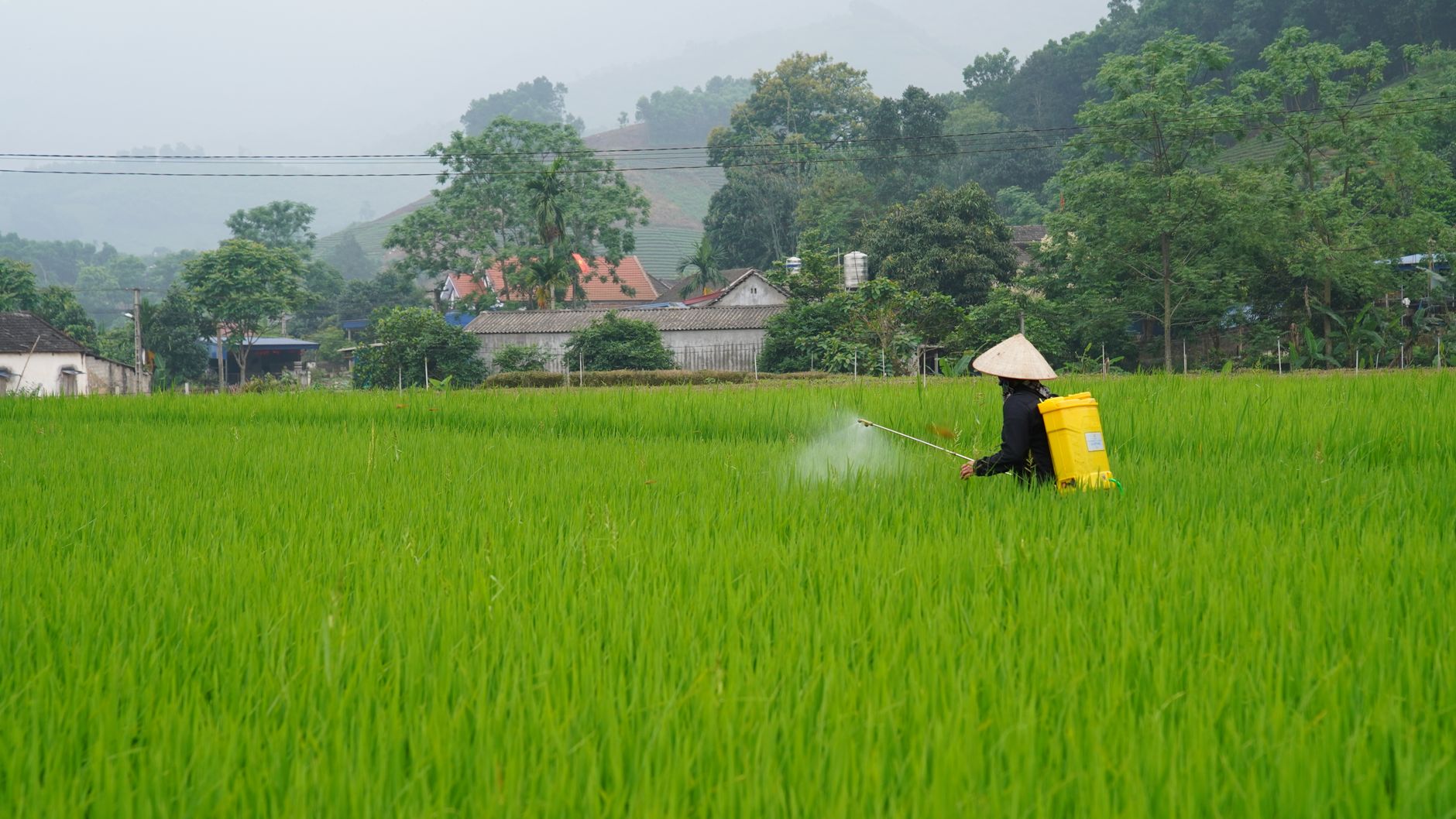
Lowland rice paddies (Hanoi delta, Red River valley) need moderate fitness: water management, transplanting seedlings, walking flooded fields. Upland terraces (Da Lat, northern hills) demand better balance and leg strength—steep slopes, narrow paths, sometimes hand-harvesting vegetables on steep contours. Mekong homestays (southern delta, orchards) are gentler: fruit picking, composting, riverside work from a boat. Livestock and crop rotation (mixed family farms near Hoi An) suit those unable to walk far—you help with animals, repair tools, assist with processing. We assess fitness honestly on WhatsApp; no one's pushed beyond comfort. Kids aged 8+ manage rice paddies fine; seniors do well on fruit farms. The key is honesty about your knees, hips, and sun tolerance before booking.
How do we handle rain, allergies, and dietary needs?
Rain rarely cancels a farm day—it's part of the work. We adjust: move to indoor tasks (tool repair, seed sorting, food preservation), help shelter animals, or work shorter hours and spend longer on meals and storytelling. Waterproof jackets and proper shoes matter. For allergies, we ask about them when coordinating and warn the family; crops vary by season, and some households keep bees or goats—you'll know in advance. Dietary needs (vegetarian, coeliac, shellfish) are communicated to the host family, who adjust cooking. One British vegan guest ended up in long conversations about nitrogen-fixing legumes and the family's lentil crop; it deepened the whole experience. We don't serve restaurant food—it's what the household eats, adapted for you within reason.
What's a realistic day-to-day breakdown for a three-day farm stay?
| Time | Activity | Reality check |
|---|---|---|
| 5:30–6:00 AM | Wake, coffee, walk fields | Cool, quiet; roosters real; Aussies often skip sleep from excitement |
| 6:30–9:30 AM | Primary work task (harvest, transplant, repair) | Repetitive, slower than expected; hands get dirty; legs ache if unfit |
| 10:00–11:30 AM | Rest, wash, chat with family, snacks | Family explains what you just did; accents hard to catch; kids climb on you |
| 12:00–1:30 PM | Lunch (often rice, greens, eggs, fish, soup) | Very filling; spice varies; locals eat more rice than Aussies; eat what's offered |
| 2:00–4:00 PM | Secondary task or learn cooking/craft (noodle-making, preserving) | Postlunch energy dip is real; you'll move slowly; this is when friendships form |
| 4:30–5:30 PM | Evening walk, water animals, prepare dinner | Cooler; this is when kids run free and grandma tells stories through translation |
| 6:00–8:00 PM | Dinner and family time (cards, farming talk, TV) | Locals sleep early; you'll be tired; homestay has limited light after dark |
| 9:00 PM onward | Bed (simple mattress, shared bathroom, roosters at dawn) | Earplugs help; bathrooms are squat or low-flow; no AC on some farms |
The rhythm is dictated by light, heat, and the family's rhythm—not a schedule. It feels slow by Australian standards, which is the point.

Which experiences pair well with a farm stay?
If you're in the northwest (Hanoi region), combine a farm and countryside experience with a Vietnamese coffee workshop—many upland farms grow coffee, and a host family can walk you through roasting and brewing. In Da Lat, add a flower arranging workshop (the town supplies most of Vietnam's flowers); in the delta, a street food and market tour shows you where your farm's surplus sells. For families with kids, family-friendly farm experiences often include a cooking class where children help prepare and eat what they've harvested—memory-binding for a six-year-old. Couples often love pairing a farm stay with a quiet tea experience at a village house afterward—a chance to sit still and digest what you've learned.
What do Australian travelers say surprises them most?
Aussies expect isolation and hardship; what they find is constant company and comfort. You're rarely alone—the family works alongside you, kids follow you around, neighbors visit, and there's always a meal or conversation. The physical work is less intense than Australian farm labor (no industrial machinery, smaller scales). Many Australians come from rural or semi-rural backgrounds and feel oddly sentimental—one guest from a sheep property in NSW said working a Vietnamese rice paddies made him reconsider what he'd taken for granted on his own land. Others arrive anxious about language and leave fluent in farming vocabulary. The biggest surprise: you'll miss the place. Families often exchange phone numbers and stay in touch; some Australians return the next season.
How do we prepare you before arrival?
Coordination happens entirely on WhatsApp. We ask about:
- Fitness and injury history – this shapes which farm and tasks
- Dietary needs and allergies – forwarded to the family
- Language comfort – we arrange a translator if helpful
- Clothing and gear – we send a packing list (sturdy shoes, sun hat, waterproof layer, insect repellent)
- Expectations – we're honest: this isn't glamping, it's real work, and the family's lifestyle is not luxury
We also send a short video or photos of the host family and their property so you're not walking into unknowns. We arrange pickup from your hotel or transport hub, so you don't navigate motorbikes or bus schedules. On arrival, we spend the first hour explaining the family's daily rhythm, showing you the bathroom and sleeping area, and introducing you properly—not dumping you on strangers.
What to check before you book
- Season: October–April is cooler and less rainy; May–September suits water-based work (flooding, transplanting) but is humid. Ask which fits your schedule.
- Duration: One day is a taster; two–three days lets friendships form and fatigue set in (then ease out). More than five days risks repetition unless you're learning a specific skill.
- Fitness reality: Be honest. We turn no one away, but a steep-slope farm won't suit someone with knee pain. Same conversation, no judgment.
- Group size: Private stays (family of 4–5) are more intimate; small groups (6–8 people) mix you with other travelers and reduce per-person coordination. Both work.
- Language: English-speaking coordinator travels with group sessions; private homestays may have no English-speaker on-site—that's quieter and fine if you're okay with gestures and laughter.
- Homestay vs. village guesthouse: Most homestays have basic beds, shared bathrooms, no Wi-Fi. Some families have upgraded rooms; ask us specifically what the setup is.

FAQ
Is the work too hard for someone over 60?
No—we run programs for guests 65–75 on gentle farms (orchards, vegetable gardens, livestock). Pace is yours; rest as much as you work. Friendships often run deepest on slower days.
Will I get sick from the food or water?
Unlikely. Host families cook their own food hygienically; water is boiled for tea and drinking. Stomach adjustment happens—travel anywhere does—but illness is rare. We brief the family on your stomach if you're nervous.
How much Vietnamese do I need to speak?
None. We coordinate in English; most families know basic numbers and greetings. Translation happens via WhatsApp or a local coordinator on-site. Silence and laughter work fine.
Can I do a farm experience and visit Hoi An Ancient Town in the same trip?
Yes. A farm stay near Hoi An (2–3 days) pairs well with town time. Most guests do 2 days farm, 2 days exploring. We can chain experiences together.
What's the best month for a farm stay?
October–December: cool, dry, multiple crop cycles active. January–April: still pleasant, spring planting. May–September: hot, humid, but fewer tourists. Ask us which farm and crops suit your dates.
Do families accept short notice bookings?
Rarely. Book 4–6 weeks ahead so families can plan tasks and meals. Emergencies sometimes work; ask on WhatsApp with your dates.
Are there farms that focus on a specific crop (coffee, fruit, rice)?
Yes. We partner with coffee-growing households in the highlands, fruit orchards in the south, and rice-paddy families in the delta. Tell us your interest; we'll match you.
Will I need travel insurance that covers farm work?
Farm tasks are gentle (no climbing, no power tools). Standard travel insurance covers you; no special "adventure" rider needed. We manage liability through our coordination.
Ask about dates
Tell us the city, your dates and what you would like to try. We reply on WhatsApp in English with options and availability.
FAQ
Is the work too hard for someone over 60?
No—we run programs for guests 65–75 on gentle farms (orchards, vegetable gardens, livestock). Pace is yours; rest as much as you work. Friendships often run deepest on slower days.
Will I get sick from the food or water?
Unlikely. Host families cook their own food hygienically; water is boiled for tea and drinking. Stomach adjustment happens—travel anywhere does—but illness is rare. We brief the family on your stomach if you're nervous.
How much Vietnamese do I need to speak?
None. We coordinate in English; most families know basic numbers and greetings. Translation happens via WhatsApp or a local coordinator on-site. Silence and laughter work fine.
Can I do a farm experience and visit Hoi An Ancient Town in the same trip?
Yes. A farm stay [near Hoi An](/destinations/hoi-an) (2–3 days) pairs well with town time. Most guests do 2 days farm, 2 days exploring. We can chain experiences together.
What's the best month for a farm stay?
October–December: cool, dry, multiple crop cycles active. January–April: still pleasant, spring planting. May–September: hot, humid, but fewer tourists. Ask us which farm and crops suit your dates.
Do families accept short notice bookings?
Rarely. Book 4–6 weeks ahead so families can plan tasks and meals. Emergencies sometimes work; ask on WhatsApp with your dates.
Are there farms that focus on a specific crop (coffee, fruit, rice)?
Yes. We partner with coffee-growing households in the highlands, fruit orchards in the south, and rice-paddy families in the delta. Tell us your interest; we'll match you.
Will I need travel insurance that covers farm work?
Farm tasks are gentle (no climbing, no power tools). Standard travel insurance covers you; no special "adventure" rider needed. We manage liability through our coordination.
More like this
Farm and countryside days
Fishing Experience Vietnam for Japanese Travelers: Where to Go & What to Expect
Vietnam's waterways offer Japanese travelers a chance to learn traditional fishing methods directly from locals. Cáo Experiences runs half- and full-day sessions on rivers, lakes and the Mekong Delta where you cast nets, set traps, and cook your catch.
Farm and countryside days
Fishing Experience Vietnam for Foreigners: Hands-On Guide
Fishing in Vietnam isn't a spectator sport—you'll wade into rivers, cast nets, trap fish in baskets, and cook your catch for lunch. We run small-group and private fishing days in the countryside outside Hanoi, Ha Noi region, and the Mekong Delta.
Farm and countryside days
Fishing Experience in Vietnam: 8 Questions to Ask Before You Go
Fishing in Vietnam means wading through rice paddies, learning trap techniques, or casting in rivers with local guides. Here's what to ask before you book.