
Home › Blog › Farm and countryside days
Fishing Experience in Vietnam for Couples
By the Cáo Experiences team · 2026-11-06
A fishing experience in Vietnam for couples typically means a half-day or full-day session at a family-run fishery or riverside spot outside the main cities, where you learn hand-casting, net techniques, or line fishing while your host shares local knowledge about water, seasons, and catch patterns. You'll wade, sit quietly, and often cook part of your catch for lunch. Sessions run year-round but are calmest in cooler months (October–March); summer heat and monsoon rain require flexibility. Cáo Experiences hosts these as small private or two-person bookings, coordinated via WhatsApp, with no prior skill needed—beginner jitters are normal, and we adapt the pace, water depth, and techniques to suit you both. Cost varies by location, length, and meal inclusion; ask us for dates and a quote on WhatsApp. Ask about dates on WhatsApp
What draws couples to fish together in Vietnam?
Fishing appeals to couples because it sidesteps the "tourist checklist" feeling. You're not performing; you're doing something quiet and slightly unpredictable side by side. One partner often casts while the other watches the water, then you swap. There's downtime for conversation, no phones buzzing, and genuine surprise when something bites. Many couples tell us they move at their own pace, laugh at mistakes, and feel the satisfaction of landing something real—then cooking it together. It's intimate without being awkward, active without being exhausting. The rhythm of fishing—cast, wait, reel, reset—matches how couples want to travel now: slower, together, away from crowds.
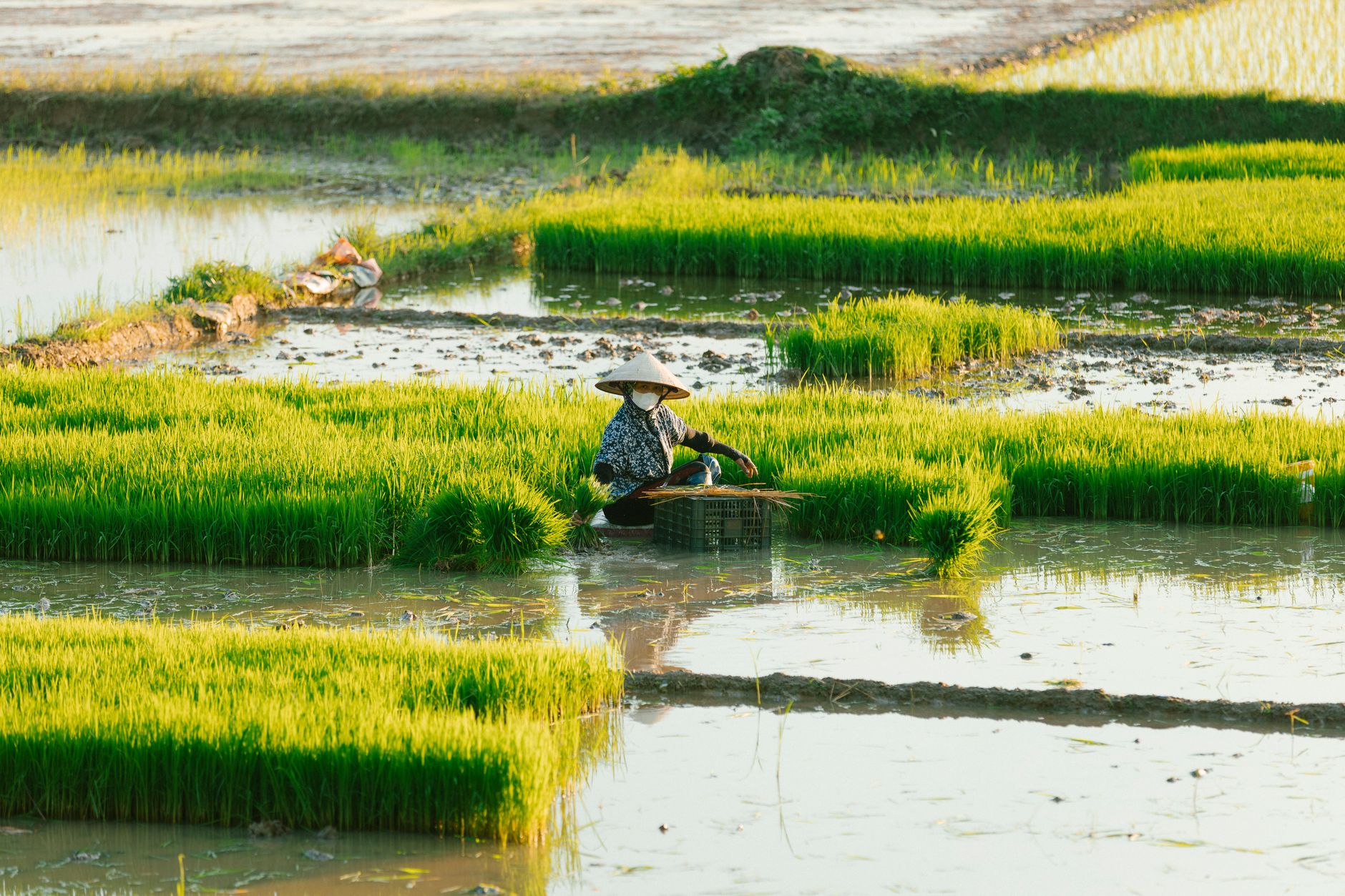
Where do couples fish near Hanoi, Hoi An, or Da Nang?
We run fishing sessions at family-owned fisheries and riverside spots within an hour's drive of each city, chosen for accessibility and working conditions. In experiences in Hanoi, couples fish in freshwater ponds and slow sections of rivers south and west of the city center, where water is calmer and the local hosts know the bottom, feeding patterns, and safe wading zones. Near Hoi An and Da Nang, we work with coastal and brackish-water spots where tidal cycles shape the bite and you might encounter both freshwater and saltwater species depending on season.
Each location is a working fishery or family operation—not a manicured resort—so you see how locals actually fish here: nets, traps, and lines are in use nearby. No fancy clubhouses or Instagram backdrops; the charm is in the genuine setup. We choose spots reachable for couples with standard fitness; some involve short walks on uneven banks or shallow wading. Rain doesn't cancel us, but monsoon swells or flooding do, and we reschedule immediately.
What techniques will we actually learn?
We teach hand-casting (underhand flick used in traditional Vietnamese fishing), simple spinning or baitcasting reels if you prefer, and net techniques—the small circular cast-net that takes practice but feels triumphant when it opens right. Your host will demonstrate on themselves first so you see the full motion, then you'll try repeatedly without pressure. Beginners worry they'll "do it wrong," but nets and lines are forgiving; you'll land plenty of casts before the day ends.
We also cover bait selection (live or paste, depending on target species), reading water (shade, current, depth clues), and the patience part—sitting still for 20 minutes is harder than it sounds, and it's the couple skill. You'll learn to tie a simple clinch knot, how to feel a bite through the line, and when to set the hook. If either of you has a disability, injury, or limited mobility, we adapt: seated fishing from a platform, shorter sessions, or hand-over-hand guidance. We've worked with couples in their 60s and 70s who found it deeply meditative.
How is lunch involved, and what if we're vegetarian or allergic?
Most fishing sessions include a simple cook-up: we fillet part of what you catch (or prepare pre-caught fish if the day's fishing is slow) and cook it on-site in a pan over a charcoal fire or portable stove. You'll eat fresh, mild, often just salt and lime. It's never a fancy meal—it's proof of your effort. If you catch nothing, your host has backup fish or vegetables; no one leaves hungry.
We always ask about dietary restrictions, allergies, and preferences before the session. Vegetarian? We'll teach the fishing but focus the lunch on greens, rice, and herbs sourced locally—just ask when you book. Shellfish allergy, gluten concern, or vegetarian partner? Your host will know and adjust. The meal is outdoor, simple, and honest; if you'd rather cook at a local kitchen as a follow-up Vietnamese cooking class, we can coordinate that too.
What should couples pack and wear?
| Item | Why it matters | Beginner mistake |
|---|---|---|
| Lightweight, quick-dry pants | Splashing and wading happen; cotton takes forever to dry | Wearing jeans—they chill you in wind |
| Non-slip shoes or water sandals | Banks are slippery, especially wet; rocks are uneven | Flip-flops (lose them in water or turn ankles) |
| Sunscreen and hat | Reflection off water is intense; you sit still for hours | Forgetting it; sunburn ruins the next day |
| Light long-sleeve shirt | Sun protection and insect buffer | Sleeveless = regret by afternoon |
| Small backpack | Water bottle, snacks, phone, camera, dry change | Large luggage (nowhere to put it) |
| Insect repellent | Mosquitos peak at dawn and dusk | Skipping it; you'll itch for days |
Bring a camera—your host will sometimes handle it—but don't let phones dominate. We encourage couples to put devices away for an hour blocks. For rainy sessions, we provide basic rain ponchos; waterproof bags for gear are essential. If it's monsoon-heavy, we'll reschedule; light drizzle is fine and often improves fishing.

What happens if fishing is slow or we don't catch anything?
Slow days happen. Fish don't read your itinerary. On quiet mornings, couples often find the not catching part is actually the point—you're just together, moving slowly, noticing birds and water temperature changes. But your host knows backup strategies: moving to a different spot, switching bait, or trying netting instead of line fishing. If nothing bites by mid-morning, we'll cook prepared fish and treat it as a skills session; you'll still learn knots, casting, and water reading without the pressure of performance.
A few couples have told us the "failure" part—casting wrong, line tangling, watching a bite get away—is what made them laugh hardest and bond over. Fishing isn't guaranteed, and that honesty is part of why it works. Your host will never pretend the day was a success if you didn't catch much, but will show you why (season, water temperature, tide, weather patterns) and what would change it. You'll understand Vietnam's fishing reality, not a fantasy version.
How does this compare to other couple experiences in Vietnam?
| Experience | Duration | Pace | Physical demand | Cost basis | Best for |
|---|---|---|---|---|---|
| Fishing | 4–6 hours | Slow, meditative | Low–moderate | Ask for quote | Quiet time, learning a craft |
| Horse riding | 2–4 hours | Active, rhythmic | Moderate–high | Ask for quote | Energy, scenic routes |
| Coffee workshop | 2–3 hours | Hands-on, focused | Low | Ask for quote | Taste education, indoor comfort |
| Flower arranging | 2–3 hours | Creative, social | Low | Ask for quote | Artistic collaboration, keepsake |
| Farm and countryside | 4–6 hours | Mixed activity | Low–moderate | Ask for quote | Broad village immersion |
Fishing is unique because it's the only one that's waiting-based; the others are all doing-then-done. If you want constant motion, horse riding or a farm and countryside experience suit couples better. If you want to sit and talk with purpose, fishing wins. If you want to create something beautiful together, flower arranging is better. Mix and match: many couples book fishing for one day and a Vietnamese cooking class or street food and market tour another day to get the full rhythm of rural and culinary Vietnam.
What should you check before booking a fishing session?
- Fitness and water comfort. Can you both wade in shallow water (knee-to-hip depth) without panic? Do you swim or are you confident around water? Fishing isn't swimming, but comfort matters.
- Realistic expectations. Are you fishing because you want the outdoor skill, or only because you think it'll guarantee dinner? Phrase it right: "We want to learn and spend time together in nature," not "We want to catch dinner." Attitude carries the day.
- Season and weather. Fishing is best October–March (cooler, calmer). April–September is hot and monsoon-prone; sessions still run, but rain reschedules are common. Ask us for the best current window.
- Commitment to pace. If either of you gets bored sitting still for 30 minutes, fishing isn't your experience. A farm and countryside visit with multiple activities might suit you better.
- Dietary and health flags. Tell us: vegetarian, allergies, pregnancy, injuries, medications that affect sun exposure, or mobility limits. We adapt everything; silence doesn't help.
- Transport and logistics. We coordinate pickup from your hotel or a meeting point via WhatsApp. You don't need a car; we arrange it. Confirm the time zone and meeting spot in writing.
What do real couples tell us afterward?
We don't publish reviews here, but common feedback: couples say the morning quiet surprised them (they expected it to feel awkward but didn't), they laughed at beginner fumbles, and they often ask if they can return to the same spot next year. A few couples have asked to book a Vietnamese cooking class the next day to cook fish again—a natural follow-up. Some mention it was the first time they'd worked as a team on a non-verbal task in years. A few admit they were skeptical about fishing specifically but loved the slowness and said it reset their holiday energy.
FAQ
Do we need fishing experience?
No. We teach beginners; most couples have never fished before. Your host will demo every technique and repeat it as many times as needed. Patience and willingness to get wet matter far more than skill.
What's the best season to fish in Vietnam?
October through March: cooler, less monsoon, calmer water, and better bites. Summer (May–September) is hot and rainy, but fishing still happens—we just reschedule if conditions are unsafe.
Can we fish if one of us doesn't want to get wet?
Yes. One partner can wade and cast while the other observes, takes photos, or helps with net handling from dry ground. We adapt roles so both of you are engaged and comfortable.
What happens if we don't catch anything?
We cook prepared fish anyway, you learn the skills, and your host explains why (water temp, season, bait). Fishing is unpredictable; that's the honest reality and often the most memorable part.
How long does a fishing session typically last?
Half-day (4 hours) or full-day (6–7 hours). Early morning (before heat) is best; we start at sunrise and finish mid-afternoon. Lunch is included in full-day sessions.
How do we book and what's the cost?
Message us on WhatsApp to check dates and request a quote—we'll give you a price based on location, group size (you two), and length. No hidden fees; we're upfront about everything.
Ask about dates
Tell us the city, your dates and what you would like to try. We reply on WhatsApp in English with options and availability.
FAQ
Do we need fishing experience?
No. We teach beginners; most couples have never fished before. Your host will demo every technique and repeat it as many times as needed. Patience and willingness to get wet matter far more than skill.
What's the best season to fish in Vietnam?
October through March: cooler, less monsoon, calmer water, and better bites. Summer (May–September) is hot and rainy, but fishing still happens—we just reschedule if conditions are unsafe.
Can we fish if one of us doesn't want to get wet?
Yes. One partner can wade and cast while the other observes, takes photos, or helps with net handling from dry ground. We adapt roles so both of you are engaged and comfortable.
What happens if we don't catch anything?
We cook prepared fish anyway, you learn the skills, and your host explains why (water temp, season, bait). Fishing is unpredictable; that's the honest reality and often the most memorable part.
How long does a fishing session typically last?
Half-day (4 hours) or full-day (6–7 hours). Early morning (before heat) is best; we start at sunrise and finish mid-afternoon. Lunch is included in full-day sessions.
How do we book and what's the cost?
Message us on WhatsApp to check dates and request a quote—we'll give you a price based on location, group size (you two), and length. No hidden fees; we're upfront about everything.
More like this
Farm and countryside days
Fishing Experience Vietnam for Japanese Travelers: Where to Go & What to Expect
Vietnam's waterways offer Japanese travelers a chance to learn traditional fishing methods directly from locals. Cáo Experiences runs half- and full-day sessions on rivers, lakes and the Mekong Delta where you cast nets, set traps, and cook your catch.
Farm and countryside days
Fishing Experience Vietnam for Foreigners: Hands-On Guide
Fishing in Vietnam isn't a spectator sport—you'll wade into rivers, cast nets, trap fish in baskets, and cook your catch for lunch. We run small-group and private fishing days in the countryside outside Hanoi, Ha Noi region, and the Mekong Delta.
Farm and countryside days
Fishing Experience in Vietnam: 8 Questions to Ask Before You Go
Fishing in Vietnam means wading through rice paddies, learning trap techniques, or casting in rivers with local guides. Here's what to ask before you book.