
Home › Blog › Farm and countryside days
Fishing Experience in Vietnam in December: What to Know
By the Cáo Experiences team · 2026-11-06
December fishing in Vietnam works best in the north and central highlands, where water temperatures drop and fish activity peaks. A typical session with Cáo Experiences runs 4–6 hours: we meet you at a family-run fishing spot (a quiet lake or river reach, not a tourist trap), teach casting, net work, or traditional trap-checking depending on the water and season, then cook or eat what you catch. You'll wear weatherproof layers and wading boots; bring a towel. December has no rain risk here. We adapt for kids (lighter rods, shallow zones), seniors (sitting spots, slow pace), and non-swimmers (shore-based netting). Cost varies by location and group size—ask us for dates and a quote on WhatsApp. Skip crowded commercial fishing parks; the real learning happens with local families who fish for food, not cameras.
What makes December the right month for fishing in Vietnam?
December marks the start of Vietnam's dry, cool season—water temperatures fall to 15–22°C in the north, triggering peak feeding in carp, tilapia, and catfish species. Humidity drops below 70%, making long outdoor hours comfortable. Tourist pressure is lower than summer, so you'll find quieter stretches of water and host families with more time to teach. The window closes by mid-January as New Year holidays flood the region.
This is when we book most of our farm and countryside experiences that include water-based work—not just fishing, but also net repair, trap setting, and fish preservation methods that generations have used.
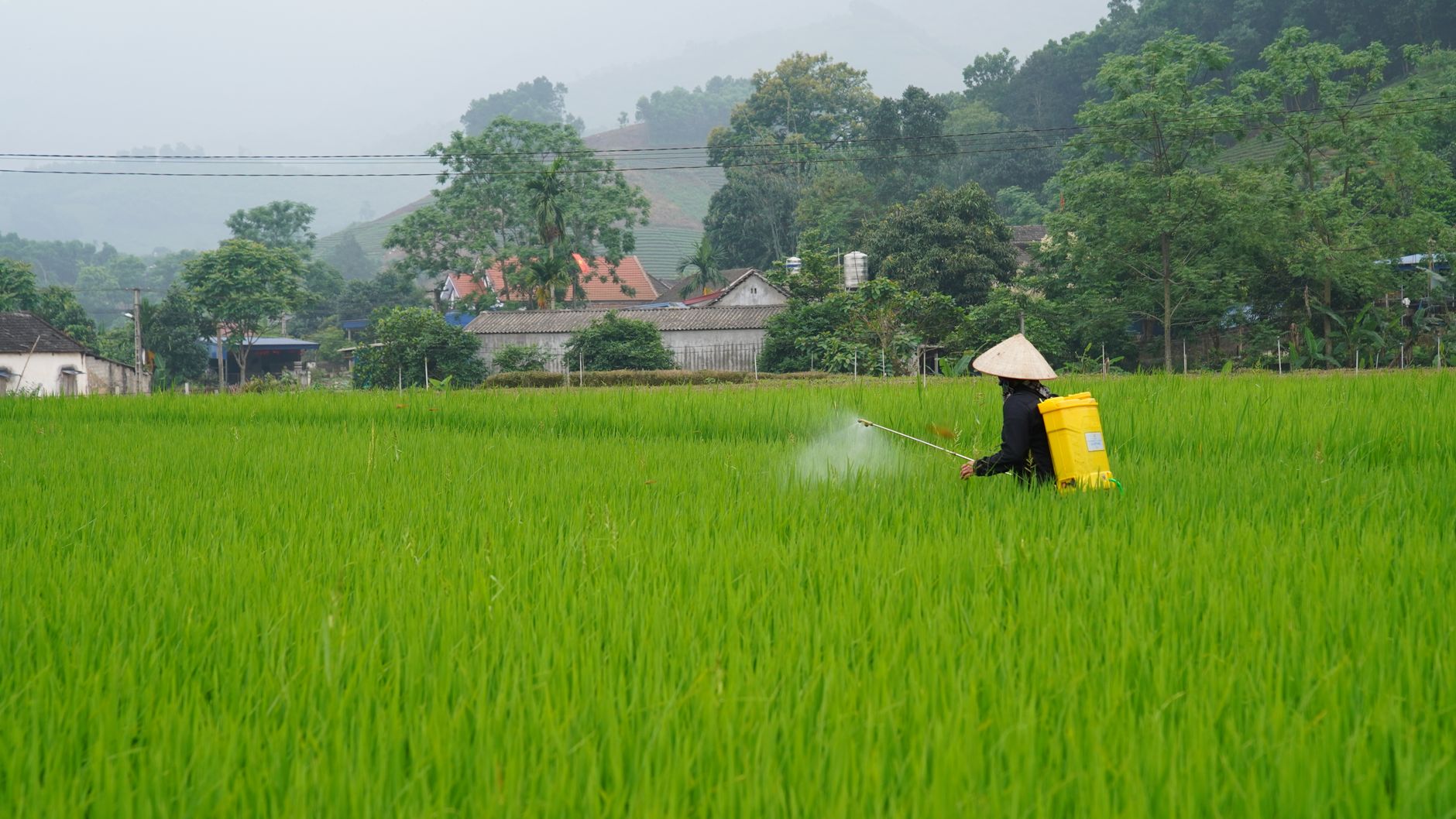
Where should you fish in December across Vietnam's regions?
Northern lakes and rivers (Hanoi and surrounding provinces): Large reservoirs 1–2 hours from the city stay productive year-round; December water clarity improves, and morning mist creates the kind of quiet your phone won't capture. Carp and snakehead dominate. We often pair experiences in Hanoi with a half-day fishing trip to a family kitchen in a valley an hour north, where you'll learn to net and then cook your catch.
Central highlands (around Da Lat): Cool-water fish like trout and carp thrive in higher-altitude lakes and streams at 1,500–1,800 m. The air temperature hovers at 12–18°C—bring a warm layer. These trips suit couples and small families who want solitude.
Central coastal zones (Hoi An and Da Nang regions): Brackish lagoons and river systems fish best in early December before winds peak. Technique shifts toward net casting and trap work in shallow water. We combine these with experiences in Hoi An or nearby countryside days if you want to add a market or cooking angle.
Mekong Delta (Saigon region): December floods recede, leaving narrow channels and oxbow lakes where catfish and tilapia school. This region stays warm (22–28°C) and humid, so it's ideal if you want December fishing without cold-weather gear. Pair it with street food and market tours to learn what species are seasonal table staples.
What's the difference between tourist fishing spots and real working trips?
| Aspect | Tourist Fishing Park | Cáo Real-Water Experience |
|---|---|---|
| Water type | Stocked concrete ponds, chlorinated or murky | Family-run lakes, rivers, or lagoons used for local food |
| What you catch | Farmed, pre-fed fish (guaranteed catch) | Wild or semi-wild stock; catch varies with skill and patience |
| Technique taught | Rod casting, reel handling only | Casting, netting, traps, local rigging, reading water signs |
| Time to learn | 30 min; rote repetition after | 3–6 hours; embedded in actual daily practice |
| Host | English-speaking staff, high turnover | Local fishers; we translate and adapt your pace |
| Cost basis | Per-fish fee or hourly rental (hidden add-ons) | Group rate or private; ask us for a quote |
| Real skill you take home | Muscle memory for rod use only | Net casting, water-reading, seasonal knowledge, confidence to fish independently in Vietnam |
Real trips rarely guarantee a big catch. If the water is slow, you'll spend time understanding why—watching for insect hatches, reading current, checking traps you didn't set yourself. That's the learning that sticks.
What do you actually wear, bring, and prepare for a December fishing session?
Clothing layers (December water is 15–22°C in the north):
- Merino or fleece long-sleeve shirt (dries fast, breathes)
- Waterproof or water-resistant overshirt or rain jacket
- Quick-dry pants; denim absorbs water and stays cold
- Wool or synthetic socks (not cotton)
- Closed-toe wading shoes or old trainers you don't mind soaking
Carry with you:
- Towel (absorbent microfiber if you own one)
- Sunscreen (December sun reflects off water)
- Hat or cap (reduces glare, keeps you visible to the host)
- Small backpack (for layers you peel off as you warm up)
- Phone in a waterproof case if you want photos
- Any personal medications
What we provide: Rods, nets, waders if you want them (fitted during a pre-session WhatsApp call), insect repellent, and a hot drink (tea or coffee) mid-session.
Prepare your body: Fishing involves standing, reaching, and sometimes wading on uneven stones. If you have knee or lower-back issues, tell us in your first message—we'll choose a spot with sitting platforms and adjust the pace.

How does the session flow from start to finish?
You'll meet us early (6–7 a.m. is typical to catch morning activity). We drive together (20 min to 2 hours depending on location) to a quiet lake or river reach—often a place where the host's family has fished for decades.
Hour 1: Greet the host family, walk the bank, watch how water and light change. We show you how to read insect activity, depth clues, and where fish stage. You'll handle a rod for the first time in this water, cast under instruction, and feel the difference between a sluggish morning and the moment fish start feeding.
Hours 2–4: Rotate between casting (if rods suit you), netting (the primary technique most hosts use), and—if you're interested—checking traps or reviewing the host's daily log of what species moved through overnight. Kids often take to net work faster than rod casting; seniors appreciate the rhythm of repetition without high intensity. We pause for a snack (often fresh fruit or rice cake the host brings).
Hour 4–5: If you've caught anything you like, the host will show you how to clean and prepare it. Often a family member is already cooking in a kitchen a few steps away—your catch becomes part of lunch or dinner.
After: We debrief, discuss what you'd do differently, and give you a simple checklist so you can fish independently on your own trips. We also connect you with farm and countryside experiences or other hands-on classes if you want to build on the fishing skill (e.g., how to preserve your catch, or how fish fit into Vietnamese seasonal cooking).
Sessions work for all ages and fitness levels. Kids (6+) love netting and wading. Seniors often prefer sitting-based netting or trap work. Couples often fish as a team, one on the rod, one managing the net.
What about rain, allergies, or dietary changes during the trip?
December rain: Rare in the north and highlands; coastal zones see occasional drizzle but not downpour. We've never cancelled a session. Light rain actually improves fishing (fish feed more actively). Bring your rain jacket.
Allergies: Tell us in WhatsApp before booking. Insect repellent, sun lotion, and the food your host prepares are the main touch points. We can source itch-free repellent or skip it entirely if you prefer natural sun protection. If you can't eat freshwater fish, we'll arrange a side dish.
Vegetarian or vegan guests: We choose host families used to non-fishing guests, or we bring prepared meals. The cultural learning—watching how fishing sustains a family—remains the same.
Physical limits: Wading isn't mandatory. Shore-based netting and trap inspection work just as well and suit people with joint concerns or mobility limits. Tell us your limits; we design the session around them.
How does fishing fit into a broader Cáo experience itinerary?
A one-off fishing morning can be complete, but many guests thread it into a longer stay. After fishing, you might:
- Cook your catch: Join a Vietnamese cooking class where you prep the fish you caught and learn regional recipes.
- Learn the seasonal angle: A coffee workshop in the same region teaches you how December crop timing affects the local economy—fishing and farming are intertwined here.
- Deepen countryside knowledge: Combine with a full farm and countryside experiences day to see how rice paddies, fish ponds, and orchards form a single ecosystem.
- Explore by region: If you're based in Ho Chi Minh City, we can set up a Delta-based fishing + market + cooking arc that shows you food security from water to table.
Fishing is tactile and honest—there's no faking whether you've caught something. That simplicity makes it a natural anchor for other learning. Once you've stood in cold water waiting for a carp to take your net, the rest of Vietnam feels closer.
What to check before you book a fishing experience
- Confirm the water type and target species with us (freshwater lake vs. tidal lagoon changes everything about technique).
- Mention any physical limits early—wading depth, standing endurance, joint issues—so we match you to the right location and host.
- Ask about catch-and-release vs. harvest ethics (some guests want to fish for sport, others for food; we accommodate both, but the host's practice differs by location).
- Verify the time commitment (4-hour half-day sessions are standard; full-day trips require extra coordination).
- Check what's included in your quote—transport, meals, tackle rental, coaching—before you confirm.
- Ask about weather contingencies (December is safe, but coastal regions can shift; we'll tell you if rescheduling is wise).

FAQ
Is December too cold to fish in Vietnam?
December water in northern lakes and highlands is 15–22°C—cool enough to make fish active, but not painful for wading with layers. Coastal zones stay 22–28°C. Bring a fleece and you'll be comfortable for 4–6 hours.
Will I definitely catch fish on my trip?
No. Fishing is unpredictable. Some mornings the water is slow; other days you'll catch more than you expected. The learning is in the how, not the how many. We design sessions where you learn technique and water reading whether the catch is big or small.
Can kids fish in December in Vietnam?
Yes. Kids 6+ can handle nets, rods, and wading under supervision. December water is safer (less current, cooler temps mean slower movement) than summer. Sessions are shorter and more playful; netting is often faster to teach than casting.
Do I need fishing experience to join?
No. We teach from zero. Most people have never cast a net or read water signs before; that's the whole point. Beginners often learn faster than experienced rod fishers because they're not fighting old habits.
What happens if the local catch isn't safe to eat?
Host families fish these waters for food themselves—they know what's safe and seasonal. If there's any doubt, they'll tell us and we'll either shift location or skip eating the catch and focus on technique. We can also bring backup food.
How far is the fishing spot from the nearest city?
Depends on region. Hanoi-area trips are 1–2 hours north. Hoi An trips are 30 min to 1 hour inland. Saigon (Ho Chi Minh City) Delta trips are 1–3 hours south. We arrange transport and build it into your session time.
Ask about dates
Tell us the city, your dates and what you would like to try. We reply on WhatsApp in English with options and availability.
FAQ
Is December too cold to fish in Vietnam?
December water in northern lakes and highlands is 15–22°C—cool enough to make fish active, but not painful for wading with layers. Coastal zones stay 22–28°C. Bring a fleece and you'll be comfortable for 4–6 hours.
Will I definitely catch fish on my trip?
No. Fishing is unpredictable. Some mornings the water is slow; other days you'll catch more than you expected. The learning is in the *how*, not the *how many*. We design sessions where you learn technique and water reading whether the catch is big or small.
Can kids fish in December in Vietnam?
Yes. Kids 6+ can handle nets, rods, and wading under supervision. December water is safer (less current, cooler temps mean slower movement) than summer. Sessions are shorter and more playful; netting is often faster to teach than casting.
Do I need fishing experience to join?
No. We teach from zero. Most people have never cast a net or read water signs before; that's the whole point. Beginners often learn faster than experienced rod fishers because they're not fighting old habits.
What happens if the local catch isn't safe to eat?
Host families fish these waters for food themselves—they know what's safe and seasonal. If there's any doubt, they'll tell us and we'll either shift location or skip eating the catch and focus on technique. We can also bring backup food.
How far is the fishing spot from the nearest city?
Depends on region. Hanoi-area trips are 1–2 hours north. Hoi An trips are 30 min to 1 hour inland. Saigon (Ho Chi Minh City) Delta trips are 1–3 hours south. We arrange transport and build it into your session time.
More like this
Farm and countryside days
Fishing Experience Vietnam for Japanese Travelers: Where to Go & What to Expect
Vietnam's waterways offer Japanese travelers a chance to learn traditional fishing methods directly from locals. Cáo Experiences runs half- and full-day sessions on rivers, lakes and the Mekong Delta where you cast nets, set traps, and cook your catch.
Farm and countryside days
Fishing Experience Vietnam for Foreigners: Hands-On Guide
Fishing in Vietnam isn't a spectator sport—you'll wade into rivers, cast nets, trap fish in baskets, and cook your catch for lunch. We run small-group and private fishing days in the countryside outside Hanoi, Ha Noi region, and the Mekong Delta.
Farm and countryside days
Fishing Experience in Vietnam: 8 Questions to Ask Before You Go
Fishing in Vietnam means wading through rice paddies, learning trap techniques, or casting in rivers with local guides. Here's what to ask before you book.