
Home › Blog › Farm and countryside days
Fishing Experience in Vietnam in January: What to Know
By the Cáo Experiences team · 2026-11-06
Fishing in Vietnam in January means calm inland waterways, coastal bays with flat conditions, and temperatures between 15–22°C—ideal for first-timers and experienced anglers alike. January sits outside the monsoon season, so rain is rare and water levels are stable. We run half-day and full-day farm and countryside experiences that combine fishing with meals cooked from your catch or local ingredients, taught in family kitchens or waterside setups across the Red River Delta, the Mekong, and coastal areas. Sessions include tackle setup, casting technique, local fish species knowledge, and cultural context around how fishing has shaped rural life. Beginners worry about casting accuracy and patience—we adapt by starting in shallow channels where strikes are frequent, and we always pair fishing with food preparation so downtime becomes part of the learning. Ask us for dates and a quote on WhatsApp; most sessions run 4–6 hours and include transport, equipment, and refreshment. Ask about dates on WhatsApp
Why January is peak fishing season in Vietnam
January sits between Vietnam's two monsoon periods, leaving waterways calm and predictable. Northeast winds ease, coastal bays flatten, and inland water temperatures stabilize—all reduce the stress on fish and make them more responsive to bait and lures. We've found January guests catch more consistently than in rainy months, partly because water clarity improves and feeding patterns become routine. The cooler air also suits longer hours of casting without exhaustion. If you've fished elsewhere and struggled with tropical heat or chaotic weather, January's steady 15–22°C mornings and bright, dry afternoons feel like the fishing gods smiled on Vietnam.

What fishing waters are accessible for visitors?
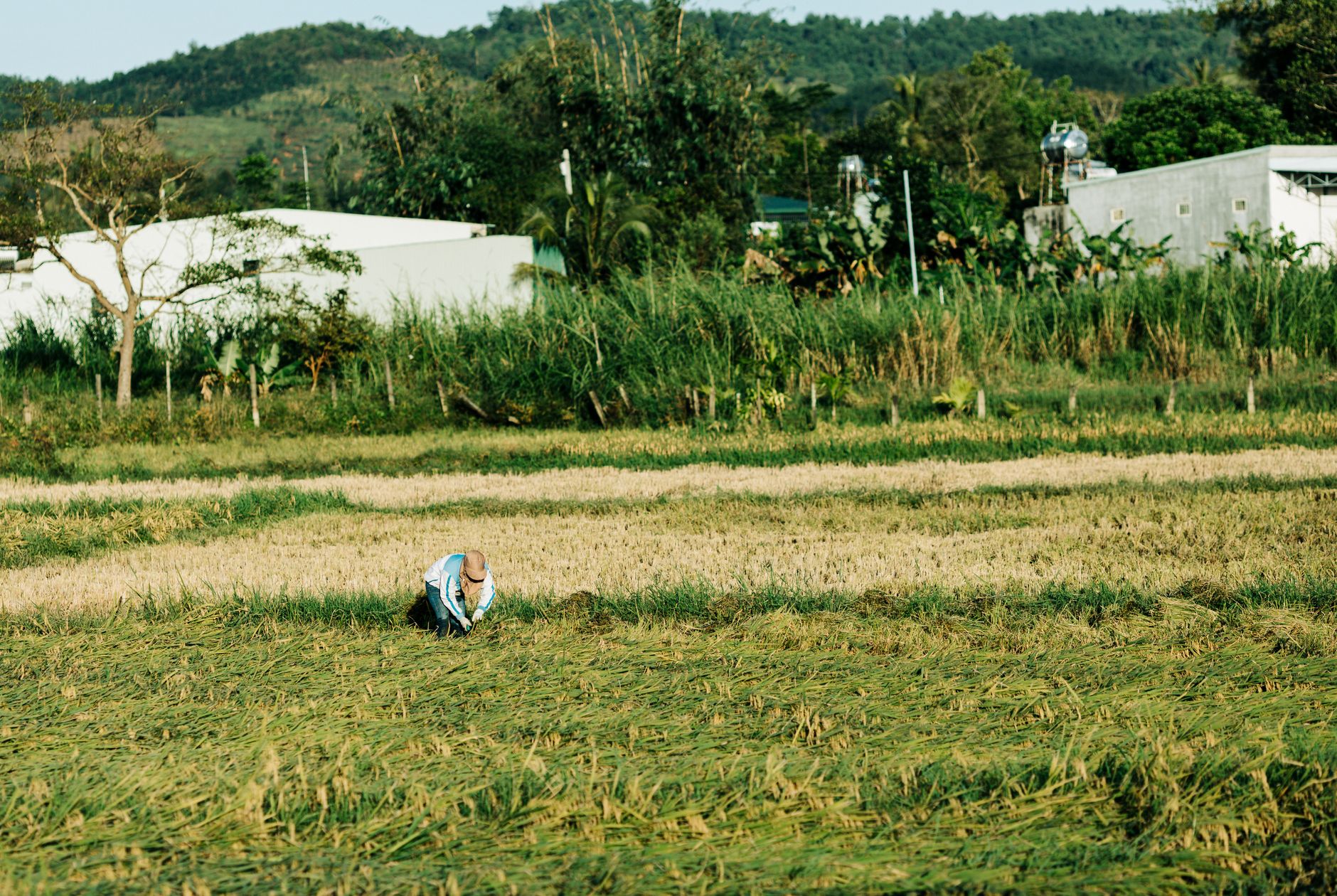
Vietnam's main fishing zones for visitors span inland rivers, deltaic waterways, and coastal bays. The Red River Delta (around Hanoi) offers narrow channels through rice paddies where small carp and catfish school reliably; experiences in Hanoi can include these sessions within a day trip. The Mekong Delta (near Saigon) has vast networks of canals where giant snakehead, catfish, and tilapia respond well to morning and late-afternoon sessions; Saigon-based experiences often combine fishing with floating-market visits. Coastal areas around Hoi An and Da Nang offer small-boat bay fishing for sea bass and grouper in January's calm waters. We coordinate transport and arrange access through local fishing families—not tourist traps. Most sessions happen on small wooden boats or from canal banks; you'll be the only visitors, working alongside or under the guidance of actual fishers who use these waters daily.
What will I actually catch and cook?
What you catch depends on your location and water type. In delta channels, expect carp (1–3 kg), catfish (0.5–2 kg), and snakehead (1–4 kg)—all delicious when grilled or made into soup. Coastal catches lean toward sea bass, grouper, and small mackerel (0.3–1.5 kg each). If your catch is modest or the fish don't bite, we supplement from a local market so you still have enough to cook. Sessions include either a waterside kitchen setup (in rural deltas) or a host family's home kitchen where you'll learn to prepare your fish alongside fresh vegetables, herbs, and local sauces. Guests often say the best part isn't the fish weight—it's eating something you caught 90 minutes earlier, cooked by someone who grew up on that river. Vegetarians and those with seafood allergies should mention it when you contact us; we'll arrange a freshwater or plant-based catch-and-cook alternative that feels equally authentic.
How do skill level, age, and fitness fit into fishing?
Fishing doesn't require prior experience, strength, or athleticism. Casting technique can be learned in 10 minutes; patience is the real skill, and kids as young as 6 handle it better than adults sometimes do. We've hosted guests aged 4–82; younger children sit with a parent and co-hold the rod, while seniors fish from a stationary boat or bank where standing isn't required. If you have mobility concerns (knee, back, shoulder) or are pregnant, tell us—we'll choose calm, shallow channels where you can fish seated or simply watch, participate in the cook, and join the meal. What does limit fishing is extreme wind (rare in January) or algal blooms (not typical in January); we monitor conditions weekly and communicate via WhatsApp if a date needs moving.

What should you pack and wear for January fishing?
Wear lightweight, long sleeves (cotton or linen) to block sun and insect bites without overheating. Bring a wide-brimmed hat, sunscreen, and polarized sunglasses—water glare is intense even in cool months. Shoes should grip wet surfaces; water sandals or old sneakers work. Pack a light layer (fleece or thin jacket) for early mornings before the sun climbs; by 10 a.m. you'll likely shed it. Bring a small towel, a water bottle (we refill it), and any personal medications or snacks. We provide all fishing tackle, bait, and basic first aid. Avoid heavy makeup, jewelry, or new clothes—fish scales and cooking smoke stain, and jewelry catches on hooks. If you wear glasses, bring a band to secure them. Most importantly, leave valuables at your accommodation; bring only a phone (in a waterproof case) and ID.
| Concern | What to do | Why it matters |
|---|---|---|
| Sunburn on the water | Sunscreen SPF 30+, reapply every 2 hrs | January sun reflects off water intensely |
| Seasickness in coastal areas | Eat a light breakfast; choose inland waterways if prone | Coastal boats move more; deltas are glassy-calm |
| Mosquitoes at dawn/dusk | Long sleeves, insect repellent | Waterside insects peak at sunrise and sunset |
| Getting bored while waiting for bites | Bring a book or camera; chat with local fisher | Fish don't bite constantly; downtime is part of the rhythm |
| Feeling cold early morning | Wear a layer; we have blankets on boats | January mornings hover around 15–18°C |
How does a real fishing session unfold hour by hour?
A typical 5-hour session starts with pickup from your accommodation around 6 a.m. We drive 20–40 minutes to the fishing site—a river, delta channel, or coastal bay—and arrive as light breaks. Your local fisher guide (or co-host) explains the water, shows you the fish species you'll target, and sets up tackle: casting rod, simple rig, and fresh bait (usually small shrimp, worm, or dough balls for inland; mullet or squid for coastal). By 6:45 a.m. you're casting. Expect 2–3 strikes per hour if conditions are good; slow periods are normal. Around 8:30 a.m., when the morning bite slows, we pack your catch and head to the kitchen—either a waterside shelter or a host family's home. From 9:30–11:30 a.m., you'll prep and cook alongside our co-host: scaling and gutting (we guide every step), then grilling, steaming, or making soup. By noon, you're eating in the shade or indoors, drinking fresh lime juice or Vietnamese coffee, and listening to stories about local fishing history. We return by 1 p.m. Kids often ask to stay longer; it's that engaging.
What to check before you commit to a fishing experience
Confirm your preferred location (delta, river, or coastal) and whether you want to fish solo, as a couple, or in a group; we tailor boat and meal size accordingly. Mention any dietary restrictions (vegetarian, allergies, religious rules) when you ask about dates; we always adapt. Check weather forecasts leading up to your date, but January is stable—postponements are rare. Ask about language: our hosts speak English; local fisher guides may know limited English, but we translate. Confirm transport: we pick you up from your hotel; tell us where you're staying. Ask if tackle is included (it always is) and whether the experience ends with cooking or just the catch (most include both; some guests prefer to take raw fish home). Verify start time—early mornings (5:30–6 a.m.) maximize bites but require punctuality; we can adjust slightly if you're not a morning person.
##
FAQ
Is January too cold for fishing in Vietnam?
No. January waters range 15–22°C depending on region; this is comfortable for casting, prevents heat exhaustion, and actually improves fish behavior. Wear light layers, and you'll be fine.
What if I've never fished before?
We've hosted complete beginners aged 6 to 80. Casting takes 10 minutes to learn; we guide every step. You'll catch fish on your first session.
Can I do this alone, or does it have to be a group?
Both. We run private sessions and small groups. Private sessions let us pace entirely around you; groups (usually 2–4 people) share cost and create fun energy. Ask which suits you.
What happens if the fish aren't biting?
We rotate to different spots, try different baits, and adjust technique. On rare slow days, we source fish from a local market so your cooking session still happens fully. Fishing is never guaranteed; the experience is the process, not the catch weight.
Is the catch-and-cook part mandatory, or can I just fish?
Optional. Some guests want fishing only; others want fishing plus cooking. Let us know your preference. The cook usually makes the session more memorable, because you see the whole cycle.
Do you offer fishing in other seasons, or just January?
January is optimal (calm, cool, fewer crowds), but we run fishing year-round. Monsoon months mean fewer trips and rainier conditions; we'll advise honestly on what to expect each season.
What if I catch nothing—do I still pay the same?
Yes, because the guide's time, boat, tackle, and kitchen setup are what you're paying for—not the weight of fish. We've never had a session where nobody caught anything, though.
Can kids really do this for 5 hours?
Yes, especially if they're outdoors-curious. We break it into fishing blocks (1–2 hours) and mix in water play, snack time, and the cook as variety. Ages 5+ engage fully; younger kids do 2–3 hours maximum.
What's included in the price, and what costs extra?
Ask us for dates and a quote on WhatsApp; we'll itemize pickup, fishing time, equipment, meal, and any add-ons (photos, extra dishes, transport distance). Drinks and gratuity are typically separate.
How do I book, and how far in advance?
Message us on WhatsApp with your preferred dates, group size, and location. January fills early; book 2–4 weeks ahead if possible. We confirm dates, send payment details, and coordinate pickups via chat.
Ask about dates
Tell us the city, your dates and what you would like to try. We reply on WhatsApp in English with options and availability.
FAQ
Is January too cold for fishing in Vietnam?
No. January waters range 15–22°C depending on region; this is comfortable for casting, prevents heat exhaustion, and actually improves fish behavior. Wear light layers, and you'll be fine.
What if I've never fished before?
We've hosted complete beginners aged 6 to 80. Casting takes 10 minutes to learn; we guide every step. You'll catch fish on your first session.
Can I do this alone, or does it have to be a group?
Both. We run private sessions and small groups. Private sessions let us pace entirely around you; groups (usually 2–4 people) share cost and create fun energy. Ask which suits you.
What happens if the fish aren't biting?
We rotate to different spots, try different baits, and adjust technique. On rare slow days, we source fish from a local market so your cooking session still happens fully. Fishing is never guaranteed; the experience is the process, not the catch weight.
Is the catch-and-cook part mandatory, or can I just fish?
Optional. Some guests want fishing only; others want fishing plus cooking. Let us know your preference. The cook usually makes the session more memorable, because you see the whole cycle.
Do you offer fishing in other seasons, or just January?
January is optimal (calm, cool, fewer crowds), but we run fishing year-round. Monsoon months mean fewer trips and rainier conditions; we'll advise honestly on what to expect each season.
What if I catch nothing—do I still pay the same?
Yes, because the guide's time, boat, tackle, and kitchen setup are what you're paying for—not the weight of fish. We've never had a session where nobody caught anything, though.
Can kids really do this for 5 hours?
Yes, especially if they're outdoors-curious. We break it into fishing blocks (1–2 hours) and mix in water play, snack time, and the cook as variety. Ages 5+ engage fully; younger kids do 2–3 hours maximum.
What's included in the price, and what costs extra?
Ask us for dates and a quote on WhatsApp; we'll itemize pickup, fishing time, equipment, meal, and any add-ons (photos, extra dishes, transport distance). Drinks and gratuity are typically separate.
How do I book, and how far in advance?
Message us on WhatsApp with your preferred dates, group size, and location. January fills early; book 2–4 weeks ahead if possible. We confirm dates, send payment details, and coordinate pickups via chat.
More like this
Farm and countryside days
Fishing Experience Vietnam for Japanese Travelers: Where to Go & What to Expect
Vietnam's waterways offer Japanese travelers a chance to learn traditional fishing methods directly from locals. Cáo Experiences runs half- and full-day sessions on rivers, lakes and the Mekong Delta where you cast nets, set traps, and cook your catch.
Farm and countryside days
Fishing Experience Vietnam for Foreigners: Hands-On Guide
Fishing in Vietnam isn't a spectator sport—you'll wade into rivers, cast nets, trap fish in baskets, and cook your catch for lunch. We run small-group and private fishing days in the countryside outside Hanoi, Ha Noi region, and the Mekong Delta.
Farm and countryside days
Fishing Experience in Vietnam: 8 Questions to Ask Before You Go
Fishing in Vietnam means wading through rice paddies, learning trap techniques, or casting in rivers with local guides. Here's what to ask before you book.