
Home › Blog › Farm and countryside days
Fishing experience in Vietnam: is it worth it?
By the Cáo Experiences team · 2026-11-06
A fishing experience in Vietnam is genuinely worthwhile if you want to step outside tourist routines and spend time with local fishers in working conditions. Most sessions run 3–4 hours on boats or in freshwater ponds outside towns, teaching you net-casting, trap-checking, and boat handling. You'll work shoulder-to-shoulder with fishers who use methods unchanged for decades, then share a meal cooked from your catch. The value lies not in guaranteed trophy fish but in honest labor, quiet water, and understanding how rural families eat and work. At Cáo Experiences, we run these as small private or pair groups with English-speaking guides who explain the ecology and livelihood side. Beginner-friendly; no prior skill needed. Expect to get wet, tired, and genuinely fed.
What actually happens during a fishing session?
We meet you at dawn or mid-afternoon at a working boat dock or pond on the outskirts of town. Your guide introduces you to the fisher—usually a man or woman in their 40s–70s who has worked the water for decades. You change into old clothes we provide, step aboard a wooden or metal working boat (not a sightseeing vessel), and motor 10–30 minutes to nets or traps already set in the water. You don't cast a rod and wait; instead, you haul hand-lines, check submerged cage traps for catfish or snakehead, learn to throw a circular cast net, and help sort the morning or evening catch by hand. Your guide translates technical talk and asks the fisher about their family's history, the changing fish populations, and how they navigate the seasons. After 2–3 hours, you return to shore, help clean and gut the fish, and sit down to a simple meal—usually grilled or simmered fish, herbs, rice, and vegetables—cooked in a small kitchen or outdoor stall nearby. The whole experience takes 4–5 hours. You leave knowing how to read water for fish, why nets are set where they are, and what "breakfast" costs a rural family.
Is it worth it if you've never fished before?
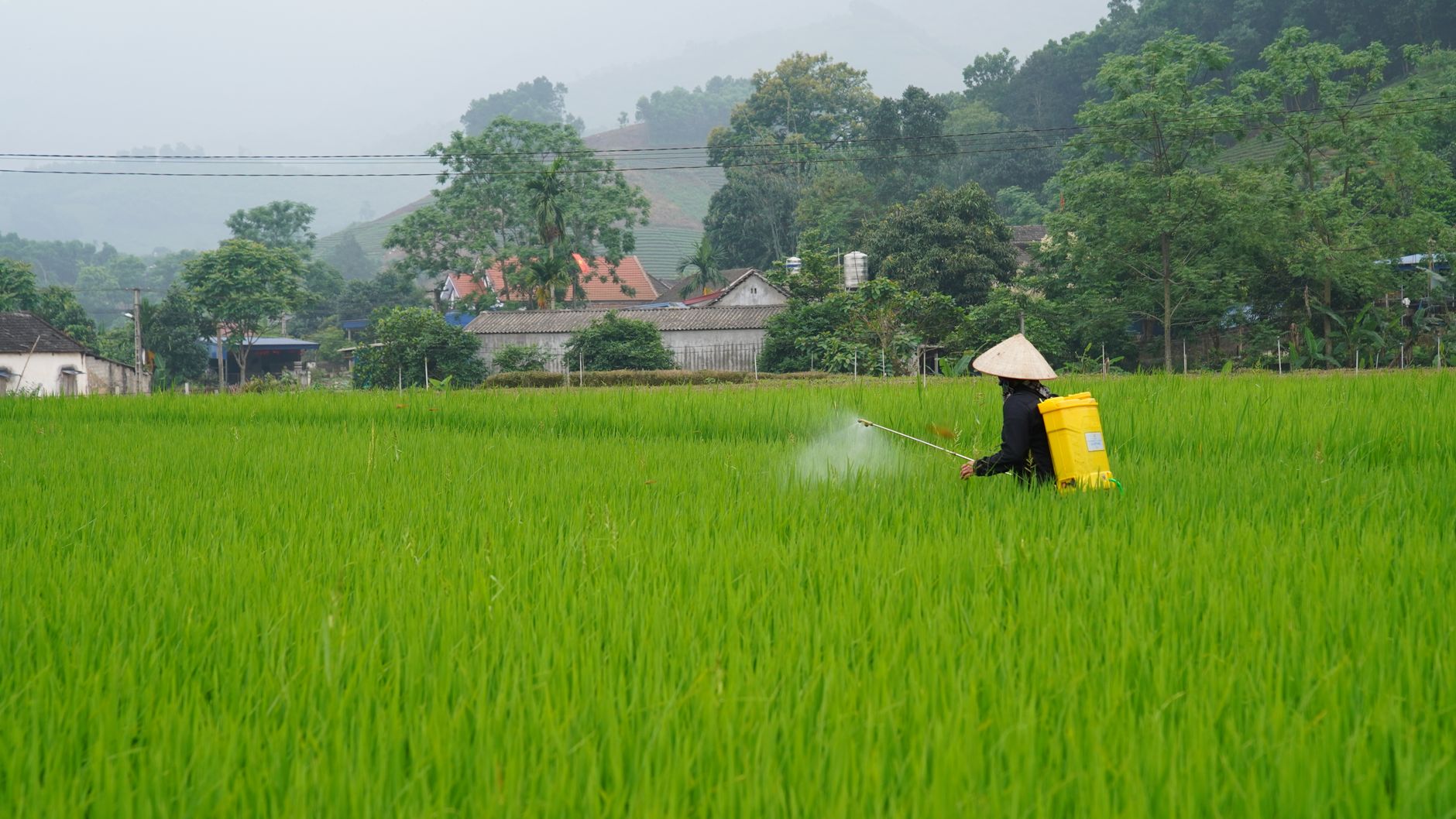
Yes. We adapt every session to absolute beginners, and there is no embarrassment in not knowing a net from a trap. Most fishers expect to teach; they've trained their own children this way. What matters is your willingness to get up early, work your body (hauling nets uses your shoulders and core), and accept that you might not catch much. Quiet temperament helps more than skill. If you're nervous about fish, blood, or insects, we'll be honest: you will see all three. We recommend fishing experiences to couples seeking non-touristy shared memory, solo travelers wanting solitude with purpose, and groups of friends aged 16–70 who trust each other. Families with children aged 10+ can join if the child is comfortable in boats and handles fish without panic. We do not recommend it for anyone with a phobia of water, open boats, or killing—we're seeing a working livelihood, not a petting zoo. The payoff is authenticity; no stage acting, no forced smiles, just real hands and water and hunger afterward.
How does fishing in Vietnam compare to other countryside experiences?
| Experience | Best for | Duration | Physical demand | Best season |
|---|---|---|---|---|
| Fishing (nets/traps) | Quiet workers, non-swimmers | 4–5 hours | High (hauling) | Year-round |
| Horse riding | Active couples, riders | 2–3 hours | Moderate | Oct–Apr (cool) |
| Farm and countryside | Families, slow pace | 3–4 hours | Low–moderate | Varies by crop |
| Cooking class | Groups, appetite-driven | 3–4 hours | Moderate (standing) | Year-round |
Fishing differs because it's work, not a lesson or sport. You're not paying to be entertained; you're paying to participate in survival. The boat moves with the fisher's rhythm, not a tour schedule. If nets are empty, the session is still full—you learn why. Horse riding offers scenery and skill-building in comfort. Farm days offer gentler movement and harvesting the same produce you'll eat. Cooking classes teach you recipes to replicate at home. Fishing teaches you how the meal got to the table in the first place. It's worth doing once if you want to flip your own perspective on rural work.
What should you wear and bring?
Wear old clothes you don't mind soaking, old shoes with grip (plastic sandals slip on wet decks), and a hat or cap. Bring sunscreen, a small towel, a waterproof phone pouch if you want photos, and a bottle of water. We provide rain jackets if needed, but morning mist and splashing will wet you anyway. Bring cash in small notes for any meal extras or tips. Do not bring expensive watches, jewelry, or cameras—salt water and boat motion destroy them. If you wear glasses, bring a strap to keep them on; we've lost more glasses overboard than we care to admit. Wear a shirt with sleeves to protect from sun and net scrapes. Bring insect repellent if you're sensitive; early mornings mean mosquitoes near freshwater ponds. We advise against motion-sickness tablets unless you know you're prone—the boat rarely rocks hard, and eating light beforehand is enough. If you have a back or shoulder injury, tell us beforehand; hauling nets is not gentle on old wounds.

What if the weather turns bad or the catch is poor?
We monitor weather closely and reschedule sessions if storms are forecast. Light rain does not stop us; we provide jackets and the work continues. If fishing is genuinely impossible (severe wind, equipment failure, or boating hazard), we pivot to a visit to a local fish market or a kitchen-based fish cookery class instead. A poor catch—which happens maybe 1 in 5 sessions in dry season, more often in monsoon—does not diminish the experience for us. The fisher is still working, you're still learning, and the meal adapts to what was caught plus market vegetables and fish from the fisher's stored stock. We've had guests say the "slow catch" days were the most contemplative, because you sat longer with the work and the silence. If you book farm and countryside experiences expecting guaranteed abundance, fishing will teach you that abundance is a myth—and that's the lesson. Rain, wind, and poor seasons are not problems; they're reality.
When is the best time of year to fish in Vietnam?
October through April (cooler, drier months) offers the most comfortable conditions—less heat exhaustion risk, fewer midday storms, and slightly better fishing because cooler water concentrates fish near traps. Monsoon season (May–September) brings harder rain and rougher water; sunrise is often obscured, and boats sit out of the water more days. That said, we run fishing year-round. Summer fishing has fewer tourists, quieter mornings, and the fisher's true off-season rhythm—no rushing for tour groups. You'll be more alone with the work. Choose autumn or winter if comfort matters; choose summer if you want the least staged, most ungoverned version of the fisher's life. In the Mekong Delta or coastal regions, seasonality shifts—tidal fishing on salt water follows lunar and seasonal migration patterns your guide will explain. We recommend booking 4–6 weeks ahead during peak months (Nov–Feb) and 1–2 weeks in shoulder seasons, because weather windows close fast.
How does a fishing experience fit into a wider Vietnam visit?
Fishing works best when you're spending 3+ days in one region, not rushing between cities. We recommend pairing it with a coffee workshop if you're in the Central Highlands (both happen near countryside), a cooking class in the same kitchen where you'll cook your catch, or a street food and market tour to see the fish trade upstream. In the Mekong, combine fishing with a morning farm and countryside visit to the same family's vegetable garden. In Hanoi or Saigon areas, fishing is a half-day escape from the city core. We host small groups and private bookings for group and corporate teams looking for a team-building moment that actually means something—hauling nets together builds trust faster than trust falls. Solo travelers often choose fishing because it requires no social energy; the work speaks, and loneliness becomes focus. Couples cite it as the one moment they worked together without talking. Families with kids aged 10+ find it teaches resilience and appetite in one morning.
What to check before you book
- We provide these; confirm before booking.
- Accessibility: Fishing involves stepping into and out of small boats, crouching, and hauling. If you have mobility limits, we can adapt to shallow pond fishing instead. Tell us upfront.
- Fish killing: You will see fish harvested. If you're vegan or morally opposed, this is not the experience for you. We don't hide it; it's part of the work.
- Weather guarantee: Confirm the rescheduling policy.
- Language: Our guides speak English and Vietnamese. If you need another language, we may need extra time to arrange. Ask when you inquire.
- Meal allergies: Tell us any seafood or vegetable allergies. The cooked meal always has a rice and vegetable side, but we'll confirm ingredients beforehand.

FAQ
Do I need fishing experience to join?
No. We teach casting, net-reading, and trap-checking from scratch. The fisher expects beginners and adapts the pace.
Will I catch enough fish to eat?
Usually yes. A 3–4 hour session yields 2–5 kg depending on season and luck. We cook everything with market vegetables and rice, so portions are hearty.
What's the difference between coastal and freshwater fishing?
Coastal (saltwater) uses larger nets and tidal planning; sessions are earlier and longer. Freshwater (ponds, rivers) is gentler, often midday, with cage traps and smaller handheld nets. Freshwater is easier for beginners.
Can kids join?
Yes, ages 10+, if comfortable in small boats and handling fish. Younger kids risk boredom or boat anxiety. We assess each family's kid before booking.
Is it really worth the time and cost?
Yes, if you value honest work over entertainment. If you want leisure and guaranteed comfort, a cooking class suits you better. Fishing is work that teaches you something you'll remember.
What if I get seasick?
Eat light beforehand, sit in the boat's center (not the sides), and look at the horizon. Morning calm water rarely causes sickness. We have ginger and motion tablets on hand if needed.
Ask about dates
Tell us the city, your dates and what you would like to try. We reply on WhatsApp in English with options and availability.
FAQ
Do I need fishing experience to join?
No. We teach casting, net-reading, and trap-checking from scratch. The fisher expects beginners and adapts the pace.
Will I catch enough fish to eat?
Usually yes. A 3–4 hour session yields 2–5 kg depending on season and luck. We cook everything with market vegetables and rice, so portions are hearty.
What's the difference between coastal and freshwater fishing?
Coastal (saltwater) uses larger nets and tidal planning; sessions are earlier and longer. Freshwater (ponds, rivers) is gentler, often midday, with cage traps and smaller handheld nets. Freshwater is easier for beginners.
Can kids join?
Yes, ages 10+, if comfortable in small boats and handling fish. Younger kids risk boredom or boat anxiety. We assess each family's kid before booking.
Is it really worth the time and cost?
Yes, if you value honest work over entertainment. If you want leisure and guaranteed comfort, a cooking class suits you better. Fishing is work that teaches you something you'll remember.
What if I get seasick?
Eat light beforehand, sit in the boat's center (not the sides), and look at the horizon. Morning calm water rarely causes sickness. We have ginger and motion tablets on hand if needed.
More like this
Farm and countryside days
Fishing Experience Vietnam for Japanese Travelers: Where to Go & What to Expect
Vietnam's waterways offer Japanese travelers a chance to learn traditional fishing methods directly from locals. Cáo Experiences runs half- and full-day sessions on rivers, lakes and the Mekong Delta where you cast nets, set traps, and cook your catch.
Farm and countryside days
Fishing Experience Vietnam for Foreigners: Hands-On Guide
Fishing in Vietnam isn't a spectator sport—you'll wade into rivers, cast nets, trap fish in baskets, and cook your catch for lunch. We run small-group and private fishing days in the countryside outside Hanoi, Ha Noi region, and the Mekong Delta.
Farm and countryside days
Fishing Experience in Vietnam: 8 Questions to Ask Before You Go
Fishing in Vietnam means wading through rice paddies, learning trap techniques, or casting in rivers with local guides. Here's what to ask before you book.