 Cáo Experiences
Home › Blog › Flower arranging workshops
Floristry Class in Da Nang: What to Expect and How to Choose
By the Cáo Experiences team · 2026-11-01
A floristry class in Da Nang with Cáo Experiences is a 2–3 hour hands-on session where you learn to build balanced arrangements using seasonal blooms sourced from local markets. We run small groups (4–8 people) or private classes in a working studio space outside the busy city centre, guided by a host fluent in English. Each guest takes home what they create. The session includes fresh flowers, vessels, and tools; we adapt for left-handers, seniors, kids, and those with hay fever (we can limit scents and suggest antihistamines). No floristry background needed—beginners often worry about "making mistakes," but we show you symmetry and colour theory step by step, and every arrangement is different. Rain doesn't stop us; we work indoors.
What blooms are actually available in Da Nang right now?
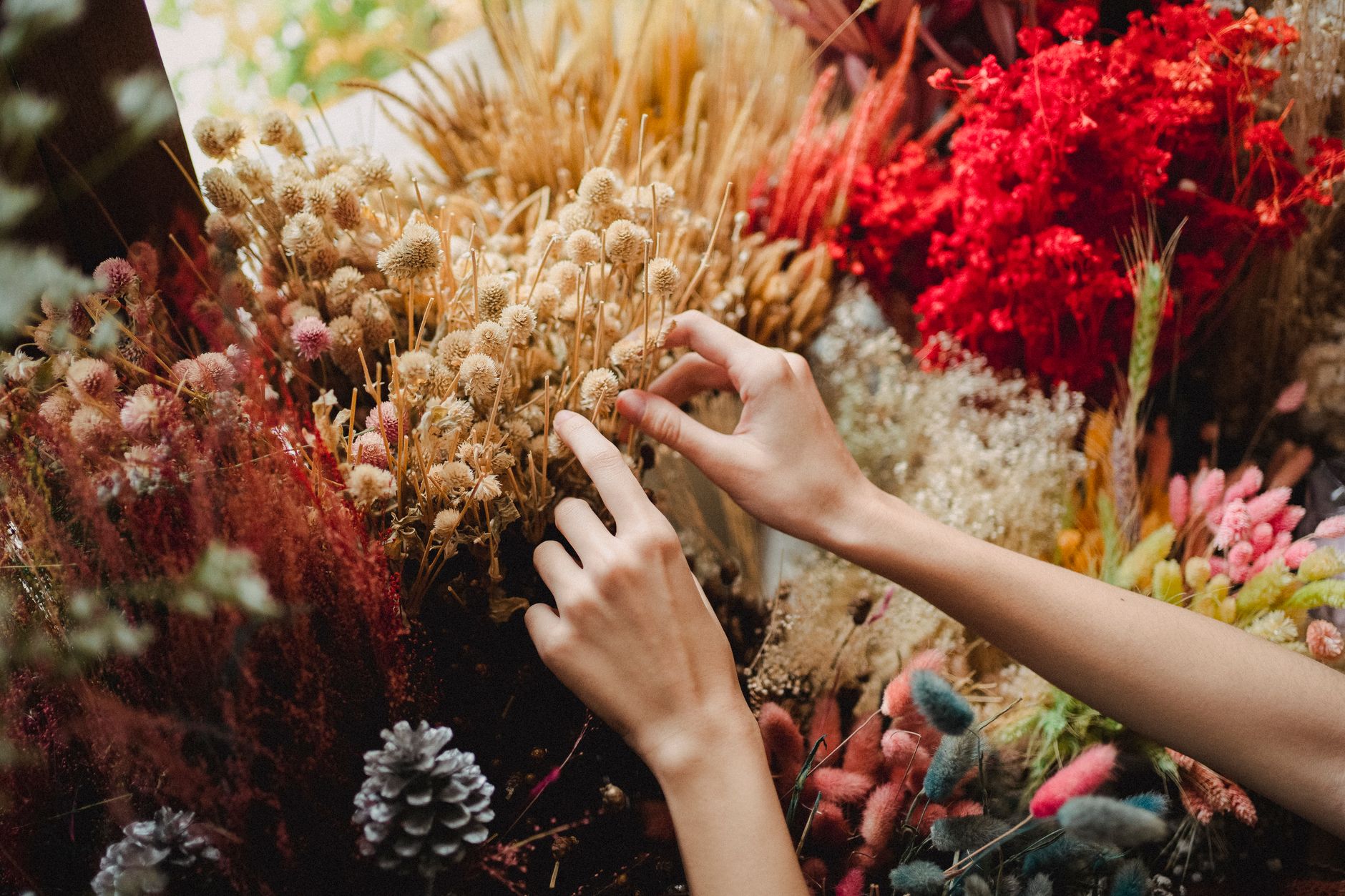
Seasonality shapes every Da Nang floristry class. In cooler months (November–February), we work with roses, dahlias, carnations, and local chrysanthemums; summer brings sunflowers, celosia, and tropical anthuriums. We source from flower markets near the city—never pre-dried or imported stock—so your arrangement lasts 7–10 days at home if you change the water daily. When you arrive, we show you how to condition stems, strip leaves below the waterline, and trim at a 45-degree angle. First-timers often think you need "special" flowers; you don't. The exercise teaches you line, form, and colour balance with whatever is fresh that week. Wet foam, vessels, and floral tape are provided; most people bring their arrangements home in a biodegradable sleeve.

How do beginners and experienced arrangers work in the same class?
We don't separate by skill. Instead, we offer a single design challenge—say, a hand-tied bouquet or a pedestal arrangement—and adjust the difficulty during the build. Beginners focus on spiral technique and colour blocking; someone who's arranged before works on asymmetry, negative space, or a specific floral style (like Japanese ikebana or Western mass). Our host watches, asks questions ("What story does this arrangement tell?"), and nudges you toward balance without dictating. Kids (ages 7+) enjoy building smaller posies in low vessels; seniors often love the meditative pace and the chance to take flowers home for their own space. Couples sometimes collaborate on one large arrangement, or each make their own and compare notes. In about 90 minutes, you've made something you're proud of—not competition-grade, but intentional.
How does weather and allergies affect booking a class?
Da Nang's humidity and salt air don't damage blooms indoors; we work in a studio with good air flow and no AC (which would dry stems). Heavy rain won't cancel, but storm season (September–October) can shift delivery of certain flowers, so late-summer classes sometimes feature fewer imported varieties and more hardy local stock—which is actually ideal for learning durability. Allergies are manageable: tell us beforehand if you're sensitive to pollen, and we'll choose lower-pollen varieties (roses, ranunculus, carnations over lilies and some orchids), keep the room well-ventilated, and have tissues and antihistamines on hand. A few guests wear a light mask during the first hour and remove it once stems are in water. Hay fever or asthma doesn't exclude you; it just shapes which flowers we use. For families with very young kids or severe allergies, a private class gives you more control.
Who should book a floristry class instead of a regular sightseeing tour?
| Visitor type | Reason to book floristry | What you get | Better alternative if… |
|---|---|---|---|
| Solo traveller wanting calm | Meditative, skill-building, souvenir | Arrangement + friendships with classmates | You want high energy (street food tour) |
| Couple on a date | Shared creative time, gift to take home | Your own bouquet or one made together | You prefer active outdoor time (horse riding) |
| Small group (4–8) | Shared memory, no tour-group chaos | Small space, personal feedback | You want to taste food (cooking class) |
| Parent with kids 7–12 | Kids create, learn plant biology | Low-pressure, hands-on, no screen | Under 7 or want family adventure (farm day) |
| Senior (60+) | Sit-down, rhythmic, stays indoors | Accessible pace, takes flowers home | You prefer faster-paced culture (art class) |
| Business team or wedding party | Team bonding, shared takeaway | Group energy, professional-quality output | You want food/drinks (group experience) |
Most guests choose floristry if they're looking for stillness, a tangible skill, or something to bring home. If you want to move fast, taste food, or see iconic sights, a farm and countryside experience or cooking class in Da Nang might fit better. We can mix: some teams do a coffee workshop in the morning and floristry in the afternoon.
What should you actually check before booking a Da Nang floristry class?
Group size: Are you alone, a pair, or a ready-made group? Private classes suit groups of 3+; if you're solo or two, we match you with other guests (or run private if you prefer). Ask whether the class is open-enrolment (you join existing guests) or private (only your group).
Timing: Mid-morning (9–11 a.m.) classes let you take flowers home and enjoy them today. Afternoon sessions (2–4 p.m.) work if you're flexible. Classes run Tuesday–Saturday; we rarely offer Sundays or Mondays due to flower market schedules.
Mobility: The studio is a short walk from parking or a car drop-off; no steep stairs, but it's not a luxury resort. Bathrooms and water access are on-site. Wheelchair access: mention this when you ask about dates—the studio may accommodate with advance notice.
Take-home logistics: Your arrangement fits a standard cab or bag; if you're staying nearby, we wrap it safely. If you're flying out same-day, we use harder varieties and give you a humidity tip sheet. Some guests buy a simple vase from a nearby craft market to carry arrangements on the plane.
Photography: Bring a phone or camera; we don't mind you shooting your work or classmates (ask permission first). We don't post photos without consent.
Cost context: We don't advertise prices publicly to respect seasonal fluctuations and group size variation. Ask for a quote based on your dates, group size, and any specific requests (private vs. open group, kids, allergies, dietary needs if you want refreshments).
See how a session runs
What makes a Da Nang floristry class different from online tutorials or a resort activity?
Online videos show technique but can't give you real-time feedback on proportion, colour harmony, or how your foam is placed. Resort "craft stations" often use pre-cut flowers and plastic vessels—educational, but not arranging. Our flower arranging workshop in Da Nang pairs live feedback with fresh blooms you source, condition, and arrange yourself. You're in a small group (or alone), so the host watches your decisions, asks why you chose that colour or height, and helps you troubleshoot when a stem won't stand. You leave with a real, living arrangement—not a kit or a photo. It's the difference between reading about swimming and being in the water.

FAQ
Do I need any floristry experience to join a Da Nang floristry class?
No. We teach from basics: how to hold stems, strip leaves, condition water, and build balance. Beginners are the norm. Our host adapts each step for your pace, so experienced arrangers aren't bored and newcomers don't feel rushed.
What happens if I'm allergic to pollen or have hay fever?
Tell us when you book. We'll choose low-pollen flowers (roses, ranunculus), keep windows open, offer tissues and a mask, and have antihistamines on hand. Some guests step outside briefly if symptoms flare. A private class gives you more air control.
Can kids join, and what age is best?
Yes. Kids 7+ enjoy building smaller posies and learning plant parts. Under 7 is tricky (stems are tough to cut and sit-time is short), but we can run a short private session. Teens and kids 10+ create full-size arrangements. See our family experiences for mixed-age options.
Do I take my arrangement home, and how long does it last?
Yes, you take it home same day (wrapped safely). Fresh arrangements last 7–10 days if you change water daily, trim stems every 2 days, and keep them out of direct sun and heat. We give you a care sheet.
What if it rains on the day of my class?
We work indoors, so rain won't cancel. In storm season (Sept–Oct), we may source fewer imported blooms and use more hardy local varieties—actually better for learning durability. Always confirm your session 24 hours ahead via WhatsApp.
How much does a floristry class in Da Nang cost?
Pricing varies by group size, date, and bloom availability. Ask us for a custom quote on WhatsApp—we'll give you clear pricing for your dates and group.
Ask about dates
Tell us the city, your dates and what you would like to try. We reply on WhatsApp in English with options and availability.
FAQ
Do I need any floristry experience to join a Da Nang floristry class?
No. We teach from basics: how to hold stems, strip leaves, condition water, and build balance. Beginners are the norm. Our host adapts each step for your pace, so experienced arrangers aren't bored and newcomers don't feel rushed.
What happens if I'm allergic to pollen or have hay fever?
Tell us when you book. We'll choose low-pollen flowers (roses, ranunculus), keep windows open, offer tissues and a mask, and have antihistamines on hand. Some guests step outside briefly if symptoms flare. A private class gives you more air control.
Can kids join, and what age is best?
Yes. Kids 7+ enjoy building smaller posies and learning plant parts. Under 7 is tricky (stems are tough to cut and sit-time is short), but we can run a short private session. Teens and kids 10+ create full-size arrangements. See our [family experiences](/family-experiences) for mixed-age options.
Do I take my arrangement home, and how long does it last?
Yes, you take it home same day (wrapped safely). Fresh arrangements last 7–10 days if you change water daily, trim stems every 2 days, and keep them out of direct sun and heat. We give you a care sheet.
What if it rains on the day of my class?
We work indoors, so rain won't cancel. In storm season (Sept–Oct), we may source fewer imported blooms and use more hardy local varieties—actually better for learning durability. Always confirm your session 24 hours ahead via WhatsApp.
How much does a floristry class in Da Nang cost?
Pricing varies by group size, date, and bloom availability. Ask us for a custom quote on [WhatsApp](/contact)—we'll give you clear pricing for your dates and group.
More like this
Flower arranging workshops
Flower Arranging Workshop Ho Chi Minh City: How to Book
A flower arranging workshop in Ho Chi Minh City teaches you to design seasonal arrangements in a calm studio setting. We run small-group and private sessions with English-speaking hosts who walk you through technique, flower choice, and how to make arrangements last.
Flower arranging workshops
Flower arranging workshop in Ninh Binh for couples
A flower arranging workshop in Ninh Binh lets couples create an arrangement together in a calm setting, learning Vietnamese design principles while working with seasonal blooms.
Flower arranging workshops
Flower Arranging Workshop in Mekong Delta for Foreigners
We run intimate flower arranging workshops in family-owned gardens and workshops across the Mekong Delta, where you'll learn seasonal design by practicing alongside our hosts. Pick your own blooms, arrange three pieces, and take them home.