
Home › Blog › Flower arranging workshops
Flower Arranging Workshop in Sapa for Couples
By the Cáo Experiences team · 2026-11-06
A flower arranging workshop in Sapa is a hands-on 2–3 hour session where you and your partner learn floristry basics in a quiet studio or family space in town. We work with fresh, seasonal blooms sourced locally—what's available changes weekly—teaching you how to condition stems, build a focal point, layer greenery, and finalize a finished design you'll carry away. Sessions run in English with just your couple or 2–3 other pairs; we adapt timing and complexity for absolute beginners or those with prior craft experience. Cáo Experiences hosts these in Sapa year-round, though late autumn through early spring brings the steadiest flower supply and coolest, clearest weather. Ask us for dates and a quote on WhatsApp to lock in a session that fits your itinerary. Ask about dates on WhatsApp
Why couples choose Sapa for arranging workshops over other destinations
Sapa's altitude (1,600 m) and misty mornings create a slower pace than Hanoi or Ho Chi Minh City, and the cooler air keeps flowers fresher longer—a real advantage when you're learning to layer and hold moisture in stems. Most other mountain towns lack the infrastructure for a dedicated workshop space; Sapa has several quiet family courtyards and studio rooms where you can focus without street noise. The colonial architecture and French hill-station history also set a contemplative mood. If you're torn between Sapa and Da Lat for a mountain flower session, know that Da Lat's year-round flower farms make it steadier for variety, while Sapa's smaller pool of blooms means more seasonal creativity—you work with what's in peak condition that week, which many couples find more rewarding than choosing from a long menu. For couples who want a full-day mountain retreat mixing floristry with culture, Sapa edges ahead because the town itself is compact and walkable; Da Lat requires more travel between venues.
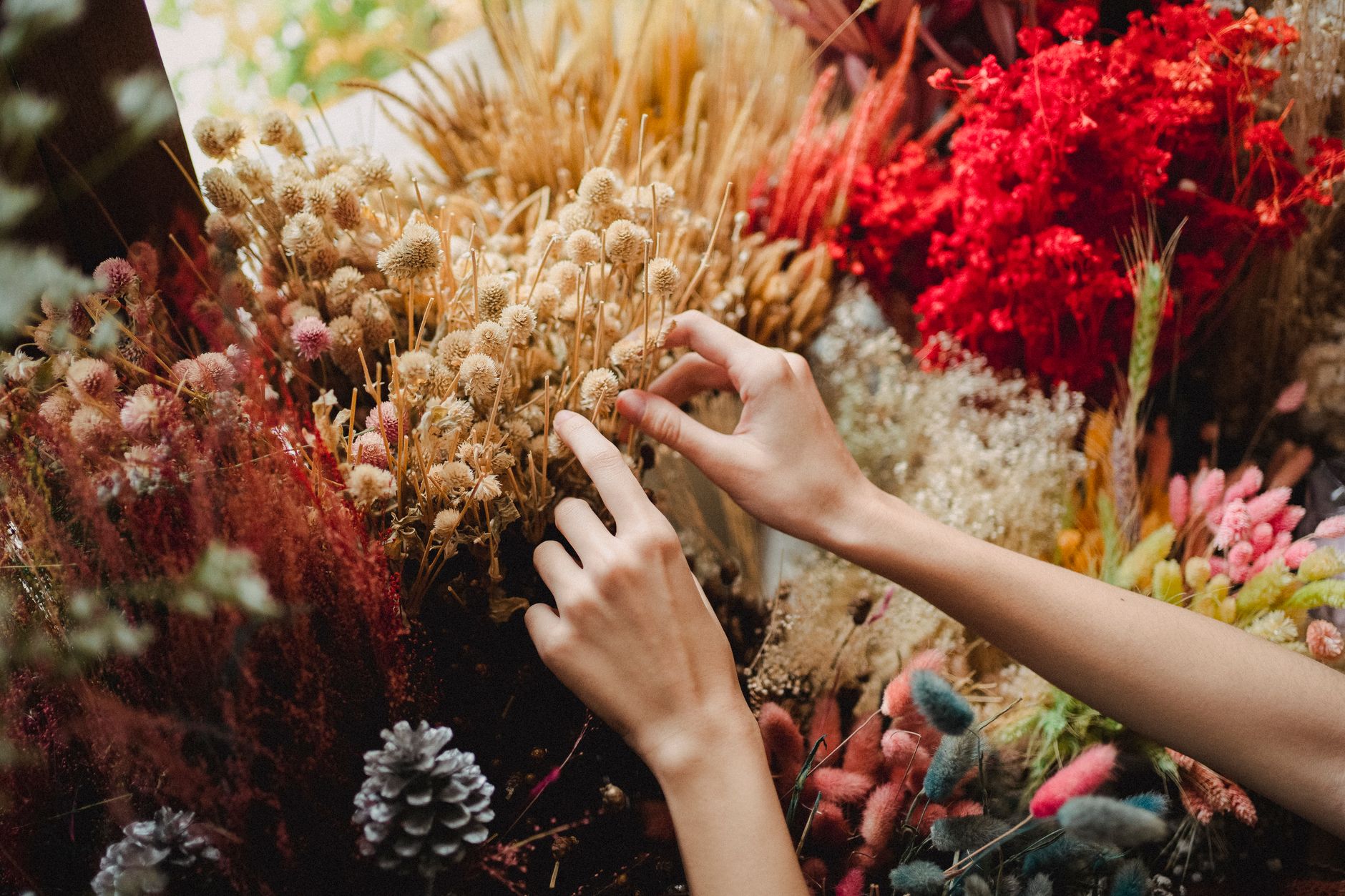
What actually happens during a 2.5-hour session
Hour 1: Setup and stem prep. You arrive, we set you at a shared work table with pruners, floral foam, containers, and a water station. First 15 minutes: we show you how to strip lower leaves, cut stems at a 45-degree angle, and condition each bloom—this sounds simple but shapes the whole arrangement. Beginners worry they'll "waste" flowers; we reassure you that every stem teaches you something. We fill containers with pre-soaked foam while you handle a few test cuts.
Hour 1.5–2: Building structure. You place greenery (ferns, ruscus, or eucalyptus, depending on season) to create height and width. Then focal flowers (roses, dahlias, or locally grown varieties like billbergia or protea, depending on the month). We walk between you both, checking angles and flow. Many couples naturally divide tasks—one handling stems, the other placing—or work in complete tandem. Either way works; we adjust our guidance.
Final 30 minutes: Finishing and photography. You add secondary and filler blooms, adjust color balance, and step back. We help tweak anything that feels off-balance. You photograph your work together, and we wrap it in craft paper so it survives your journey back to your hotel.
What to expect with beginners vs. experienced hands: Absolute newcomers spend more time on conditioning and structure; if one of you has arranged before, we let you lead while coaching the other into rhythm. No one leaves feeling rushed or patronized.
Seasonal flower availability—when to book for the blooms you want
| Season | What's fresh | Best for | Book in advance? |
|---|---|---|---|
| Nov–Jan | Roses, chrysanthemums, eucalyptus, locally grown carnations | Jewel tones, structured designs | 2–3 weeks |
| Feb–Apr | Dahlias, ranunculus, ornamental grasses, fern abundance | Soft pastels, garden-style arrangements | 3–4 weeks |
| May–Jul | Mixed tropical imports, limited local supply | Bold color, creative improvisation | 4+ weeks |
| Aug–Oct | Seasonal high variability; occasional protea, billbergia | What nature offers; spontaneous, loose designs | Ask availability first |
Choose your month based on the aesthetic you want, not just convenience. Winter blooms let you build classic, structured arrangements; spring invites softer, fuller shapes. If you're arriving in peak tourist season (May–Aug) with no flexibility, book at least four weeks ahead so we can source ethically and confirm stock.
Comparing Sapa workshops to other hands-on couple experiences in the region
If flower arranging in Sapa competes for your day with Vietnamese cooking class, coffee workshop, or even tea experiences, here's how to choose:
- Cooking class: You leave with a meal and a technique; arranging leaves a living object you co-created. Cooking is more social and chatty; arranging is quieter, more meditative.
- Coffee workshop: Pure education—how beans roast, brew theory. Arranging mixes technique with immediate, tangible art. Coffee suits couples who love process; arranging suits those who want a keepsake.
- Tea experience: Similar pace to arranging but focuses on tasting and ritual. Tea is more passive; arranging is active and hands-on.
- Horse riding in Sapa: Combines movement and mountain air but zero take-home artifact. Riding suits adventurous couples; arranging suits those who like a quiet creative anchor.
Many couples do a half-day workshop (arranging or cooking) then afternoon free time, or combine arranging in Sapa with farm and countryside experiences in nearby hamlets. We can mix and match; ask us when you reach out.
What to bring, wear, and how weather affects bookings
Wear: Layers—Sapa mornings are cool (8–12°C even in warm months), studios lack heavy heating. Closed shoes (water from flower stems drips). An apron or dark top if you're worried about minor stains. Hair tied back if it's long; loose ends can catch on pruner handles.
Bring: Your phone for photos, a small notebook if you like writing down what you learned. Not much else—we provide all materials.
Rain: Sapa rain is frequent but usually short. It doesn't stop a workshop—we simply close windows, check the skylight, and keep going. Flowers actually like humidity. The only reason we'd reschedule is if a storm triggers local landslide warnings or power cuts; in 2026, with improved infrastructure, this is rare. Arriving by motorbike or scooter on a rainy day? Bring a small bag to keep your finished arrangement dry on the ride back.
Allergies and sensitivities: Tell us beforehand if you're allergic to pollen, latex (gloves), or specific fragrances. We use unscented foam and can source hypoallergenic blooms (dahlias, roses without heavy stamens). Some guests with asthma find cool mountain air easier to breathe than lowland humidity.
Kids and seniors: We don't typically run Sapa arranging sessions for young children (under 10) because pruners and foam require focus. Teenagers and adults of any age work beautifully. Seniors appreciate the seated pace and lower physical demand; we provide cushioned chairs and let you work at your own speed.

Honest checklist: what to confirm before booking
- Dates: Sapa's unpredictable fog and occasional road closures mean we confirm availability up to 2–3 weeks ahead. Don't assume a specific date is free; ask first.
- Group size: Private (2 people) vs. small group (4–6)? Both have merits. Private is intimate but more expensive; group lets you meet other travelers and share costs. We'll quote you both and you decide.
- Flower preferences: Do you have a color palette or style in mind? Tell us. We can't guarantee specific blooms in, say, July, but we'll source toward your vision within what's seasonal.
- Duration: Standard is 2.5 hours. If you want a slower pace (3 hours) or a quickie intro (90 minutes), let us know. Pricing adjusts.
- Transportation: You'll get to the studio by motorbike taxi or walk from your hotel (Sapa town is small). We'll give you the exact address and directions on WhatsApp once you're booked. If you need help arranging transport, we can advise.
- Take-home care: Your finished arrangement will last 5–7 days in a cool room with fresh water. We'll wrap it in paper and give you care tips. Don't try to pack it flat in a backpack; carry it upright.
Why Cáo Experiences hosts do this differently
We're not running a commercial flower shop class where you make something to buy. You're working in a real studio or family space with a host who's been arranging flowers (and hosting travelers) long enough to know when to step in and when to let you experiment. We use seasonal, locally sourced blooms—meaning your arrangement reflects what Sapa's growers had ready that week, not a pre-ordered catalog. That spontaneity matters. If dahlias are peaked and ranunculus is just opening, you'll be working with the ranunculus; it teaches you flexibility that a "choose five stems" template never does. We also cap groups to keep the space quiet and your attention personal. Finally, we adapt. If one of you has arthritis and pruning hurts, we'll strip and cut stems for you while you focus on placement and design. If you've both arranged before, we'll push you toward a harder technique or a less-common style. This isn't a one-size-fits-all class; it's a session we build around you two.
Pairing your workshop with other Sapa experiences
A morning flower arranging session pairs naturally with an afternoon street food and market tour—you'll see some of the same growers at Sapa's small produce market, and you'll understand the seasonal rhythm better. Or combine with a farm and countryside experiences half-day where you visit a smallholder growing vegetables and flowers; you'll learn where your blooms come from. Evening wind-down could be a quiet tea experiences back in town. If you have more days in Sapa, horse riding or art and culture classes round out a multi-day couples retreat. Ask us about dates on WhatsApp and we'll sketch a full itinerary once we know how long you're staying.
How to lock in your Sapa arranging session
Step 1: Message us on WhatsApp with your preferred dates (give us a 2–3 week window if possible) and whether you want private or small-group.
Step 2: We'll confirm availability, describe that month's likely blooms, and give you a quote. Shipping doesn't apply—you're booking an in-person experience.
Step 3: Once you confirm, we'll send you the studio address, arrival time, what to wear, and any last-minute weather updates.
Step 4: You show up, arrange flowers, leave with something beautiful you both made.
No hidden steps, no surprise costs.

FAQ
Can we do this as a private session, just the two of us?
Yes. Private sessions are available; they cost more than small-group but give you the host's full attention and a quieter creative space. Message us to ask for a quote tailored to your couple.
What if one of us has never arranged flowers and the other has?
Ideal situation. We'll coach the beginner through basics while letting your experienced partner explore a technique they haven't tried. Many couples find this dynamic—teaching each other—makes the session more memorable than if you were at the same skill level.
How long does the finished arrangement last?
In Sapa's cool climate, 5–7 days if you keep it in fresh water and out of direct sun. Don't squeeze it into a backpack; carry it upright. We'll wrap it in paper and send you home-care tips on WhatsApp.
What if the flowers we want aren't in season?
We'll source what's freshest that week and adapt the design around it. Part of the learning is working with what nature offers, not forcing specific blooms. If you have a non-negotiable color or style, tell us 3–4 weeks ahead and we'll see what's possible; sometimes we can source, sometimes we'll suggest an alternative look.
Is the workshop indoors, and what if weather is bad?
Indoors in a studio or covered family space. Sapa rain rarely stops a session; humidity actually keeps flowers fresher. The only reason we'd reschedule is a severe storm or a local safety alert (rare). If you're worried about weather on your travel day, book flexible dates and message us 24 hours before to confirm conditions.
Can we add kids or seniors to our couple's session?
Yes. Teenagers and adults work well. Young children (under 10) find pruners and foam tricky. Seniors love the seated pace. If you want a mixed-age group, tell us when you book and we'll adjust timing and complexity. There's no age limit, just a safety and focus consideration for very young children.
Ask about dates
Tell us the city, your dates and what you would like to try. We reply on WhatsApp in English with options and availability.
FAQ
Can we do this as a private session, just the two of us?
Yes. Private sessions are available; they cost more than small-group but give you the host's full attention and a quieter creative space. Message us to ask for a quote tailored to your couple.
What if one of us has never arranged flowers and the other has?
Ideal situation. We'll coach the beginner through basics while letting your experienced partner explore a technique they haven't tried. Many couples find this dynamic—teaching each other—makes the session more memorable than if you were at the same skill level.
How long does the finished arrangement last?
In Sapa's cool climate, 5–7 days if you keep it in fresh water and out of direct sun. Don't squeeze it into a backpack; carry it upright. We'll wrap it in paper and send you home-care tips on WhatsApp.
What if the flowers we want aren't in season?
We'll source what's freshest that week and adapt the design around it. Part of the learning is working with what nature offers, not forcing specific blooms. If you have a non-negotiable color or style, tell us 3–4 weeks ahead and we'll see what's possible; sometimes we can source, sometimes we'll suggest an alternative look.
Is the workshop indoors, and what if weather is bad?
Indoors in a studio or covered family space. Sapa rain rarely stops a session; humidity actually keeps flowers fresher. The only reason we'd reschedule is a severe storm or a local safety alert (rare). If you're worried about weather on your travel day, book flexible dates and message us 24 hours before to confirm conditions.
Can we add kids or seniors to our couple's session?
Yes. Teenagers and adults work well. Young children (under 10) find pruners and foam tricky. Seniors love the seated pace. If you want a mixed-age group, tell us when you book and we'll adjust timing and complexity. There's no age limit, just a safety and focus consideration for very young children.
More like this
Flower arranging workshops
Flower Arranging Workshop in Phu Quoc: How to Book
A flower arranging workshop in Phu Quoc teaches you to design with fresh tropical and temperate stems in a hands-on morning or afternoon session. We run small-group classes in English, hosted in a garden studio setting—no experience needed.
Flower arranging workshops
Floristry class in Sapa: what to expect
A floristry class in Sapa means learning seasonal arrangement techniques in a quiet studio space, using fresh local flowers. We guide you through cutting, composition and color pairing—no experience needed.
Flower arranging workshops
Floristry class in Hanoi for solo travelers: what to expect
Solo travelers in Hanoi often wonder whether a flower-arranging class suits a single person. We run weekly small-group and private sessions where solo guests learn hand-tied bouquets, seasonal wreaths, and Vietnamese floral design—no skills needed, English-led, afternoons and mornings available.