 Cáo Experiences
Home › Blog › Flower arranging workshops
Flower Arranging Workshop Vietnam for Japanese Travelers
By the Cáo Experiences team · 2026-11-01
A flower arranging workshop in Vietnam—offered by Cáo Experiences in Hanoi, Hoi An, and Da Lat—teaches you to build balanced, seasonal arrangements using flowers sourced daily from local markets. Sessions run 2–3 hours, include tea or coffee, hands-on instruction in English, and you take your finished piece home. Japanese travelers often choose this over cooking classes because it's quieter, requires no language, and suits mixed skill levels and ages (kids as young as 8, seniors welcome). You'll learn one or two key Vietnamese composition styles, how to condition stems, color pairing for tropical blooms, and care tips. No experience needed. Ask us for dates and a quote on WhatsApp—we'll match your group size, interests, and any accessibility needs. Ask about dates on WhatsApp
Why Do Japanese Travelers Choose This Over Cooking Classes?
Japanese visitors often tell us they want a hands-on craft that doesn't centre food or language. Flower arranging fills that gap: it's visual, meditative, and the result is a keepsake—not consumed. Many Japanese guests have practiced ikebana or kado (Japanese flower arts) at home, so they're curious how Vietnamese floristry differs. Vietnam's tropical palette—bird-of-paradise, gladioli, local chrysanthemums, and foraged greenery—feels refreshingly different from seasonal Tokyo arrangements. The session is quieter than a cooking class (no knife skills anxiety, no heat), and you can work at your own pace while chatting with other guests.
What Happens Hour by Hour in a Session?
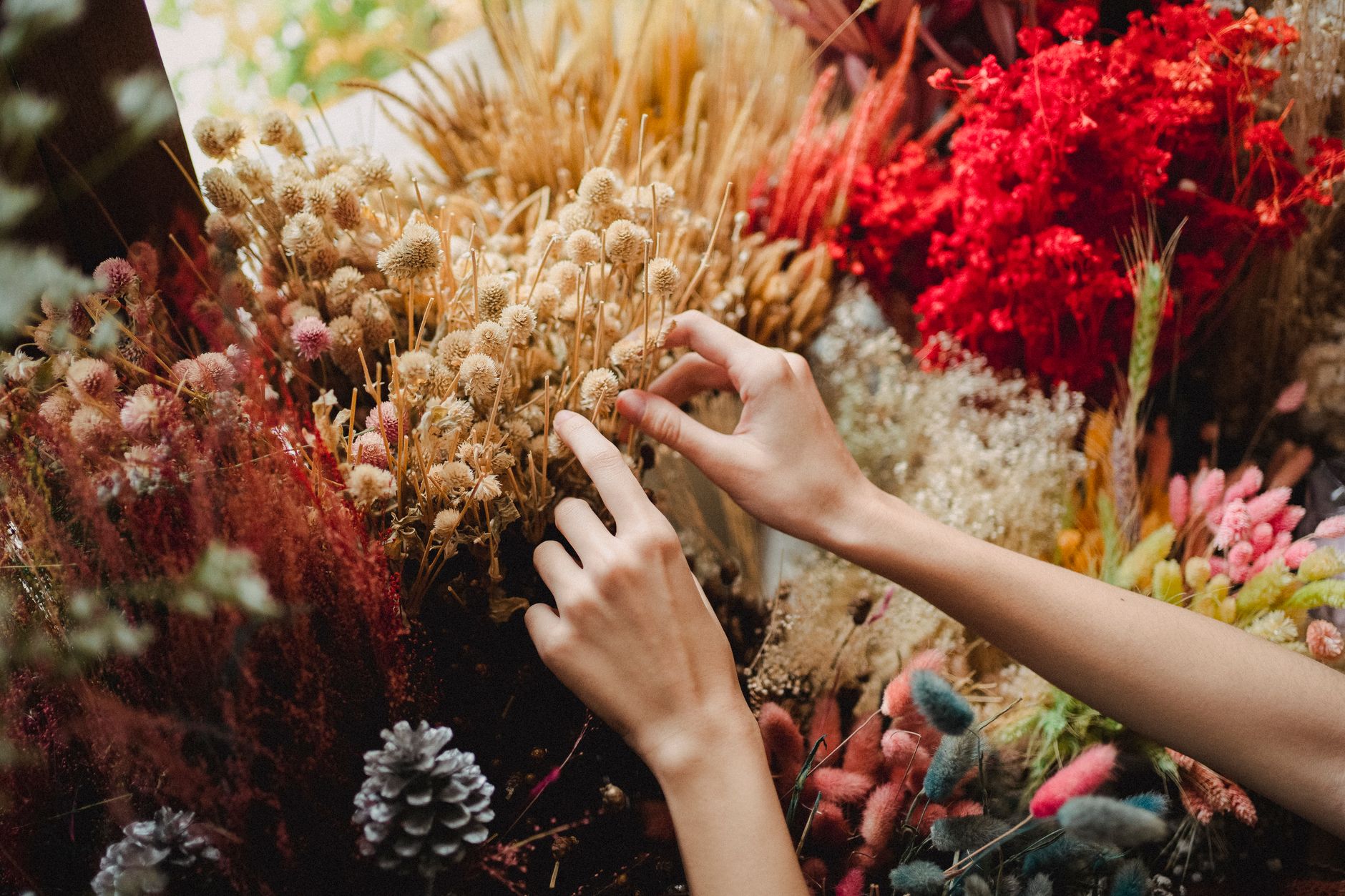
You'll arrive at a traditional family kitchen or garden space in a quiet lane or countryside setting (varies by location). First 20 minutes: tea or local coffee, a short walk through how Vietnamese homes use flowers (ancestor altars, Tet decorations, daily table arrangements). Next 60–90 minutes: you'll pick 5–8 stems from a prepared selection, learn how to strip foliage below the waterline, condition stems under running water, and build your arrangement in a ceramic or glass vessel (yours to keep). We'll show you two simple frameworks—a triangular balance used in modern Vietnamese floral design, and a loose, asymmetrical style popular in countryside homes. Last 20 minutes: you'll photograph your piece, we'll give you care instructions (daily water changes, stem recuts, keep away from fruit), and you'll pack it for transport. Expect to take home something 30–40 cm tall that lasts 7–10 days.
Explore our flower arranging workshop
How Do We Adapt for Japanese Guests (Language, Pacing, Allergies)?
All instruction happens in clear, slow English—no Vietnamese required. We pre-brief you on WhatsApp about any allergies (pollen sensitivity, latex-free tape) so we can swap materials. Japanese guests often appreciate a more structured, step-by-step process than Western travelers, so we lean into that: we demonstrate each cut, each placement, then you replicate before improvising. If you're familiar with ikebana, we'll ask during booking, and our host will compare the two traditions—helping you see where Vietnamese style emphasizes looser, more abundant greenery, while ikebana prizes negative space. We never rush; if your group is slower, we extend the arrangement time. If someone's arthritis makes gripping scissors difficult, we pre-cut stems or use easier-grip tools. Rain doesn't cancel—we shift indoor sessions to a covered kitchen or veranda.
What's the Honest Truth About Flower Quality and Transport?
Flowers here are fresher than most Western florists receive them, cut from market suppliers that morning—but they're not imported; they're seasonal. During monsoon (May–September), tropical blooms are abundant and cheap. In winter (December–February), imports from Da Lat (a highland flower hub) fill the market, so variety stays good but prices edge up slightly. The stems you work with are 1–2 days old, not hours. Your finished piece will last 7–10 days if you follow care advice (daily water, stem recuts every 2 days, away from direct sun and ripening fruit). If you're flying out the next day, ask us during booking—we can suggest smaller, hand-luggage-friendly vessels. Wrapped loosely in newspaper and laid flat in a carry-on, most arrangements survive a 2-hour flight. We've never had a guest report a dead arrangement on arrival.

When Should You Book, and How Does Weather Affect Your Session?
Book 2–3 weeks ahead for weekday sessions (higher chance of custom timing) or 4–6 weeks for weekends in peak season (October–March for Japanese travelers, when Hanoi and Da Lat are cool and clear). Rainy season (May–August) is less busy—you might be a group of 2–4 rather than 6–8, which many guests prefer. Rain itself doesn't stop us; we've hosted sessions through drizzle in covered outdoor spaces and indoor kitchens. Humidity in summer makes flowers wilt slightly faster, so arrangements last 5–7 days instead of 10, but that's normal. Tet (lunar new year, late January/early February) is peak booking; we're often full. Ask us well ahead if you're traveling then.
| Season | Flower variety | Booking window | Group size typical | Pacing |
|---|---|---|---|---|
| Oct–Mar | Excellent (Da Lat imports) | 4–6 weeks | 4–8 | Relaxed |
| Apr–May | Very good (early monsoon) | 2–3 weeks | 2–6 | Flexible |
| Jun–Aug | Good (tropical abundance) | 1–2 weeks | 1–4 | Slowest (humidity) |
| Sep–Oct | Excellent (post-monsoon) | 3–4 weeks | 4–8 | Moderate |
How Does Cáo Experiences Design These Sessions Differently?
We don't run high-volume factory classes. Each session is hosted in a real home or small studio (often the home of a local florist or gardener), not a hired event space. You're working at a kitchen table or garden bench where flowers have actually been arranged for family use, not as a backdrop. Our hosts are florists or gardeners—not trained classroom facilitators—so you're learning from someone who arranges flowers for their own home and altar, not reciting a script. We source flowers fresh that morning from local markets (Quang Ba in Hanoi is famous, but we also work with smaller neighborhood suppliers in Hoi An and Da Lat). You'll hear stories about why certain blooms matter for Tet, weddings, or remembrance. We don't sell you a kit or an upsell; you get the session and take home your arrangement. If you want to continue learning, we'll give you market tips and names of neighborhood flower vendors in your area—but that's optional. We also pair flower arranging naturally with other experiences: many Japanese couples book a morning flower session, then a Vietnamese coffee workshop in the afternoon, or combine it with a farm and countryside experience in Da Lat where you'll see flowers growing.
What to Check Before You Book
Allergies and sensitivities: Tell us if you have pollen allergies, latex sensitivity, or back/hand issues. We'll adjust stems, tools, and positioning.
Travel dates & group size: Smaller groups (2–4) get more one-on-one time; larger groups (6–8) are more lively but faster-paced. Both work—just know the difference.
Destination: Hanoi sessions are urban (quiet lanes in old quarter or lake-side homes); Hoi An and Da Lat are more garden-like. Ask which feels right for you.
Flower taste: If you dislike certain colors or textures, mention it. We'll adapt the palette.
Transport: If you're flying out the next day, confirm your flight time and luggage situation so we can suggest a vessel and wrapping strategy.
What you can't do: We don't offer classes in Saigon (Ho Chi Minh City) yet—Hanoi, Hoi An, Da Lat, and Da Nang are our active locations.
Pages from our team you may need

FAQ
Do I need to know anything about flowers before arriving?
No. Complete beginners are our norm. Guests who've done ikebana or Western floristry find it interesting to compare, but it's not required.
Can I book this if I only speak Japanese?
Our hosts speak English. We provide WhatsApp contact before the session for clarification. If you're anxious about language, bring a friend who speaks English, or let us know and we'll arrange a translator (ask for availability).
Will my arrangement survive the flight home?
Usually yes, if you follow care steps and pack it flat in a carry-on. Flowers last 7–10 days normally; a 1–2 hour flight doesn't harm them if you keep them upright or lay them down gently.
Can kids join?
Yes. Kids 8+ can handle scissors and small stems safely. Younger kids (5–7) can help assemble if a parent guides them. We don't do formal "kids only" classes, but mixed-age family groups are welcome and actually create nice energy.
What if it rains on the day?
We shift to a covered kitchen or veranda. Rain doesn't cancel. You'll still work with fresh flowers and go home with your piece.
How much does it cost?
Ask us for dates and a quote on WhatsApp—pricing depends on group size, location, and whether you want a combined experience (like flower arranging + coffee). We don't list prices publicly.
Can I book a private session for my family or small group?
Yes. Private sessions let you choose timing, language pace, and flower style. Ask us for availability and a custom quote.
Do I take my arrangement home the same day?
Yes. You'll wrap it carefully and carry it with you. We show you the best way to pack it for your journey. === Ask about dates on WhatsApp
Ask about dates
Tell us the city, your dates and what you would like to try. We reply on WhatsApp in English with options and availability.
FAQ
Do I need to know anything about flowers before arriving?
No. Complete beginners are our norm. Guests who've done ikebana or Western floristry find it interesting to compare, but it's not required.
Can I book this if I only speak Japanese?
Our hosts speak English. We provide WhatsApp contact before the session for clarification. If you're anxious about language, bring a friend who speaks English, or let us know and we'll arrange a translator (ask for availability).
Will my arrangement survive the flight home?
Usually yes, if you follow care steps and pack it flat in a carry-on. Flowers last 7–10 days normally; a 1–2 hour flight doesn't harm them if you keep them upright or lay them down gently.
Can kids join?
Yes. Kids 8+ can handle scissors and small stems safely. Younger kids (5–7) can help assemble if a parent guides them. We don't do formal "kids only" classes, but mixed-age family groups are welcome and actually create nice energy.
What if it rains on the day?
We shift to a covered kitchen or veranda. Rain doesn't cancel. You'll still work with fresh flowers and go home with your piece.
How much does it cost?
Ask us for dates and a quote on WhatsApp—pricing depends on group size, location, and whether you want a combined experience (like flower arranging + coffee). We don't list prices publicly.
Can I book a private session for my family or small group?
Yes. Private sessions let you choose timing, language pace, and flower style. Ask us for availability and a custom quote.
Do I take my arrangement home the same day?
Yes. You'll wrap it carefully and carry it with you. We show you the best way to pack it for your journey. === [💬 Ask about dates on WhatsApp](https://wa.me/84338762340)
More like this
Flower arranging workshops
Flower Arranging Workshop Ho Chi Minh City: How to Book
A flower arranging workshop in Ho Chi Minh City teaches you to design seasonal arrangements in a calm studio setting. We run small-group and private sessions with English-speaking hosts who walk you through technique, flower choice, and how to make arrangements last.
Flower arranging workshops
Flower arranging workshop in Ninh Binh for couples
A flower arranging workshop in Ninh Binh lets couples create an arrangement together in a calm setting, learning Vietnamese design principles while working with seasonal blooms.
Flower arranging workshops
Flower Arranging Workshop in Mekong Delta for Foreigners
We run intimate flower arranging workshops in family-owned gardens and workshops across the Mekong Delta, where you'll learn seasonal design by practicing alongside our hosts. Pick your own blooms, arrange three pieces, and take them home.