
Home › Blog › Ho Chi Minh City
Ho Chi Minh City Experiences in English: What to Do Beyond the Guidebook
By the Cáo Experiences team · 2026-11-06
Ho Chi Minh City experiences in English range from half-day street food tours (four to five hours, two to eight guests, morning or evening, includes a local guide and market access) to full-day countryside trips, private cooking classes in family kitchens, coffee workshops in specialty roasters, and craft sessions in artist studios. Most experiences run year-round, suit mixed skill levels and ages, and cost significantly less than resort activities—ask us for dates and a quote on WhatsApp. At Cáo Experiences, we host small groups and private sessions across the city and suburbs, teaching skills you can use at home rather than just taking photos. Beginners worry about language and kitchen skill—we teach in clear English and adapt for zero experience. Rain rarely cancels sessions; we shift indoor workshops or reschedule outdoors. Families bring kids (often aged six and up); seniors join cooking and tea experiences regularly. We note dietary needs, allergies, and mobility in your first message so we prepare properly. Ask about dates on WhatsApp
Why English-Taught Experiences Matter in Ho Chi Minh City
Tourist activities in the city often run on fixed schedules in mixed languages with forty-plus people per group. English-taught sessions let you ask real questions, move at your pace, and skip the translation barrier. We keep groups small—six guests maximum on street food tours, two to four on cooking classes, one person on private rides—so you're not following a flag. This matters because you'll spend two to five hours with the same host; you'll remember their name and the reason you booked, not just a tick on a to-do list. The city itself is incredibly dense; an English guide helps you navigate both the food and the crowd. You avoid arriving at a restaurant or market expecting an experience and finding instead a sales pitch for a souvenir shop two blocks away.

What Kind of Experiences Can You Actually Take in Ho Chi Minh City?
We run five main types of hands-on sessions. Vietnamese cooking classes happen in family kitchens in residential lanes, usually mornings (9:00 a.m.–1:00 p.m.) or evenings (5:00–9:00 p.m.), four hours including market walk, prep, cooking, and eating your own food. Street food and market tours take four to five hours, morning light or early evening, covering wet markets and alley food stalls with tastings included. Vietnamese coffee workshops run two to three hours in small roaster spaces; you learn roasting history, grind beans, taste three to five origins, and brew pour-over. Flower arranging workshops teach seasonal arrangement over two hours with materials included and a finished piece to take home. Horse riding experiences happen at a family stable outside the city (thirty to forty minutes by car), one to two hours, beginner-friendly, rides through countryside or farm lanes. We also run craft workshops—ceramics, lantern-making, weaving—tea experiences, and art and culture sessions. Family-friendly options adapt cooking, flower, and farm sessions for kids aged five and up. Every session is taught in English, starts and ends on time, and includes WhatsApp check-in two days before.
See how a session runs
| Experience | Duration | Group size | Best for | What to bring |
|---|---|---|---|---|
| Cooking class | 4 hours | 1–4 people | Couples, families, foodies | Apron (we provide), comfortable shoes |
| Coffee workshop | 2–3 hours | 1–6 people | Early risers, coffee lovers, solo travelers | Notebook optional |
| Flower arranging | 2 hours | 1–6 people | Dates, friends, plant parents | Nothing; we provide materials |
| Street food tour | 4–5 hours | 2–8 people | Groups, adventurous eaters | Comfortable walking shoes, cash for snacks |
| Horse riding | 1–2 hours | 1–4 people | Families, outdoor lovers | Long trousers, closed shoes, sunscreen |
How Do We Actually Run These Sessions—Step by Step?
A typical cooking class starts with a WhatsApp message two days ahead confirming time, pickup location, and any allergies or dislikes. On the day, we meet you at an agreed spot (often your hotel) at 8:45 a.m. or 4:45 p.m. We walk together five to ten minutes to a wet market in a residential lane. Your host (a home cook, not a restaurant chef) buys ingredients together with you—you choose, we explain, you pay market price directly. The walk takes twenty to thirty minutes; you see how locals shop and what's in season. Back at the kitchen (a real family home, not a cooking school), you wash, chop, and cook three to four dishes alongside your host. Everyone handles the pan; no one watches. Around noon or 8:30 p.m., you sit at the family table and eat. Guests often say this meal tastes different from restaurant food—smaller portions, less oil, more salty-sour-sweet balance. You leave with photos, recipes written in your notebook, and a feeling you could make this at home. A street food tour works similarly: you meet, walk to a market or alley cluster, taste from a stall, sit on a plastic stool, chat with the owner, move to the next place. You'll taste four to six items over the hours—a bánh mì at sunrise, a bowl of soup at 8:00 a.m., a dessert snack, fruit shakes—and spend thirty to forty percent of time sitting and talking, not rushing. A coffee workshop means arriving at a small roaster's workspace, watching green beans roasted in a drum or pan, learning why dark and light roasts taste different, tasting espresso and filter side by side, and brewing your own cup before you leave. No jargon unless you ask; we explain the why, not the hype.
What Stops People from Booking, and How Do We Handle It?
Worry: I've never cooked before. We don't teach restaurant technique; we teach home cooking. You'll chop vegetables, stir a pan, taste as you go. Three-quarters of our cooking guests are beginners. Your host adjusts speed and detail; if you're confident, you lead the chopping. If you're nervous, we talk you through each step. No one fails at cooking at home because there's no exam.
Worry: I'm vegetarian / allergic to seafood / don't eat pork. Tell us in your first message. We book your class with a host who cooks that way, buy ingredients accordingly, and avoid cross-contact. If you have a shellfish allergy, we skip that market stall entirely and work with alternative proteins the host usually cooks.
Worry: I'm sixty-eight and not sure I can stand for four hours. Cooking classes include sitting breaks; you cook, sit, taste, rest. We've hosted guests into their eighties. A stool is always available. We can also arrange a shorter two-hour session (one dish, less market time) if standing is tough. Street food tours offer stops and plastic stools built in; we never rush between stalls.
Worry: It's July and the heat index is 38°C. We run cooking indoors in a family kitchen with a fan and water on hand. Coffee workshops are indoors. Street food tours start at 6:30 a.m. (cooler light, fewer tourists, fresher morning snacks). If the heat spikes, we move schedules earlier or offer evening sessions instead.
Worry: I'm traveling with a seven-year-old. Kids can join cooking (they stir, taste, eat), flower arranging (they glue, create, take home), and farm days (they see animals, pick vegetables). We remove sharp knives from reach, use child-height stool access, and keep portions small. Parents manage their child's pace; we don't run separate activities. Teenagers (thirteen and up) join adult sessions fully.
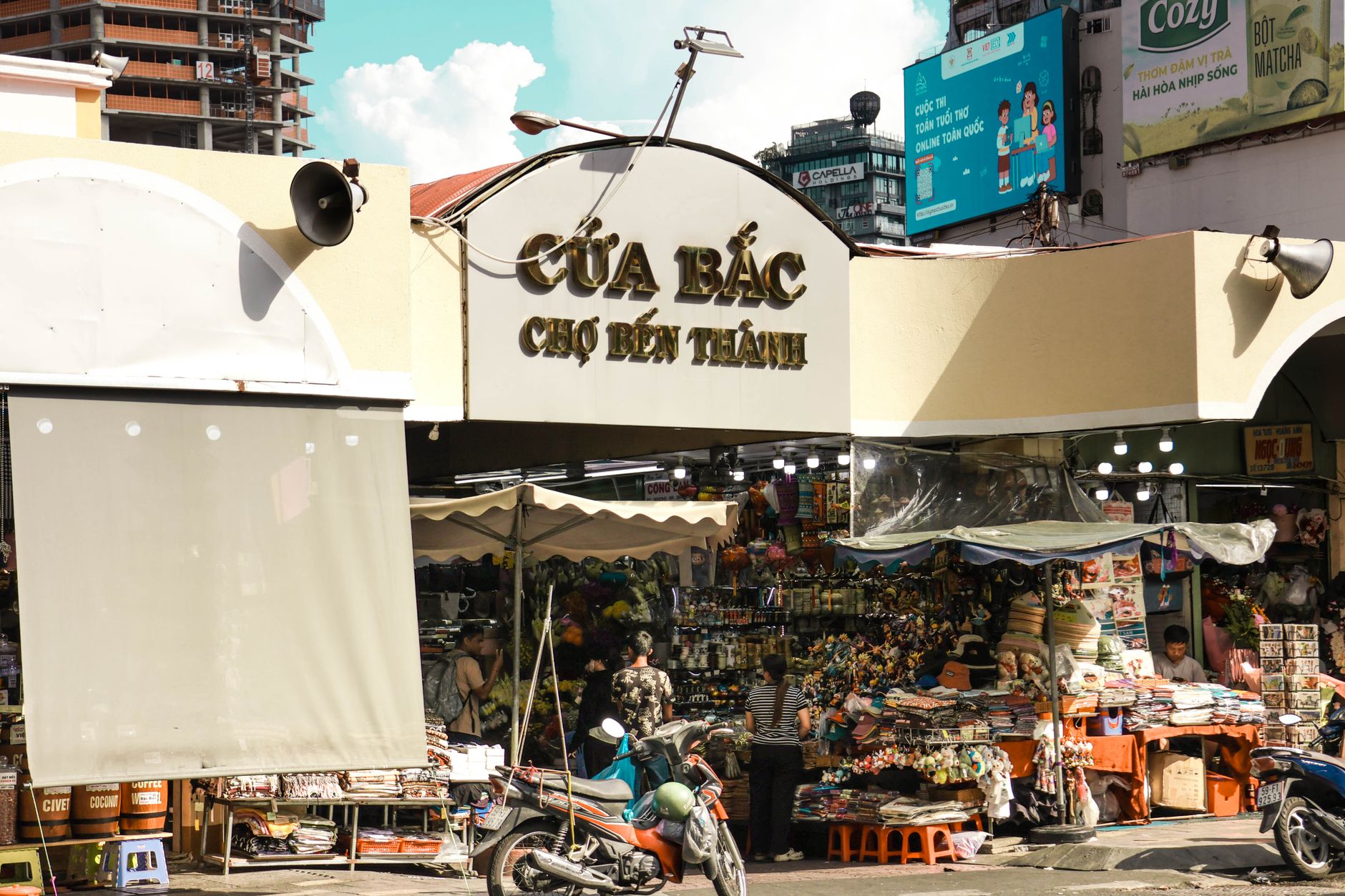
Where in Ho Chi Minh City Do Sessions Actually Happen?
We host experiences across Ho Chi Minh City and nearby areas. Cooking classes run in family kitchens in quiet lanes in District 1, District 3, and District 4 (ten to twenty minutes from downtown by motorbike or car). Street food tours cover Ben Thanh market and wet markets in District 1 (walking distance from the city center) and specialty alleys in Binh Thanh district (known for early-morning bánh chưng and cơm tấm vendors). Coffee workshops happen in small roaster spaces in the same districts—places where locals buy beans, not tourist cafés. Flower arranging runs in a studio space near a flower wholesale area; you're surrounded by seasonal blooms. Horse riding is at a family-run stable in a fruit-farming area thirty to forty minutes outside the city, where you ride through orchards and quiet country roads with other guests or privately. Farm experiences visit working vegetable gardens and orchard properties where you can pick produce, meet farmers, and cook from what you gather. All locations are reachable by Grab, motorbike taxi, or we can arrange pickup; we tell you the exact meeting point in your final WhatsApp message, including the café name or street corner.
How Do We Ensure Your Experience Fits Your Dates, Budget, and Needs?
We don't have set prices on a website; every booking is quoted based on group size, date, and which session you want. A private cooking class costs less per person if two of you book versus one, and morning sessions sometimes differ from evening depending on market and instructor availability. We ask you to message us on WhatsApp with your dates, group size, experience type, and any dietary or mobility needs. We then check availability, ask clarifying questions (kids' ages, cooking confidence, language level if applicable), and send you a quote. If you need to reschedule, we're flexible up to three days out. We also offer group and corporate packages—team building, multi-day workshops, private long-term lessons—so ask if you're organizing something larger. You can read more about our approach and other experiences at our blog and contact us directly with questions about dates, availability, and logistics.
What to Check Before You Book
- Confirm your real dates. We're busier December through February; summer July and August can be quieter. A message with your preferred dates and backup options helps.
- Tell us about dietary needs upfront. Allergies and vegetarianism are easy to accommodate; we just need to know.
- Wear comfortable clothes and closed shoes. Markets are wet, cooking spaces are warm, and you'll walk. Avoid loose sleeves near stoves and jewelry that clanks.
- Ask about meeting points. We'll give you exact location and WhatsApp contact two days before; confirm you can reach it by Grab, motorbike, or walk.

FAQ
Do we need to speak Vietnamese?
No. All sessions are taught in English. We explain ingredients, techniques, and stories in English; if a market vendor speaks only Vietnamese, we translate and help you chat with them directly.
Can we bring children under six?
Cooking and flower workshops can include kids aged five and up. Street food tours suit older kids (eight and up) who enjoy walking and trying unfamiliar snacks. Horse riding is age six and up. Tell us your child's age; we'll advise if a session fits.
What if I'm very allergic to a common ingredient?
Tell us at booking. We confirm your host can cook around it—no cross-contact, no shared utensils. We've hosted guests with peanut, shellfish, and gluten allergies successfully. If your allergy is extremely severe, we'll discuss a private class where we have full control over ingredients.
How do we get to the workshop location?
We'll give you the exact meeting point in your final confirmation. Most are reachable by Grab (ride-hailing app, like Uber) within ten to twenty minutes of downtown. We can also arrange pickup from your hotel if you book a private session.
Will the experience feel rushed?
No. Our groups are small (two to eight people) and schedules are built in—walking time, sitting-and-tasting time, questions, breaks. You're not on a bus schedule. A cooking class runs four full hours including eating; a coffee workshop is never fewer than two hours.
Ask about dates
Tell us the city, your dates and what you would like to try. We reply on WhatsApp in English with options and availability.
FAQ
Do we need to speak Vietnamese?
No. All sessions are taught in English. We explain ingredients, techniques, and stories in English; if a market vendor speaks only Vietnamese, we translate and help you chat with them directly.
Can we bring children under six?
Cooking and flower workshops can include kids aged five and up. Street food tours suit older kids (eight and up) who enjoy walking and trying unfamiliar snacks. Horse riding is age six and up. Tell us your child's age; we'll advise if a session fits.
What if I'm very allergic to a common ingredient?
Tell us at booking. We confirm your host can cook around it—no cross-contact, no shared utensils. We've hosted guests with peanut, shellfish, and gluten allergies successfully. If your allergy is extremely severe, we'll discuss a private class where we have full control over ingredients.
How do we get to the workshop location?
We'll give you the exact meeting point in your final confirmation. Most are reachable by Grab (ride-hailing app, like Uber) within ten to twenty minutes of downtown. We can also arrange pickup from your hotel if you book a private session.
Will the experience feel rushed?
No. Our groups are small (two to eight people) and schedules are built in—walking time, sitting-and-tasting time, questions, breaks. You're not on a bus schedule. A cooking class runs four full hours including eating; a coffee workshop is never fewer than two hours.
More like this
Da Lat
Da Lat local experiences with locals: what to expect
Da Lat's misty mountains and year-round spring weather draw travelers seeking escape from the lowlands. Real local experiences—not tours—happen in family kitchens, forest gardens, and craft workshops where you work alongside people who live here.
Da Lat
Da Lat experiences with hotel pickup: day trips and classes
Da Lat's cool mountain air, flower farms, and craft culture draw visitors year-round. We arrange hands-on experiences with hotel pickup so you skip transport logistics and focus on learning.
Da Lat
Da Lat workshops and classes: hands-on learning in the highlands
Da Lat's cool mountain air and creative community make it ideal for intimate workshops. We run hands-on classes in cooking, coffee, crafts and more—learn a real skill, not a tourist tick.