
Home › Blog › Ho Chi Minh City
Ho Chi Minh City Food Experiences: Hands-On Classes & Market Tours
By the Cáo Experiences team · 2026-11-06
Ho Chi Minh City food experiences range from half-day cooking classes in family kitchens (where you prep, cook, and eat your own dishes) to early-morning market tours and Vietnamese coffee workshops in converted shophouses. Cáo Experiences runs Vietnamese cooking classes and street food and market tours in English with small groups or private bookings; most sessions run 3–4 hours and include all ingredients, instruction, and the meal you've made. No prior skill needed—we adapt for dietary restrictions, allergies, kids, and seniors. Costs vary by group size and session type; ask us for dates and a quote on WhatsApp. The real draw: you're not a tourist watching from a stool; you're in the kitchen or at a vendor's stand, hands dirty, asking questions directly.
What actually happens in a Vietnamese cooking class in Saigon?
We meet you in a family kitchen in a lane off the old quarter around 9 a.m., or at your accommodation if you prefer private. The host greets you with hot water and a short walk through their spice collection—you'll smell the difference between types of fish sauce and see how fresh turmeric looks. Then you choose 2–3 dishes to cook together (usually a soup, a stir-fry, and a fresh roll or dessert). You do the knife work yourself—chopping lemongrass, slicing pork, julienning vegetables—while the host narrates technique and history. We cook over a charcoal or gas flame. Midway, you taste from the wok to adjust seasoning. By hour three, you sit down and eat everything you've made, often with a cold beer or iced tea. Most guests worry about heat tolerance or speed; we go at your pace, and the host knows which dishes taste good mild. We adapt for vegetarians and allergies—let us know beforehand on WhatsApp.
Why is a street food and market tour different from a cooking class?
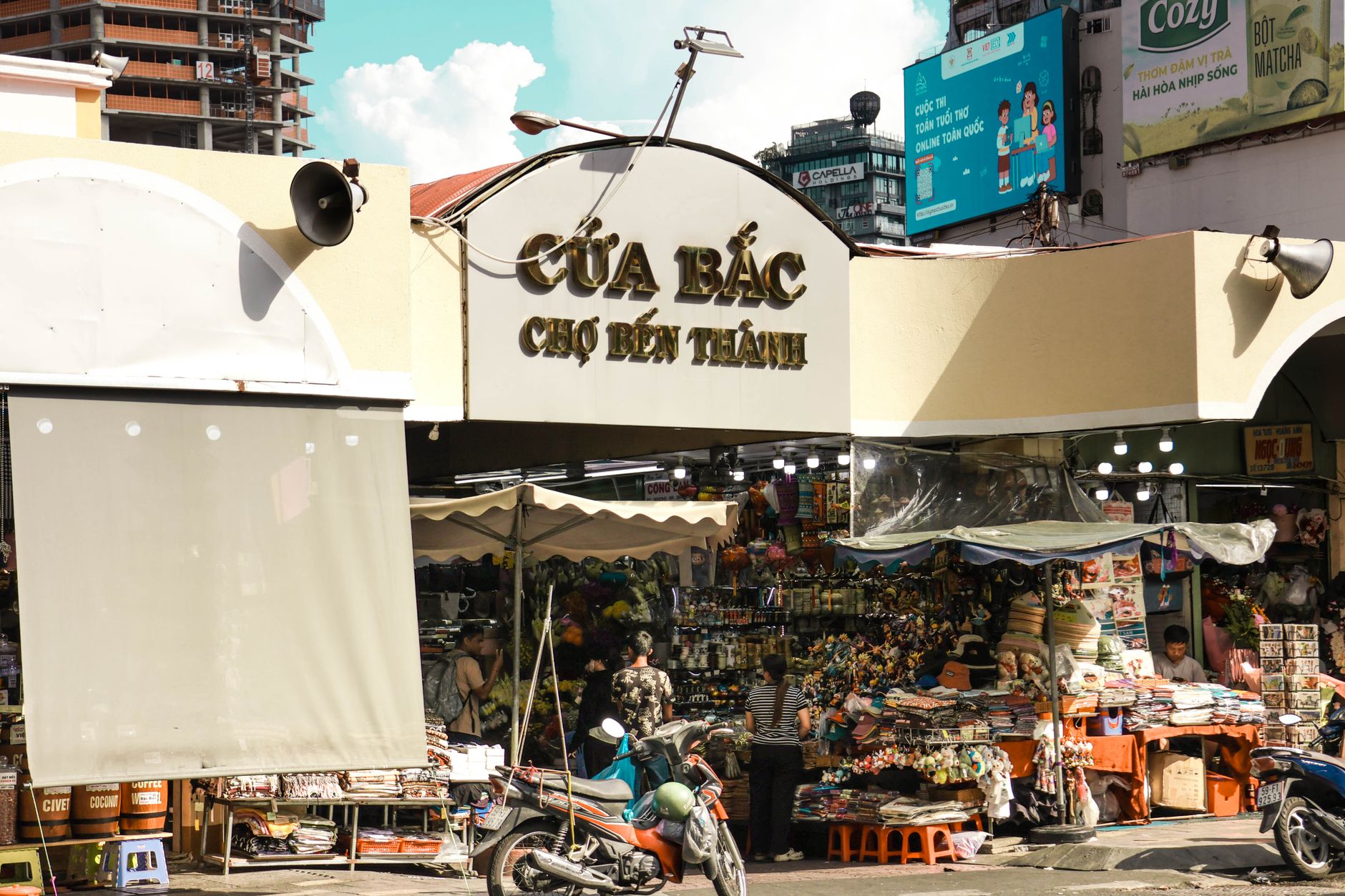
A street food tour is movement and tasting, not cooking. We start before sunrise at Quang Ba flower market—yes, flowers—because the energy is highest then, and vendors are most generous with samples. Then we walk to a wet market (the type where fishmongers, butchers, and spice sellers have stalls side by side), and a host explains how to pick good crab, how to tell if pork is fresh, what the herbs are for. By mid-morning, we stop at 3–4 street-food spots—a bánh mì stand, a noodle soup vendor, a dessert seller—and order small portions so you taste range without overeating. Most people ask: "Will my stomach be okay?" Vendors we work with are chosen because they serve locals daily and have clean, fast turnover. You're eating what Saigon eats for breakfast or lunch, not tourist versions. It's 3–4 hours on foot, with breaks to sit and eat.
Which experience is best for families with kids?
Both work, but cooking classes suit kids better because they're indoors, hands-on, and end with a meal they feel proud of. Children ages 6+ can do prep tasks—snapping beans, tearing herbs, mixing sauces—while younger ones stay in the kitchen and help stir or taste. We go slower with kids, ask more questions, let them make mistakes with the knife work under close watch. Street food tours work for kids 8+ who can walk 1–2 hours and are willing to eat from street stalls; the sensory overload of a wet market can overwhelm younger children. Family and kids experiences are our specialty—we plan the timing, heat level, and pace around energy and interest. Let us know your children's ages and food preferences on WhatsApp, and we'll tailor the session.
How does Cáo adapt for dietary restrictions, allergies, and skill levels?
Allergies come first. When you book, tell us peanut, shellfish, gluten, or dairy needs—or anything else—and the host sources different ingredients or cooks your dishes in a separate pan. Vegetarians choose a different menu from the start; we've done fully vegan sessions too. For skill: we assume zero cooking knowledge. If you've never held a wok, the host shows you grip and heat control with a practice stir before the real dish. If you're an experienced cook, they'll teach restaurant techniques and flavor-layering instead. Seniors sometimes worry about standing time; we cook sitting on stools if that helps, or we shorten the session to 2 hours with fewer dishes. Rain doesn't cancel classes (kitchens have roofs), but it does change street food tours—we'll reschedule or pivot to an indoor market visit. Always mention health, fitness, or dietary notes when you first message us.

What should you wear, bring, and prepare beforehand?
Wear loose clothes you can move in—aprons are provided. Closed-toe shoes for markets (wet floors, fish scales on the ground). Bring sunscreen and a hat if it's a street food tour; the early-morning walk catches full sun by hour two. A light bag or backpack for any packaged spices or leftovers if you're taking them home. Eat a light breakfast if the class starts at 9 a.m.—you'll be tasting and cooking for hours, and an empty stomach plus unfamiliar spices isn't pleasant. No need to fast or arrive hungry. If you have a camera or phone for photos, bring it—hosts expect it and often love seeing the final dish documented. The only real prep is telling us about allergies, dietary choices, and mobility concerns at least two days before. We handle the rest: ingredients, equipment, and timing.
Comparison: Cooking Class vs. Street Food Tour
| Aspect | Cooking Class | Street Food Tour |
|---|---|---|
| Duration | 3–4 hours | 3–4 hours |
| Setting | Family kitchen or studio | Markets and vendor stalls |
| What you do | Prep, cook, eat your own food | Walk, taste, learn from vendors |
| Best for | Learning technique, families, indoors | Adventurous eaters, morning people |
| Skill barrier | None; we teach from zero | None; walking pace is leisurely |
| Dietary fit | Excellent—customize dishes before cooking | Good—vendors can adjust or skip items |
| Rain plan | Cooking continues; unaffected | Reschedule or move to covered market |
| Group size | 1–8 people; private or open group | 2–6 people; usually private |
Can you also do coffee or other food-related experiences?
Yes. Saigon has a strong Vietnamese coffee workshop culture—we run sessions where you learn to brew using a traditional metal filter (phin), taste single-origin beans from highland farms, and understand why Vietnamese coffee tastes different from espresso. These are usually 2 hours, often combined with a cooking class or a market visit. We also offer flower arranging workshops (relevant because table settings matter in Vietnamese meals) and tea experiences if you're interested in the full food and hospitality story. Farm and countryside experiences outside Saigon let you see where ingredients come from—coffee plantations, fruit orchards, vegetable gardens—and cook with what you pick. All are booked the same way: message us your interest, and we'll quote dates and specifics.
What to check before you book
Ask these questions on WhatsApp:
- Do I need to arrange my own transport, or do you pick up?
(We'll tell you when we quote—some private classes include pickup, some don't.)
- How many other people will be in the group?
(Open groups are social but less personalized; private is flexible but affects cost.)
- Can the kitchen / tour accommodate someone with a mobility aid or walking difficulty?
(Family kitchens have stairs sometimes; markets are crowded and uneven.)
(We have a straightforward answer; ask us directly.)
- Do you provide transportation between stations if I'm combining a cooking class with a coffee workshop?
(Logistics matter for back-to-back sessions; we'll clarify.)
- Are photos allowed, and can you help recommend what to photograph?
(Hosts love it, but some markets have quiet corners where vendors prefer less attention.)
FAQ
Is street food safe to eat in Ho Chi Minh City?
Yes—vendors we partner with serve local customers daily and maintain fast turnover. The food is cooked fresh and eaten fresh. Avoid only tap water and pre-peeled fruit from unknown sources. Street food from busy, clean stalls is often safer than poorly refrigerated restaurant food.
Do I need to speak Vietnamese to take a class?
No. All Cáo classes run in English. The host and usually another staff member speak English fluently. Vietnamese words for ingredients and techniques are taught as you go, but you're not expected to become fluent.
How much food do we actually eat in a cooking class?
You eat a full, multi-course meal—the 2–3 dishes you've cooked, plus rice, and usually a drink. It's lunch-sized portions. You'll be full and often take home leftovers if you've cooked extra.
What if I'm vegan or have multiple food allergies?
Cáo runs fully vegan cooking classes and adapts for nut, gluten, dairy, and shellfish allergies. The host sources different proteins or vegetables and cooks your portions separately if needed. Tell us at booking so we can confirm the host is comfortable and prepared.
Can I combine a cooking class with a coffee workshop in one day?
Yes. A typical day runs: cooking class 9 a.m.–noon, lunch break, coffee workshop 2–4 p.m. We'll handle the timing and any transport. Ask us for a combined quote.
What's the best time of year for a street food tour in Saigon?
November to February (cooler, less rain). Tours happen year-round, but tours in April–September involve heat, humidity, and occasional rain—bring extra water and a poncho. The food quality doesn't change seasonally; tours are good anytime.
Ask about dates
Tell us the city, your dates and what you would like to try. We reply on WhatsApp in English with options and availability.
FAQ
Is street food safe to eat in Ho Chi Minh City?
Yes—vendors we partner with serve local customers daily and maintain fast turnover. The food is cooked fresh and eaten fresh. Avoid only tap water and pre-peeled fruit from unknown sources. Street food from busy, clean stalls is often safer than poorly refrigerated restaurant food.
Do I need to speak Vietnamese to take a class?
No. All Cáo classes run in English. The host and usually another staff member speak English fluently. Vietnamese words for ingredients and techniques are taught as you go, but you're not expected to become fluent.
How much food do we actually eat in a cooking class?
You eat a full, multi-course meal—the 2–3 dishes you've cooked, plus rice, and usually a drink. It's lunch-sized portions. You'll be full and often take home leftovers if you've cooked extra.
What if I'm vegan or have multiple food allergies?
Cáo runs fully vegan cooking classes and adapts for nut, gluten, dairy, and shellfish allergies. The host sources different proteins or vegetables and cooks your portions separately if needed. Tell us at booking so we can confirm the host is comfortable and prepared.
Can I combine a cooking class with a coffee workshop in one day?
Yes. A typical day runs: cooking class 9 a.m.–noon, lunch break, coffee workshop 2–4 p.m. We'll handle the timing and any transport. Ask us for a combined quote.
What's the best time of year for a street food tour in Saigon?
November to February (cooler, less rain). Tours happen year-round, but tours in April–September involve heat, humidity, and occasional rain—bring extra water and a poncho. The food quality doesn't change seasonally; tours are good anytime.
More like this
Da Lat
Da Lat local experiences with locals: what to expect
Da Lat's misty mountains and year-round spring weather draw travelers seeking escape from the lowlands. Real local experiences—not tours—happen in family kitchens, forest gardens, and craft workshops where you work alongside people who live here.
Da Lat
Da Lat experiences with hotel pickup: day trips and classes
Da Lat's cool mountain air, flower farms, and craft culture draw visitors year-round. We arrange hands-on experiences with hotel pickup so you skip transport logistics and focus on learning.
Da Lat
Da Lat workshops and classes: hands-on learning in the highlands
Da Lat's cool mountain air and creative community make it ideal for intimate workshops. We run hands-on classes in cooking, coffee, crafts and more—learn a real skill, not a tourist tick.