
Home › Blog › Ho Chi Minh City
Ho Chi Minh City non-touristy things to do: local experiences
By the Cáo Experiences team · 2026-11-06
Non-touristy Ho Chi Minh City means stepping into neighborhood cooking classes in family kitchens off the main streets, joining Vietnamese cooking class sessions where you shop at local wet markets, chop alongside the host, and eat what you've made—not a demonstration. It includes early-morning visits to Quang Ba flower market to arrange flowers by hand, private coffee workshops in roastery back rooms where the owner teaches you roasting and brewing, and farm and countryside experiences just outside the city where you harvest vegetables and cook lunch over a wood fire. Most sessions run 3–4 hours, include ingredients or materials, and are hosted in English via WhatsApp coordination. We keep groups small (2–8 people) so you're not jostling with thirty others. The cost varies by experience type; ask us for dates and a quote on WhatsApp. Avoid big hotel cooking schools and generic "Vietnam tours"—they're designed for fast turnover, not connection. See how a session runs
Why do tourists miss the real Ho Chi Minh City?
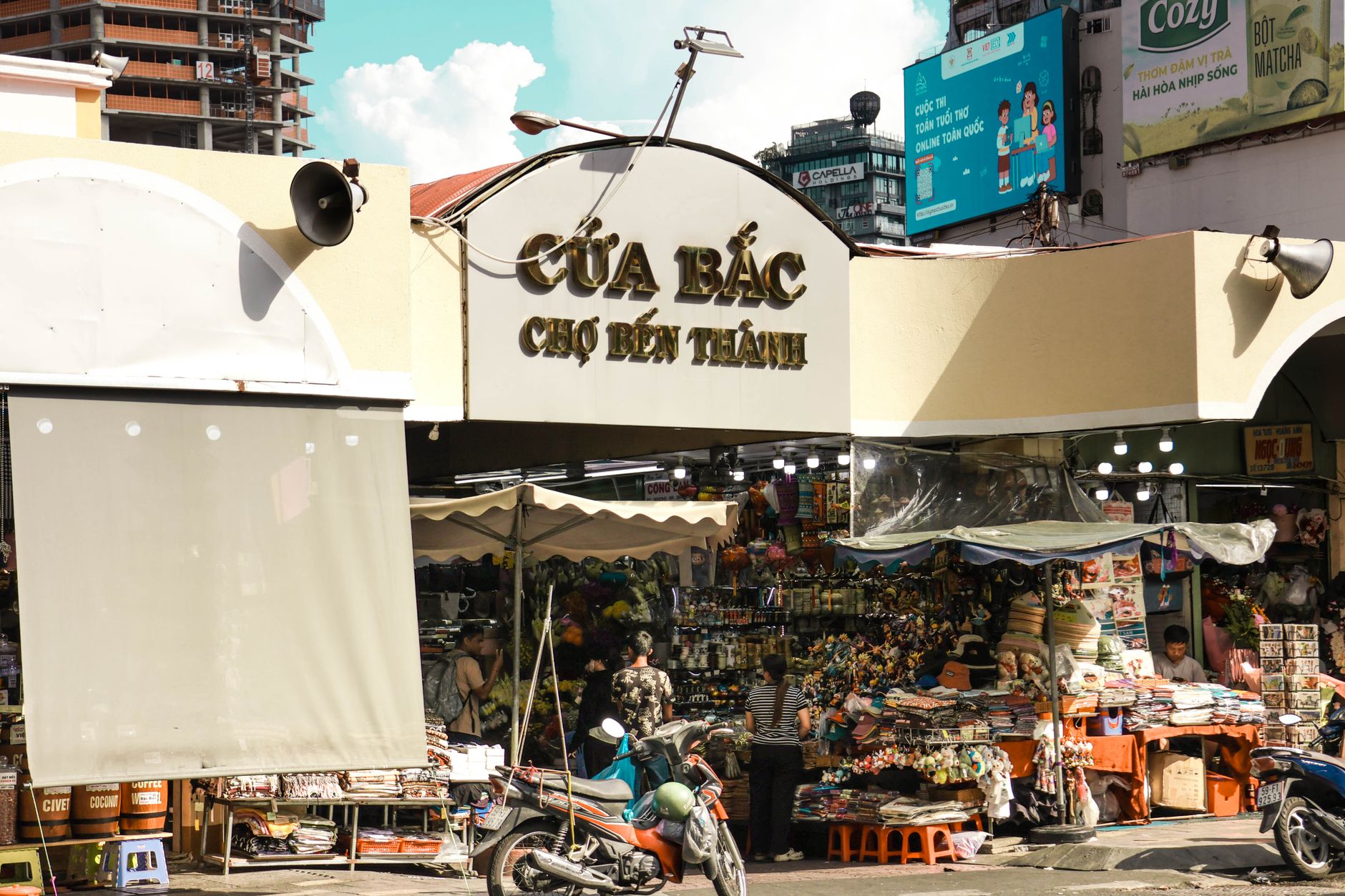
Most visitors stick to the same three blocks: Hoan Kiem Lake, the old quarter, Ben Thanh market at peak hours. They photograph landmarks, eat at restaurants full of other tourists, and leave thinking they've seen the city. The real Ho Chi Minh City—where locals actually spend time—lives in residential lanes, family kitchens, small roasteries, flower markets before 8 a.m., and the countryside thirty minutes away. You won't find it on a standard itinerary because it doesn't advertise. Our hosts live in these neighborhoods; they invite small groups into their actual spaces.
What can you actually make or learn in a cooking class here?
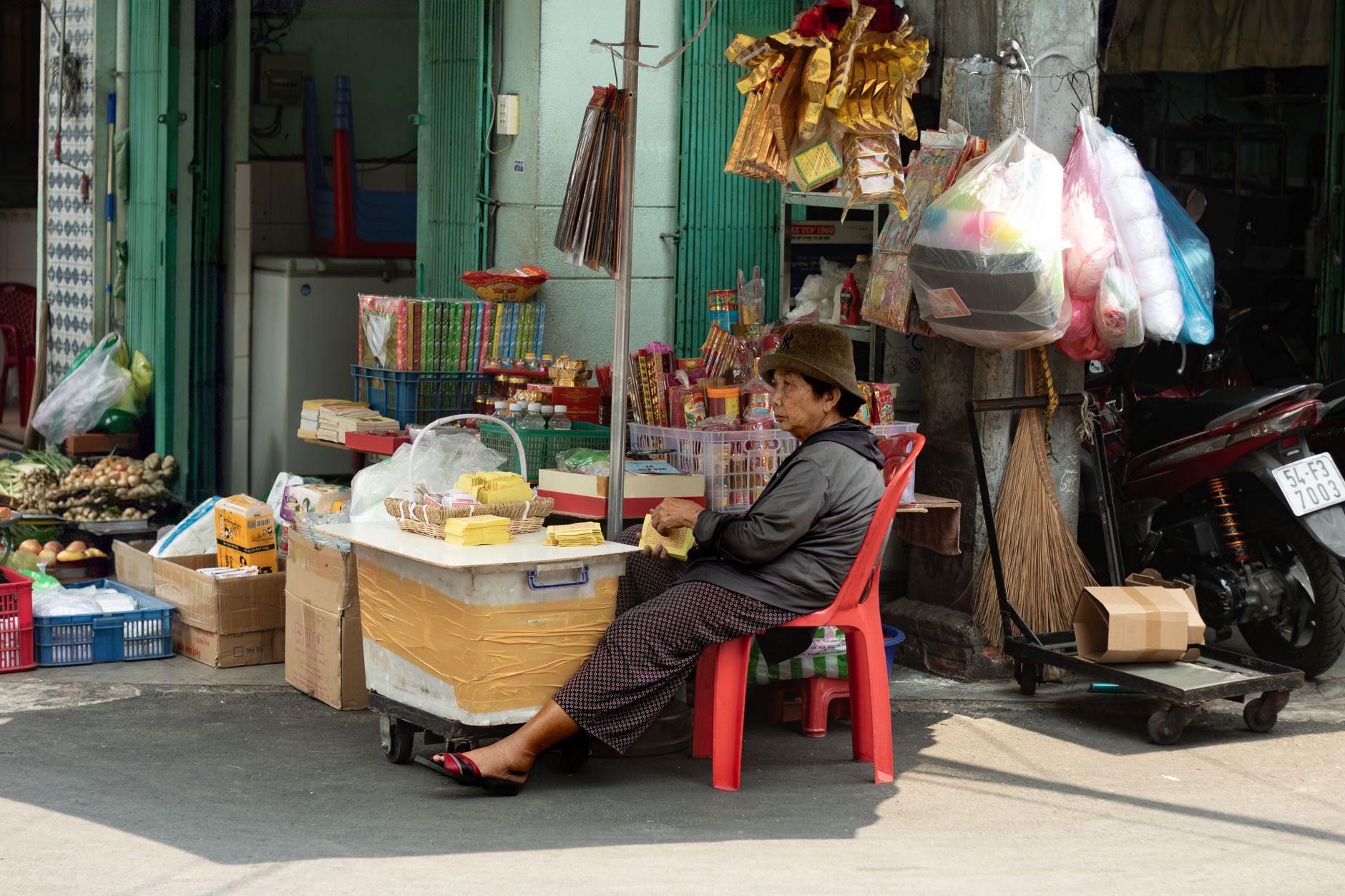
In our Vietnamese cooking class sessions, you start at a wet market in District 1 or 3—not Ben Thanh, a neighborhood one where vendors know our host by name. You pick fish, leafy greens, herbs you've never seen. Then you walk to a family kitchen in a lane off the old quarter or in Binh Thanh district. You learn to prepare three dishes: maybe fresh spring rolls with hand-torn herbs, a stir-fry that teaches you heat control and timing, and a soup or curry. Each step has a reason—why we cut this way, why the pan must be smoking, why we taste and adjust. You eat together at a table in the kitchen, drink local iced coffee or tea, and often sit longer than the "class" officially ends because the host enjoys the conversation. Beginners worry about knife skills; we don't rush you, and the host adapts for your pace. Kids (8+) join easily; they love shopping and mixing. We adapt for allergies and dietary restrictions—just tell us when you book.
How is a coffee workshop different from a café visit?
A café in Saigon sells you a cup. Our coffee workshop in a private roastery space or a roaster's own room teaches you the journey: green beans to roasted, the grind, the brewing method, the tasting. You'll handle beans that smell raw and slightly dusty, learn why roast color matters (lighter = more origin flavor, darker = more roasted bitterness), watch or assist while the host roasts a small batch in a tabletop machine, then grind and brew by hand—perhaps pour-over or a traditional phin. You taste the same coffee brewed two ways and notice the difference. You learn which Vietnamese regions produce which profiles (highland robusta, central-highland arabica). The workshop runs 2–2.5 hours and includes tasting notes, a small bag of beans to take home, and an honest explanation of why third-wave coffee matters to some people and why traditional phin coffee remains beloved. It's not about being "better"—it's about choice and knowing what you're tasting.
What makes a farm day real instead of staged?
Our farm and countryside experiences are in working farms 20–40 minutes from central Ho Chi Minh City—not show gardens. You arrive in the morning, help pick vegetables that will go to market that day, learn the crop rotation, sometimes help prep compost or water seedlings. You meet the family who runs the farm, see their home kitchen, and cook lunch together using what you've just harvested. It's slow and sometimes muddy. You won't visit five locations or check twenty boxes. You'll spend the day in one place, work with your hands, eat food you've gathered, and leave understanding why a farmer's day starts before dawn. Rain means the farm becomes wetter—we'll adapt by focusing on the kitchen-preparation part or moving indoors—but a real farm doesn't close because of weather. Seniors join regularly; we keep the pace unhurried and adjust tasks (you might sit and help prep while others harvest). Families with kids find this deeply engaging; children understand food origin differently after this.

How do small-group experiences protect you from tourist crowds?
Tourist buses arrive on schedules. Markets like Quang Ba at 7 a.m. are alive with regulars and a few visitors; by 9 a.m., they're three-deep with organized groups. Our groups are 2–8 people maximum, often just one family or a couple. You move at your pace, ask questions without feeling rushed, and don't feel like you're part of an assembly line. The host isn't managing a microphone and fifteen people; they're talking directly to you. If you want to linger at a flower stall or ask the coffee roaster a dozen questions, there's no schedule pressure. This also means you're spending time with the actual people who live this work, not tour guide employees. When a host invites you into their kitchen or roastery, they're choosing to share their real space, not a designated "experience zone." That distinction changes everything.
| Experience Type | What You Do | Time | Why It Differs from Tourist Tours |
|---|---|---|---|
| Cooking class | Shop, chop, cook 3 dishes, eat together | 3–4 hrs | Small kitchen, family-pace, you eat what you made |
| Coffee workshop | Roast (or watch), grind, brew, taste | 2–2.5 hrs | Roaster teaches their own beans, no rushing |
| Farm day | Harvest, help cook, eat outdoors | 4–5 hrs | Working farm, family-run, real schedule |
| Flower arranging | Pick at market, arrange with host | 2–3 hrs | Dawn market, personal style, not florist technique |
| Countryside ride | Horse riding experience in rural outskirts | 2–3 hrs | Small stable, local landscape, genuine horsemanship |
Can you experience Ho Chi Minh City's art and culture outside museums?
Yes. Our art and culture classes happen in artist studios or in neighborhood spaces—not in white gallery rooms. You might work with a Vietnamese artist on a traditional lacquer or silk technique, learning the tools and patience the craft demands, or join a calligraphy session where a tutor teaches you brush control and the history embedded in each stroke. You're learning from someone who does this work daily, in a space that feels lived-in. We also offer group and corporate experiences that can include gallery walks through emerging-artist neighborhoods (Districts 1, 3, and Binh Thanh have clusters of younger studios), but always small-scale and with a local who can explain the context. Culture isn't separate from food, coffee, and farming in Vietnam—it runs through all of it. A cooking class teaches you visual and taste culture. A flower-arranging session teaches balance and aesthetics. If you want deeper immersion, ask us about combining experiences across a few days.
What about wellness and slowing down in a city?
Ho Chi Minh City moves fast. Our wellness and slow experiences are deliberate counterpoints: a tea experience in a quiet room with someone who sources and brews traditional Vietnamese tea (not tea bags), teaching you the history and ritual; a flower-arranging workshop focused on breathing and attention, not speed; a morning at a countryside location without phones or schedules. These aren't spa sessions (though you can find those easily). They're about pausing, noticing, practicing a skill that requires presence. A tea session might teach you that one tea has five brews and each tastes different, changing how you drink it at home. A flower-arrangement class teaches you how to see color and line, which shifts how you see rooms, streets, and light. Seniors especially value these; there's no performance or exhaustion, just time with an expert and your own thoughts.
What to check before you book
- Language: All sessions are hosted in English. If you have a group with mixed languages, tell us—we can sometimes arrange interpretation or a bilingual host.
- Fitness level: Cooking, coffee, and flower classes suit any level. Farm days and horse riding require basic mobility; we'll adapt tasks. Tell us about injuries or limitations when you contact us.
- Allergies: Cooking and farm classes mean handling ingredients. We need to know food allergies, environmental sensitivities, and any mobility aids in advance so the host can prepare.
- Rain: Farm and countryside experiences go ahead in light rain; we reschedule only for storms. Cooking and workshop sessions are indoors and unaffected.
- Group size: We work with solo travelers, couples, families, and groups up to 8 people per session. Larger corporate groups can be split or we can run consecutive sessions.
- Booking method: All coordination happens via WhatsApp. You'll receive session details, what to bring, where to meet, and clear instructions.
FAQ
Do I need cooking experience to join a cooking class?
No. Most of our guests have never cooked Vietnamese food. The host teaches each step and adjusts pace. You'll chop, stir, and taste—the point is learning together, not proving skill.
What if I have a strict diet (vegan, gluten-free, nut allergy)?
Tell us when you book. We adapt menus and shopping lists. A vegan guest might learn to make vegetable spring rolls, stir-fried greens, and coconut curry; the host sourced these variants before you arrive.
How early do flower-arranging classes start?
We visit Quang Ba flower market at 5:30 or 6 a.m. to pick fresh stock before crowds. The arranging session happens afterward in a private space. Early wake-up surprises people; the quiet market and morning light make it worth it.
What do I wear for horse riding in the countryside?
Comfortable clothes you don't mind getting dirty, closed-toe shoes with a small heel (not sandals), and long pants if you have sensitive legs. The stable provides helmets. It's casual riding on local trails, not a formal lesson.
Can I bring my kids on these experiences?
Yes. Cooking and farm days suit ages 8+; families with younger kids should ask us—we sometimes adapt or suggest family-experiences specifically designed for toddlers and early elementary ages. Group rides and workshops vary; discuss your child's age and interest when you contact us.
Do you run sessions year-round in Ho Chi Minh City?
Yes, but the best seasons are November–February (cool, dry) and June–September (fewer tourists, lush countryside). March–May and September–October are hot and humid. We operate all year; just plan accordingly and tell us your dates. Explore family-friendly sessions
Ask about dates
Tell us the city, your dates and what you would like to try. We reply on WhatsApp in English with options and availability.
FAQ
Do I need cooking experience to join a cooking class?
No. Most of our guests have never cooked Vietnamese food. The host teaches each step and adjusts pace. You'll chop, stir, and taste—the point is learning together, not proving skill.
What if I have a strict diet (vegan, gluten-free, nut allergy)?
Tell us when you book. We adapt menus and shopping lists. A vegan guest might learn to make vegetable spring rolls, stir-fried greens, and coconut curry; the host sourced these variants before you arrive.
How early do flower-arranging classes start?
We visit Quang Ba flower market at 5:30 or 6 a.m. to pick fresh stock before crowds. The arranging session happens afterward in a private space. Early wake-up surprises people; the quiet market and morning light make it worth it.
What do I wear for horse riding in the countryside?
Comfortable clothes you don't mind getting dirty, closed-toe shoes with a small heel (not sandals), and long pants if you have sensitive legs. The stable provides helmets. It's casual riding on local trails, not a formal lesson.
Can I bring my kids on these experiences?
Yes. Cooking and farm days suit ages 8+; families with younger kids should ask us—we sometimes adapt or suggest [family-experiences](/family-experiences) specifically designed for toddlers and early elementary ages. Group rides and workshops vary; discuss your child's age and interest when you contact us.
Do you run sessions year-round in Ho Chi Minh City?
Yes, but the best seasons are November–February (cool, dry) and June–September (fewer tourists, lush countryside). March–May and September–October are hot and humid. We operate all year; just plan accordingly and tell us your dates. [🌸 Explore family-friendly sessions](/family-experiences)
More like this
Da Lat
Da Lat local experiences with locals: what to expect
Da Lat's misty mountains and year-round spring weather draw travelers seeking escape from the lowlands. Real local experiences—not tours—happen in family kitchens, forest gardens, and craft workshops where you work alongside people who live here.
Da Lat
Da Lat experiences with hotel pickup: day trips and classes
Da Lat's cool mountain air, flower farms, and craft culture draw visitors year-round. We arrange hands-on experiences with hotel pickup so you skip transport logistics and focus on learning.
Da Lat
Da Lat workshops and classes: hands-on learning in the highlands
Da Lat's cool mountain air and creative community make it ideal for intimate workshops. We run hands-on classes in cooking, coffee, crafts and more—learn a real skill, not a tourist tick.