
Hoi An slow travel ideas: hands-on experiences beyond the crowds
By the Cáo Experiences team · 2026-11-06
Slow travel in Hoi An isn't about seeing more—it's about doing less, better. The Ancient Town itself rewards a full day of wandering, but the real depth comes from a hands-on class or countryside ride outside the main lanes. At Cáo Experiences, we run small-group cooking sessions in a family kitchen, Vietnamese coffee workshops in a local roastery, flower arranging classes, and horse riding through rice fields and villages. Most last 2–4 hours. Slow travel means staying 3–5 days, repeating a favorite café, asking a shopkeeper about their trade, and booking one afternoon experience instead of four half-day tours. Skip the souvenir shops; take a cooking class instead—you'll eat better and remember the hands more than the objects. Budget for a class and a few unhurried meals; the rest is free walking and sitting.
What does slow travel actually mean in Hoi An?
Slow travel is the opposite of a checklist. You pick one neighborhood, eat twice at the same pho stall, notice how the light changes on the Thu Bon River at different hours, and maybe take one hands-on workshop. It's staying four nights instead of one, or returning to the same café three mornings in a row. The Ancient Town works for this: narrow lanes mean you can't rush, and locals outnumber tourists before 7 a.m. and after 6 p.m. A Vietnamese cooking class is slow travel in practice—you spend three hours learning to make one dish properly, meet the person teaching you, and eat what you've made. No Instagram. No speed. That's the idea.

Should you skip the Ancient Town entirely?
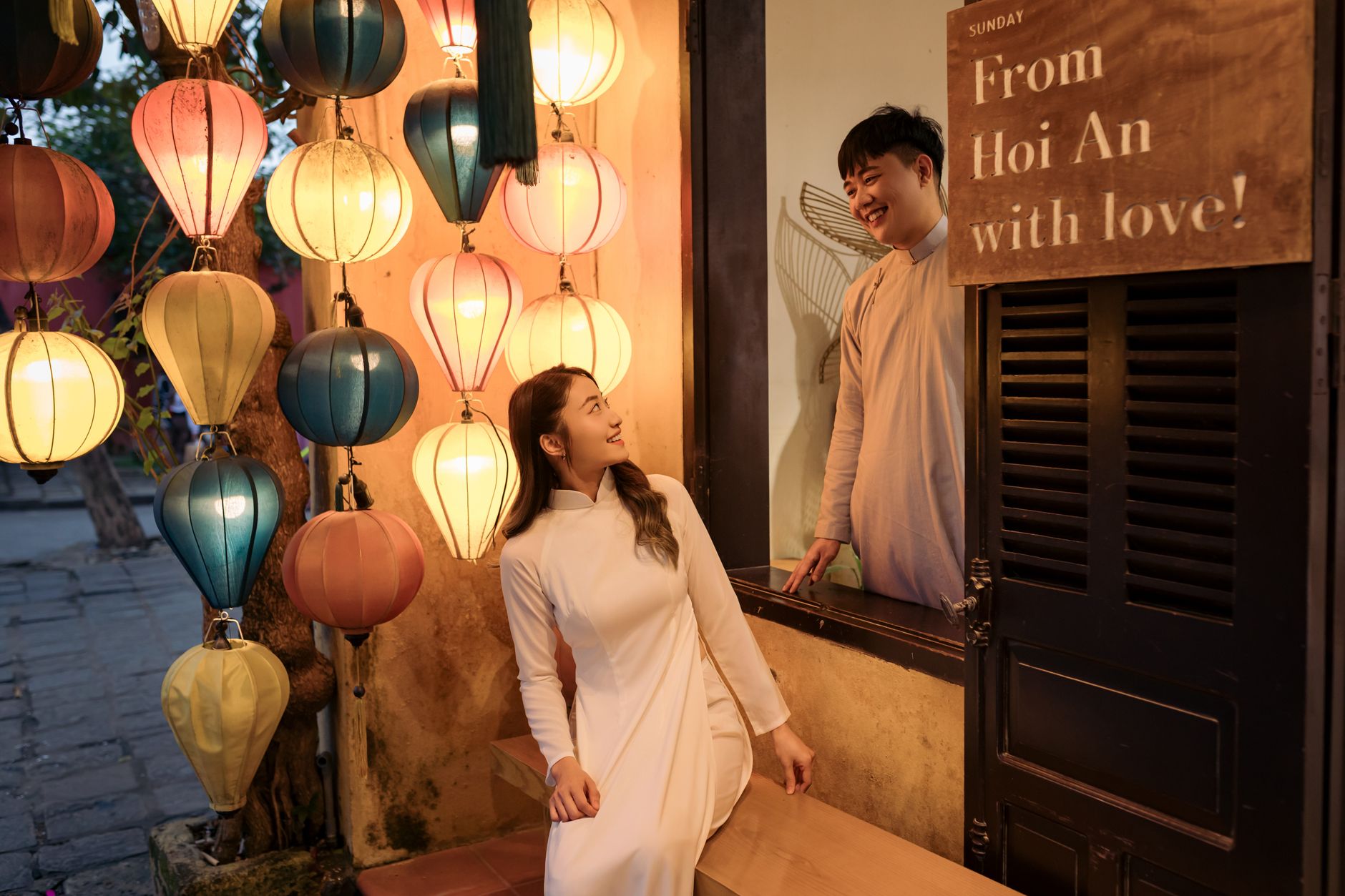
No—it's genuinely beautiful, and the architecture and lantern-making craft are worth seeing. Go early (before 8 a.m.) or after 5 p.m. when the lanes are quieter and lit by lanterns. The main temple, pagoda, and Japanese Bridge don't charge entry and are peaceful in those hours. But don't spend six hours there. Spend two or three, then move to a café in a side lane, or book an afternoon horse riding experience through the villages north of town. The real Hoi An is outside the red-rope zone—in the orchards, the family workshops, the rice-field paths. The lanterns are a photo. The place is a feeling.
Which hands-on class fits your rhythm best?
| Class | What you make | Best for | Time | Why it works |
|---|---|---|---|---|
| Cooking | Fresh noodles, regional curry, spring rolls | All ages, groups, couples | 3 hours | You eat the result; teaches real knife skills |
| Coffee | Filter coffee, tasting, roasting basics | Adults, mornings | 2–2.5 hours | Local craft; three cups included |
| Flower arranging | Seasonal vase or table setting | Couples, calm people | 2 hours | Relaxing; you take your work home |
| Craft workshop | Lantern, silk painting, or wood carving | Families, beginners | 2–3 hours | Learn from a maker; tactile and slow |
Cooking classes are the most immersive—you touch every ingredient and can't be rushed. Coffee workshops suit early risers and people who want to taste rather than make. Flower arranging is meditative and works for couples or solo travelers. Craft workshops are best for families with kids age 7+, or anyone who wants to take something home that they made with their own hands.
How long should you actually stay in Hoi An?
Three days is minimum to feel the place: day one is arrival and wandering; day two is a morning cooking class and afternoon riverside time; day three is a countryside ride or farm visit nearby, then evening in the old quarter. Four or five days lets you repeat. Many slow travelers stay a week and take two classes—morning coffee one day, afternoon cooking another—plus day trips to nearby villages by bicycle or motorbike. The rhythm works best if you stay in a guesthouse or hotel within walking distance of the lantern makers and old French quarter, not in a beach resort 30 minutes away. Hoi An is small. That's its strength.
What else is near Hoi An if you want to venture further?
Da Nang is 30 minutes away by car or motorbike; Da Nang experiences include coastal rides and different craft traditions. An Hoi Island (across the Thu Bon) has quieter cafés and vegetable farms you can visit. Cam Thanh village is five kilometers north—water-coconut palms, sampan rides, and farm experiences with family orchards. Tra Que herb village is also close: a working vegetable garden that teaches about local herbs and sustainable farming. None of these require a tour operator; a motorbike rental and a map are enough. If you want structure, we run horse riding and countryside experiences that include these villages.
What to check before you book a class or ride
- Group size: Ask whether the session is one-to-one, small group (4–6 people), or larger. Small group is most common and builds friendships. One-to-one costs more but is better for families with young kids or people with allergies.
- Skill level: All our classes welcome beginners. If you're vegetarian, allergic to shellfish, or have mobility concerns, tell us when you inquire—we adapt.
- Weather: Hoi An is humid and warm year-round, but rain is heavy July–September. If it rains, we reschedule or move indoors. Bring light clothes, sunscreen, and a light rain jacket for countryside rides.
- Transport: We can arrange pickup from your hotel. Confirm the time and address when you get dates confirmed.
- What to bring: Comfortable shoes for walking; wear clothes you don't mind getting wet or stained if you're cooking or arranging flowers. No special equipment needed.
For questions about availability, dates, and what to expect, contact us on WhatsApp.
Other reasons to slow down in Hoi An
The light is best before 9 a.m. and after 4 p.m.—that's when you see the place as the residents do. Take a tea experience at a café run by someone who sources leaves from the mountains. Walk the back lanes and watch the lantern makers. Sit on a wooden chair at the water's edge and don't check your phone. Buy fresh fruit at the market and eat it in your room. Stay in a hotel with a courtyard. Book a cooking class and then cook the same dish at home for six months, remembering the teacher's hands. That's slow travel. That's why people return to Hoi An again and again.
See how a session runs
Visit Hoi An's destination page to explore more ways to experience the town.

FAQ
Can I take a cooking class if I'm vegetarian or have food allergies?
Yes. Tell us your restrictions when you ask about dates. We source ingredients locally and adapt every recipe. You'll learn the same techniques and eat well.
What's the best time of year to visit Hoi An for slow travel?
October–March is coolest and driest. April–June is warm but dry. July–September is humid and rainy; fewer tourists, but outdoors is harder. We run classes year-round and reschedule if weather is severe.
Do I need experience to ride a horse or take a craft workshop?
No. All our horse riding and craft workshops start with beginners. The teacher shows you how. Kids age 8+ can usually ride; younger kids can visit the stable and help groom.
How do I book and what information do you need?
Message us on WhatsApp with your dates, how many people, any dietary or mobility needs, and which experience interests you. We'll confirm availability and send a date and time. That's it.
Can we do a private class for a group or family?
Yes. Private cooking classes, horse rides, and most craft workshops work for small groups (4–12 people). Message us for a quote and we'll customize the length and focus.
Ask about dates
Tell us the city, your dates and what you would like to try. We reply on WhatsApp in English with options and availability.
FAQ
Can I take a cooking class if I'm vegetarian or have food allergies?
Yes. Tell us your restrictions when you ask about dates. We source ingredients locally and adapt every recipe. You'll learn the same techniques and eat well.
What's the best time of year to visit Hoi An for slow travel?
October–March is coolest and driest. April–June is warm but dry. July–September is humid and rainy; fewer tourists, but outdoors is harder. We run classes year-round and reschedule if weather is severe.
Do I need experience to ride a horse or take a craft workshop?
No. All our [horse riding](/horse-riding) and [craft workshops](/craft-workshops) start with beginners. The teacher shows you how. Kids age 8+ can usually ride; younger kids can visit the stable and help groom.
How do I book and what information do you need?
Message us on WhatsApp with your dates, how many people, any dietary or mobility needs, and which experience interests you. We'll confirm availability and send a date and time. That's it.
Can we do a private class for a group or family?
Yes. Private [cooking classes](/cooking-class), [horse rides](/horse-riding), and most [craft workshops](/craft-workshops) work for small groups (4–12 people). Message us for a quote and we'll customize the length and focus.
More like this
Da Lat
Da Lat local experiences with locals: what to expect
Da Lat's misty mountains and year-round spring weather draw travelers seeking escape from the lowlands. Real local experiences—not tours—happen in family kitchens, forest gardens, and craft workshops where you work alongside people who live here.
Da Lat
Da Lat experiences with hotel pickup: day trips and classes
Da Lat's cool mountain air, flower farms, and craft culture draw visitors year-round. We arrange hands-on experiences with hotel pickup so you skip transport logistics and focus on learning.
Da Lat
Da Lat workshops and classes: hands-on learning in the highlands
Da Lat's cool mountain air and creative community make it ideal for intimate workshops. We run hands-on classes in cooking, coffee, crafts and more—learn a real skill, not a tourist tick.