
Home › Blog › Farm and countryside days
Organic farm tour Da Lat: what to expect on a real countryside day
By the Cáo Experiences team · 2026-11-06
An organic farm tour in Da Lat is a half-day or full-day visit to a family-run farm in the cool-climate valleys outside town, where you pick vegetables, learn crop rotation and pest management without chemicals, and cook or taste what you harvest. Tours run year-round; the best season is September to November when leafy greens, tomatoes, and flowers are abundant. Cáo Experiences coordinates groups of 2–10 people in English, arranges transport from your accommodation, and adapts the itinerary for families, seniors, and dietary preferences. Cost varies by group size and duration—ask us for dates on WhatsApp. Avoid visiting during heavy rain (the paths become slippery) or expecting a luxury resort experience; this is genuinely working farmland where you'll get soil on your hands and clothes.
What actually happens on a farm tour—hour by hour?
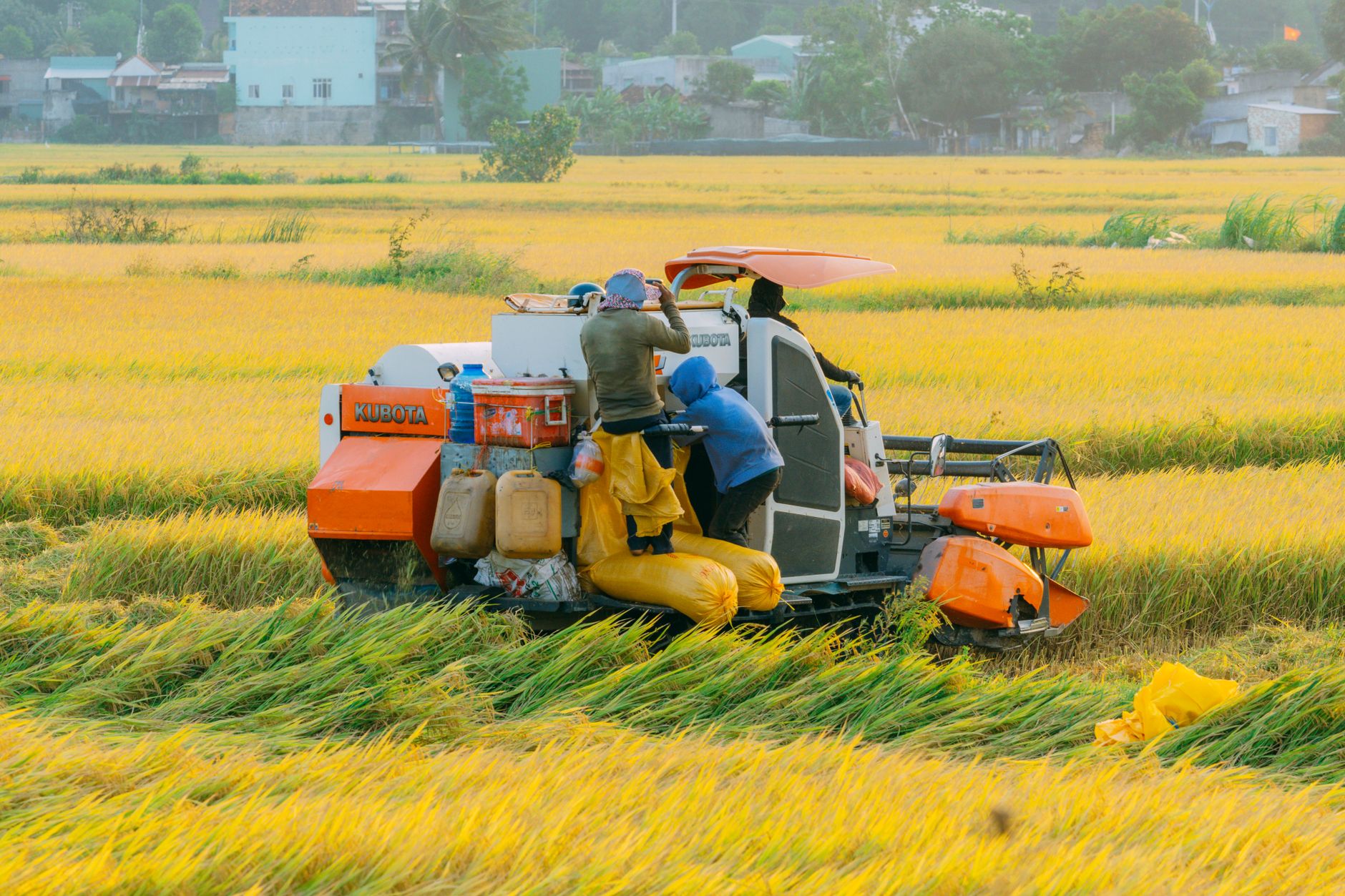
We arrive at the farm around 8 a.m. or 9 a.m., when the air is cool and damp. The farmer or their family meets us at the entrance—usually a simple gate or a cluster of wooden structures—and walks us through the layout: which beds are for leafy greens, where herbs grow, which sections are rotated for soil health. You'll receive gloves (bring old clothes; mud stains are part of the day). The first hour is hands-on: you pick vegetables using the method the farmer shows you—how to tell if lettuce is ready, how to harvest herbs without damaging roots, which tomatoes came ripe overnight. Children as young as four enjoy this; seniors find it meditative rather than strenuous because there's no time pressure. By mid-morning, we gather what you've picked, wash it at the farm's water station, and sit down to prepare it—either for a light lunch the farm provides, or to take back to a kitchen for a cooking class later that day. If it's a full day, we might plant seedlings, learn about composting, or visit the farm's own small market stand where locals buy produce. We leave around 1 p.m. (half-day) or 3 p.m. (full-day).
How does organic farming work in Da Lat's climate?
Da Lat sits at 1,500 metres elevation with cool nights and misty mornings—conditions that suit leafy greens, broccoli, strawberries, and flowers far better than lowland Vietnam. Farms here skip chemical pesticides because the cool climate naturally limits certain pests, and the soil is rich with organic matter. The farmer will show you composting piles, crop rotation patterns (winter greens follow summer tomatoes), and water management systems that capture mist. You'll see the difference: leaves are bright, soil smells alive, and there are no chemical residues. This isn't theoretical; you're standing in the beds, feeling the soil, tasting an unwashed tomato straight from the vine. The contrast with industrial farms is immediate and unforgiving—you understand why the farmer chose this path, even though it requires more hand labour.
What's the difference between a farm tour and a cooking class?
A farm tour focuses on growing: how crops are cultivated, harvested, and stored. A cooking class focuses on preparation: chopping, technique, flavour, plating. Many guests do both in one day—farm tour in the morning, cooking class in the afternoon using what you picked—but they're distinct experiences. On a farm tour, you're outdoors, learning about the land and the farmer's decisions. In a cooking class, you're in a kitchen, learning technique from a host. If you want only one, choose farm tour if you're curious about where food comes from; choose cooking if you want to take recipes home. We can arrange either alone or combine them for a full farm-to-table day.
See how a session runs
What do I wear and bring to avoid discomfort?
Wear closed-toe shoes (not flip-flops; the paths are uneven and muddy). Bring a light rain jacket even if the forecast says clear—Da Lat's weather changes fast, and morning mist can soak you. Wear long trousers or leggings if you're sensitive to insect bites; the farm has no chemical sprays, so mosquitoes are present at dawn and dusk. A wide-brimmed hat keeps sun and mist out of your eyes. Gloves are provided, but if you have sensitive skin, bring your own thin gardening gloves. A small bag or backpack holds a water bottle (the farm usually provides water, but bring your own if you prefer filtered water). Socks matter: wet feet in a cold climate are miserable. Nail clippers are useful if you have long nails and want to help with harvesting without breaking them. Don't wear white or light colours if you worry about stains; mud on Da Lat farms is reddish and stubborn. The farmer will have a washbasin, but your clothes will dry on the drive back.

Does rain cancel the tour, or can we reschedule?
Heavy rain (defined as continuous downpour or flash-flood warning from local authorities) means the paths become unsafe—we reschedule for free to another date. Light rain or morning mist doesn't cancel; the farm is often more beautiful in mist, and the work is the same. We've hosted families and seniors in drizzle without issue; the key is the right clothes. If you're visiting Da Lat in the monsoon season (May–August), rain is likely on any given day, but it's brief and warm. September to November is drier and cooler—ideal for farm tours. Ask us about the best dates for your group.
How do farm tours work for kids, seniors, and dietary restrictions?
Kids (ages 4–12): They harvest at their own pace, and we find lighter jobs if they tire—sorting beans, washing produce, arranging vegetables for photos. No child is forced to get dirty; some love it, others prefer watching. Bring snacks in case they're hungry before the farm lunch.
Seniors: The tour is as slow as needed. We skip steep paths and choose level beds if requested. Harvesting is low-impact compared to hiking. One of our hosts will stay near you to help. If standing is uncomfortable, chairs are provided at rest points.
Dietary restrictions: If you're vegetarian, vegan, or allergic (nuts, gluten, dairy), tell us when you book. The farm lunch adapts—it's usually rice, fresh vegetables you picked, and simple protein. If you're doing a combined farm-and-cooking session, the cooking class uses the same restrictions. Allergies to soil bacteria or insects: farms aren't sterile environments; if you have severe immunocompromise, a farm tour isn't ideal. Gluten-free diets are easy to manage (vegetables are naturally gluten-free); dairy-free is straightforward in rural Da Lat.
| Visitor type | What to expect | Duration | Best season | Notes |
|---|---|---|---|---|
| Families with kids 4–10 | Harvesting, soil play, tasting | Half-day (3 hours) | Sept–Nov | Bring snacks; kids tire after harvest |
| Couples or friends | Full farming cycle, cooking | Full-day (5–6 hours) | Any | Combine with cooking class for best experience |
| Seniors (60+) | Slow-paced harvest, storytelling | Half-day (3–4 hours) | Sept–Nov | Level paths, chairs provided, no rush |
| Solo traveller | Farm immersion, host interaction | Half-day | Any | Groups of 2–10; you'll join others or pay small-group rate |
| Groups 10+ | Custom itinerary, team building | Full-day | Enquire | Ask for group rates |
How does a farm tour connect to other Da Lat experiences?
Da Lat is also known for flower arranging (because the cool climate grows roses and dahlias year-round) and tea experiences (the region produces excellent oolong and black tea). Many visitors combine a farm tour with a flower workshop using blooms from the farm, or a tea session at a nearby producer. Horse riding is available in the pine forests outside town. Street food tours in the Da Lat market showcase vegetables from farms like the one you've visited. If you're staying longer in Da Lat, we can build a multi-day itinerary around countryside experiences. First-time visitors often do a farm tour to anchor their understanding of Da Lat's economy and landscape; repeat guests explore the connected activities.
What to check before you book a farm tour
- Season: Ask which crops are in season when you visit. September–November = leafy greens, tomatoes, flowers. December–February = broccoli, cauliflower, strawberries. June–August = more herbs, fewer vegetables (heat and rain).
- Physical ability: Be honest about mobility, joint pain, or fear of insects. We'll tell you whether the farm suits you.
- Group size: Farms have space for 2–10 people comfortably. Larger groups may need to split into two sessions.
- Transport: Confirm pickup from your hotel or a central meeting point. Journey is 30–45 minutes from central Da Lat.
- Duration: Decide half-day or full-day based on your schedule and energy. Full-day includes cooking or a longer farm immersion.
- Cooking follow-up: If you want to cook what you harvest, book a cooking class the same afternoon or book a kitchen session in advance.
- Allergies and diet: Tell us before arrival. Farms work with what grows; they can't source special ingredients for lunch.
- Weather: Check forecast and pack rain gear. Don't cancel because of mist or light rain; do reschedule if there's a flood warning.

FAQ
Do I need farming experience to enjoy a farm tour?
No. Most guests are complete beginners. The farmer teaches you how to harvest, identify ripe produce, and understand the land. It's as hands-on or observational as you prefer. Children and seniors enjoy it equally.
Can I take vegetables home?
Yes. What you harvest is yours to keep or eat at the farm. The farmer may also sell you extra if you want to bring more home. Ask about transport if you're buying in bulk.
What if I'm allergic to soil or insects?
Farms aren't sterile. If you have a severe mold allergy or immunocompromise, a farm tour may not suit you. Light allergies to insect bites are manageable with protective clothing and insect repellent. Tell us in advance so we can discuss options.
Can I combine a farm tour with other Da Lat experiences?
Yes. Farm tour (morning) + cooking class (afternoon) is popular. Farm tour + flower arranging (using farm flowers) is another combination. We can arrange a full itinerary around your interests.
How far is the farm from the city, and how long is the drive?
30–45 minutes depending on which farm and which part of Da Lat you're staying in. We pick you up from your accommodation. Bring a book or enjoy the mountain views during the drive.
Ask about dates
Tell us the city, your dates and what you would like to try. We reply on WhatsApp in English with options and availability.
FAQ
Do I need farming experience to enjoy a farm tour?
No. Most guests are complete beginners. The farmer teaches you how to harvest, identify ripe produce, and understand the land. It's as hands-on or observational as you prefer. Children and seniors enjoy it equally.
Can I take vegetables home?
Yes. What you harvest is yours to keep or eat at the farm. The farmer may also sell you extra if you want to bring more home. Ask about transport if you're buying in bulk.
What if I'm allergic to soil or insects?
Farms aren't sterile. If you have a severe mold allergy or immunocompromise, a farm tour may not suit you. Light allergies to insect bites are manageable with protective clothing and insect repellent. Tell us in advance so we can discuss options.
Can I combine a farm tour with other Da Lat experiences?
Yes. Farm tour (morning) + cooking class (afternoon) is popular. Farm tour + flower arranging (using farm flowers) is another combination. [We can arrange a full itinerary](/destinations/da-lat) around your interests.
How far is the farm from the city, and how long is the drive?
30–45 minutes depending on which farm and which part of Da Lat you're staying in. We pick you up from your accommodation. Bring a book or enjoy the mountain views during the drive.
More like this
Farm and countryside days
Fishing Experience Vietnam for Japanese Travelers: Where to Go & What to Expect
Vietnam's waterways offer Japanese travelers a chance to learn traditional fishing methods directly from locals. Cáo Experiences runs half- and full-day sessions on rivers, lakes and the Mekong Delta where you cast nets, set traps, and cook your catch.
Farm and countryside days
Fishing Experience Vietnam for Foreigners: Hands-On Guide
Fishing in Vietnam isn't a spectator sport—you'll wade into rivers, cast nets, trap fish in baskets, and cook your catch for lunch. We run small-group and private fishing days in the countryside outside Hanoi, Ha Noi region, and the Mekong Delta.
Farm and countryside days
Fishing Experience in Vietnam: 8 Questions to Ask Before You Go
Fishing in Vietnam means wading through rice paddies, learning trap techniques, or casting in rivers with local guides. Here's what to ask before you book.