
Home › Blog › Art and culture classes
Painting Class in Vietnam: What to Expect & How to Choose
By the Cáo Experiences team · 2026-11-06
Painting classes in Vietnam offer introductory and intermediate instruction in watercolor, acrylic, oil, and traditional Vietnamese styles, typically running 3–4 hours in artist studios, family workshops, or heritage-quarter spaces. Cáo Experiences runs art and culture classes in Hanoi, Saigon, Hoi An, Da Nang, and Da Lat, mixing hands-on technique with cultural context—no prior skill needed. Sessions include materials, step-by-step guidance from a host who speaks English, and a finished piece to take home. Small groups (2–8 guests) or private bookings suit couples, solo travelers, families, and corporate teams. Cost varies by location, duration, and group size; ask us for dates and a quote on WhatsApp. Most beginner worries—"I can't draw," "I'm too old," "I'll ruin the canvas"—dissolve within the first 15 minutes because the focus is on process, not perfection. Rain doesn't cancel classes; we work indoors. Allergies and dietary needs don't apply here, but we do adapt complexity for children (ages 6+) and seniors. Ask about dates on WhatsApp
What painting styles does Vietnam offer?
Vietnamese art traditions span silk painting, water-based ink on paper (a meditative practice tied to calligraphy), and contemporary acrylic and oil work on canvas. Western students often assume they'll paint temples and dragons, but our sessions balance cultural technique with personal expression—you might paint a temple or a portrait, a landscape or an abstract idea. Watercolor suits the humid climate and dries fast; acrylic is forgiving and bold; oil takes patience but builds richness. The choice depends on what appeals to you, not on what's "authentically Vietnamese." We help you decide in the first five minutes.
Who should take a painting class in Vietnam?
Beginners with zero art background often fear failure most. You won't fail—you'll make marks, learn to layer, and walk away with a finished piece. Solo travelers seeking a sensory break from sightseeing find the pace meditative. Couples and groups like the shared focus without high pressure. Families with children aged 6–12 adapt well; younger kids paint freely, older ones follow technique more closely. Seniors report that painting feels less physically demanding than other activities and more mentally engaging. Corporate teams use classes to break routine and bond over a shared creative challenge. There is no "type" who doesn't fit—only different comfort speeds and attention spans.
How does a session actually run, hour by hour?
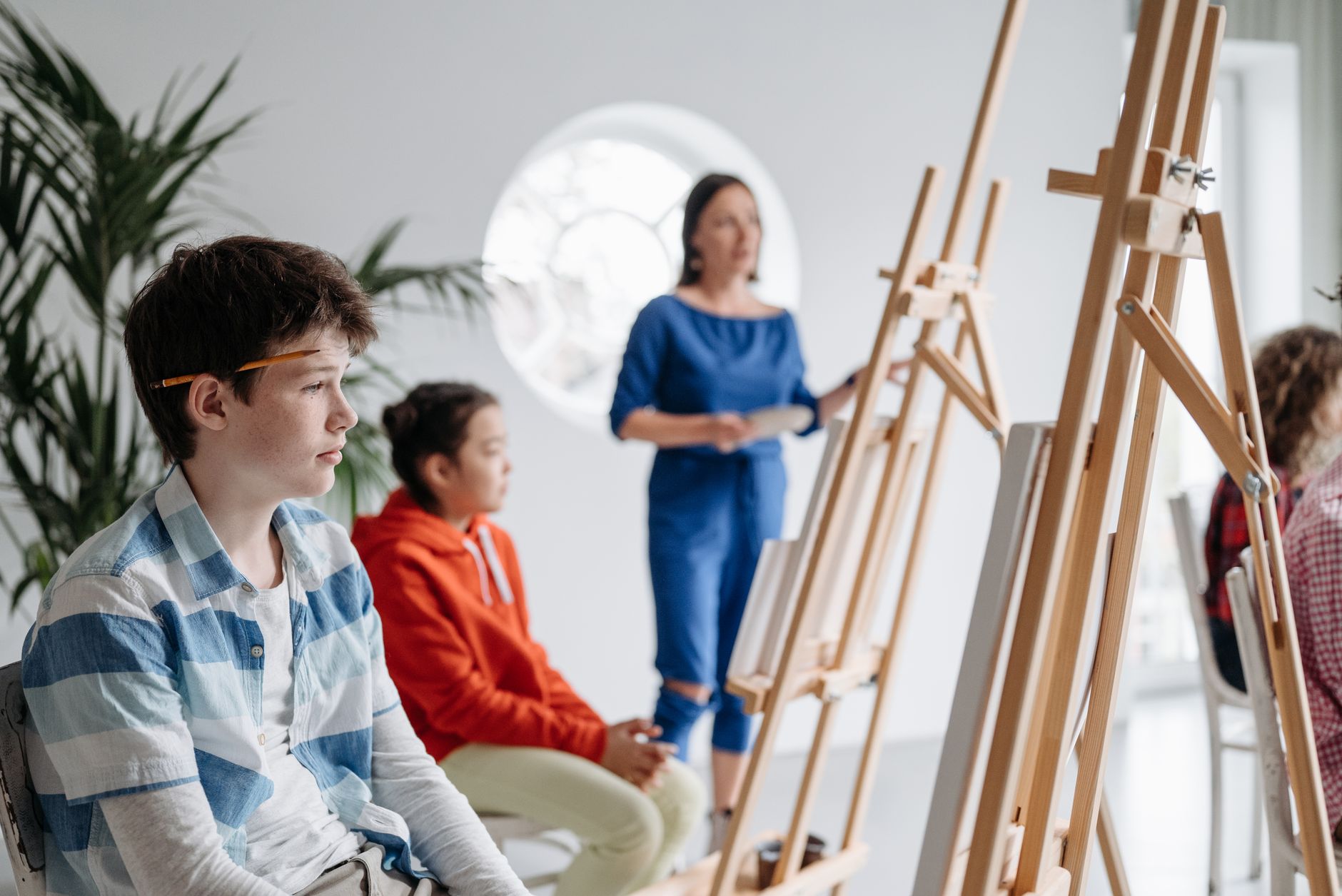
You'll arrive 10 minutes early. We greet you, show you the studio space, and set out water, brushes, and paints. Your host introduces the day's approach—maybe "learn to layer watercolor washes" or "sketch then fill with acrylic." Beginners start with simple shapes or a guided demo: you watch the host paint one element (a leaf, a shadow, a color blend), then you try it on your own canvas. Around halfway through, you're in flow—mistakes become happy accidents. In the final 30 minutes, we step back, add finishing touches, and let the piece dry or set. You can photograph it, roll it carefully if it's on paper, or carry it flat. The whole process feels unhurried because we work in small groups and nobody rushes.
What should you wear and bring?
Wear clothes you don't mind getting paint on—even with aprons, splatters happen and are part of the charm. Closed-toe shoes are practical for moving around a studio. Bring sunglasses if you're sensitive to bright light (some studios have big windows). A phone to photograph your finished work is useful. We provide all materials: canvas or paper, brushes, paints, water cups, and rags. If you have a preferred brush type or use prescription glasses, mention it in your WhatsApp message and we'll prepare. Don't bring expensive jewelry or loose scarves—they snag on easels. Avoid heavy perfume because ventilation in older studios can be limited.
What happens if you're worried you can't paint?
Nearly every guest says "I can't draw a straight line" in the first minute, and none of them need to by the end. Why? Because we don't teach drawing—we teach observation, color mixing, and brush control. If the session is abstract or loose (watercolor wash, acrylic pour), technical accuracy doesn't matter at all. If it's representational (a still life or landscape), the host breaks it into baby steps: plot a few reference points, block in color, refine edges. Mistakes teach more than perfection. A crooked line becomes a natural shadow. A muddy color becomes depth. The culture shift from "right and wrong" to "intentional and happy" takes about 20 minutes and then anxiety lifts.
How do location and season affect your choice?
Hanoi's experiences in Hanoi often happen in older neighborhoods where colonial villas house artist studios—quiet, atmospheric, natural light. Experiences in Saigon tend toward modern art spaces and gallery studios downtown, with air conditioning and polished floors. Experiences in Hoi An anchor in heritage lanes, sometimes paired with a walk through the Ancient Town marketplace beforehand. Experiences in Da Nang and experiences in Da Lat draw on mountain or coastal light. Humidity is high year-round in the lowlands, so watercolor and acrylics dry slower; oils are unchanged. Monsoon rains (May–September in the north, September–November in the center) don't stop indoor classes. Direct sun glare in April–May can make studios hot; we open fans and adjust timing. Winter (December–February) in Hanoi and Da Lat is cool and clear—ideal for oils and detail work.
Painting class vs. other art experiences: which fits you?
Compare painting with craft workshops, flower arranging workshop, and art and culture classes below. Each offers hands-on creative practice but appeals to different people and paces.
| Experience | Best for | Duration | Sensory focus | Learn to make | Cost basis |
|---|---|---|---|---|---|
| Painting class | focus, finished piece, solo or couples | 3–4 hours | color, brush, observation | a canvas you own | ask for quote |
| Craft workshop | variety, take-home gifts, families | 2–3 hours | tactile, immediate results | 2–3 different objects | ask for quote |
| Flower arranging | guests, home décor, calm mediation | 2 hours | scent, design, arrangement | one vase or display | ask for quote |
| Art and culture classes | culture + skill, mixed groups | 2–4 hours | regional style, history, technique | paint, ceramics, calligraphy, or mixed | ask for quote |
None is "better"—choose by what draws you most: Do you want to learn one skill deeply? Pick painting. Want variety and quick wins? Try crafts. Crave calm focus? Arrange flowers. Hungry for cultural context and diversity? Explore art and culture classes.
What to check before you book a painting class
- Skill level match: Ask if the session is "absolute beginner," "some experience," or "intermediate"—our hosts can pivot, but knowing your comfort helps. 2. Allergies or sensitivities: Acrylic and watercolor are low-odor, but oils can smell strong. Mention it; we can adjust. 3. Physical comfort: Can you stand for 3+ hours, or do you need a stool? Do you have any hand or shoulder concerns? Tell us. 4. Group size preference: Introverted? Choose private or a pair booking. Love energy and chatter? Join a small group. 5. What you take home: Will your piece roll safely in luggage? We pack it, but check your suitcase space beforehand. 6. Rainy-day logistics: Indoor classes run on schedule, but if outdoor walks are part of the day, ask how we adapt. 7. Languages: We host in English; if you travel with non-English speakers, we can manage basics, but confirm group language in your message.

Are classes suitable for children?
Yes—kids aged 6–12 learn well and stay engaged because we make it playful. We use larger brushes, thicker paint, and simpler shapes. A 6-year-old might paint a big bold fish in acrylics; a 10-year-old might tackle a landscape in watercolor. No sitting-still lectures. Parents often paint alongside and then compare—it's a bonding moment. Teens (13+) join adult classes and hold their own just fine. Children under 5 are tricky because sustained focus is short and fine-motor control is still building; we'd discuss with you first.
Can you take a painting class if you have mobility limitations?
Absolutely. Tell us in your booking message about any needs. We can set up a high table and chair, bring the palette and water to you, or work on a smaller surface. A senior with arthritis might need a thicker brush handle; we have them. Someone with limited standing time can rest on a stool. The host works around your pace. We've hosted guests recovering from injury, guests in wheelchairs, and guests who needed frequent breaks—all had satisfying sessions. The art doesn't change; the setup does.
How does weather impact your experience?
Indoor classes in studios or family workshops run in any weather. If the session includes an outdoor component—a walk to gather reference subjects, a sketching session in a neighborhood, a visit to a market—rain shortens or reshapes that part. We don't expose finished paintings to rain. Humidity slows drying times (canvas might need 30 extra minutes to set), but that gives you time to sit, chat, and process. Heat and direct sun make some paints dry faster and studios warmer; we open windows and provide water. You won't experience discomfort if you dress for the season.
Do allergies or dietary needs affect a painting class?
Paint materials (acrylic, watercolor, oils, brushes) don't involve food, so dietary restrictions don't apply. Allergies to paint solvents or pigments are rare but possible—if you have sensitive skin or respiratory issues around chemicals, mention it. We'll use non-toxic, water-based paints and ensure good ventilation. Latex gloves are available. No one will force you to use oils if acrylics feel safer. We adapt without fuss.
How do you compare painting classes across Vietnam's cities?
Each city has a distinct vibe. Hanoi's experiences in Hanoi often feel intimate and quiet, rooted in old-quarter charm. Saigon's experiences in Saigon tend toward energy and contemporary art. Hoi An's experiences in Hoi An lean into heritage and nostalgia. Da Nang (experiences in Da Nang) offers coastal light and modernity. Da Lat (experiences in Da Lat) brings mountain calm and cooler temperatures. If you're touring multiple cities, you could take different styles in each—watercolor in Hanoi, acrylics in Saigon, traditional ink in Hoi An. Or stick to one city and go deep. Your itinerary and taste decide.
Combine painting with other hands-on classes
Many guests pair painting with Vietnamese cooking class (morning cook, afternoon paint) or street food and market tour (market walk feeds visual inspiration, class channels it). Coffee workshop mornings then paint afternoons create a full sensory day. Flower arranging workshop and painting in sequence appeal to guests craving multiple creative outlets. Group and team experiences can bundle painting with other activities for team days. Family experiences often mix painting with gentler options like tea experience or a craft session. Horse riding experience in the countryside followed by a painting session capturing what you saw works well for adventurous types. Build your own itinerary or ask us to suggest combinations.
Ready to paint in Vietnam?
You don't need prior skill, expensive supplies, or fancy artistic confidence. You need curiosity, two hands, and three hours. Our art and culture classes meet you where you are—whether you're 8 or 80, traveling solo or with family, recovering from years away from art or trying it for the first time. The piece you finish is yours to keep. The habit of seeing color, light, and texture differently might stick even longer.
Ask us about dates on WhatsApp with your city preference, group size, and rough dates. We'll send you a summary, confirm a host, and set a time. No hidden steps. No pressure. Just paint, water, and a calm space to make something with your hands.
See how a session runs

FAQ
Do I need to bring my own supplies?
No. We provide all materials—canvas or paper, brushes, paints, water, aprons, and rags. Bring only yourself and an open mind.
What if I finish early (or run over)?
We pace the class to fit the time, but some finishers are quick and others refine for the full duration. There's no "done"—you stop when it feels complete to you. We don't rush or extend for cost reasons.
Can I take the finished painting on a plane or train?
Yes. Watercolors and acrylics on paper roll gently into a tube or stay flat in a portfolio. Oils and thick acrylics on canvas dry fast enough to pack in a carry-on within 4 hours of finishing. We show you the safest way to transport it.
Are classes offered in other languages besides English?
We host in English. If your group speaks only another language, contact us in advance—we can explore options, but fluent bilingual hosting isn't guaranteed for all languages.
How many people is a typical class?
Small groups are 2–8 guests; private classes are just you and perhaps one companion. Group size doesn't change the price structure dramatically—ask us for dates and a quote on WhatsApp once you know your group.
What if the weather is really bad on the day of my class?
Indoor studio classes run as scheduled. If an outdoor component (like a sketching walk) was planned, we adapt by staying inside, moving to a covered space, or rescheduling that part. Rain never cancels a full session.
Can a beginner produce something gallery-worthy?
"Gallery-worthy" is subjective, but yes—beginners often surprise themselves. A bold abstract canvas, a loose watercolor landscape, or a simple portrait painted with intention can be genuinely beautiful. Perfection isn't the goal; honesty is.
Ask about dates
Tell us the city, your dates and what you would like to try. We reply on WhatsApp in English with options and availability.
FAQ
Do I need to bring my own supplies?
No. We provide all materials—canvas or paper, brushes, paints, water, aprons, and rags. Bring only yourself and an open mind.
What if I finish early (or run over)?
We pace the class to fit the time, but some finishers are quick and others refine for the full duration. There's no "done"—you stop when it feels complete to you. We don't rush or extend for cost reasons.
Can I take the finished painting on a plane or train?
Yes. Watercolors and acrylics on paper roll gently into a tube or stay flat in a portfolio. Oils and thick acrylics on canvas dry fast enough to pack in a carry-on within 4 hours of finishing. We show you the safest way to transport it.
Are classes offered in other languages besides English?
We host in English. If your group speaks only another language, contact us in advance—we can explore options, but fluent bilingual hosting isn't guaranteed for all languages.
How many people is a typical class?
Small groups are 2–8 guests; private classes are just you and perhaps one companion. Group size doesn't change the price structure dramatically—[ask us for dates and a quote on WhatsApp](https://wa.me/84338762340) once you know your group.
What if the weather is really bad on the day of my class?
Indoor studio classes run as scheduled. If an outdoor component (like a sketching walk) was planned, we adapt by staying inside, moving to a covered space, or rescheduling that part. Rain never cancels a full session.
Can a beginner produce something gallery-worthy?
"Gallery-worthy" is subjective, but yes—beginners often surprise themselves. A bold abstract canvas, a loose watercolor landscape, or a simple portrait painted with intention can be genuinely beautiful. Perfection isn't the goal; honesty is.
More like this
Art and culture classes
Calligraphy class Hue: what to expect and how to start
Calligraphy classes in Hue teach you to hold the brush like a local, understand character structure, and leave with real work. We run them in an artist's studio space where you'll work alongside other learners—no previous art experience needed.
Art and culture classes
Best painting class in Hoi An: find your style
Hoi An's painting classes range from traditional lacquer to watercolour, silk and ink. We show you how to choose the right fit for your skill and schedule.
Art and culture classes
Best Painting Class in Da Nang: What to Know Before You Book
Painting classes in Da Nang range from casual drop-in sessions to structured multi-week courses. We walk you through what each type offers, who they suit best, and what to check before you commit.