
Home › Blog › Craft workshops
Private Craft Workshop Vietnam: What to Expect and How to Book
By the Cáo Experiences team · 2026-11-06
A private craft workshop in Vietnam through Cáo Experiences is a hands-on class, usually 2–4 hours, where a small group (or just you) learns a traditional craft from someone who practices it daily. We host sessions in family workshops, studios, and maker spaces across Hanoi, Saigon, Hoi An, and Da Nang. You'll make a finished piece or decorative object to take home. Sessions include all materials, tools, and instruction in English; we adapt for absolute beginners, kids, seniors, and mixed abilities. No prior skill is needed. The experience is not commercial theater—you're in a real workspace, learning alongside the maker's own practice. Dates and availability vary; ask us on WhatsApp for your preferred location and craft type. Ask about dates on WhatsApp
What Crafts Can You Actually Learn in a Private Session?
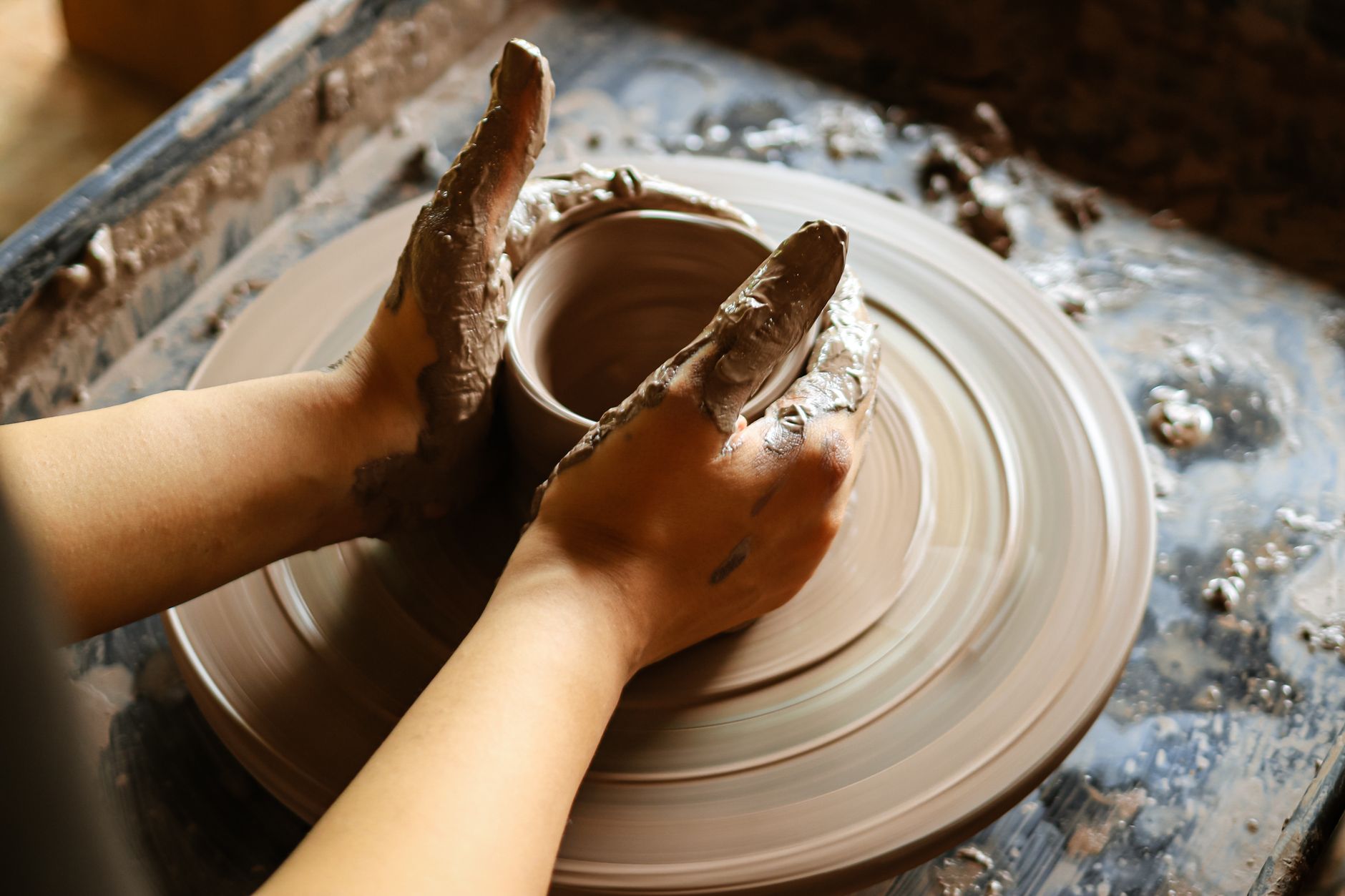
We run workshops across multiple traditional and contemporary disciplines, each suited to different interests and time. Lacquerware involves layering colored resin and hand-painting designs onto wooden forms—a skill that takes years to master, but you'll complete a small dish or box in one session. Silk painting uses natural dyes and fine brushwork on stretched fabric; first-timers often create scarves or wall hangings. Hand-weaving on small looms teaches the logic of warp and weft; you'll finish a table runner or textile panel. Ceramic hand-building (coil and slab techniques) gives you a sculptural piece—vase, bowl, or figurative form—fired by the workshop's kiln. Wood block carving teaches you to cut a repeating pattern and print it onto paper or cloth. Bamboo basketry shows you how split canes form functional or decorative pieces. The craft you choose depends on your curiosity, available time, and what a particular artisan or studio specializes in. We match you to a maker whose style and pace fit your group's mood.

Why Is a Small-Group or Private Setup Different from a Tourist Class?
A private session means you're not in a room with 15 strangers rotating through stations. Instead, 2–6 of you work with one host or maker in their actual work environment. You see their tools, their in-progress pieces, and how they approach problems. There's no script or simplified version—the instruction adapts to your questions in real time. If someone struggles with a technique, the host slows down; if your group moves fast, you can deepen the work or start a second piece. You're also not timed like a factory tour. The pace mirrors a real apprenticeship day: focus, repetition, small failures, adjustment, and pride in a handmade object. This closeness is why private craft workshops often feel more memorable than group classes—you leave with a skill, not just a souvenir.
How Do You Pick the Right Workshop for Your Group?
Start by asking: What do you want to make? If you love color and pattern, silk painting or wood block carving suit you. If you want something tactile and three-dimensional, ceramics or bamboo work fit better. Next: How much time do you have? A two-hour intro to hand-weaving teaches you the loom and basic patterns; a four-hour session lets you complete a more complex textile or start a second piece. Third: Who's in your group? Kids under 8 do better with softer materials (clay, paper, natural dyes) and shorter sessions; seniors often prefer seated work like painting or weaving; mixed ages benefit from crafts where people can work in parallel without needing identical outcomes. Finally: What's your skill level? We've never turned away a complete beginner—that's the norm. What matters is honesty: if you're hesitant about fine motor work, tell us, and we'll pick a craft that builds confidence rather than demands precision from the start.
| Craft type | Best for | Session length | Why it works |
|---|---|---|---|
| Silk painting | Pattern lovers, gift-makers, quiet focus | 2–3 hours | Forgiving medium; visible results fast; portable to take home |
| Hand-weaving | Meditative workers, textile fans, patience-builders | 2–4 hours | Rhythm-based; mistakes blend into design; piece grows as you work |
| Lacquerware | Design-minded, patience required | 3–4 hours | Striking final object; layering teaches process; slow and satisfying |
| Ceramic hand-building | Sculptors, tactile learners, kids | 2–3 hours | Immediate sensory feedback; forgiving clay; lots of variation possible |
| Wood block carving | Detail-focused, printmakers | 2–3 hours | Sharp technical skill; clear cause and effect; printable results |
| Bamboo basketry | Structural thinkers, makers of objects | 3–4 hours | Practical skill; functional piece; tactile problem-solving |
What Happens If It Rains or You Need to Adapt?
Most of our craft workshops happen indoors—family studios, shared maker spaces, and artisan kitchens don't close for weather. If rain is heavy, we confirm the session 24 hours ahead by WhatsApp and reschedule if transport is unsafe (rare in Vietnam cities). For allergies: tell us upfront if you react to particular dyes, adhesives, or dust. We work with hosts to substitute materials—for example, natural plant-based dyes instead of synthetic ones, or acrylic paint if lacquer fumes concern you. For kids, we shorten the session or offer a second activity (like decorating your finished piece, or a tea break with the maker). For seniors or those with limited mobility, we pick seated workshops and ask the host if a stool with back support is available. For dietary needs during longer sessions, we can arrange a simple snack break and often bring tea or water—ask ahead, and we'll coordinate. Ability and pace differences vanish once you start making—the craft itself becomes the focus, not the group's uniformity.
How Do You Actually Book, and What's the Process From Booking to Finished Piece?
Contact us on WhatsApp with your preferred dates, location, craft type, and group size. We check availability with our host network and send you a proposal with session details (time, length, what you'll make, what to bring or wear). Once confirmed, we send a WhatsApp reminder 48 hours before with the exact meeting point and any final logistics. On the day, you arrive 10–15 minutes early; the host meets you, shows you the workspace, and explains the craft's history briefly (usually 5–10 minutes of context). Then you begin: materials are laid out, tools are demonstrated, and you start making under live guidance. The host circulates, adjusts hand position, answers questions, and troubleshoots. Around the midpoint, there's often a natural pause—a tea break, a moment to see how everyone's progressing. You finish the final touches in the last 30 minutes, and the host helps you photograph your work or carefully pack it. Some pieces (ceramics, lacquerware) need kiln-firing or curing; the host either fires it on-site, and you collect it later, or ships it to your address after the session (we arrange that). Most finished pieces—painted silks, woven textiles, carved prints—leave with you the same day.
What Other Hands-On Experiences Complement a Craft Workshop?
Many guests pair a craft session with other experiences to deepen their time in one place. A Vietnamese cooking class in the same neighborhood teaches you to make a meal; afterward, a craft workshop feels like a natural second half of the day—you've both created something. A flower arranging workshop and a silk-painting session work well together if you're drawn to design and color. Tea experiences and ceramic hand-building pair naturally—you make a cup, then brew and drink from it. Some groups combine coffee workshop skills with wood block carving: you design and print your own coffee labels. If you're in a countryside location, a farm experience in the morning and a craft session in an artisan's studio in the afternoon gives a full sensory day—harvesting, then making.
What to Check Before You Commit to a Private Craft Workshop
- Confirm the specific craft – Not all workshops offer all disciplines; ask which maker or studio we're pairing you with and what their specialty is.
- Check session length – Two hours is an intro; four hours allows deeper work. Be honest about your stamina and schedule.
- Ask about the finished piece – Will you take it home the same day, or does it need firing/curing? How is it packaged or shipped?
- Disclose allergies and physical needs early – Dye sensitivities, back pain, limited grip strength—all manageable with the right prep and host.
- Wear clothes you don't mind staining – Natural dyes, paints, and clay dust happen. Bring an apron if you prefer extra protection.
- Know the meeting point – We send it by WhatsApp; it's usually a lane or studio address, not a hotel lobby. Allow 15 minutes to find it.
- Plan for weather – Bring a light umbrella in rainy season; workshops are indoors, but transport isn't always covered.
A Practical Angle: How to Choose Between a Craft Workshop and Other Making Experiences in Vietnam
If you want to master a skill you'll use again, craft workshops are ideal—weaving, painting, carving are repeatable at home. If you want an experience tied to food and culture, a Vietnamese cooking class teaches utility and tradition together. If you prefer to learn about making without hands-on work, art and culture classes offer history, appreciation, and guided observation. If you're traveling with kids, family experiences include craft sessions designed for mixed ages—shorter, more play-based, with less pressure. The difference: a craft workshop is you, the maker, and genuine technique—no performance, no intermediate guide, just learning by doing.

FAQ
Do I need to have made anything before to join a private craft workshop?
No. Absolute beginners are the norm. We pair you with a host whose style is patient and adaptive. Skill builds as you work; the first piece is always a learning piece, and that's expected.
Can I book a craft workshop if I'm traveling solo, or does it have to be a group?
Both work. A solo session is intimate and intensive—the host can focus entirely on your pace and interests. A group of 2–4 shares the cost and the fun of making together. Ask us for availability for either setup.
What if the craft I want isn't available on my dates?
We work with multiple makers and disciplines across each city. If your first choice isn't possible, we offer alternatives that match your interests—usually within a day or two of your preferred date. Flexibility often opens options.
Do finished pieces need to be packed and shipped, or can I carry them home?
Most (silks, textiles, carved prints) fit in a bag or suitcase. Ceramics and lacquerware can be fragile; if yours needs firing or curing, the host packages it carefully and can ship it to your address after the session. We handle logistics via WhatsApp.
How much does a private craft workshop cost?
Dates and pricing vary by craft, location, group size, and session length. Ask us for a specific quote on WhatsApp—we'll give you a clear proposal with all details included.
What if my group has very different skill levels or physical abilities?
We match you to a host and craft where people can work in parallel at their own pace. A beginner and an experienced maker can sit side by side at a loom or painting table and both have a rewarding session. Tell us your group's mix upfront, and we'll suggest the best craft and host fit.
Can I book a craft workshop in Hanoi, Saigon, Hoi An, or Da Nang?
Yes. We run sessions across destinations in Hanoi, Ho Chi Minh City, Hoi An, and Da Nang. Each city has different makers and specialties. Tell us your location, and we'll match you with available options. Ask about dates on WhatsApp | See how a session runs
Ask about dates
Tell us the city, your dates and what you would like to try. We reply on WhatsApp in English with options and availability.
FAQ
Do I need to have made anything before to join a private craft workshop?
No. Absolute beginners are the norm. We pair you with a host whose style is patient and adaptive. Skill builds as you work; the first piece is always a learning piece, and that's expected.
Can I book a craft workshop if I'm traveling solo, or does it have to be a group?
Both work. A solo session is intimate and intensive—the host can focus entirely on your pace and interests. A group of 2–4 shares the cost and the fun of making together. Ask us for availability for either setup.
What if the craft I want isn't available on my dates?
We work with multiple makers and disciplines across each city. If your first choice isn't possible, we offer alternatives that match your interests—usually within a day or two of your preferred date. Flexibility often opens options.
Do finished pieces need to be packed and shipped, or can I carry them home?
Most (silks, textiles, carved prints) fit in a bag or suitcase. Ceramics and lacquerware can be fragile; if yours needs firing or curing, the host packages it carefully and can ship it to your address after the session. We handle logistics via WhatsApp.
How much does a private craft workshop cost?
Dates and pricing vary by craft, location, group size, and session length. Ask us for a specific quote on WhatsApp—we'll give you a clear proposal with all details included.
What if my group has very different skill levels or physical abilities?
We match you to a host and craft where people can work in parallel at their own pace. A beginner and an experienced maker can sit side by side at a loom or painting table and both have a rewarding session. Tell us your group's mix upfront, and we'll suggest the best craft and host fit.
Can I book a craft workshop in Hanoi, Saigon, Hoi An, or Da Nang?
Yes. We run sessions across [destinations in Hanoi](/destinations/hanoi), [Ho Chi Minh City](/destinations/ho-chi-minh-city), [Hoi An](/destinations/hoi-an), and [Da Nang](/destinations/da-nang). Each city has different makers and specialties. Tell us your location, and we'll match you with available options. [💬 Ask about dates on WhatsApp](https://wa.me/84338762340) | [🍜 See how a session runs](/contact)
More like this
Craft workshops
Craft Workshop in Saigon: Small Group Classes for Beginners
Cáo Experiences runs small-group craft workshops across Saigon where you learn traditional and contemporary making in intimate studio and community spaces. Sessions suit absolute beginners, families, and skill-builders.
Craft workshops
Craft workshop in Saigon for couples: what to choose
Couples in Saigon have three main craft paths: ceramics in a family studio, natural-dye silk painting, or bamboo weaving. Each teaches differently and suits different moods.
Craft workshops
Craft Workshop in Hoi An: What to Expect Step by Step
A craft workshop in Hoi An with Cáo Experiences is a half or full-day session where you learn a traditional Vietnamese skill—lantern-making, silk painting, woodblock printing, or lacquerware—in a working studio or family workshop. You leave with a finished piece you made yourself.