
Home › Blog › Farm and countryside days
Private Farm Experience Vietnam: What to Expect & How to Book
By the Cáo Experiences team · 2026-11-06
A private farm experience in Vietnam means spending a full morning or day on a working family farm—typically outside Hanoi, Da Lat, or the Mekong region—where you harvest seasonal vegetables, herbs, or rice alongside the farmers who grow them. Cáo Experiences arranges small-group or private sessions that start at dawn or mid-morning, last 4–6 hours, and include harvesting, a farm tour, and often a hands-on cooking class using what you've picked. Sessions run year-round; availability and what you harvest depend on the season (leafy greens and herbs in cooler months, tomatoes and peppers in warmer ones). No farming experience is required—you'll learn by doing, moving at a gentle pace. Cost varies by location, group size, and whether cooking is included; ask us for a custom quote. Wear closed shoes, bring a hat and sunscreen, and be ready for mud and early starts. Rain doesn't cancel; we adapt the itinerary to indoor prep work or covered spaces. Ask about dates on WhatsApp
What actually happens hour by hour on a farm day?
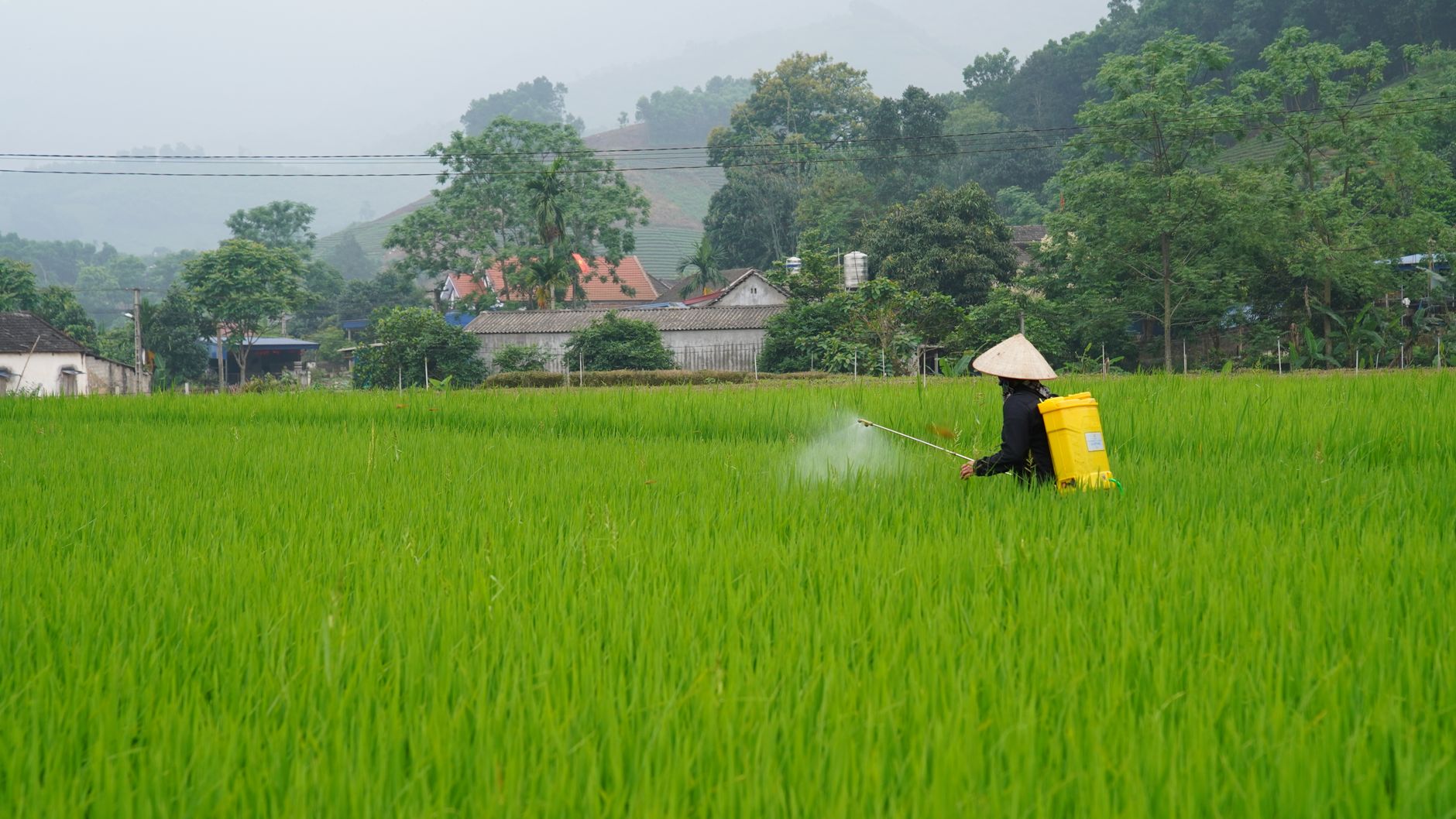
You arrive at the farm before 7 a.m., when the air is cool and the farmers are already at work. A guide meets you at a pickup point or directly on the land. The first hour is usually harvesting: you learn to identify ripe vegetables, pick without bruising, and understand which plants need to stay in the ground. Around 8:30, we gather for tea and a walk through the fields—farmers show you crop rotation, composting, and how they manage water or pests without heavy chemicals. By 10 a.m., if cooking is included, you carry your harvest to a simple kitchen shelter or family home on or near the farm. You wash vegetables together, chop, and cook a meal—perhaps a stir-fry, soup, or fresh spring rolls—while a farmer or cook explains local techniques and why certain herbs or greens matter in Vietnamese food. Lunch is at a wooden table, often under a roof open to the fields. You eat slowly, ask questions, rest. By 1 p.m., most guests leave; some stay longer to help with afternoon tasks or visit a local market that supplies from these same farms. The whole arc is unhurried and physical but not exhausting.
Do I need farming experience or fitness?
No. We work at the pace of the farm and the season, not a tourist schedule. Beginners worry they'll slow the group or do it wrong—in fact, farmers enjoy teaching and adapt instantly. You're not competing; you're learning by watching and doing. If you have knee or back concerns, tell us beforehand and we'll assign lighter tasks (washing, sorting, herb-tying instead of digging) or shorten the harvest window. Most guests are in their 50s, 60s, or 70s alongside families with kids aged 8–14. Children pick enthusiastically, learn patience, and eat vegetables they grew—a rare gift. Fitness means "can walk 200 meters on uneven ground and stand for 2–3 hours." Wear supportive shoes, not sandals. If mobility is limited, we can arrange a seated role—sorting at a table, learning about soil or seed storage indoors. Rain or very hot days don't require cancellation; we shift to covered work or indoor tasks like processing or cooking prep.
How does this compare to a cooking class or market tour?
A Vietnamese cooking class teaches technique in a kitchen using pre-bought ingredients; a farm experience teaches why you're cooking those ingredients and where they come from. A street food and market tour shows you finished food and local vendors; a farm day shows you the soil, the farmer's hands, the moment of harvest. Some guests do a farm experience, then book a cooking class weeks later to apply what they learned. A flower arranging workshop works with cut blooms from a wholesaler; a farm session might include learning edible flowers or herb bundles you've picked yourself. If your goal is to taste Vietnam and understand its rhythms, a farm experience is the deepest entry point. If you want pure skill-building, a cooking class is sharper. Many guests combine both. Here's a quick frame:
| Experience | Focus | Duration | Physical | Best for |
|---|---|---|---|---|
| Farm day | Source, harvest, soil, patience | 4–6 hours | Moderate (standing, walking, bending) | Curiosity, kids, slow travel |
| Cooking class | Knife skills, recipes, technique | 3–4 hours | Light (seated/standing in kitchen) | Home cooks, dietary goals |
| Market tour | Vendors, ingredients, street culture | 2–3 hours | Moderate (walking, crowds) | Urban immersion, quick visits |
| Coffee workshop | Bean to cup, tasting, roasting | 2–3 hours | Light (seated mostly) | Coffee geeks, gift-givers |
The farm experience stands alone because it's the only one that starts in the ground.
Which regions have farm experiences available?
We run farm days in three main zones, each with different seasons and crops. Around Hanoi, in villages within an hour of the city, farms grow leafy greens, herbs (mint, basil, coriander), and seasonal vegetables year-round; these are closest if you're in the north. Da Lat, the highland cool-climate hub, offers strawberry, artichoke, and vegetable farms from September to May; summers are wetter and less ideal. The Mekong region (accessible from Ho Chi Minh City or a day trip) grows rice, tropical fruits, and herbs; seasons are more extreme (dry October–April, wet May–September). We also coordinate farm and countryside experiences in smaller pockets—floating gardens near rivers, herb farms in rural districts—depending on your dates. Each location has its own rhythm. Ask us what's in season and what suits your interests; we'll match you with a farm and a date.

What should I bring and how do I prepare?
Bring a hat, sunscreen (SPF 30+), a light long-sleeved shirt (sun and insects), closed shoes with grip (farms are muddy), a small towel, and water. A camera or phone is fine; we encourage photos. Don't wear jewelry, perfume, or tight clothes. Eat a light breakfast before you arrive—you'll be active—but come hungry for lunch. If you have allergies, mention them now; we'll brief the farmer and kitchen so no allergen touches your food. If you take medications or have joint issues, tell us: we adapt tasks on the day. Most farms have a basic toilet and hand-washing station; some are squat toilets, some Western. Bring hand sanitizer or wet wipes if squat toilets make you uneasy. In hot months (May–September), arrive earlier to finish before the worst heat; in cool months, layers help because mornings are chilly. Rain doesn't stop us—we shift to covered harvesting or indoor processing. If you're pregnant, have a heart condition, or are very early in recovery from illness, check with us first; a farm day involves sustained light activity.
Why book through Cáo Experiences instead of going alone?
Going alone, you'd struggle to find a welcoming farm that speaks English and has a safe kitchen setup for visitors. Most farms sell to restaurants or markets, not tourists. Cáo Experiences has relationships with farmer families who want to share their work and are set up for guests—with guides who translate, explain context, and know how to pace a day so you learn without exhausting yourself or the farmers. Our hosts have cooked or worked on farms; they know the hard parts (aching knees, early starts, mud) and the quiet moments (tea with the farmer at 8 a.m., the taste of just-picked herbs). We handle WhatsApp coordination, transport if needed, and adapt on the day—if the farmer says "the tomatoes aren't ready yet, but the greens are spectacular," we shift. You get a real day, not a choreographed tour. Booking direct with a farm, you might find a kind family, but no safety net, no recourse, no language bridge. We're the bridge and the accountability.
What to check before you go
- Season: Ask what's being harvested now. Peak seasons (Oct–April) have more variety; monsoon months (May–Sep) are quieter and rainier.
- Group size: Private visits (2–4 people) are intimate; small groups (5–8) are livelier and cheaper per person. Ask which fits your party.
- Cooking inclusion: Do you want to cook and eat, or just harvest and observe? Some farms offer harvest-only; others include a full meal.
- Transport: Will you be picked up from your hotel, or do you meet at the farm? Ask if it's included.
- Dietary needs: Vegetarian, vegan, gluten-free, allergies—tell us now so we can brief the farmer's kitchen.
- Physical pace: If you tire easily, confirm the walk isn't long and tasks can be done seated.
- What to wear: Closed shoes (not sandals), long sleeves, a hat. Old clothes you don't mind getting muddy.
- Rain plan: We run in light rain; heavy rain shifts to covered work or cooking prep. We'll message if conditions change.
See how a session runs
If a private farm day sounds like your kind of slow travel, we can also arrange a wellness and slow experiences package combining farm work with tea or a quiet afternoon. Or if you want the cooking angle deeper, book a Vietnamese cooking class during the same visit and build a full food story. For groups or teams wanting a shared learning day, group and corporate experiences on farms create real connection. Reach out on WhatsApp and we'll build your date.

FAQ
What's the best time of year to visit a farm in Vietnam?
October–April is cooler, drier, and has peak vegetable variety. May–September is monsoon season—farms are greener and quieter, but rain is common. Da Lat farms work year-round; Mekong farms are best dry season.
Can young kids or elderly guests do a farm experience?
Yes, both thrive. Kids aged 6+ pick, learn, and eat what they grow. Guests in their 70s and 80s do lighter tasks—sorting, washing, sitting in the kitchen. We adapt on the day.
What if I'm vegetarian or vegan?
All farm cooking is naturally vegetable-based. Tell us your diet when booking; the farmer's kitchen will respect it fully. You'll cook and eat only plants.
How much does a private farm experience cost?
Cost varies by location, group size, season, and whether cooking is included. Ask us for dates and a quote on WhatsApp—we'll give you an exact price based on your group.
What happens if it rains heavily?
Light rain we work through, with adjustments. Heavy rain shifts to covered harvesting, indoor cooking prep, or soil/seed-storage lessons. We'll message you if conditions change and suggest rescheduling.
Do I need to book weeks in advance?
No. Farms usually have availability 7–14 days out. Last-minute bookings (2–3 days ahead) sometimes work, especially in shoulder seasons. Message us with your dates and we'll check.
Is transport from my hotel included?
Depends on the farm's location. Some are close and walkable; others need a vehicle. We'll specify when you book. Transport cost (if any) is included in the quote.
Ask about dates
Tell us the city, your dates and what you would like to try. We reply on WhatsApp in English with options and availability.
FAQ
What's the best time of year to visit a farm in Vietnam?
October–April is cooler, drier, and has peak vegetable variety. May–September is monsoon season—farms are greener and quieter, but rain is common. Da Lat farms work year-round; Mekong farms are best dry season.
Can young kids or elderly guests do a farm experience?
Yes, both thrive. Kids aged 6+ pick, learn, and eat what they grow. Guests in their 70s and 80s do lighter tasks—sorting, washing, sitting in the kitchen. We adapt on the day.
What if I'm vegetarian or vegan?
All farm cooking is naturally vegetable-based. Tell us your diet when booking; the farmer's kitchen will respect it fully. You'll cook and eat only plants.
How much does a private farm experience cost?
Cost varies by location, group size, season, and whether cooking is included. Ask us for dates and a quote on WhatsApp—we'll give you an exact price based on your group.
What happens if it rains heavily?
Light rain we work through, with adjustments. Heavy rain shifts to covered harvesting, indoor cooking prep, or soil/seed-storage lessons. We'll message you if conditions change and suggest rescheduling.
Do I need to book weeks in advance?
No. Farms usually have availability 7–14 days out. Last-minute bookings (2–3 days ahead) sometimes work, especially in shoulder seasons. Message us with your dates and we'll check.
Is transport from my hotel included?
Depends on the farm's location. Some are close and walkable; others need a vehicle. We'll specify when you book. Transport cost (if any) is included in the quote.
More like this
Farm and countryside days
Fishing Experience Vietnam for Japanese Travelers: Where to Go & What to Expect
Vietnam's waterways offer Japanese travelers a chance to learn traditional fishing methods directly from locals. Cáo Experiences runs half- and full-day sessions on rivers, lakes and the Mekong Delta where you cast nets, set traps, and cook your catch.
Farm and countryside days
Fishing Experience Vietnam for Foreigners: Hands-On Guide
Fishing in Vietnam isn't a spectator sport—you'll wade into rivers, cast nets, trap fish in baskets, and cook your catch for lunch. We run small-group and private fishing days in the countryside outside Hanoi, Ha Noi region, and the Mekong Delta.
Farm and countryside days
Fishing Experience in Vietnam: 8 Questions to Ask Before You Go
Fishing in Vietnam means wading through rice paddies, learning trap techniques, or casting in rivers with local guides. Here's what to ask before you book.