
Home › Blog › Farm and countryside days
Rice Harvest Experience Sapa: what you actually do
By the Cáo Experiences team · 2026-11-06
A rice harvest experience in Sapa means spending a morning or afternoon in working rice paddies outside the town, joining a family during their actual harvest season (typically August to November, sometimes May to June depending on which crop). You'll learn to cut rice with a hand sickle, gather and bundle stalks, and sometimes help with threshing or winnowing grain—the real steps farmers do. Sessions run 3–4 hours with Cáo Experiences hosts who speak English, and include a meal cooked by the family in their kitchen. You don't need farming experience; we scale the work to fitness and age. Wear clothes you don't mind getting wet and muddy; bring water and sun protection. Cost varies by group size and season—ask us for dates and a quote on WhatsApp. The best time is August through November when the main harvest happens, though some families plant and harvest year-round in different fields. Ask about dates on WhatsApp
Why rice harvest timing matters in Sapa
When you visit Sapa, rice harvest dates shift because farms grow two or sometimes three crops a year in different paddies. August to November is the main harvest window for most terraced farms outside town; May to June catches the spring crop on lower slopes. If you arrive in February or July, some fields will be fallow or newly planted—which is authentic to see, but not a harvest experience. We check family calendars and field cycles when you contact us, then confirm the exact timing with your host family. Book three weeks ahead whenever possible so we can match you to a farm mid-harvest, not between crops. This single scheduling detail is why many travelers arrive hoping to harvest and find only preparation or rest periods instead.
What exactly do you do step-by-step?
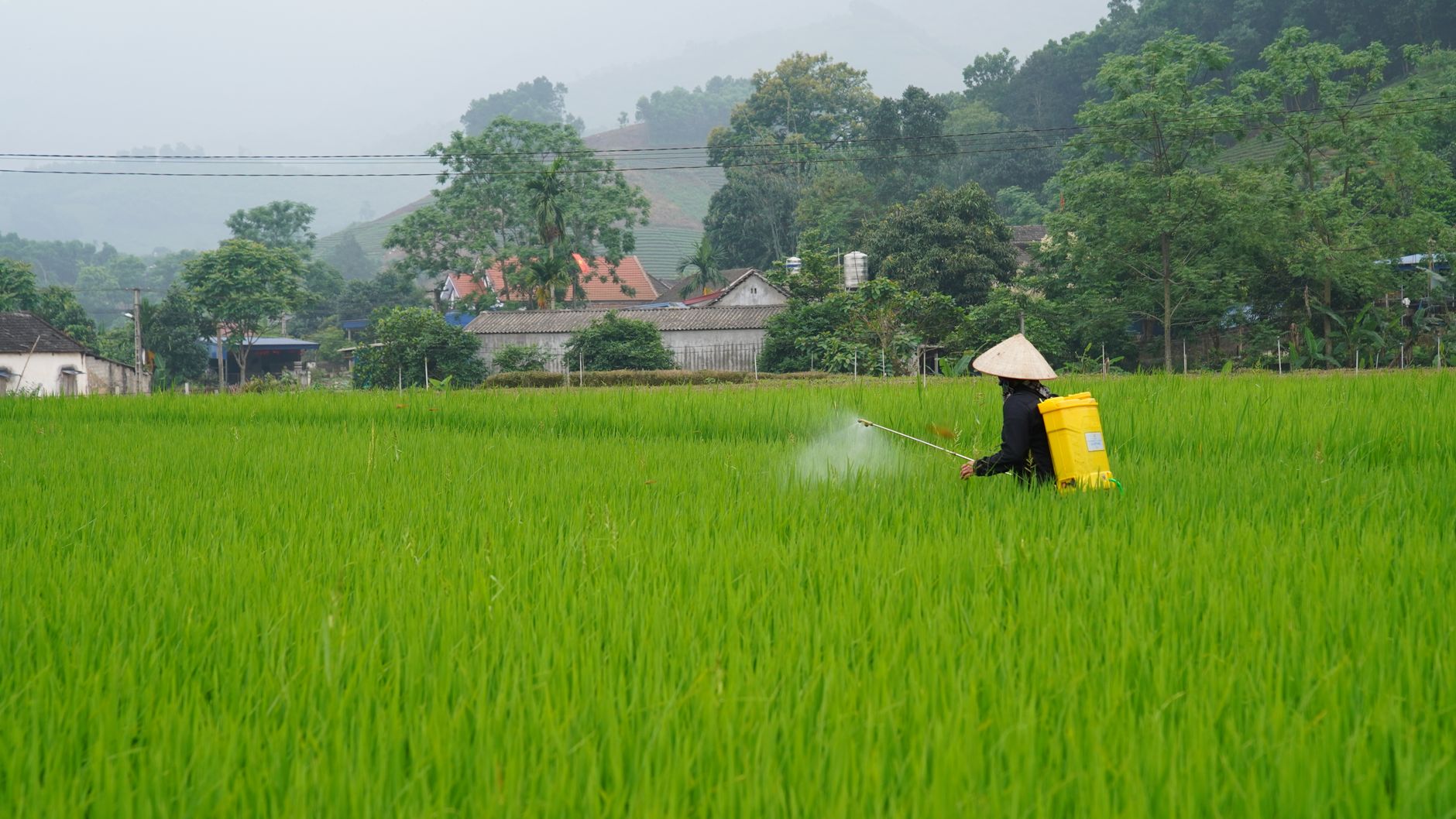
You'll arrive at a family farm in a valley or on a terraced slope near a lane off the town's southern edge, usually by shared minivan from central Sapa. Your host (often a farmer or a family member who speaks English via our coordination) will walk you to an active paddy—water level varies; sometimes ankle-deep, sometimes knee-high depending on crop and weather. First, you learn to grip a wooden-handled sickle and cut rice stalks near the soil in a rhythmic swinging motion; it looks simple and tires your shoulders within minutes. You'll bundle cut stalks into sheaves, tie them with twine or stripped rice straw, and stack them. If threshing happens that day, you'll beat bundles against a wooden frame or stomp them to separate grain from chaff. Lunch happens in the family's kitchen around midday—rice, stir-fried vegetables, usually chicken or fish, sometimes river snails. We ask about allergies and aversions beforehand; hosts adapt without fuss. The work is repetitive, muddy, and genuinely hard; beginners understand within two hours why farmers' hands are strong and why mechanization has never fully replaced human knowledge of soil and timing.
Do you need experience or fitness?
No prior farming knowledge required. We've hosted teenagers, grandparents in their seventies, people who've never left a city, and office workers with no outdoor habits. What matters is honest stamina for three to four hours of standing, bending, and arm motion in heat and humidity. If you have a bad knee, we tell the host beforehand; they'll assign you to bundling or sorting tasks done at a lower level. If you tire early, you sit, drink water, take photos, ask questions—no shame. Kids as young as six can cut small sections; teens often work alongside you. Rain doesn't cancel; it's muddy either way, and farmers harvest in drizzle. Heavy downpour might shorten the session by an hour; we'll reschedule or adapt to indoor tasks like grain sorting and food prep if needed. Heat and humidity are the real challenge, not skill—hydration and a hat matter more than fitness.
How do families adapt the experience for different group sizes?
One-on-one sessions run 3 hours and feel intimate; the host teaches technique closely and may invite you into decisions about which sections ripen next. Small groups of 3–5 people move faster and build camaraderie; everyone works a different part of the paddy and compares notes over lunch. Larger groups (6–8) are split across two paddies or two families, so no single farmer is overwhelmed; we coordinate transport and timing carefully. Families won't host more than eight because the meal and attention scatter. Couples often ask if they can work solo—yes, but the cost is higher per person; most share the experience with another pair or small group. Families with kids adapt the work easily; children help with smaller sections and often gravitate toward the family's own kids after an hour. Multigenerational groups (grandparents, parents, kids) work at their own paces; nobody is timed.
Explore more farm and countryside experiences that include other seasonal harvests and rural skills beyond rice.

What to bring and what goes wrong
Wear light, loose trousers or leggings (jeans don't dry fast and chafe); a long-sleeve shirt or UV hoodie for sun; water shoes or sandals that dry (not trainers). Bring at least 1.5 litres of water, sunscreen, a hat, and a small towel. A camera is fine, but phones get muddy—consider a waterproof case or leave it at the farmhouse. Don't bring valuable jewellery or watches; mud and water are everywhere. What often goes wrong: travelers underestimate humidity and quit early without telling the host (we can't adjust if you're silent—speak up); people wear brand-new clothes expecting to stay clean (you will smell like river and rice for hours; plan to shower after); someone forgets that sickles are sharp and cuts a finger slightly (it happens; hosts have first aid). One honest challenge is the physical reality—your arms ache the next day, even if you're fit. That's normal and part of the authenticity. If you have shoulder or wrist issues, tell us before booking; we can focus you on bundling and sorting instead of cutting.
| Aspect | What to expect | How we adapt |
|---|---|---|
| Fitness level | 3–4 hours standing, bending, repetitive arm motion | Shorter sessions, sitting breaks, lighter tasks for seniors or injury recovery |
| Group size | 1–8 people (1–2 works best for learning, 3–5 optimal for cost) | Multiple families if >5; split work zones; no waiting |
| Rainfall | Sessions run in light rain; heavy rain shortens or reschedules | Indoor grain sorting, kitchen help, meal prep with the family |
| Allergies & diet | Ask at booking; hosts have basic rice, veg, fish, eggs | Advance notice to family so they shop and cook to your needs |
| Kids (under 12) | Can participate in cutting, bundling, very welcome | Lighter tools, shorter work periods, same meal as adults |
| Seniors (65+) | Absolutely welcome; pacing adjusted | Focus on bundling, sorting, photo ops, extended meal and stories |
Why this beats a tour-bus harvest photo stop
Many Sapa itineraries include a rice paddy visit where you stand on a path, take a selfie, and leave. That's not a harvest experience—it's a backdrop. When you harvest with Cáo Experiences, you're in the mud for hours doing the actual work families do multiple times a year. You get sore, you learn the rhythm, you eat lunch cooked by people whose names you know. You understand why young people leave farms for towns (hard work, low margins) and why older farmers can't leave (land, habit, family). That knowledge stays with you; the selfie doesn't. Host families also appreciate the genuine help; your labor genuinely assists their season. We're not staging anything for your benefit—you're filling a real role, however briefly.
What to check before you book
- Harvest season: Confirm with us that your planned dates align with an actual harvest on a family farm. August–November is safest; May–June works for some families; January–April is mostly quiet.
- Fitness and mobility: Be honest about joint pain, fatigue, or movement limits. Hosts accommodate, but they need to know beforehand.
- Dietary needs: Meat, shellfish, gluten, nuts—flag anything before we confirm with the family.
- Footwear and clothing: Don't bring anything you care about. Mud is permanent on some fabrics; water dries slowly.
- Rain plan: Accept that harvest sometimes means drizzle and mud. If a full downpour comes, we reschedule or shift to indoor tasks; ask what flexibility you have when you book.
- Photography: Ask the host's permission before sharing photos online, especially if kids are in them.
Consider pairing your harvest with a Vietnamese cooking class the next day to learn how rice becomes a meal, or join a tea experience to explore how mountain farms grow beyond rice. A group and corporate experience works well if you're traveling with a team seeking shared challenge and cultural learning.

FAQ
What is the best month to do a rice harvest in Sapa?
August to November is the main window—most terraced farms are actively harvesting. May to June catches spring crop on lower slopes. We confirm exact dates with host families when you ask us for a quote on WhatsApp; some families stagger plantings, so at least one is usually ready.
Do I need to speak Vietnamese?
No. Our host meets you and speaks English throughout the session, coordinating with the farming family. The family may speak minimal English; the work itself is visual and physical, so language barriers dissolve quickly.
Will I get muddy and wet?
Yes, absolutely. Plan on mud up to the knees and wet clothes. Bring clothes you don't mind ruining; shower at your accommodation afterward. It's not a drawback—it's the authentic experience.
Can I do this if I have a bad knee or back?
Yes. Tell us beforehand. We'll focus you on bundling, sorting, and lighter tasks done from a lower position or sitting. The host will adjust without issue.
How many hours is the full experience?
Typically 3–4 hours in the paddy, including a break for lunch cooked by the family. Door-to-door from central Sapa is 5–6 hours including minivan transport.
What's included in the meal afterward?
Rice, stir-fried vegetables, usually fish or chicken, sometimes local greens or river snails. We ask about allergies beforehand so the family can adapt. Water and sometimes weak tea are included; you can buy drinks in the village.
Is it the same experience year-round?
No. August–November you harvest grain. May–June you might help prepare seedbeds or transplant. December–April the fields are fallow or newly planted—we'll tell you honestly when you contact us, then match you to a farm that's genuinely active. --- See how a session runs | Ask about dates on WhatsApp
Ask about dates
Tell us the city, your dates and what you would like to try. We reply on WhatsApp in English with options and availability.
FAQ
What is the best month to do a rice harvest in Sapa?
August to November is the main window—most terraced farms are actively harvesting. May to June catches spring crop on lower slopes. We confirm exact dates with host families when you ask us for a quote on WhatsApp; some families stagger plantings, so at least one is usually ready.
Do I need to speak Vietnamese?
No. Our host meets you and speaks English throughout the session, coordinating with the farming family. The family may speak minimal English; the work itself is visual and physical, so language barriers dissolve quickly.
Will I get muddy and wet?
Yes, absolutely. Plan on mud up to the knees and wet clothes. Bring clothes you don't mind ruining; shower at your accommodation afterward. It's not a drawback—it's the authentic experience.
Can I do this if I have a bad knee or back?
Yes. Tell us beforehand. We'll focus you on bundling, sorting, and lighter tasks done from a lower position or sitting. The host will adjust without issue.
How many hours is the full experience?
Typically 3–4 hours in the paddy, including a break for lunch cooked by the family. Door-to-door from central Sapa is 5–6 hours including minivan transport.
What's included in the meal afterward?
Rice, stir-fried vegetables, usually fish or chicken, sometimes local greens or river snails. We ask about allergies beforehand so the family can adapt. Water and sometimes weak tea are included; you can buy drinks in the village.
Is it the same experience year-round?
No. August–November you harvest grain. May–June you might help prepare seedbeds or transplant. December–April the fields are fallow or newly planted—we'll tell you honestly when you contact us, then match you to a farm that's genuinely active. --- [🍜 See how a session runs](/contact) | [💬 Ask about dates on WhatsApp](https://wa.me/84338762340)
More like this
Farm and countryside days
Fishing Experience Vietnam for Japanese Travelers: Where to Go & What to Expect
Vietnam's waterways offer Japanese travelers a chance to learn traditional fishing methods directly from locals. Cáo Experiences runs half- and full-day sessions on rivers, lakes and the Mekong Delta where you cast nets, set traps, and cook your catch.
Farm and countryside days
Fishing Experience Vietnam for Foreigners: Hands-On Guide
Fishing in Vietnam isn't a spectator sport—you'll wade into rivers, cast nets, trap fish in baskets, and cook your catch for lunch. We run small-group and private fishing days in the countryside outside Hanoi, Ha Noi region, and the Mekong Delta.
Farm and countryside days
Fishing Experience in Vietnam: 8 Questions to Ask Before You Go
Fishing in Vietnam means wading through rice paddies, learning trap techniques, or casting in rivers with local guides. Here's what to ask before you book.