
Home › Blog › Tea experiences
Tea Ceremony in Da Nang: What to Book for Your First Time
By the Cáo Experiences team · 2026-11-06
A tea experience in Da Nang with Cáo Experiences runs 2–3 hours in a family kitchen or quiet garden setting near the city. You'll prepare spring water, select leaves from a small curated range, and practice the gongfu method: warming vessels, timing infusions, tasting across multiple pours. We guide absolute beginners step-by-step and adapt for tea lovers seeking deeper technique. The session includes a tasting notes worksheet, water temperature reference cards, and honest feedback on your brew. No prior knowledge needed; wear comfortable clothes you don't mind water on. Ask us for dates and a quote on WhatsApp—group sessions (2–6 people) and private bookings both run year-round. We adapt for seniors (shorter standing time, lower tables available) and skip any leaves you dislike. Ask about dates on WhatsApp
Who Books Tea Ceremony in Da Nang?
Travelers often assume tea ceremony is for experts or a quiet sitting-and-watching activity. In reality, our guests are expats wanting to slow down, couples seeking a couple's activity with cultural depth, groups of friends learning together, and a few serious tea enthusiasts checking technique. Families with teens (age 12+) join too—kids find the sensory tasting part memorable and the hands-on brewing less intimidating than they expect. Seniors book regularly; we've adapted several sessions with seated tables and simplified pouring angles. The commonest worry: "Will I mess it up?" No. Overstepped tea, cold water, clumsy pours—we've seen them all and use them to teach. That's the point.

What Exactly Happens During the Session?
You arrive at the meeting point (sent to you via WhatsApp before the session). We walk or drive to a family kitchen in a lane off the old quarter, or a garden courtyard outside the city—never a shop or commercial studio. Once seated, we show you the kettle, explain water temperature (we use a simple thermometer; no guessing), and set out 3–4 leaf samples: typically a spring oolong, a white tea, and a pressed pu-erh or dark roast. You pick one to work with. We then demo the rinse—quick warm water through the leaves to open them—while you watch. You do the next rinse yourself. Then the first brew: you pour, we time it (usually 10–20 seconds for early infusions), you decant into a small tasting cup, you smell, you taste. We ask what you notice—sweetness, fruitiness, body. No "correct" answer; we're training your palate. You brew 4–6 infusions from the same leaves, and you'll taste how they shift as the leaves unfurl. By pour five, you're confident. By the end, you know how to choose leaves at a market and brew them at home. The session wraps with a written summary of ratios (leaf-to-water) and timing notes to take away.
How Does Da Nang Compare to Hanoi or Hoi An Tea Experiences?
Da Nang offers a quieter, less crowded backdrop than Hanoi's old-quarter hustle. Hanoi experiences cluster in busy lanes and risk noise and interruptions; Da Nang venues sit in leafy, pedestrian-friendly neighborhoods or countryside just outside the city. Hoi An's tea experiences often blend with ancient-town tourism—you're in an old-house setting, which is beautiful but sometimes overlaps with tourist crowds. Da Nang gives you calm focus without the heritage-site atmosphere; the lesson lands better when you're not competing with foot traffic. The tea culture in Da Nang is also less formalized—locals drink tea daily in family kitchens and cafes, not in ceremonial contexts, so our sessions feel more like a friend teaching you than a performance. Water and climate: Da Nang's spring water is good (we use a filter to be safe), and the humidity in summer means leaves stay fresher during the session. Conclusion: if you want genuine practice without tourist-center noise, Da Nang is your best regional choice.
What Should You Bring and Wear?
Wear loose, breathable clothing—cotton or linen—because you'll be pouring warm water for 2–3 hours and your hands will get damp. Avoid silk or anything that stains easily (tea splashes happen). Bring a small notebook if you like scribbling notes during tasting; we provide tasting worksheets, but many guests jot personal impressions. Closed-toed shoes are fine but not essential; some venues are indoors with tile, others are garden-adjacent. Avoid heavy perfume—it interferes with smelling the tea. Bring a reusable water bottle if you want to refill between infusions (we provide water, but many guests like their own). Don't bring phones unless you plan to photograph the leaves or your finished brew; we ask you to put them away during active tasting so you stay present. If you're sensitive to caffeine, tell us before you start; we'll offer a white tea (lower caffeine) as your practice leaf. Sunscreen in summer if the session is in a garden—Da Nang's midday sun is strong.
What Are the Real Differences Between Tea Types We Use?
We work with four leaf categories, each teaching a different skill. Here's what you encounter and why:
| Leaf Type | What You Learn | Brewing Challenge | Flavor Profile | Best For |
|---|---|---|---|---|
| White tea (e.g., Silver Needle) | Gentleness, patience | Long infusion (3–5 min), low heat risk | Subtle, floral, slightly sweet | First-timers, those wanting calm |
| Spring oolong (partial oxidation) | Balance, oxidation sensing | Medium heat (85–90°C), timing precision | Fruity, creamy, complex | Intermediate learners, couples |
| Dark oolong or roasted pu-erh | Depth, multiple infusions | High heat tolerance, robust leaves | Earthy, sweet, long aftertaste | Repeat guests, black-tea lovers |
| Pressed pu-erh (aged if available) | Breaking apart leaves, patience | Rinse essential, long steep possible | Deep, smooth, aged character | Enthusiasts, collectors |
The progression builds confidence. Beginners rarely ask to jump straight to dark roast because the white-tea session teaches you water temperature control first. That foundation matters.
Why Does Water Temperature Ruin Most Home Brews?
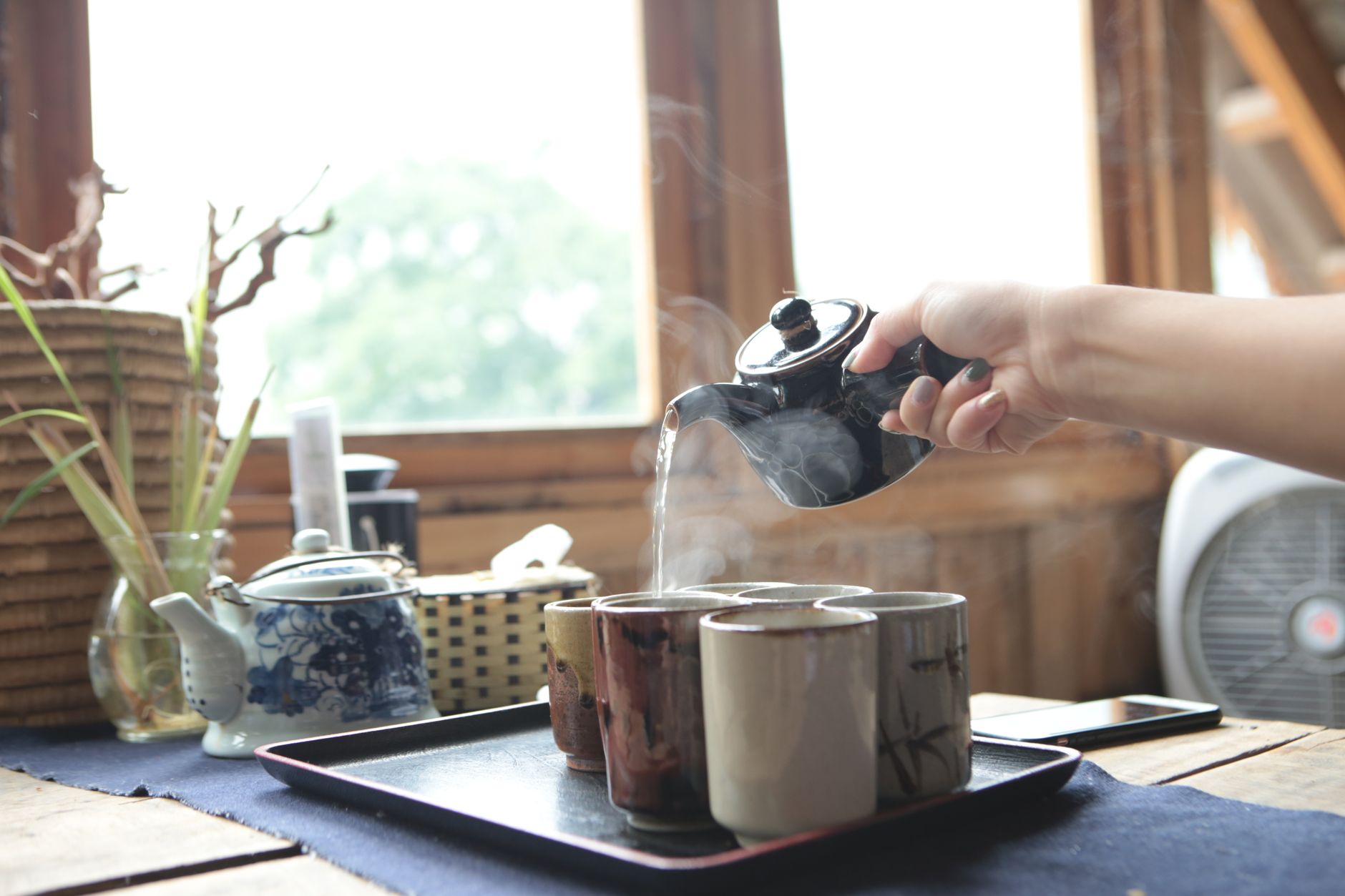
The single biggest mistake: using boiling water (100°C) on delicate leaves. Boiling water burns white tea and light oolongs, turning them bitter and flat. You've probably tasted this at hotel breakfast stations. In our session, we show you the difference side-by-side: one cup brewed at 75°C (white tea), one at 95°C. You taste them. The cooler one is brighter, more floral, longer-lasting. The hot one tastes dull and harsh. That visual and taste proof—not a rule we hand you—sticks in your memory. Da Nang's tap water is treated, but we use a simple filter pitcher because mineral content affects leaf unfurling; if your home water is soft (low mineral), your leaves might open slower. We show you how to test this by looking at leaf color change between infusions. You leave with a small table: "oolong = 85–90°C, white = 65–75°C, pu-erh = 90–95°C." It fits on a sticky note on your home kettle.
How Do We Adapt Tea Sessions for Different Ages and Fitness?
For seniors (60+): We offer seated tables (no floor cushions unless you prefer them); pouring angles are adjusted so you're not reaching far; we use lighter ceramic kettles (easier on wrists); infusion times are written large on cards. One guest, 78, brewed flawlessly once we switched to a table with armrests. She still talks about the spring oolong taste.
For kids and teens (10–17): We shorten the session to 90 minutes (one type of leaf, 3–4 infusions) and make tasting a game: "What does this smell like—flowers, honey, grass?" Teens often surprise themselves at palate sensitivity. We've had kids aged 14–16 book again because they felt capable, not lectured.
For families: We run private sessions for groups of 4–5 (adult + kids). Parents brew one leaf, kids taste and take notes. The session becomes a shared memory, not a separate activity.
For allergies: Some guests have caffeine sensitivity or ask to skip certain leaf types (rare, but we accommodate). We provide herbal alternatives (not tea, but flower infusions) if anyone wants a non-caffeinated option mid-session.
For very limited mobility: We can arrange a simplified session in a kitchen with easy seating access; you still taste and learn but don't stand to pour. Tell us in your WhatsApp message, and we'll confirm the venue suits you.
For rainy days: Tea ceremony actually improves in light rain—the garden or courtyard quiets down, humidity is perfect for leaf hydration, and the sound of water adds to the ritual feel. Heavy rain (tropical downpour) doesn't stop us; we move indoors, same session, sometimes better focus. We've never cancelled due to weather in Da Nang because the experience is flexible.
What About Combining Tea with Other Da Nang Experiences?
If you're in Da Nang for a few days, many guests book tea ceremony alongside other wellness and slow experiences or art and culture classes. A morning tea session pairs beautifully with an afternoon flower arranging workshop—both teach observation and slowness. Some couples combine tea with horse riding experience on different days (tea one morning, riding one afternoon). Groups sometimes do tea + a street food and market tour (breakfast market food, then afternoon tea using leaves bought at the market). We can coordinate these combinations for you; just tell us your interests and length of stay.
What to Check Before You Book a Da Nang Tea Session
Does the venue match your mobility? Ask us: is it a ground-floor kitchen, a garden, or a second-floor space? If stairs or long walks are a problem, say so in WhatsApp.
What's the group size? Private sessions (you alone or you + partner) feel intimate; small groups (2–6 people) build energy but mean less one-on-one feedback. Ask which suits you.
Do you have a leaf preference or restriction? Caffeine sensitivity, taste dislikes, or allergies—tell us when you inquire. We can preview which leaves we'll use.
What's your prior tea knowledge? Honest answer helps us pitch the session. If you've drunk gongfu tea before, we'll skip basics and go deeper into oxidation or fermentation. If you've only had bags, we'll start fresh.
How much time do you have? Standard session is 2–3 hours. If you only have 90 minutes, we run a shorter version. If you want 4 hours with a lunch break, we arrange it.
Is transportation included? We meet at a central Da Nang point and walk or provide transport to the venue. Confirm with us whether you need pickup from your accommodation (not always available, but we'll advise).
What do you take home? Tasting notes, a leaf sample if available, and the memory. No "tea ceremony certificate" or souvenir mugs—just what you learned and can use.
Ask us for dates and a quote on WhatsApp. Include your preferred dates, group size, and any dietary or mobility notes.

FAQ
Do I need to know anything about tea before booking?
No. Absolute beginners are our typical guest. We teach from leaf selection to brewing in the session itself. You'll taste the difference between temperatures and leaf types by doing, not listening to theory.
Is a Da Nang tea ceremony religious or ceremonial in a formal sense?
No. We teach the gongfu method—a practical brewing technique from southern China—used by families and tea shops daily, not a spiritual ritual. It's hands-on and casual, not a formal performance.
What if I don't like the tea I choose?
We have 3–4 leaf options, and you pick one to work with. If mid-session you want to taste a different type, we switch. No commitment to finish a leaf you dislike.
Can I book a private session, or only group?
Both. Private sessions are available (you, a partner, or small family). Group sessions happen on set dates. Ask us for your preference—pricing differs.
How long until I can brew tea like this at home?
You can replicate the method immediately using the notes we give you. Tasting skill (noticing subtleties) develops over weeks of practice at home. By your second or third brew at home, you'll feel confident.
What if I'm in Da Nang for only one day—is there time for tea?
Yes. The session is 2–3 hours, so a morning or afternoon slot fits a one-day trip. We can coordinate timing to fit your arrival or departure.
Do I need to buy tea afterward, or is it sold in the session?
No pressure to buy. We don't sell leaves in the session. If you want to buy similar leaves in Da Nang, we can point you to a market or small shop, but that's optional and separate from the experience.
Is the session in English?
Yes. All our tea experiences are hosted in English. If you speak Vietnamese and want some instruction in Vietnamese, tell us—we'll accommodate where possible.
Ask about dates
Tell us the city, your dates and what you would like to try. We reply on WhatsApp in English with options and availability.
FAQ
Do I need to know anything about tea before booking?
No. Absolute beginners are our typical guest. We teach from leaf selection to brewing in the session itself. You'll taste the difference between temperatures and leaf types by doing, not listening to theory.
Is a Da Nang tea ceremony religious or ceremonial in a formal sense?
No. We teach the gongfu method—a practical brewing technique from southern China—used by families and tea shops daily, not a spiritual ritual. It's hands-on and casual, not a formal performance.
What if I don't like the tea I choose?
We have 3–4 leaf options, and you pick one to work with. If mid-session you want to taste a different type, we switch. No commitment to finish a leaf you dislike.
Can I book a private session, or only group?
Both. Private sessions are available (you, a partner, or small family). Group sessions happen on set dates. Ask us for your preference—pricing differs.
How long until I can brew tea like this at home?
You can replicate the method immediately using the notes we give you. Tasting skill (noticing subtleties) develops over weeks of practice at home. By your second or third brew at home, you'll feel confident.
What if I'm in Da Nang for only one day—is there time for tea?
Yes. The session is 2–3 hours, so a morning or afternoon slot fits a one-day trip. We can coordinate timing to fit your arrival or departure.
Do I need to buy tea afterward, or is it sold in the session?
No pressure to buy. We don't sell leaves in the session. If you want to buy similar leaves in Da Nang, we can point you to a market or small shop, but that's optional and separate from the experience.
Is the session in English?
Yes. All our [tea experiences](/tea-experience) are hosted in English. If you speak Vietnamese and want some instruction in Vietnamese, tell us—we'll accommodate where possible.
More like this
Tea experiences
Best tea ceremony in Hoi An: hands-on classes and traditions
A tea ceremony in Hoi An isn't theatre—it's a quiet craft where you brew, taste, and understand water temperature, leaf grade, and timing. We run small-group and private sessions in intimate spaces in the old quarter.
Tea experiences
Best tea ceremony in Saigon: what to choose and why
Tea ceremony in Saigon ranges from meditative workshops to hands-on brewing classes. We guide you through what each type offers, who it suits, and how to pick one that matches your group's pace and interests.
Tea experiences
Tea ceremony in Da Lat: find your perfect experience
Da Lat's misty hills grow some of Vietnam's finest teas. At Cáo Experiences, we run small-group and private tea ceremonies where you learn traditional brewing, taste teas at origin, and meet the people who grow and process them.