
Home › Blog › Tea experiences
Tea ceremony in Vietnam: hands-on sessions and what to choose
By the Cáo Experiences team · 2026-11-06
A tea ceremony in Vietnam is a hands-on class where you learn to select, brew, and taste Vietnamese tea—usually green, oolong, or aged varieties—in a quiet space with a practitioner who guides water temperature, leaf quantity, and the ritual of steeping and pouring. Sessions run 90 minutes to half a day, include tasting 2–4 tea styles, a simple snack, and conversation about origins and growing regions. Cáo Experiences offers group tea experiences in Hanoi and other cities, or private sessions in family kitchens and workshop spaces. Cost varies by group size, location, and whether you visit a tea plantation or remain in town—ask us for dates and a quote on WhatsApp. No prior knowledge needed; we adapt for tea allergies (rare herbal alternatives), kids (shorter format, more tasting games), and seniors (comfortable seating, no standing required).
A tea ceremony in Vietnam is not ornamental theatre—it is a quiet, practical skill rooted in how people drink tea every day. We host these sessions in family kitchens in quiet lanes, small workshop spaces, and occasionally on countryside farms where tea grows. The ritual is the same whether you are alone with a host or in a group of six: you learn why leaf shape and storage matter, how to read water temperature without a thermometer, and how the first steep is discarded while the second and third hold the best flavour. Most guests arrive expecting a formal performance; they leave understanding how to brew a cup at home and why the Vietnamese pause, sip, and talk rather than rush.
What happens in a 90-minute group tea session?
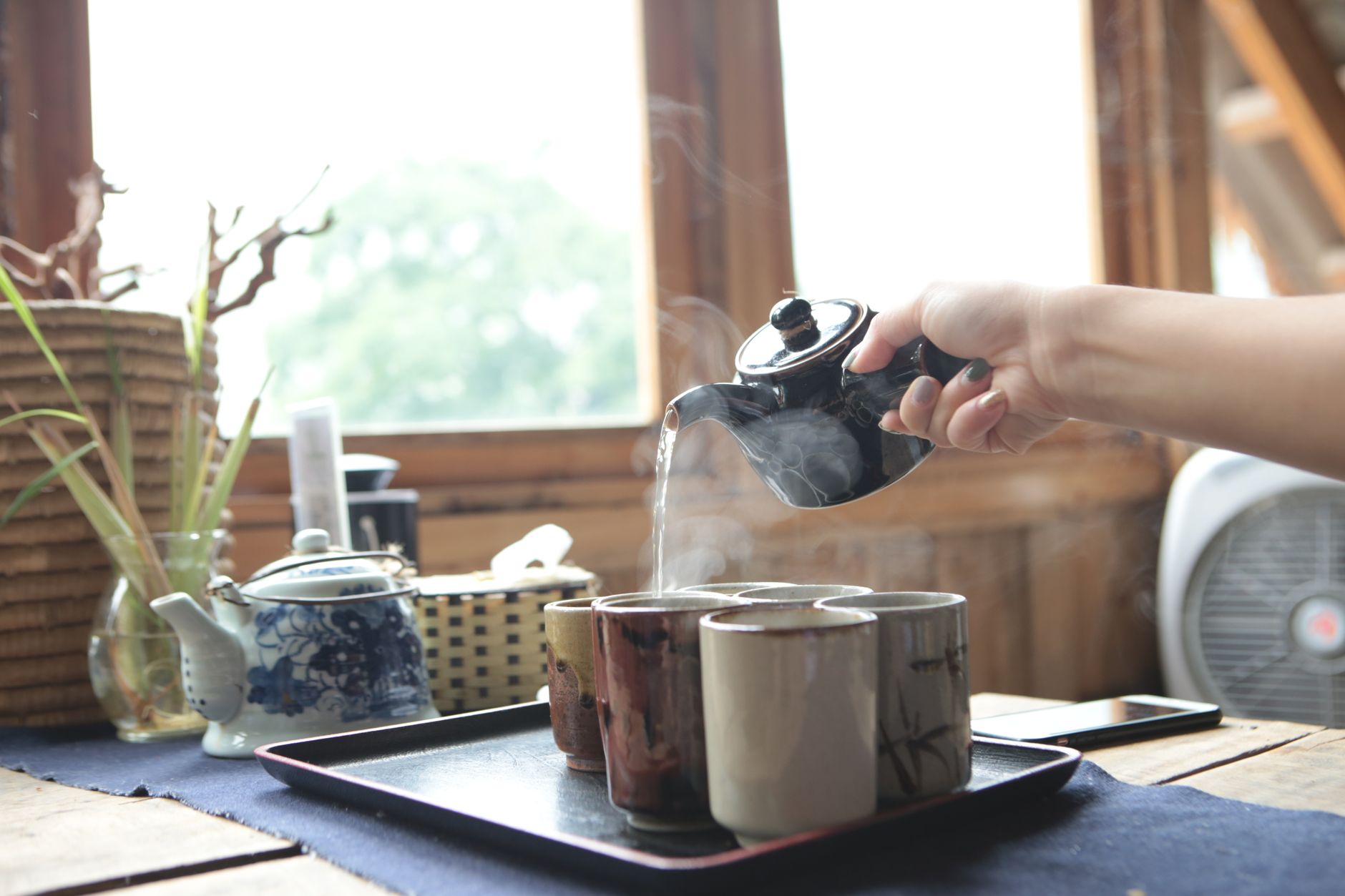
We start in a seated circle around a low table with a cloth, a kettle, cups, and a selection of leaves. The host opens with a brief story about one tea—perhaps a green tea from the Red River Delta, stored for two years, or a rolled oolong from a mountain region north of Hanoi. You smell the dry leaf (you will notice how different teas smell before they touch hot water), then we heat water to the right temperature by watching steam rise and timing a few seconds with our hands held above the pot. You measure leaves by eye—no scales—learning the ratio by feel. The first steep is poured away after 20 seconds; you pour the liquid into a shared serving cup, then into individual tasting cups. Everyone sips in silence for 10 seconds, then talks about what they taste. We do this again with a second tea, often a contrasting style. By the end, you have brewed four or five small cups, asked questions, and usually drunk more tea than you expected. We offer a simple snack—often rice crackers or a light pastry—to cleanse the palate between tastings.
How does a half-day farm or countryside tea experience differ?
A longer session includes travel to a tea-growing area outside the city, where you meet a farmer or smallholder, walk among the plants, and see how leaves are picked and dried. You still spend 60–90 minutes in a ceremony, but now the tea in your cup comes from the soil you walked on an hour before. The journey itself teaches: you notice how elevation, shade, and soil type change between paddies, and how the same plant can yield vastly different flavours depending on harvest season and processing. We adapt the walking for seniors—shorter paths, rest stops in shade—and for kids, we turn the farm visit into a treasure hunt (find three different leaf shapes, spot the drying house, taste tea at two different temperatures). These half-day experiences are best booked in small groups of 2–4 people; larger groups can move slow and miss the intimacy of the ritual. Countryside farm experiences in Da Lat, regions north of Hanoi, and the Red River area are available year-round, though spring (February–April) and autumn (September–November) offer the clearest skies.
Should you choose a group class or a private session?
Group (4–8 people): You learn at the same pace as strangers, often from different countries. The host manages timing and material for everyone. You pay less per person. Best if you enjoy shared discovery and don't mind a faster pace.
Private (1–3 people): The host adapts every steep to your questions. You can ask why water tastes different in Hanoi versus in the mountains. You set the pace. You pay more total, but it splits lower if you come with friends. Best if you want deep explanation or have specific dietary needs.
Both formats include the same core skill—how to brew, taste, and choose tea. The difference is depth and customisation, not quality. Ask about dates on WhatsApp to compare availability and fit.
How do we adapt tea ceremonies for kids, seniors, and allergies?
Kids (ages 6–12): We use smaller cups and shorter steeping times so they taste flavour without sitting for too long. We make it a game—who can smell the difference first, or guess which tea came from higher up the mountain. We skip very astringent teas and focus on lighter greens or mild oolongs. Parents often join, and kids often ask the best questions because they have no preconceptions.
Seniors: We provide cushioned seating or low chairs so you never kneel. We slow the pace and repeat explanations. We offer herbal alternatives if caffeine is a concern (though most tea in a ceremony is sipped slowly over 90 minutes, so intake is low). We keep the session indoors on very hot or rainy days and always have water and shade.
Tea allergies or sensitivities: True tea allergies are rare (tea is leaves, not a processed product). We can substitute with roasted rice tea, chrysanthemum, or herbal blends, though the ceremony feels different without true tea. We ask about sensitivities when you book so we can prepare. Family-focused experiences often include a parent-child tea session; email us to discuss any dietary needs.

What is the best season to book a tea ceremony in Vietnam?
Autumn (September–November) and spring (February–April) offer clear skies, comfortable temperatures, and the best leaf quality from recent harvests. Summer (May–August) is hot and humid; the tea is still good, but outdoor farm visits are uncomfortable after 10 a.m. Winter (December–January) is cool and dry, ideal for countryside travel, though some rural areas flood in August–September, limiting farm access temporarily.
If you are in Hanoi, group sessions run year-round indoors. If you book a farm experience in Da Lat or the mountains, check our Hanoi calendar, Da Lat schedule, or regional pages for weather notes. Rain rarely cancels a session; we move indoors or reschedule with a day's notice. The tea tastes the same, but the farm walk becomes a guided tour of a covered drying house instead.
How to choose between a Hanoi-based ceremony and a destination experience?
| Format | Location | Duration | Best for | What to expect |
|---|---|---|---|---|
| Group class | City kitchen or workshop | 90 min | First-timers, quick learners, mixed groups | 4–6 teas, no travel |
| Private session | Family home or quiet space | 2 hours | Couples, small families, deeper learning | Custom teas, one-on-one teaching |
| Half-day farm visit | Mountains or countryside | 4–5 hours | Tea lovers, photographers, adventurers | Walk, harvest stories, ceremony in situ |
| Multi-day retreat | Mountain region (Da Lat, Moc Chau) | 2–3 days | Wellness seekers, tea obsessives | Farm stay, daily ceremonies, cooking with tea |
Hanoi-based classes suit travellers on tight schedules or those new to tea. Countryside and farm visits suit people staying 3+ days in one region and willing to travel 1–2 hours outside the city. We can combine a tea ceremony with cooking classes, coffee workshops, or wellness experiences for longer itineraries—ask us when you book.
What is the honest difference between "touristic" and "authentic" tea ceremonies?
A touristic ceremony is fast, colourful, performed by someone in costume, and designed for photos. An authentic ceremony is slow, plain, hosted in a space where locals actually sit to drink tea, and you leave with a usable skill. We run authentic sessions because we are teaching you what we do ourselves—we do not perform, we invite you into a practice.
This means: no elaborate robes, no incense, no music, no gift shop at the end. We sit at a low table in simple clothes and discuss the tea. You might feel the absence of spectacle at first; most guests say by minute 30 that the quiet is the point. If you want photos, bring your camera—the ritual looks beautiful in natural light—but we never pause or restage a step for an image. If you want an ornate ceremony experience, there are tour operators in Hoi An Ancient Town and Ben Thanh area who offer that; we offer something simpler and more honest.
What to check before you book a tea ceremony
- Your caffeine tolerance: A 90-minute ceremony includes 4–6 small cups over time, so caffeine is cumulative. Herbal alternatives exist but change the experience.
- Seating comfort: Ask whether the space has chairs or floor cushions. We provide both; let us know your preference when you book.
- Group size: Confirm whether you want a private session or are happy in a group. Groups of 8 move slower; groups of 3–4 allow more conversation.
- Farm access in your region: If you want a countryside visit, check regional pages and seasonal weather. Summer heat and monsoon rains can limit walking.
- Dietary needs: Tell us about any tea sensitivities, allergies to common snacks (peanuts, sesame, wheat), or preferences (vegetarian, low-sugar) when you request a date.
- Language: All our sessions run in English. We explain tea terms once and check understanding; we never rush through vocabulary.
- Cancellation: Ask about rescheduling if weather is severe or plans change. We are flexible if you give notice.

FAQ
Do I need to know anything about tea before a ceremony?
No. We teach from the start—how to judge leaf size, smell dry tea, read steam, and taste thoughtfully. Beginners and tea lovers learn equally well because the session adapts to your level. You will know more at the end than when you arrived.
What is the difference between Vietnamese green tea, oolong, and aged tea?
Green tea is fresh, light, picked young, and tastes grassy or sweet. Oolong is rolled, oxidised longer, and tastes fruity or roasted. Aged tea (usually pu-erh or aged oolong) is stored years, tastes earthy, and improves with age. We taste one of each so you feel the difference.
Can I buy tea at the end of a ceremony?
Yes, if you ask when you book. We connect you with a source for the exact tea you tasted, and you can order a small amount to take home or have posted later. We do not mark up the price; we simply introduce you to a farmer or small supplier we trust.
Is a tea ceremony the same in Hanoi, Da Lat, and Hoi An?
The ritual is the same everywhere—you still heat water, measure leaves, steep, and taste. But the tea changes: Hanoi often features Red River oolongs, Da Lat hosts rare high-altitude greens, Hoi An sources aged pu-erh. The region shapes which tea you learn with.
What if I do not like the taste of the first tea?
That is common. Tea tastes bitter if the water is too hot or leaves steep too long. We adjust the second steep immediately—cooler water, shorter time—so you taste the same tea fresh. Often the third or fourth cup is when you understand why the leaf matters.
How long does it take to feel like I understand tea?
By the end of one session, you can brew a cup at home without guessing. After three sessions spaced weeks apart, you can taste the difference between two similar oolongs. Tea mastery takes years, but usable skill and genuine pleasure come in 90 minutes.
Ask about dates
Tell us the city, your dates and what you would like to try. We reply on WhatsApp in English with options and availability.
FAQ
Do I need to know anything about tea before a ceremony?
No. We teach from the start—how to judge leaf size, smell dry tea, read steam, and taste thoughtfully. Beginners and tea lovers learn equally well because the session adapts to your level. You will know more at the end than when you arrived.
What is the difference between Vietnamese green tea, oolong, and aged tea?
Green tea is fresh, light, picked young, and tastes grassy or sweet. Oolong is rolled, oxidised longer, and tastes fruity or roasted. Aged tea (usually pu-erh or aged oolong) is stored years, tastes earthy, and improves with age. We taste one of each so you feel the difference.
Can I buy tea at the end of a ceremony?
Yes, if you ask when you book. We connect you with a source for the exact tea you tasted, and you can order a small amount to take home or have posted later. We do not mark up the price; we simply introduce you to a farmer or small supplier we trust.
Is a tea ceremony the same in Hanoi, Da Lat, and Hoi An?
The ritual is the same everywhere—you still heat water, measure leaves, steep, and taste. But the tea changes: Hanoi often features Red River oolongs, Da Lat hosts rare high-altitude greens, Hoi An sources aged pu-erh. The region shapes which tea you learn with.
What if I do not like the taste of the first tea?
That is common. Tea tastes bitter if the water is too hot or leaves steep too long. We adjust the second steep immediately—cooler water, shorter time—so you taste the same tea fresh. Often the third or fourth cup is when you understand why the leaf matters.
How long does it take to feel like I understand tea?
By the end of one session, you can brew a cup at home without guessing. After three sessions spaced weeks apart, you can taste the difference between two similar oolongs. Tea mastery takes years, but usable skill and genuine pleasure come in 90 minutes.
More like this
Tea experiences
Best tea ceremony in Hoi An: hands-on classes and traditions
A tea ceremony in Hoi An isn't theatre—it's a quiet craft where you brew, taste, and understand water temperature, leaf grade, and timing. We run small-group and private sessions in intimate spaces in the old quarter.
Tea experiences
Best tea ceremony in Saigon: what to choose and why
Tea ceremony in Saigon ranges from meditative workshops to hands-on brewing classes. We guide you through what each type offers, who it suits, and how to pick one that matches your group's pace and interests.
Tea experiences
Tea ceremony in Da Lat: find your perfect experience
Da Lat's misty hills grow some of Vietnam's finest teas. At Cáo Experiences, we run small-group and private tea ceremonies where you learn traditional brewing, taste teas at origin, and meet the people who grow and process them.