
Home › Blog › Wellness and slow experiences
Yoga Class in Vietnam: Choose Your Style & Studio Type
By the Cáo Experiences team · 2026-11-06
Yoga classes in Vietnam vary widely by location, style, and teaching approach. In major cities like Hanoi and Ho Chi Minh City, you'll find both traditional hatha and vinyasa studios, often in converted shophouses or purpose-built centers. Classes typically run 60–90 minutes and cost between our current quote–our current quote per session (drop-in rates); introductory packages or monthly memberships offer better value. Many studios offer free trial classes. At Cáo Experiences, we pair wellness and slow experiences with cultural immersion—combining morning yoga with Vietnamese coffee workshops or farm visits. Before signing up: check class size (some studios cap at 8–12 for personal attention; larger gyms may host 30+), whether props and mats are provided, instructor qualifications, and if you need to book ahead. Studios in tourist areas (Hoi An, Da Nang beachfront) often have more drop-in flexibility; neighborhood studios in older quarters require WhatsApp reservation. Avoid studios with no trial period or flexible cancellation. Ask us for dates and a quote on WhatsApp. Ask about dates on WhatsApp
What type of yoga studio suits your travel style?
Yoga studios in Vietnam fall into three categories: neighborhood studios in old quarters (tight spaces, local feel, 8–15 students per class), fitness gyms with yoga programs (modern equipment, AC, 20–40 students, schedule predictability), and wellness retreats (rural or beachside, 5–10 students, integrated meals and philosophy). Neighborhood studios often run morning classes 6–7 a.m. (before commute rush) and evening sessions 5–7 p.m.; gyms offer midday slots for office workers. Retreat centers typically run week-long immersions or weekend intensives. Choose based on your schedule, budget, and whether you want community or solitude. A conclusive test: does the studio offer a drop-in rate and a free trial without signing a contract?
How do class structures differ between city centers and countryside?
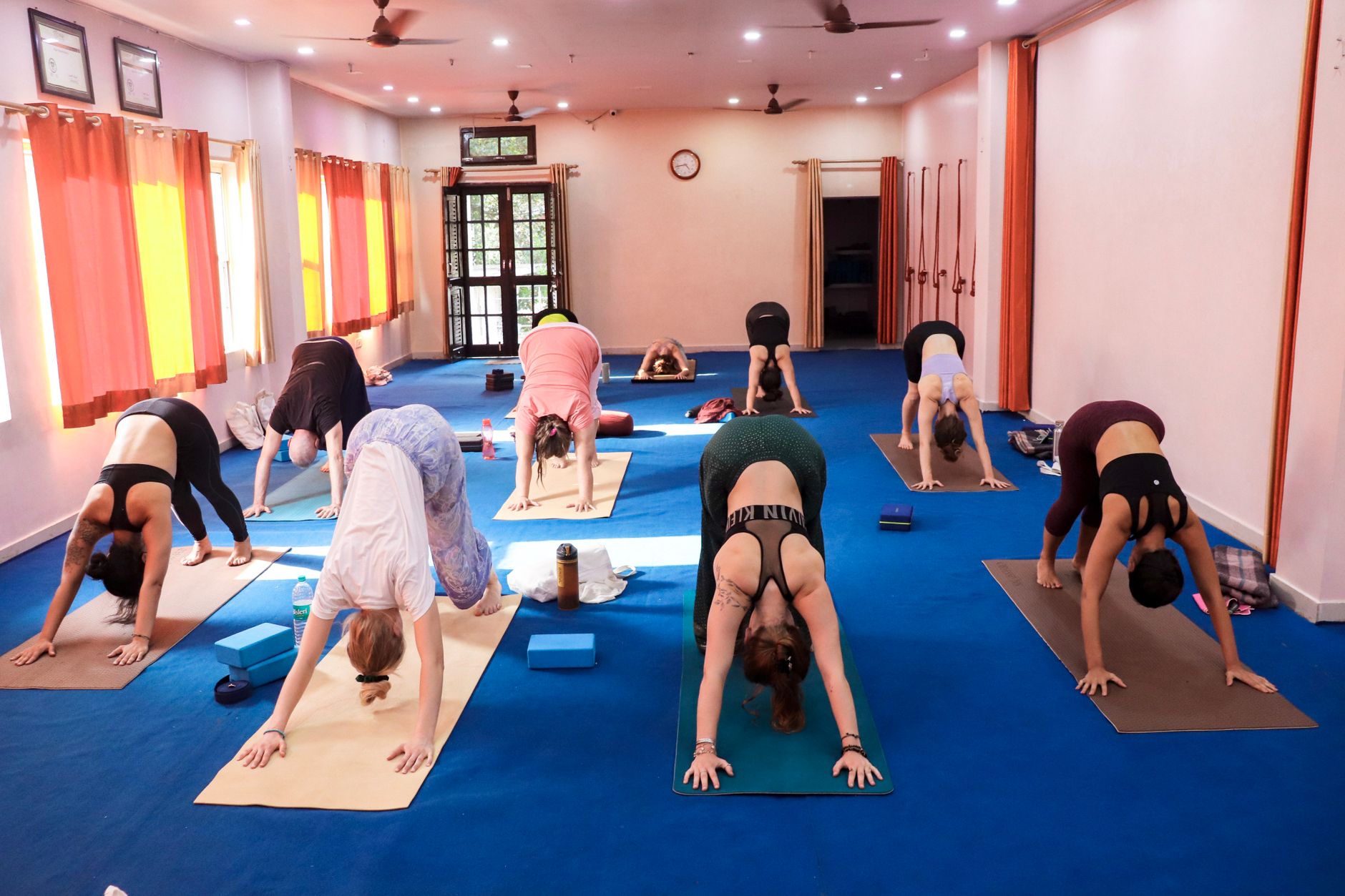
City studios (Hanoi Old Quarter, Saigon District 1, Hoi An) usually teach mixed-level vinyasa or hatha in 60-minute slots, with props, mirrors, and adjustments by the instructor. Classes are scheduled 6–8 times weekly. Countryside and beachside offerings—often at resorts or small wellness centers—tend toward slower styles (yin, restorative, pranayama-focused), 75–90 minutes, with fewer students and emphasis on breath work. Urban classes cost our current quote–our current quote per drop-in; countryside sessions our current quote–our current quote (often bundled with accommodation). If you're in a city for 1–2 weeks, drop-in rates are efficient; for a longer retreat, countryside immersions justify package pricing. The real difference: urban studios prioritize consistency and scheduling; retreat environments prioritize depth and silence.
| Setting | Class size | Duration | Booking | Best for |
|---|---|---|---|---|
| Urban neighborhood | 8–15 | 60 min | WhatsApp/walk-in | Flexibility, quick visits |
| Fitness gym | 20–40 | 50–60 min | App or phone | Routine, multiple styles |
| Beachside resort | 5–8 | 75–90 min | Email/in-person | Retreat weeks, quiet |
| Farm/rural center | 6–12 | 90 min | Email/WhatsApp | Immersion, group bonding |
How do we adapt yoga sessions for different fitness levels?
Beginners worry they'll hold back the class. Most studios run "all levels" sessions and tell beginners to arrive 10 minutes early for a quick chat with the instructor about concerns: knee issues, lower-back tightness, or fear of inversions. Instructors then offer modifications during class (blocks under hands, wall support for headstands, gentler vinyasas). Intermediate and advanced students are given deeper variations and longer holds. A well-run studio never makes beginners feel rushed. If a studio doesn't offer modifications or seems annoyed by questions, move on. Ask before booking: "Do your instructors have a beginner option in all-levels classes?" If the answer is vague, request a beginner-specific session or a private intro.
What happens in your first session—step-by-step?
Arrive 10–15 minutes early. You'll remove your shoes, collect a mat and props (blocks, straps, blankets) from a shelf, and place them on the floor—usually in rows facing a mirror or the teacher's mat. The instructor greets you by name, asks your name, and checks for injuries: "Any lower-back pain? Neck issues? Let me know." Class starts with seated breathing or centering (3–5 minutes), moves into sun salutations or warm-up stretches (15 minutes), builds to standing poses or arm balances (30–40 minutes), then cools down with seated or reclined stretches and longer holds (15 minutes), and ends with savasana—lying still on your back, sometimes with a blanket—for 5–10 minutes. You'll be guided through each pose with both verbal cues ("press your feet firmly down") and hands-on adjustments, unless you signal "no touch" at the start. Class ends with a bow and "namaste." Afterward, students often linger to chat or sign up for next week. The whole experience is 60–90 minutes.
Can you mix yoga with other wellness or cultural activities?
Yes. We offer wellness and slow experiences that pair morning yoga with Vietnamese coffee workshops, flower arranging, or farm countryside days. A typical combo: 6–7 a.m. yoga in a quiet space (often on a rooftop or in a garden), followed by breakfast and a Vietnamese coffee workshop where you learn water-drip brewing and taste single-origin beans from highlands regions. Alternatively, combine yoga with a tea experience that teaches about oolong and lotus-seed teas, or a flower arranging workshop that uses seasonal blooms. These 3–4 hour sessions cost more than solo yoga but integrate your wellness with local culture, reducing the feeling of checking off a tourist box. Several wellness retreats in Da Lat and around Hoi An combine daily yoga with farm experiences where you harvest vegetables and cook lunch. Ask us for dates and a quote on WhatsApp.

What should you bring, and how do you handle rain or heat?
Bring a small towel, a water bottle, and a light layer (studios are AC-cold). Wear loose pants or yoga shorts and a breathable top—nothing restrictive around the ribs. Most studios provide mats and props; you don't need to buy your own unless you plan to practice 5+ times weekly. Studios in tropical climates run classes early (5–6:30 a.m.) or evening (5–7 p.m.) to avoid peak heat. During monsoon season (May–September in the north, April–October in the south), outdoor or rooftop classes may shift indoors; studios with backup indoor space offer continuity, so ask about this when booking. Rain rarely cancels a class—it just moves to a covered hall or an interior room. If you're visiting Hanoi, Ho Chi Minh City, or Da Nang, pack light layers and arrive hydrated.
How do you choose between a drop-in class, a package, and a membership?
Drop-in (single class): Pay our current quote–our current quote per session, no commitment. Ideal if you're traveling and unsure of your schedule. Most studios require WhatsApp reservation to confirm space.
Package (5–10 classes): Usually our current quote–our current quote (roughly our current quote–our current quote per class), valid for 1–3 months. Best if you're staying 2–4 weeks and want to establish a routine.
Monthly membership: Typically our current quote–our current quote unlimited classes at one studio. Only worth it if you'll attend 4+ times weekly or plan to stay 4+ months. Some gyms require annual contracts—avoid these unless you're relocating.
Trial or intro offer: Many studios offer a free first class or a heavily discounted intro week (our current quote–our current quote for 3 classes). Always take this before committing.
Hybrid option: Some studios let you mix drop-in and package rates—pay full price for classes you miss, discounted rate for those you attend—ideal for unpredictable travel schedules.
How do prices and quality connect in Vietnam's yoga market?
A common misconception: higher price = better instruction. In Vietnam, price depends on location, class size, and studio brand, not always teaching quality. A our current quote neighborhood studio run by a single teacher with 10 students can deliver more personalized cues than a our current quote gym class with 40 people and an instructor juggling mics and mirrors. What you're paying for: studio overhead (rent, AC, music system), teacher salary, and brand reputation. Tourist-heavy areas (Hoi An, central Saigon) charge 30–50% more than residential neighborhoods. Rural or beachside retreat centers charge higher per-session rates (our current quote–our current quote) but bundle meals, accommodation, and philosophy talks. Before booking, ask three questions: "How many students in a typical class?" "Does the instructor offer hands-on adjustments?" and "What's included in the price—mat, props, water?" If any studio dismisses these questions, it doesn't respect your investment.
What to check before you buy
- Trial period: Does the studio offer a free first class or low-cost trial (under our current quote)?
- Class size: Ask typical attendance. If the answer is "20–50," you'll get fewer personal adjustments.
- Instructor credentials: Ask if teachers have YTT (Yoga Teacher Training) certification or equivalent. Most studios are happy to share this.
- Booking flexibility: Can you cancel via WhatsApp up to 12 hours before? Do they offer pause/freeze options during travel?
- Props and mats: Included in the price, or do you rent/buy them separately?
- Schedule alignment: Does class timing match your routine (early morning, lunch, evening)?
- No long-term lock-in: Avoid annual-only contracts unless relocating permanently.
See how a session runs

FAQ
Is it safe for beginners to join all-levels yoga classes in Vietnam?
Yes, if the studio offers modifications. Arrive early, tell the instructor you're new, and ask for beginner options. A good teacher will show you how to adapt each pose using blocks or walls. If the instructor seems rushed or dismissive, find another studio.
Can I drop in to a yoga class without booking in advance?
It depends on the studio. Tourist-area studios often allow walk-ins; neighborhood studios require WhatsApp reservation 12–24 hours ahead to confirm space and mat availability. Always check the studio's booking policy on their page or call ahead.
How do I find a yoga class that teaches mindfulness or meditation, not just poses?
Ask studios directly: "Do your classes include breath work (pranayama) and meditation?" Yin, restorative, and slower hatha styles emphasize this more than vigorous vinyasa. Countryside retreat centers and temple-based classes typically integrate philosophy. Our wellness and slow experiences combine yoga with tea ceremonies and farming—built-in mindfulness and cultural immersion.
Is there a best time of year to do yoga in Vietnam to avoid extreme heat or monsoons?
November–March (cool, dry) is easiest for practice outdoors. April–October is hot and rainy; studios shift to early morning (5–7 a.m.) or evening (6–8 p.m.) slots. Monsoons rarely cancel indoor classes. If traveling during monsoon, confirm the studio has an indoor backup space. --- Ask about dates on WhatsApp
Ask about dates
Tell us the city, your dates and what you would like to try. We reply on WhatsApp in English with options and availability.
FAQ
Is it safe for beginners to join all-levels yoga classes in Vietnam?
Yes, if the studio offers modifications. Arrive early, tell the instructor you're new, and ask for beginner options. A good teacher will show you how to adapt each pose using blocks or walls. If the instructor seems rushed or dismissive, find another studio.
Can I drop in to a yoga class without booking in advance?
It depends on the studio. Tourist-area studios often allow walk-ins; neighborhood studios require WhatsApp reservation 12–24 hours ahead to confirm space and mat availability. Always check the studio's booking policy on their page or call ahead.
How do I find a yoga class that teaches mindfulness or meditation, not just poses?
Ask studios directly: "Do your classes include breath work (pranayama) and meditation?" Yin, restorative, and slower hatha styles emphasize this more than vigorous vinyasa. Countryside retreat centers and temple-based classes typically integrate philosophy. [Our wellness and slow experiences](/wellness) combine yoga with tea ceremonies and farming—built-in mindfulness and cultural immersion.
Is there a best time of year to do yoga in Vietnam to avoid extreme heat or monsoons?
November–March (cool, dry) is easiest for practice outdoors. April–October is hot and rainy; studios shift to early morning (5–7 a.m.) or evening (6–8 p.m.) slots. Monsoons rarely cancel indoor classes. If traveling during monsoon, confirm the studio has an indoor backup space. --- [💬 Ask about dates on WhatsApp](https://wa.me/84338762340)
More like this
Wellness and slow experiences
Yoga Classes in Phu Quoc: Where to Practice & What to Expect
Phu Quoc's yoga scene ranges from boutique beachfront studios to wellness retreats and home-based classes. We'll help you find the right fit for your practice level and schedule.
Wellness and slow experiences
Yoga Class in Saigon: Finding Your Right Fit
Saigon has grown a sprawling yoga scene—from high-paced vinyasa studios to slow restorative spaces. We break down what each setup offers, who it suits, and what to check before your first class.
Wellness and slow experiences
Yoga class in Ninh Binh: options, what to expect, how to choose
Ninh Binh offers yoga in calm countryside settings, from daily drop-in classes to immersive wellness retreats. We guide you through what's available, what each suits, and how to pick the right one for your level and time.