
Home › Blog › Experiences for families and kids
Activities for Toddlers in Vietnam: Hands-On Classes & Outdoor Days
By the Cáo Experiences team · 2026-11-06
Toddlers (ages 2–5) thrive on sensory, short-duration activities in Vietnam. Family-friendly experiences with Cáo Experiences include Vietnamese cooking classes (1–2 hours, parents cook alongside toddlers in a home kitchen), flower arranging (45 minutes, simple stems, no stress), farm days (2–3 hours, animals, mud, picking vegetables), gentle horse riding for ages 3+, and craft workshops using local materials. We keep groups small (4–8 people), adapt timing for nap schedules, offer rain alternatives, and manage food allergies. Sessions happen in Hanoi, Hoi An, Da Nang, and Da Lat. Ask us for dates and a quote on WhatsApp—no two families' needs are alike. Ask about dates on WhatsApp
What do toddlers actually focus on in cooking classes?
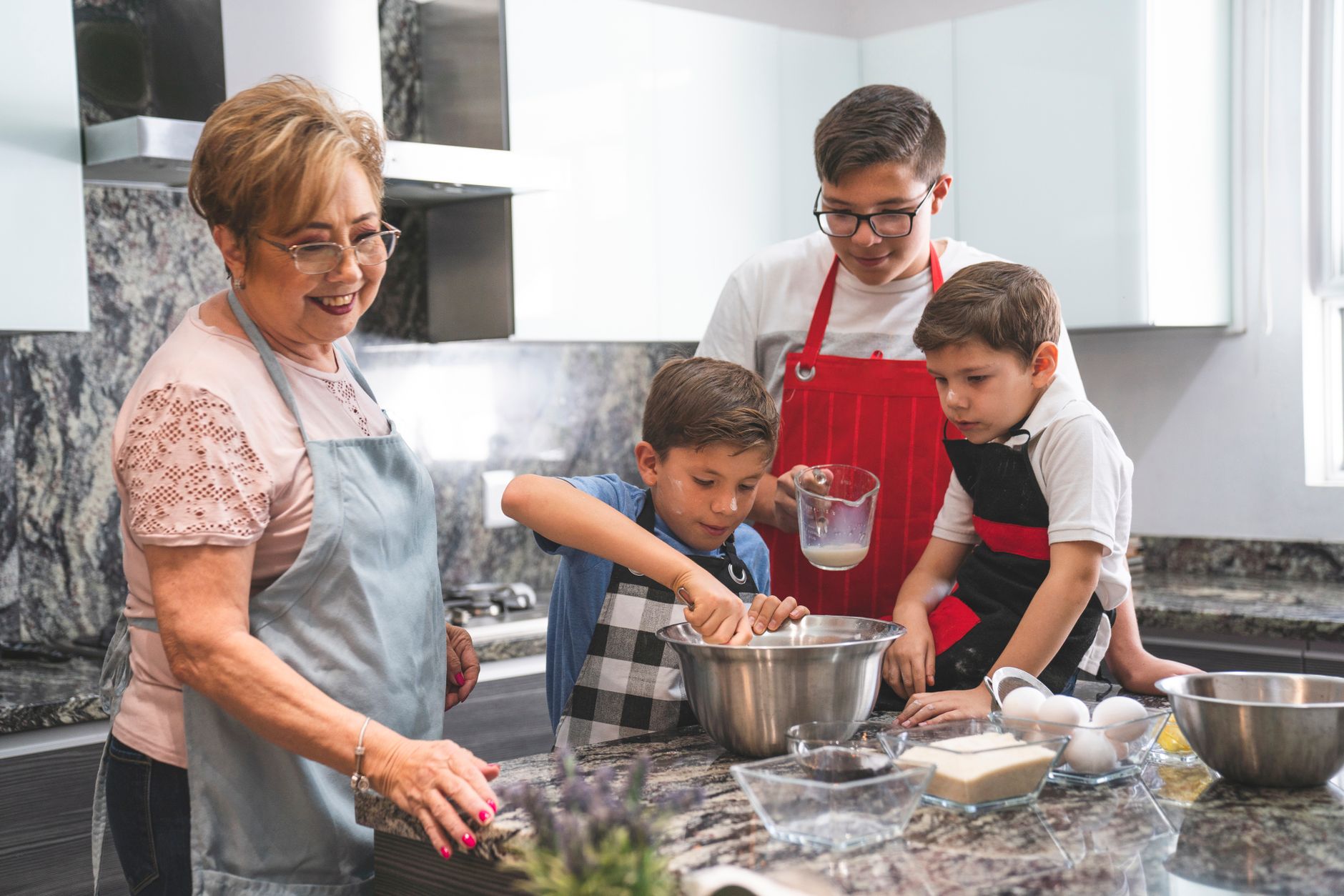
Toddlers aged 2–4 rarely cook whole dishes—instead, they mix, taste, stir, and help parents prepare ingredients. In a family kitchen in a residential lane, we set up a low table with bowls of pre-cut vegetables, herbs, and sauces. A toddler might help pound garlic with a soft pestle, tear lettuce, sprinkle sesame seeds, or watch their parent roll fresh spring rolls while they roll play-dough versions beside them. We keep knives and heat away from small hands; the real lesson is watching and tasting Vietnamese food come alive. Parents typically do the cooking; toddlers do the sensory exploration. Sessions run 60–90 minutes because that's the window before restlessness sets in. We pause for snacks and water without fuss.
What to check: Ask if the kitchen has a step-stool so toddlers can see the counter, and whether we can accommodate a dairy-free or nut-free diet for your child.

Why do toddlers love farm and countryside days more than city tours?
Toddlers have no interest in historical facts or shop-lined streets—they respond to animals, dirt, water, and movement. On a farm experience outside a city, a 2–5-year-old can feed chickens, help dig for sweet potato, splash in a shallow pond, or ride on a family's shoulders through vegetable rows. The farm staff (usually a multigenerational household) speak Vietnamese; we translate and help toddlers stay safe around tools and larger animals. A typical morning runs 2.5–3 hours: arrival and animal introduction (30 min), hands-on farm work or play (90 min), rest and snack in the shade (30 min). Toddlers tire easily in heat, so we schedule early morning or late afternoon sessions. Rain doesn't cancel—mud is part of the appeal—but we bring extra clothes and towels.
Real detail: One parent recently brought their 3-year-old to pick tomatoes; the child spent 40 minutes placing tomatoes in a basket, not eating them or rushing. The slowness is the point.
Is horse riding safe and realistic for toddlers aged 3–4?
Yes, but only on gentle, small horses and only with a guide leading the animal. Horse riding for toddlers is not independent riding—it's a lead-rope experience where a child sits on the saddle (with a helmet, always) while a guide holds the rope and walks the horse at a slow pace. A 3–4-year-old typically rides for 20–30 minutes before losing interest or getting tired. We partner with a family-run stable outside town where staff know which horses suit small riders and have worked with toddlers before. Sessions start with 10 minutes of safety talk and helmet-fitting, then a short ride on flat ground, then optional ground time with the horses to brush them or feed them carrots. Total time: 60–75 minutes. For children under 3, we sometimes offer a parent-and-child setup where the adult rides and the toddler sits in front, held securely.
What to check: Confirm the stable's experience with toddlers, ask about helmet sizes for small heads, and wear long pants and closed shoes (standard riding safety).
How do flower-arranging and craft sessions work with toddlers who have a 5-minute attention span?
We don't expect a toddler to create a vase arrangement. Instead, we set up a low table with pre-cut stems, leaves, and small vases or jars, and let toddlers play florally: poking flowers into foam, arranging stems by color, sniffing blooms, and handling greenery. A 2–3-year-old may drop stems or pull petals; that's expected and not a failure. Parents often make a proper arrangement while the toddler works next to them, learning by osmosis. Flower arranging sessions with toddlers run 45–60 minutes in a open-air studio or a home with a large table. We source stems from a local wholesale grower, not expensive florist stock, so nothing is "ruined" if a child breaks a stem. For older toddlers (4–5), we introduce simple concepts: tall flowers in the back, short in front, mixing textures. Siblings can work at different levels at the same table.
Real experience: A 4-year-old girl who couldn't sit still for 30 seconds at home spent 50 minutes arranging flowers, refilling her water jar herself, and asking to take her creation home. The tactile, sensory, non-judged nature suits toddler brains.
What happens on a rainy day, and how do we handle food allergies or feeding schedules?
Rain never cancels a family experience unless it's a safety risk (e.g., lightning near horse-riding areas). For cooking classes, rain is irrelevant—we're indoors in a kitchen. For farm days, rain makes it muddier and more exciting; we bring extra towels and plastic bags for wet clothes, and retreat to a covered area if the downpour is heavy. For flower-arranging, we move to an indoor space if needed.
Allergies: Tell us in your first WhatsApp message. We source ingredients (for cooking) or check beforehand if a toddler is allergic to certain plants or latex. We don't serve peanuts or tree nuts in shared spaces unless specifically requested. For dairy-free, gluten-free, or vegan toddlers, we adapt the menu without fuss.
Feeding schedules: If your toddler needs to eat at 12 p.m. sharp, start the session at 10 a.m. or 2 p.m. We provide water, fresh fruit, and simple snacks (rice crackers, boiled eggs) without being asked. Nap-sensitive families should book shorter sessions (45–90 min) rather than full-day experiences.
Comparison: Which activity suits which age and family type?
| Activity | Ages | Duration | Best for | Mood |
|---|---|---|---|---|
| Cooking class | 2–5 | 60–90 min | Families who eat together at home; messy is fine | Calm, indoors, tasty |
| Farm experience | 2–5 | 2.5–3 hrs | Curious toddlers; outdoor-comfortable families | Active, muddy, energetic |
| Horse riding | 3–5 | 60–75 min | Brave or horse-curious toddlers; patient parents | Gentle, special, slower |
| Flower arranging | 2–5 | 45–60 min | Creative kids; those who sit for short bursts | Artistic, quiet, colorful |
| Craft workshops | 3–5 | 60–90 min | Hands-on makers; toddlers who like building/sculpting | Playful, no mistakes |
Where are these activities available, and can we combine multiple experiences?
We host family experiences in Hanoi, Hoi An, Da Nang, and Da Lat. Each location has different partner kitchens, farms, and stables, so the specific farm or stable changes by city—we'll describe the exact place and directions once you book.
Combining experiences: Yes. A family might do a cooking class in the morning (home kitchen, 90 min) and a flower-arranging session in the afternoon (2 hours later, to avoid toddler meltdown). A weekend could mix a farm day (morning, 2.5 hrs) and a gentle horse-riding intro (next day, 75 min). We coordinate timing and location via WhatsApp to minimize travel and respect nap schedules.
What to check before booking: Confirm your toddler's age, any dietary restrictions or allergies, whether they've ever ridden a horse or cooked before (we adapt for zero experience), which city you're in, and your preferred time of day (morning or afternoon, before or after naps).
Real barriers and how we solve them
"My toddler won't sit still." Shorter sessions (45–60 min) and standing-up activities (flower-arranging at a high table, farm work) work better than seated classes. We don't force focus.
"We're visiting for only 3 days." We offer drop-in or same-day booking for cooking classes and flower-arranging; farm and horse-riding need 2–3 days' notice to confirm availability and animal readiness.
"Our toddler is food-sensitive and won't try new things." We don't push tasting. Toddlers often watch a parent cook, eat what they brought, and slowly warm to new smells and tastes over repeat sessions. One child watched their parent make a Vietnamese sauce four times before tasting it; normalcy builds comfort.
"What if our toddler gets scared of the horse?" We stop immediately. The horse doesn't move, we return to the stable, and no charge is issued. We've never had this, but it's the rule. Safety and happiness come first.
What to check before you book
- Age range: Confirm your toddler(s) are within the activity's age band (most suit 2–5, some start at 3).
- Allergies or dietary needs: List every restriction—dairy, nuts, sesame, soy, gluten, or plant/latex sensitivities.
- Mobility or behavioral needs: Tell us if your toddler uses a wheelchair, has autism, is non-verbal, or needs sensory breaks. We adapt.
- City and dates: Say where you're staying and your preferred days. We check availability and suggest times.
- Rainy-day comfort: Ask which activities move indoors and which are "rain or shine."
- What to wear: Closed-toe shoes for farm and horse-riding; clothes you don't mind getting stained for cooking; no heavy jewelry near flower stems.

FAQ
What age can toddlers start cooking classes?
Age 2 (with a parent helping hands-on). Toddlers that young focus on sensory play—mixing, tasting, smelling—rather than technique. From age 3, they follow simple instructions like stirring or sprinkling. No minimum danger; we adapt the activity to the child's readiness.
Do we need prior horse-riding experience for toddlers?
No. Toddler riding is lead-rope and walk-only; no experience needed. The guide leads the horse while your child sits safely in the saddle, wearing a helmet. We assess the child's comfort on arrival and adjust the pace or duration accordingly.
Can we do a cooking class if our toddler has a severe nut allergy?
Yes. Tell us in your first message. We work in a family kitchen and source ingredients fresh; we avoid nuts entirely and use separate utensils and surfaces. We've hosted many nut-free families without incident.
How do we get to the farm or stable?
We send a Google Maps pin and detailed directions via WhatsApp once you book. Most are a 20–40 minute drive from the city center. If you need transport, ask—we can sometimes arrange a driver or suggest a local taxi app.
Can we book the same afternoon if we're traveling through?
Cooking and flower-arranging often have same-day or next-day slots. Farm days and horse-riding need 2–3 days' notice to confirm staff, animals, and conditions. Message us your dates and preferred activity, and we'll tell you what's possible.
Do you provide lunch or snacks during sessions?
We provide water and simple snacks (fruit, rice crackers, boiled eggs) on all activities. For cooking classes, you eat what you make. We don't provide full lunch; bring a packed lunch for half-day or longer farm experiences if you prefer.
Ask about dates
Tell us the city, your dates and what you would like to try. We reply on WhatsApp in English with options and availability.
FAQ
What age can toddlers start cooking classes?
Age 2 (with a parent helping hands-on). Toddlers that young focus on sensory play—mixing, tasting, smelling—rather than technique. From age 3, they follow simple instructions like stirring or sprinkling. No minimum danger; we adapt the activity to the child's readiness.
Do we need prior horse-riding experience for toddlers?
No. Toddler riding is lead-rope and walk-only; no experience needed. The guide leads the horse while your child sits safely in the saddle, wearing a helmet. We assess the child's comfort on arrival and adjust the pace or duration accordingly.
Can we do a cooking class if our toddler has a severe nut allergy?
Yes. Tell us in your first message. We work in a family kitchen and source ingredients fresh; we avoid nuts entirely and use separate utensils and surfaces. We've hosted many nut-free families without incident.
How do we get to the farm or stable?
We send a Google Maps pin and detailed directions via WhatsApp once you book. Most are a 20–40 minute drive from the city center. If you need transport, ask—we can sometimes arrange a driver or suggest a local taxi app.
Can we book the same afternoon if we're traveling through?
Cooking and flower-arranging often have same-day or next-day slots. Farm days and horse-riding need 2–3 days' notice to confirm staff, animals, and conditions. Message us your dates and preferred activity, and we'll tell you what's possible.
Do you provide lunch or snacks during sessions?
We provide water and simple snacks (fruit, rice crackers, boiled eggs) on all activities. For cooking classes, you eat what you make. We don't provide full lunch; bring a packed lunch for half-day or longer farm experiences if you prefer.
More like this
Experiences for families and kids
Family workshop Vietnam vs Thailand: where to take kids in 2026
Vietnam and Thailand both offer immersive family workshops, but the pace, cost structure, and focus differ significantly. We run both types of sessions at Cáo Experiences and can help you choose.
Experiences for families and kids
Family Workshop Vietnam Gift Voucher: What Works Best
A family workshop gift voucher in Vietnam lets relatives experience cooking, craft, horse riding or tea together—no tickets, no queues, real hands-on time. We help you pick the right session type and duration for the ages and interests in your group.
Experiences for families and kids
Family workshops in Vietnam for Indian travelers: what to expect
Indian families visiting Vietnam often wonder how to keep children engaged and learn something authentic together. Cáo Experiences runs small-group and private workshops—cooking, coffee, flower arranging, craft, and farm days—designed for kids, parents, and grandparents, hosted in English with real