
Home › Blog › Experiences for families and kids
Activities for Toddlers in Vietnam's Rainy Season
By the Cáo Experiences team · 2026-11-06
Rainy season in Vietnam doesn't stop toddler activities; it changes them. In Hanoi and northern regions (May–September), we run family-friendly experiences indoors and outdoors: hands-on cooking classes where little ones paste spring-roll wrappers, flower-arranging workshops with safe, oversized blooms, and craft sessions using natural materials. In Ho Chi Minh City and the Mekong (September–November), farm visits shift to covered structures and morning slots before heavy downpours. Toddlers aged 2–5 thrive in short, sensory-focused sessions (60–90 minutes); we adapt for short attention spans, messy play, and rain gear. Cost varies by activity and group size; ask us for dates and a quote on WhatsApp. Key: book morning slots, choose covered venues during peak rain, and pack extra clothes—water play is built in. Ask about dates on WhatsApp
What counts as "rainy season" for planning toddler activities?
Vietnam's monsoon runs May–September in Hanoi and the Red River Delta; September–November in Ho Chi Minh City and the Mekong Delta. Hanoi rains are afternoon downpours (10am–2pm often clear); southern rains are all-day drizzle or short, intense storms. When planning with us, give us your region and dates—we tailor timing to rainfall patterns and choose venues with covered outdoor space or full indoor backup. Rain is predictable enough to avoid; surprise downpours rarely cancel a session once we've chosen the right slot and shelter.

Which hands-on classes work best for toddlers in wet weather?
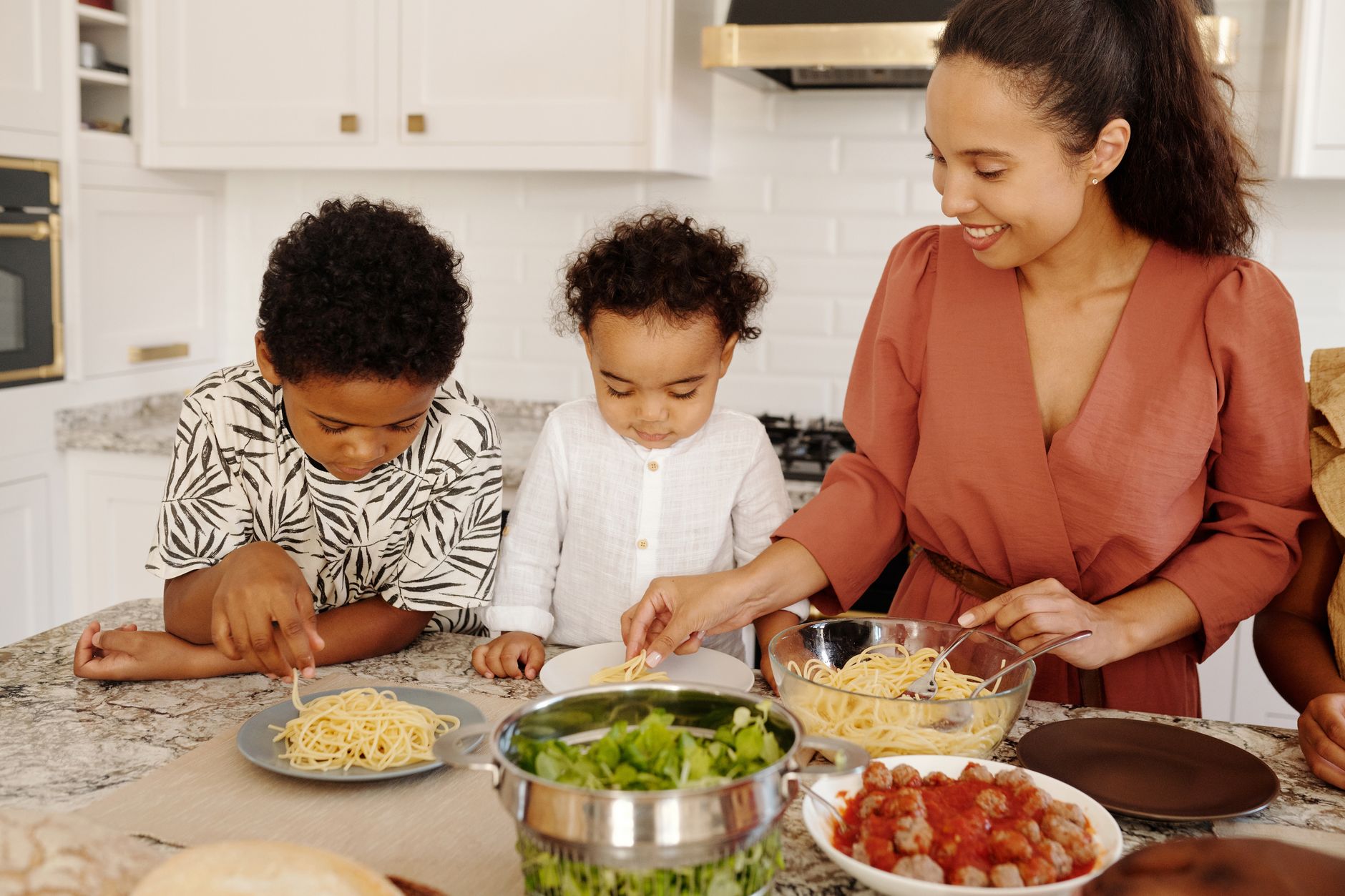
Cooking classes are our rainy-season anchor for toddlers. We run sessions in a family kitchen in a quiet lane where little ones roll rice paper, place herbs on a plate, or tear lettuce—no heat exposure, no sharp tools. A 60-minute slot includes setup, one simple dish (spring rolls, hand-cut noodles, or herb bundles), and a taste. Toddlers don't cook the whole meal; they do 2–3 small, sensory steps while adults handle the stove. Indoors means rain doesn't matter; long tables and water access keep mess manageable. Bring a change of clothes—turmeric stains, herb juice, and splashes are normal. No allergies? We adapt recipes on request (soy, fish sauce, peanut swaps). For 2-year-olds, keep it to 45 minutes; they lose focus by minute 50, and that's fine.
Craft workshops run year-round and love rain. Toddlers make paper boats from newspaper, weave plant stems through a cardboard loom, or press flowers between sheets. Sessions last 60–75 minutes in a covered studio space or a family home. Materials are safe, washable, and mostly biodegradable. Rainy days actually bring better light for photo moments—gray skies don't fade pastels. Older siblings (5+) can join and do more detailed work while toddlers explore color and texture.
Flower arranging seems delicate but works brilliantly for toddlers. We use oversized, sturdy blooms (sunflowers, gerberas, anthuriums)—not delicate orchids—in low, chunky vases. A toddler's job is to place stems (we pre-cut them short) while sitting at a child-height table. 60 minutes: setup, 3–4 flowers each, then everyone takes their vase home. Rainy weather doesn't affect flowers; we work indoors. This is one of the most joyful activities for 3–4-year-olds because they see an instant, beautiful result.
Can toddlers enjoy farm or countryside experiences during rain?
Yes, with the right farm and timing. We partner with family farms outside the city where rain is part of the experience. Toddlers aged 2.5+ can walk wet grass, see animals in shelter, help scatter feed (under supervision), and play in a covered shed or pavilion. Morning sessions (7–10am) usually catch clearer skies before afternoon rain hits. What actually happens: arrival, 20 minutes greeting chickens or ducks, 30 minutes playing with mud, leaves, or water channels, 20 minutes indoors with a snack and picture books. Bring rubber boots, a waterproof jacket, and a dry change of clothes in a sealed bag. Muddy kids are happy kids; we have a outdoor rinse station and towels. Farm and countryside experiences aren't cancelled by rain; they're designed around it. Older toddlers (4–5) and big siblings can help water plants or collect eggs; younger ones (2–3) mostly observe and play.
How do we keep a toddler engaged when indoor pivot happens mid-activity?
Rain sometimes shifts plans fast. If we're in a van heading to a countryside location and the downpour intensifies, we pivot within 20 minutes. Here's how: first, we have a mapped indoor backup at every destination (a covered family kitchen, a community craft studio, a market covered pavilion—we scout these ahead). Second, toddlers don't mind pivots if you frame it as part of the adventure: "Rain means we get to paint inside instead—even better!" Third, our sessions are built in 15–20 minute blocks, so a 60-minute cooking class = four separate micro-activities. If we do 2 outdoors and 2 indoors, the transition feels natural. Older toddlers (4–5) understand "the rain changed our plan"; younger ones just care if snacks appear and a caregiver stays calm. Group and corporate experiences with mixed ages adapt the same way—older kids help younger ones cope. Pack a waterproof bag for phones and documents; expect wet floors; bring hand wipes.

What should families avoid or prepare for?
| What | Why it matters | What to do |
|---|---|---|
| Afternoon sessions (2–5pm) in northern rainy season | Peak downpour times; muddy access roads | Book 7–10am slots; we confirm weather 24 hours before |
| Heavy rain without covered backup plan | Toddler gets soaked, cold, unhappy | Ask us if the venue has shelter; if unsure, reschedule |
| Wearing shoes toddlers can't remove fast | Mud, water, splashes; kids freeze up | Pack sandals or slip-ons; bring socks |
| No change of clothes or wet bag | Damp toddler on the ride home; risk of chill | Pack 2 complete outfits in a zip bag; include underwear |
| Crowded public markets during rain | Slippery floors, pushing crowds, lost supervision | Skip markets in rain; do cooking or crafts instead |
| Glass vases or tiny flowers for toddler arranging | Risk of breakage, injury, frustration | We use unbreakable vases and large, forgiving blooms |
| Skipping breakfast before a morning session | Hangry toddler by minute 40 | Eat a light, warm meal first; we provide water and snacks |
What's the honest reality of toddler activities in the wet season?
Rainy season is not worse for toddlers—it's different. Mornings are clearer; afternoons are wetter. Indoor activities (cooking, crafts, flower arranging) are honestly better in rain because the lighting is soft and the pace is gentler. Outdoor farm visits and countryside walks work if you go early and expect mud—toddlers love mud more than adults do. What's hard: staying home all day waiting for sun that doesn't come. What works: booking a 60–90 minute session, keeping expectations low (we're not aiming for Instagram photos), and letting rain be normal. We've run cooking classes with thunder outside and toddlers happily pasting spring rolls. We've done farm visits where everyone ended up soaked and laughing. The toddlers rarely complain; the parents do, so we front-load honesty and a clear backup plan.
Book well ahead during peak rain months (July–August in the north, October in the south). We coordinate by WhatsApp and confirm the 24-hour forecast together.
What to check before you book
- Region: Hanoi rains May–September; Ho Chi Minh rains September–November. Tell us your dates.
- Toddler age and temperament: Does your child love sensory play or prefer calm observation? We'll match them to a session type.
- Siblings: Will older kids join? We adapt activities for mixed ages.
- Allergies and diets: We work with dairy-free, nut-free, vegetarian. Tell us upfront.
- Mobility: Can your child walk 20 minutes on wet ground? Does a caregiver carry them if needed? We adjust pace and distance.
- Backup date: Have a flexible second date in mind; we'll propose one if weather goes sideways.
See how a session runs
FAQ
Is it safe for a 2-year-old to cook during rainy season?
Yes, if the kitchen is indoor and the toddler does no heat-related tasks. We keep them at a table, away from stove and hot water. Cooking is sensory play, not actual meal prep. Rainy-season cooking classes happen indoors, so weather doesn't affect safety.
What if my toddler hates getting wet or muddy?
Tell us beforehand. We'll skip farm visits and choose indoor crafts or cooking instead. Rainy season means more indoor options are available—that's actually ideal for sensory-averse kids.
Can we do a private session instead of a small group during rain?
Yes. Private sessions let us tailor timing, pace, and rain contingency fully to your family. Ask us for dates and a quote on WhatsApp—private and group rates differ, and we'll explain both.
Do you provide rain gear (jackets, boots) for toddlers?
We have adult hand towels and can wring out wet clothes. You must bring toddler-sized rain jackets, boots, and a dry change of clothes. Gear borrowed mid-session is messy and slow; it's better if families pack ahead.
Will afternoon activities be cancelled if there's a downpour?
Not automatically. If we have a covered venue and clear backup plan, we run it. If the forecast shows all-day heavy rain, we'll suggest rescheduling 24 hours before. We don't cancel last-minute unless roads flood or warnings close venues.
How do allergies work during cooking classes in the rainy season?
No difference. Tell us all allergies when you WhatsApp. We adapt recipes—swap fish sauce, soy, peanuts, dairy. Rainy-season cooking is mostly indoors in a single kitchen, so we control ingredients tightly. Higher safety than outdoor street food.
Ask about dates
Tell us the city, your dates and what you would like to try. We reply on WhatsApp in English with options and availability.
FAQ
Is it safe for a 2-year-old to cook during rainy season?
Yes, if the kitchen is indoor and the toddler does no heat-related tasks. We keep them at a table, away from stove and hot water. Cooking is sensory play, not actual meal prep. Rainy-season cooking classes happen indoors, so weather doesn't affect safety.
What if my toddler hates getting wet or muddy?
Tell us beforehand. We'll skip farm visits and choose indoor crafts or cooking instead. Rainy season means more indoor options are available—that's actually ideal for sensory-averse kids.
Can we do a private session instead of a small group during rain?
Yes. Private sessions let us tailor timing, pace, and rain contingency fully to your family. Ask us for dates and a quote on WhatsApp—private and group rates differ, and we'll explain both.
Do you provide rain gear (jackets, boots) for toddlers?
We have adult hand towels and can wring out wet clothes. You must bring toddler-sized rain jackets, boots, and a dry change of clothes. Gear borrowed mid-session is messy and slow; it's better if families pack ahead.
Will afternoon activities be cancelled if there's a downpour?
Not automatically. If we have a covered venue and clear backup plan, we run it. If the forecast shows all-day heavy rain, we'll suggest rescheduling 24 hours before. We don't cancel last-minute unless roads flood or warnings close venues.
How do allergies work during cooking classes in the rainy season?
No difference. Tell us all allergies when you WhatsApp. We adapt recipes—swap fish sauce, soy, peanuts, dairy. Rainy-season cooking is mostly indoors in a single kitchen, so we control ingredients tightly. Higher safety than outdoor street food.
More like this
Experiences for families and kids
Family workshop Vietnam vs Thailand: where to take kids in 2026
Vietnam and Thailand both offer immersive family workshops, but the pace, cost structure, and focus differ significantly. We run both types of sessions at Cáo Experiences and can help you choose.
Experiences for families and kids
Family Workshop Vietnam Gift Voucher: What Works Best
A family workshop gift voucher in Vietnam lets relatives experience cooking, craft, horse riding or tea together—no tickets, no queues, real hands-on time. We help you pick the right session type and duration for the ages and interests in your group.
Experiences for families and kids
Family workshops in Vietnam for Indian travelers: what to expect
Indian families visiting Vietnam often wonder how to keep children engaged and learn something authentic together. Cáo Experiences runs small-group and private workshops—cooking, coffee, flower arranging, craft, and farm days—designed for kids, parents, and grandparents, hosted in English with real