
Home › Blog › Experiences for families and kids
Activities for Toddlers in Vietnam: What to Expect
By the Cáo Experiences team · 2026-11-06
Toddlers in Vietnam can join small-group hands-on experiences hosted in English by Cáo Experiences: cooking classes where they touch dough and herbs, flower arranging with oversized blooms, farm visits with animals, coffee or tea tastings (watered-down samples), craft workshops, and countryside rides. Sessions run 2–4 hours in family-friendly venues—home kitchens, studios, gardens—across Hanoi, Saigon, Hoi An, Da Nang, and Da Lat. We adapt everything for short attention spans: activities change every 15–20 minutes, snack breaks are built in, we scale tasks down, and we pause for naps or overwhelm. No formal pricing is listed; ask us on WhatsApp for dates and a quote. Avoid peak midday heat, bring water and sun hats, and expect sensory mess—that's the point.
What age group fits best in hands-on experiences?
Toddlers aged 2–5 thrive when activities are short, repetitive, and tactile. Below age 2, concentration and safety become harder; above 5, kids often want faster pacing. At Cáo Experiences, we run family experiences designed so toddlers lead the play: they stir, they arrange, they touch animals. Parents join as helpers, not observers. One-year-olds sometimes tag along if a parent stays fully engaged; six-year-olds often ask for more challenge. The sweet spot is 3–4 years old—old enough to follow one-step instructions, young enough to find magic in mud or flowers.

Which activities work best for your toddler's temperament?
Toddlers vary wildly. Shy children often warm up fastest in tiny groups (max 4 kids) with one familiar adult; we run private sessions for families wanting zero pressure. High-energy toddlers do well in movement-rich farm and countryside experiences—space to run, animals to chase, dirt to dig. Sensory-sensitive kids thrive in cooking classes where they control the mess: they knead dough, they tear basil, they taste. Quiet observers enjoy flower arranging where there's beauty without noise. Anxious toddlers sometimes cry in the first 10 minutes; we pause, we sit quietly, we restart when ready. Ask yourself: does your child prefer mess or order, movement or focus, crowds or one-on-one? Tell us, and we'll suggest the right session type.
How do heat, rain, and timing actually affect toddlers?
Vietnam's heat peaks 11 a.m.–3 p.m.; toddlers overheat fast and nap mid-afternoon. We schedule morning sessions (8–11 a.m.) so kids are alert and cooler. Venues have fans, shade, and water on tap. Rain doesn't cancel: indoor kitchens and studios stay dry; farm visits shift indoors or reschedule if paths flood. Bring a lightweight rain jacket, not an umbrella (toddlers get tangled). Timing matters most—a hungry or tired toddler won't enjoy anything. We ask when your child eats and sleeps, then build the session around that rhythm, not against it.
What should parents pack and prepare?
| Item | Why | What to avoid |
|---|---|---|
| Water bottle, filled | Dehydration is quick in heat | Sugary drinks—energy crash is brutal |
| Sun hat or cap | Toddlers can't regulate heat like adults | Long sleeves in 35°C—let skin breathe |
| Lightweight pants (not shorts) | Protects from insects, sharp grass, sun | Fancy clothes—expect dirt, paint, food stains |
| Snacks (crackers, fruit) | Blood sugar dips mid-session | Chocolate or sweets—melts, mess, hyperactivity |
| Change of clothes in a bag | Mud, water, paint, spills happen | Onesies or buttons—slow changes in a hot room |
| Wet wipes and hand sanitizer | Farms and kitchens = dirty hands everywhere | Antibacterial soap strips natural skin oil |
| Phone charged (WhatsApp) | We text updates, photos, timing changes | Taking 300 photos—you'll miss the moment |
Arrive 10 minutes early so your toddler can explore the space calmly. A rushed, stressed parent makes toddlers anxious too.
How do we handle allergies, fussiness, and overstimulation?
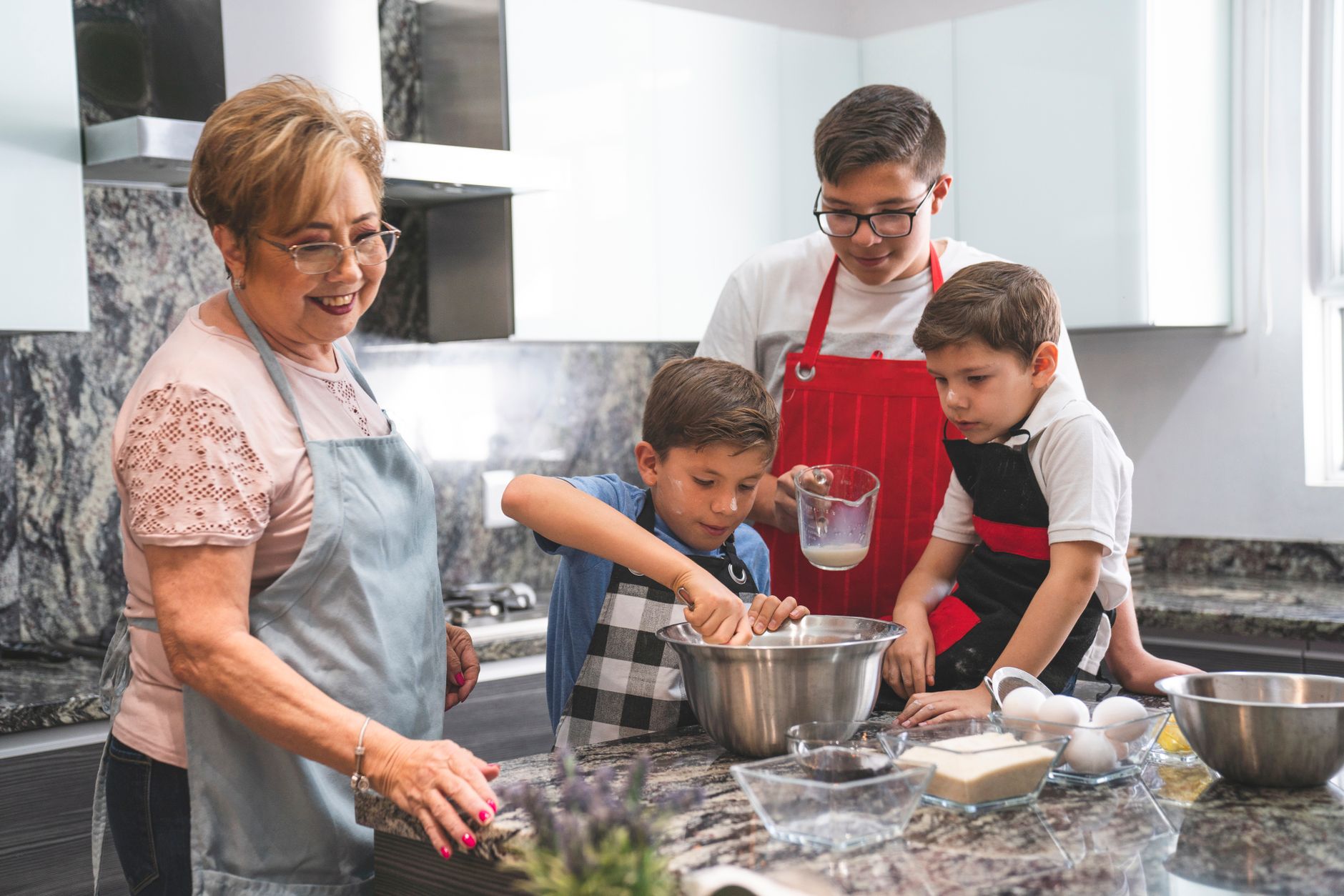
Before booking, tell us about allergies, dietary restrictions, sensory triggers, and past meltdowns. In a cooking class, if your toddler hates touch-textures, we'll hand them a spoon to stir instead of fingers in dough. If peanuts are off-limits, we never mention them and prep nut-free snacks. If your child overwhelms easily, we build in a quiet corner—a mat, a storybook, one caregiver sitting out for 10 minutes. If they refuse to taste the coffee or tea, that's fine; we don't force it. Nap time? We pause, we wait, we finish after. Bathroom accidents? Happens weekly. We have spare clothes and don't shame anyone. Craft workshops are often best for fussy eaters because there's no pressure to taste anything—just play.
See how a session runs
What to check before you book
- Age and group size: Confirm your child's age; ask if we can run a private session (fewer distractions, more control) or join a small group (toddlers learn from each other).
- Your child's nap time and meal times: Tell us when they eat breakfast, lunch, and nap; we'll schedule around those, not against them.
- Allergies and fears: List all allergies (nuts, eggs, dairy, gluten), sensory sensitivities (loud sounds, wet textures, strong smells), and past triggers (dogs, heights, strangers).
- What you hope they'll gain: Do you want photos? A new skill? Quiet time? Social practice? We adapt the vibe accordingly.
- Weather and backup plan: Ask what happens if it rains or heat spikes; rescheduling or moving indoors should be clear before you arrive.
- Transport and parking: Ask if the venue is walkable, has AC inside, and where to park if you're driving.
Why choose hands-on experiences over baby classes or theme parks?
Toddlers at theme parks sit in strollers, overwhelmed by crowds and noise. Typical baby classes are passive—singing circles, toy rotation. Family experiences through Cáo Experiences are active: your toddler touches real herbs, arranges real flowers, rides a real horse (with you), watches a real cook work. They're in tiny, calm groups—max 6 kids, often just yours. They move at their pace. They learn by doing, not watching. By the end, they've made something tangible: a pot of soup, a flower arrangement, a memory of a farm animal. Parents often tell us: "I didn't know my toddler could do that." That's the difference.

FAQ
What if my toddler has never done activities like this before—will they be scared?
Most toddlers are cautious the first 10 minutes, then excited. We introduce you to the space, the host, and one simple task first. If your child clings to you, they stay in your lap. No pressure. By mid-session, even shy kids are exploring. Avoid the first activity ever being the busiest time of day.
Can I stay the whole time, or do I have to drop them off?
You stay. Toddlers thrive when you're there. You're not an observer—you're part of the activity. You stir, you arrange, you laugh. It's a parent–toddler bonding time, not childcare. Older siblings are welcome too.
How long can toddlers actually concentrate on one activity?
Most toddlers focus well for 15–20 minutes if hands-on. We change tasks every 20 minutes—start with cooking, move to tasting, then play, then a walk outside. Jumping between activities keeps them engaged without overstimulation.
What if my toddler gets upset mid-session—can we leave and come back later?
Yes. Some toddlers have an off day (teething, didn't sleep, stress). We pause, you comfort them, and we either restart when they're calm or reschedule. No penalty. Your child's wellbeing comes first.
Do we need to book a private session or can we join a group with other families?
Both work. Private sessions let you control timing and pace fully. Small-group sessions (2–3 families) give toddlers peer interaction and are often calmer than you'd expect. Ask us which suits your child's temperament and we'll suggest the fit.
What's the actual difference between activities in Hanoi, Saigon, Hoi An, and Da Lat?
Hanoi has old-quarter kitchen studios and coffee workshops; Saigon has larger farms and indoor craft spaces; Hoi An is countryside and quieter; Da Lat has cooler weather and farm-to-table focus. Climate and venue size differ, but the principle is the same: small groups, hands-on, adapted for kids. Ask which location suits your trip.
Ask about dates
Tell us the city, your dates and what you would like to try. We reply on WhatsApp in English with options and availability.
FAQ
What if my toddler has never done activities like this before—will they be scared?
Most toddlers are cautious the first 10 minutes, then excited. We introduce you to the space, the host, and one simple task first. If your child clings to you, they stay in your lap. No pressure. By mid-session, even shy kids are exploring. Avoid the first activity ever being the busiest time of day.
Can I stay the whole time, or do I have to drop them off?
You stay. Toddlers thrive when you're there. You're not an observer—you're part of the activity. You stir, you arrange, you laugh. It's a parent–toddler bonding time, not childcare. Older siblings are welcome too.
How long can toddlers actually concentrate on one activity?
Most toddlers focus well for 15–20 minutes if hands-on. We change tasks every 20 minutes—start with cooking, move to tasting, then play, then a walk outside. Jumping between activities keeps them engaged without overstimulation.
What if my toddler gets upset mid-session—can we leave and come back later?
Yes. Some toddlers have an off day (teething, didn't sleep, stress). We pause, you comfort them, and we either restart when they're calm or reschedule. No penalty. Your child's wellbeing comes first.
Do we need to book a private session or can we join a group with other families?
Both work. Private sessions let you control timing and pace fully. Small-group sessions (2–3 families) give toddlers peer interaction and are often calmer than you'd expect. Ask us which suits your child's temperament and [we'll suggest the fit](/contact).
What's the actual difference between activities in Hanoi, Saigon, Hoi An, and Da Lat?
Hanoi has old-quarter kitchen studios and coffee workshops; Saigon has larger farms and indoor craft spaces; Hoi An is countryside and quieter; Da Lat has cooler weather and farm-to-table focus. Climate and venue size differ, but the principle is the same: small groups, hands-on, adapted for kids. Ask which location suits your trip.
More like this
Experiences for families and kids
Family workshop Vietnam vs Thailand: where to take kids in 2026
Vietnam and Thailand both offer immersive family workshops, but the pace, cost structure, and focus differ significantly. We run both types of sessions at Cáo Experiences and can help you choose.
Experiences for families and kids
Family Workshop Vietnam Gift Voucher: What Works Best
A family workshop gift voucher in Vietnam lets relatives experience cooking, craft, horse riding or tea together—no tickets, no queues, real hands-on time. We help you pick the right session type and duration for the ages and interests in your group.
Experiences for families and kids
Family workshops in Vietnam for Indian travelers: what to expect
Indian families visiting Vietnam often wonder how to keep children engaged and learn something authentic together. Cáo Experiences runs small-group and private workshops—cooking, coffee, flower arranging, craft, and farm days—designed for kids, parents, and grandparents, hosted in English with real