
Home › Blog › Experiences for families and kids
Beginner Kids Cooking Class in Da Nang: What to Expect
By the Cáo Experiences team · 2026-11-06
A beginner kids cooking class at Cáo Experiences is a hands-on 2–3 hour session where children (aged 5 and up, though 7+ is ideal) prepare 2–3 simple Vietnamese dishes in a family kitchen in a quiet lane of the city. Kids handle a knife under supervision, learn basic techniques like rolling, stirring and tasting, and eat what they cook. We adapt recipes for allergies, dietary preferences and attention spans; younger children focus on assembly and stirring, while older kids take more knife work. No prior cooking experience needed. The session runs in English with WhatsApp coordination beforehand. Ask us for dates and a quote on WhatsApp to confirm availability and group size. Ask about dates on WhatsApp
What dishes do kids actually make?
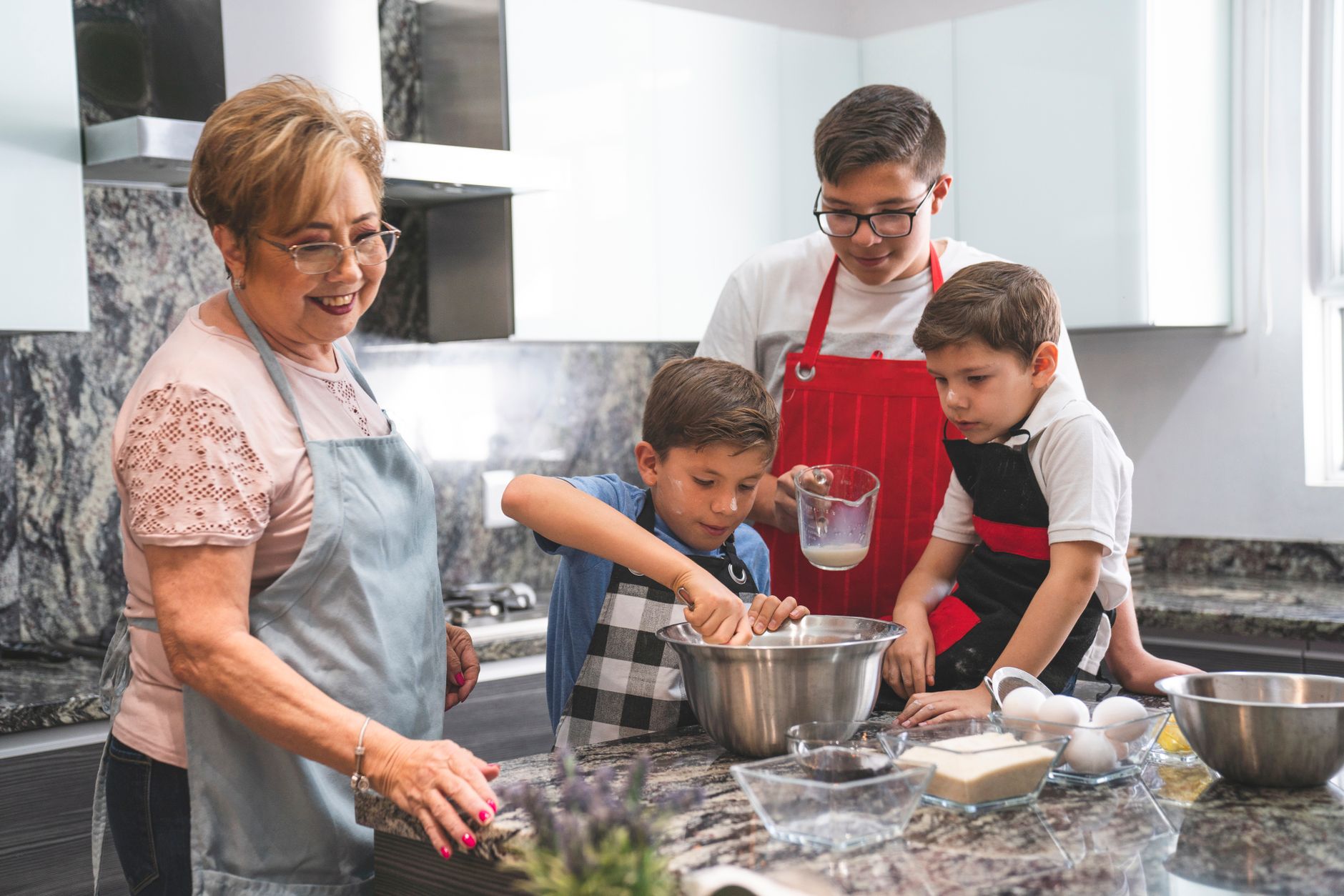
We keep recipes simple, seasonal and genuinely appetizing to children. A typical session might include fresh spring rolls (kids fill and fold, learning hand control), a fragrant dipping sauce they blend themselves, and a noodle or rice dish where they're in charge of the pan or bowl. Every child tastes as they go—we're not teaching restaurant plating, we're teaching "I made this and it's delicious." Younger kids (5–8) focus on tearing herbs, arranging fillings and stirring; older kids (9+) use small knives to slice cucumber or herbs under our eye. The kitchen is set up so every child has a station and a clear job. We've found kids are most excited when they roll their own spring rolls or crack an egg into a bowl, even if it's messy.

How do we adapt for different ages and skill levels?
A 5-year-old and a 12-year-old need completely different setups. We've learned this the hard way. With younger kids, we do more assembly (filling bowls, arranging on plates) and less hot-pan work; they stand on a stool at the counter and use child-safe knives or their hands. With older kids, we introduce proper knife grip, how to tell when oil is hot enough, and why we taste salt before adding more. We never rush. If a child is nervous about the stove, they stay with cold prep or stand back and watch closely; we don't force knife work. If a child is bored with rolling, we move them to the cooking stage faster. Our family experiences page has more detail on how we structure mixed-age groups. Rain doesn't stop us—the kitchen is indoors, and wet weather actually makes kids less distracted.
What do parents worry about, and what's the honest answer?
The biggest fears: "Will my child actually eat it?" and "What if they're picky?" Yes, most children eat what they cook—ownership changes appetite. If a child is genuinely picky, we choose milder flavors (less chili, familiar aromatics like garlic rather than unfamiliar herbs) and let them know that's the plan beforehand. "Will they get bored?" Not usually, because they're doing something every 5 minutes and they're in control. "Is it safe?" We use sharp knives (safer than dull ones) and train every child in grip and hand position. Minor cuts happen in home kitchens all the time; we've never had anything worse than a small nick in years of hosting children. We have a first-aid kit and clear water. "What if they're allergic?" Tell us before you book; we adapt every recipe. Peanut allergy? We use no peanuts. Shellfish? Easy to swap. The honest answer to all of this: we've seen shy kids, picky eaters, 5-year-olds and 14-year-olds all leave happier than they arrived. It's because they're making something real, not following instructions on a worksheet.
How does a 2-hour session actually run, hour by hour?
0:00–0:10 — Arrival, hello, washing hands, tour of the kitchen. We show the knives, the stove, the ingredients. Kids touch and smell.
0:10–0:50 — First dish prep (usually spring rolls). Each child fills and folds. We circulate, correct hand position, taste the filling together. Lots of talking about flavors.
0:50–1:30 — Hot cooking (noodle stir-fry or rice dish). Older kids stand at the stove with us right there; younger kids prep herbs at the counter and we bring their work to the pan. Everyone tastes.
1:30–2:00 — Plating, eating, cleanup, photo. Kids eat sitting down. We ask them what they'd change next time. We pack leftovers for parents if there are any.
After 2:00 — Parents pick up. Kids show off photos and leftovers. We send WhatsApp follow-up with photos and a note on how they went.
If a group is slower, we shorten the second dish or drop it. We're not racing a clock.

What's the real difference between a group class and a private session?
| Aspect | Group (4–6 kids) | Private (1–3 kids) | Who it suits |
|---|---|---|---|
| Price per child | Lower | Higher | Budget-conscious families; kids who want peers |
| Attention per child | Shared (one host per 4–6) | Dedicated (one host per group) | Only children or shy kids; mixed ages under 8 |
| Cooking rhythm | We move at median pace; some wait | Fully tailored, pause as needed | Families wanting zero pressure or specific dietary needs |
| Social element | Kids teach each other, chat | One-on-one mentoring | Siblings bonding; families wanting intimacy |
| Scheduling | Fixed dates we announce | Any date that suits you | Visitors with tight itineraries; large families |
| Ingredient waste | Shared, lower per-child cost | Possibly higher | Groups; budget-aware bookings |
Both work beautifully. Group sessions have a natural energy and kids often want to come back because they remember a friend. Private sessions let us slow down for a 6-year-old or speed up for a teenager. Ask us for dates and a quote to see what fits your group size and timeline.
Why choose a hands-on class over a cooking video or cookbook?
A child in a real kitchen, holding a real knife, smelling real herbs and tasting their own food, learns something a screen can't teach: that cooking is not magic, it's a skill they can do now. They see their hands work. They feel the heat. They taste salt before and after. They watch us adjust a recipe because a child has a peanut allergy, and they realize cooking is flexible, not a list of rules to memorize. We've watched kids who said "I don't like Vietnamese food" taste a sauce they made themselves and ask for more. That shift—ownership, curiosity, confidence—is what a class does. Our cooking-class page has more on how we teach adults; children learn the same way, just shorter sessions and more play.
What to check before you book
- Age and mood of your child. 5+ is possible; 7+ is ideal. A hungry, tired or unwell child will struggle. Come when they're rested.
- Allergies and dislikes. Tell us in WhatsApp before we confirm. We adapt recipes freely and ask no questions.
- Attention span. 2 hours is the standard. A 5-year-old might fade at 1.5 hours; ask us to shorten it.
- Language. We teach in English. Kids with no English still enjoy the sensory experience, but they might need a translator in your group.
- Number of children. Group or private? More kids = more social chaos and shared attention; fewer kids = more one-on-one help. Know what you want.
- Rainy weather. We run rain or shine. The kitchen is indoors and warm.
- What happens to leftovers. We pack extras in a container so kids take it home. Some families cook it again; some eat it cold.
Pages from our team you may need
FAQ
What age is too young for a cooking class?
We welcome children 5 and up, but 7+ works much better—they have longer focus, sharper fine motor skills and can handle a knife more safely. A 5-year-old can join if they're patient and verbal; expect more assembly, less knife work. Ask us about your specific child.
Do kids need cooking experience?
No. We assume zero experience and teach from the start. Confidence and curiosity matter more than skill. Many kids have never been in a kitchen; that's actually ideal—no bad habits to unlearn.
What if my child has a severe food allergy?
Tell us before booking. We adapt every recipe. We source ingredients fresh on the day, check labels and keep allergens separate. We've hosted kids with peanut, tree nut, shellfish and sesame allergies many times.
Can I stay in the kitchen while my child cooks?
Parents often ask this. We recommend sitting nearby but not hovering—it changes how kids behave. You're welcome to watch from a chair and take photos. We send photos too.
How many hosts per child?
In a group of 4–6 kids, one host leads and one assistant circulates. In private sessions (1–3 kids), it's one dedicated host. Ratios are safe and relaxed.
What if my child gets bored or upset mid-session?
We pause, shift tasks or let them watch instead of cook—no judgment. We've never had a child ask to leave. If they're genuinely unhappy, we stop, you pick them up, and we sort a reschedule on WhatsApp.
Do you teach knife skills properly?
Yes. We teach grip, hand position and how to hold the ingredient safely. Kids 7+ learn a proper pinch grip and how to guide the knife with their knuckles. It's serious but fun—kids feel proud.
What dishes are most popular with kids?
Spring rolls, noodle stir-fries and fried rice. Kids love the sensory feedback—rolling, stirring, tasting. We avoid overly spicy or bitter dishes and focus on fresh, recognizable flavors. ===
Ask about dates
Tell us the city, your dates and what you would like to try. We reply on WhatsApp in English with options and availability.
FAQ
What age is too young for a cooking class?
We welcome children 5 and up, but 7+ works much better—they have longer focus, sharper fine motor skills and can handle a knife more safely. A 5-year-old can join if they're patient and verbal; expect more assembly, less knife work. Ask us about your specific child.
Do kids need cooking experience?
No. We assume zero experience and teach from the start. Confidence and curiosity matter more than skill. Many kids have never been in a kitchen; that's actually ideal—no bad habits to unlearn.
What if my child has a severe food allergy?
Tell us before booking. We adapt every recipe. We source ingredients fresh on the day, check labels and keep allergens separate. We've hosted kids with peanut, tree nut, shellfish and sesame allergies many times.
Can I stay in the kitchen while my child cooks?
Parents often ask this. We recommend sitting nearby but not hovering—it changes how kids behave. You're welcome to watch from a chair and take photos. We send photos too.
How many hosts per child?
In a group of 4–6 kids, one host leads and one assistant circulates. In private sessions (1–3 kids), it's one dedicated host. Ratios are safe and relaxed.
What if my child gets bored or upset mid-session?
We pause, shift tasks or let them watch instead of cook—no judgment. We've never had a child ask to leave. If they're genuinely unhappy, we stop, you pick them up, and we sort a reschedule on WhatsApp.
Do you teach knife skills properly?
Yes. We teach grip, hand position and how to hold the ingredient safely. Kids 7+ learn a proper pinch grip and how to guide the knife with their knuckles. It's serious but fun—kids feel proud.
What dishes are most popular with kids?
Spring rolls, noodle stir-fries and fried rice. Kids love the sensory feedback—rolling, stirring, tasting. We avoid overly spicy or bitter dishes and focus on fresh, recognizable flavors. ===
More like this
Experiences for families and kids
Family workshop Vietnam vs Thailand: where to take kids in 2026
Vietnam and Thailand both offer immersive family workshops, but the pace, cost structure, and focus differ significantly. We run both types of sessions at Cáo Experiences and can help you choose.
Experiences for families and kids
Family Workshop Vietnam Gift Voucher: What Works Best
A family workshop gift voucher in Vietnam lets relatives experience cooking, craft, horse riding or tea together—no tickets, no queues, real hands-on time. We help you pick the right session type and duration for the ages and interests in your group.
Experiences for families and kids
Family workshops in Vietnam for Indian travelers: what to expect
Indian families visiting Vietnam often wonder how to keep children engaged and learn something authentic together. Cáo Experiences runs small-group and private workshops—cooking, coffee, flower arranging, craft, and farm days—designed for kids, parents, and grandparents, hosted in English with real