
Home › Blog › Experiences for families and kids
Beginner Kids Cooking Class in Hoi An: What to Expect
By the Cáo Experiences team · 2026-11-06
At Cáo Experiences, our beginner kids cooking classes in Hoi An happen in a family kitchen in a quiet lane, usually 2–3 hours long, with groups of up to 4 children plus siblings. Kids aged 5–14 learn to roll rice paper, shape meatballs, or mix a fresh herb salad—nothing that requires a sharp knife or stovetop unsupervised. We adapt every step to their speed: younger kids trace motions, older ones handle more seasoning and plating. You bring no ingredients; we source everything fresh from the local market that morning. Beginners worry they'll get bored or hungry, but we taste as we cook, and the pace feels more like play than instruction. Ask us for dates and a quote on WhatsApp—we'll match you with a session that fits your child's age and energy.
What actually happens in the three-hour session?
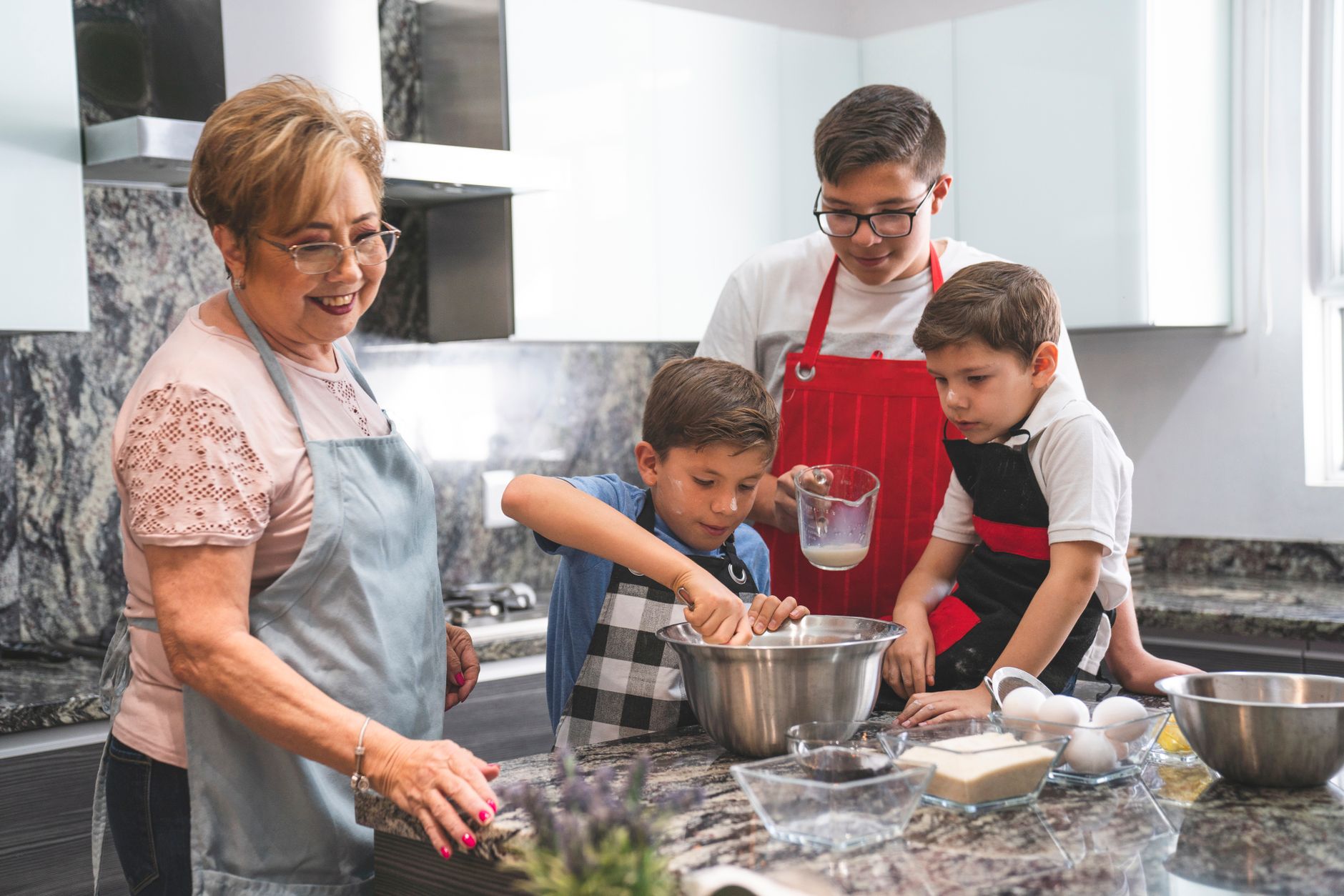
We greet your child at the kitchen door around 9 a.m., start with a ten-minute tour of the space—where the water is, which shelf holds the bowls—then wash hands together. The first task is always something tactile and low-pressure: rolling fresh herbs into rice paper, or tearing lettuce for a salad. Kids see, copy, then do it themselves while we narrate in simple English. Around the halfway point, we move to the stove or prep table for a warm dish—maybe a fragrant broth or stir-fried vegetables—where we handle heat and timing, and your child stirs, tastes, and adjusts salt or lime juice. By hour two, confidence usually rises: quieter kids start asking questions; louder ones are already joking with us. The final 30 minutes is tasting everything together, plating it nicely, and often a parent joins to eat what was made. We clean as we go, so there's no chaotic sprint at the end.
Which age group works best—and why age matters?
Children aged 5–7 thrive on sensory tasks: rolling, tearing, smelling, tasting. They learn by copying hand motions, not by following written steps. A 5-year-old can absolutely roll rice paper and will remember doing it for years. Ages 8–11 start understanding why we add salt or lime—the "why" of cooking—and can handle slightly more precision: measuring a spoon of fish sauce, waiting for water to boil, cracking an egg into a bowl. By 12–14, kids are ready for minor knife work (under guidance), plating for flavor and color, and understanding a recipe's logic. We've hosted groups mixing ages 6 and 9, and it works: the older child models confidence, the younger one watches and tries. Avoid dropping a 5-year-old into a "family cooking" class designed for adults; the pace and ingredient complexity will frustrate you both.
What's the real difference between group and private sessions?
Group sessions (typically 3–4 children) create peer energy: kids joke, compare their plates, cheer each other on. The pace is gentler because we move together, and your child isn't the sole focus—less performance pressure, more play. A private session (your child alone or with a sibling) means we adapt every single step to that child's pace, interests, and allergies. If your child is shy, nonverbal, or has sensory sensitivities, private is usually calmer. If your child thrives on peer energy and you're flexible on timing, group sessions feel more natural and cost less per person. Both run in the same family kitchen; both include the same ingredients and teaching.
What should you prepare the night before?
Tell us your child's name, age, and any food allergies or strong dislikes when you message on WhatsApp. We source around those—no peanuts, no shellfish, vegetarian, whatever fits. Dress your child in clothes they don't mind getting damp; kitchen work means splashes. Bring a small water bottle or ask for tap water; we provide it. If your child is under 7, come along; we'll give you a task too (and you'll enjoy tasting the result). If your child is 8+, they usually prefer you to wait nearby—we can show you the kitchen, then you grab a coffee in the old quarter while we work. Send us a photo of your child's hand next to a coin if we haven't met; it helps us gauge how to position the cutting board or reach. That's it—no prep recipes, no homework.

What actually goes wrong, and how do we fix it?
The most common worry is "my child will be too shy" or "will refuse to touch the food." In our experience, the kitchen feels safe because it's small, warm, and there's no audience (just you or us). We never force tasting; if a child wants to shape meatballs but not eat them, that's fine—they're still cooking. Rain doesn't stop us; we're indoors. Allergies we've handled many times: we simply use different ingredients and you eat the same meal your child does. A child who's hungry beforehand eats more; we usually taste food at the 90-minute mark, so consider a light breakfast. If a child is tired or overwhelmed mid-session, we pause, get water, switch to a simpler task, and keep going—it's not pass/fail.
| Aspect | Group Session | Private Session |
|---|---|---|
| Group size | 3–4 kids, usually strangers | Your child(ren) only |
| Pace | Gentle, we move together | Fully adapted to your child |
| Cost basis | Lower per child | Higher per session |
| Shyness factor | Peer energy helps most kids | Better for sensitive kids |
| Timing | Fixed dates we set | Flexible, by arrangement |
| Parent role | Optional; you can wait nearby | You may come along or go out |
| Best for | Confident kids, social learners | Quiet kids, specific allergies |
Should you book a cooking class or a market-plus-cooking combo?
If your child is under 8 or has a short attention span, stick to the kitchen class. It's focused, hands-on, and you get a full three-hour arc. Our street food and market tour is wonderful but involves walking, heat, and crowds—great for kids 10+, or 8 if they're keen on exploring. Some families do a half-day market tour followed by cooking the next day, which gives your child a richer sense of where Vietnamese food comes from. We can coordinate both; ask us. If it's your first visit and you want a single memorable afternoon with your child, the cooking class alone delivers.
How does this fit into a bigger Hoi An family trip?
A cooking class pairs well with a flower arranging workshop (kids 8+, makes a beautiful table decoration) or a farm and countryside experience if you want to spend time outside town. Many families do cooking one morning, a countryside bike ride the next day, and a quiet tea experience on the last afternoon. We can help you mix and match. See our full family experiences list for ideas.
What to check before you book
- Your child's age: Our sweet spot is 5–14. Younger is okay if you're present and relaxed. Teens 14+ may feel it's for "little kids" unless they're genuinely interested in cooking.
- Allergies and dislikes: List them clearly. We adapt happily, but we need to know in advance.
- Duration and timing: We run morning sessions mostly. Ask if afternoon works for you.
- Group vs. private: Decide based on your child's confidence and your budget.
- Parent attendance: Under 8, come along. 8+, your choice. We'll tell you honestly what feels right when we chat.
- Clothing: Nothing precious. Aprons and smiles are enough.

FAQ
Can a 4-year-old join?
Yes, if a parent comes the whole time and you're flexible on timing. We'll keep tasks very simple—rolling, tearing, tasting. Shorter kids may need a stool to reach the prep table safely. Mention this when you message us.
What if my child has never cooked before?
Perfect—that's who we teach. We break every step into small, doable motions. Beginners often relax fastest because they have no expectations. No prior skills needed.
Do we eat what we cook?
Yes. Tasting happens as you go, and you eat the finished dishes at the end. It's all safe to eat and usually delicious because your child made it.
What if my child refuses to try something?
We never force tasting. We taste it ourselves, describe the flavor, and your child can smell it, look at it, or skip it. Many kids who refuse at first will try by the end, once they've seen us enjoy it.
How do I book, and what dates are available?
Message us on WhatsApp with your child's age, any allergies, and your preferred dates. We'll suggest a session, confirm the time, and send you the kitchen address the day before.
Ask about dates
Tell us the city, your dates and what you would like to try. We reply on WhatsApp in English with options and availability.
FAQ
Can a 4-year-old join?
Yes, if a parent comes the whole time and you're flexible on timing. We'll keep tasks very simple—rolling, tearing, tasting. Shorter kids may need a stool to reach the prep table safely. Mention this when you message us.
What if my child has never cooked before?
Perfect—that's who we teach. We break every step into small, doable motions. Beginners often relax fastest because they have no expectations. No prior skills needed.
Do we eat what we cook?
Yes. Tasting happens as you go, and you eat the finished dishes at the end. It's all safe to eat and usually delicious because your child made it.
What if my child refuses to try something?
We never force tasting. We taste it ourselves, describe the flavor, and your child can smell it, look at it, or skip it. Many kids who refuse at first will try by the end, once they've seen us enjoy it.
How do I book, and what dates are available?
Message us on WhatsApp with your child's age, any allergies, and your preferred dates. We'll suggest a session, confirm the time, and send you the kitchen address the day before.
More like this
Experiences for families and kids
Family workshop Vietnam vs Thailand: where to take kids in 2026
Vietnam and Thailand both offer immersive family workshops, but the pace, cost structure, and focus differ significantly. We run both types of sessions at Cáo Experiences and can help you choose.
Experiences for families and kids
Family Workshop Vietnam Gift Voucher: What Works Best
A family workshop gift voucher in Vietnam lets relatives experience cooking, craft, horse riding or tea together—no tickets, no queues, real hands-on time. We help you pick the right session type and duration for the ages and interests in your group.
Experiences for families and kids
Family workshops in Vietnam for Indian travelers: what to expect
Indian families visiting Vietnam often wonder how to keep children engaged and learn something authentic together. Cáo Experiences runs small-group and private workshops—cooking, coffee, flower arranging, craft, and farm days—designed for kids, parents, and grandparents, hosted in English with real