
Home › Blog › Experiences for families and kids
Best Family Workshop in Vietnam: Hands-On Classes for Kids & Adults
By the Cáo Experiences team · 2026-11-06
A family workshop in Vietnam is a small-group, hands-on experience where kids and adults learn together under one host—cooking a meal from scratch, arranging flowers, making crafts, or riding horses. Sessions typically run 3–4 hours at a family kitchen, studio, or countryside venue. Cáo Experiences hosts these in English, with WhatsApp coordination and real-time skill adaptation: we slow down for hesitant kids, skip steps for anxious parents, and offer ingredient swaps for allergies. Children often surprise you—they focus harder when their hands are in the work. The best workshops feel less like "activities" and more like time spent with someone who knows the craft. Cost varies by location and group size; ask us for dates and a quote on WhatsApp. Avoid booking rigid, large-group sessions where your family sits in a row; instead, seek intimate workshops where the host knows your child's name by minute five.
What actually happens during a family session?
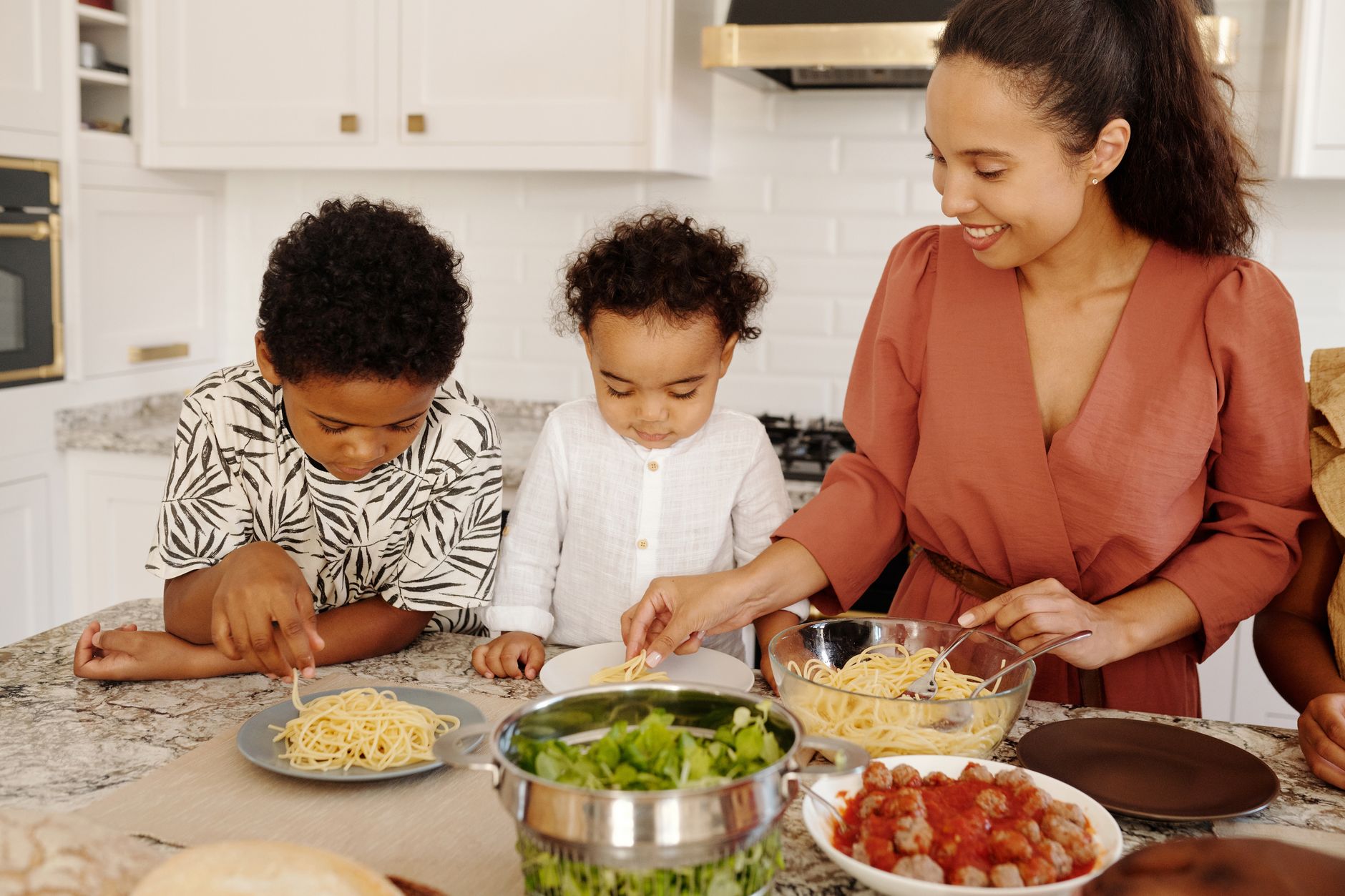
The first 15 minutes feel uncertain—parents worry kids won't focus, kids worry they'll mess up. We start small: introduce ourselves by first name, show everyone the finished dish or craft on a low table, let the youngest ask questions. By minute 20, hands are in the work. A Vietnamese cooking class might unfold like this: kids tear herbs while a parent rolls spring-roll wrappers; you taste-test together; someone burns a wrapper, everyone laughs, and suddenly the kitchen feels safe. We work in teams of 2–3 around a shared workspace, not assembly lines. If a child loses focus halfway through, we pivot—they might switch to setting the table, sketching the dish, or tasting sauces. By the end, you've cooked something real, eaten it warm, and nobody checked a phone.
A craft workshop follows a similar rhythm: show, demo once slowly, then step back and let hands lead. We sit in a circle, not rows. Mistakes become part of the story—a wonky pot or a painting that "looks like a monster" becomes the favorite. Parents often make something rougher than kids because they overthink it; we acknowledge that and move on.

Which workshop suits your family best?
| Workshop Type | Best Age Range | What Kids Actually Learn | Why It Works for Families |
|---|---|---|---|
| Cooking class | 5+ | Knife safety, tasting, seasonality, patience | Parents cook alongside; everyone eats the result |
| Flower arranging | 7+ | Color, balance, botanical names, fine motor | Quiet, meditative; no mess or pressure |
| Coffee workshop | 10+ | Bean origin, brewing method, sensory tasting | Teens feel grown-up; parents love the expertise |
| Craft (painting, pottery, weaving) | 4+ | Technical skill, creative choice, failure-tolerance | Low stakes; everyone leaves with something tangible |
| Farm or countryside day | 6+ | Seasons, food sources, where things come from | Movement; fresh air; kids run, adults breathe |
| Horse riding | 8+ | Balance, confidence, animal care, respect | Transformative for nervous kids; beautiful setting |
| Tea experience | 8+ | Ritual, flavor language, cultural roots | Slow, celebratory, teaches patience |
The single strongest predictor of a good family workshop is honesty at booking. Tell us your child's age, if they have allergies, if they've never cooked before, if they get bored easily. We adapt. A farm experience with a shy 6-year-old looks different from one with a boisterous 10-year-old—same place, same time, completely different pacing. We plan for it.
How do we handle kids who resist or get tired?
Real answer: it happens every few sessions, and it's fine. A child who says "I don't want to cook" often means "I'm nervous" or "I'm hungry" or "I want you to watch me, not other people." We separate problems:
Hunger or energy crash. We always have water, fruit, and a snack ready by hour 2. A tired kid becomes cooperative after five minutes of eating.
Nervousness. We let them observe first. A parent might start the task while the child stands close, then gradually hand them a tiny piece—tear one herb, squeeze one lime. By minute 10, they're engaged.
Actual disinterest. Rare, but real. We pivot to a parallel activity. In a cooking class, a child might set the table, draw the dish, or help weigh ingredients instead of chopping. In a flower-arranging workshop, they might make a simpler arrangement or practice stems alone.
Sibling conflict. We split them across different stations or give them roles that complement each other—one is the "taste-tester," the other is the "decorator." Clear roles reduce friction.
Sensory overload (loud kitchens, sticky hands, unfamiliar smells). We warn families upfront about kitchen sounds and do shorter sessions indoors when we know this is a concern. A child who hates mess works better in a tea or art session than a market tour.
The honest truth: a badly-matched workshop (e.g., a 5-year-old in a coffee tasting, or a teenager forced into a kids' art class) rarely recovers. That's why we ask detailed questions before you book. Ask us for dates on WhatsApp—we'll ask you more than the usual questions.

Vietnam's best family workshop locations and what to expect
Hanoi. Intimate sessions in a family kitchen in a quiet lane off the old quarter, or a bright studio in the French Quarter. Hanoi-based experiences tend toward cooking, tea, and craft workshops; there's usually street access and a small courtyard where kids can stand and stretch. Morning light is reliable; afternoon heat builds quickly. Parking is tight; most families arrive by taxi or motorbike, and we arrange pickup points nearby. Sessions here feel embedded in the city—you hear neighbors, motorbikes pass, it's alive.
Saigon. Larger studios and rooftop spaces, plus countryside farm stays just outside the city. Ho Chi Minh City experiences suit families who want mixing—an indoor cooking class in the morning, then a street-food tour in District 1 in the afternoon. Traffic is heavier; we budget extra time. Humidity is high; workshops with water (flower arranging, coffee rinsing) are especially pleasant. Several group experiences run weekly, so scheduling is easier.
Hoi An. Quiet, pedestrian-friendly, perfect for families wanting a slower pace. Hoi An workshops often combine crafts (lantern-making, silk-weaving basics) with a cooking class and a walk through the lantern-lit old town in the evening. Kids feel like they're in a storybook. Sessions book tighter here because the town draws international families; plan ahead.
Da Lat. Cool pine forest, countryside horse stables, and flower farms. Da Lat experiences suit families who want to escape heat and noise—horse riding here is genuinely scenic, and farm workshops feel like a day trip, not a city class. Altitude is refreshing; rain is common in afternoons, so we plan morning sessions or have covered spaces ready.
Da Nang. Coastal base with craft workshops and market tours. Da Nang options work well for families mixing beach time with a half-day workshop. Sessions tend to be shorter and more playful here; the pace is slower than Hanoi or Saigon.
Rainy season, allergies, and other real adaptations
Rain. Vietnam's rainy season (May–September in the north, September–December in the south) doesn't cancel workshops; it just moves them. A cooking class runs rain or shine in a kitchen. A flower workshop moves indoors or undercover. A farm day might shift to a greenhouse or a shorter, focused activity. We always have a backup plan before you arrive. Bring a lightweight poncho for kids if you're doing a countryside experience—it's actually fun.
Allergies. Tell us at booking, not the morning of the session. We source ingredients in advance. A child allergic to peanuts works fine in a cooking class—we avoid that ingredient entirely. A shellfish allergy in a seafood-heavy market tour means we modify the stops or pick a different street-food tour. We've never had to cancel for allergies; we just adjust.
Dietary preferences. Vegetarian, vegan, halal, kosher—we don't treat these as obstacles. We cook the same dishes, swap proteins or omit them, and everyone learns the same techniques.
Physical limitations. A child in a wheelchair or a grandparent with mobility concerns still joins a cooking class or tea session—we adjust table height, seating, and movement flow. Horse riding or farm days need upfront conversation, but we often have accessible routes. Not every experience suits every body; we're honest about that.
Skill anxiety. A parent worried they can't cook, or a teenager self-conscious about "doing crafts," joins every week. The workshop format—small group, real task, no judgment—seems to dissolve that anxiety by minute 10. We've never seen it come back.
Language. All our sessions run in English; kids and adults who speak Vietnamese as a first language often feel more comfortable and pick up English words through the workshop. Families with mixed-language homes do especially well.
What to check before you book a family workshop
- Group size and age range. Is it a private session for your family, or a mixed group? Do you want your kids with strangers, or just family? (Both work; different feels.)
- Session length and timing. Does a 3-hour cooking class fit your schedule, or do you need 90 minutes? Morning sessions are calmer; afternoon can be rushed if kids are tired.
- Venue setup. Can everyone see and reach the workspace, or are some kids in the back? Are there toilets nearby? Is it air-conditioned, open-air, or mixed?
- What's included. Do you take food home, or eat it on-site? Is there tea, water, snacks? Can you photograph or video (for kids' memories)?
- Cancellation and weather. If it rains or someone gets sick, can you reschedule?
- Host experience with kids. Has the host worked with young children before? Do they go slow, or assume prior knowledge?
- Cost structure. Ask us for dates and a quote on WhatsApp—prices vary by location, group size, and season. Ask what's included and what's extra.
- Accessibility. If anyone in your family has mobility, sensory, or dietary needs, mention them upfront. We adapt; we just need to know.
Ask about dates on WhatsApp to book your first family workshop. Tell us your child's age, what they're interested in, and roughly when you're traveling. We'll suggest a session, explain how it runs, and answer every question you have before you commit.
More stories and inspiration are in our blog. And if you're planning a group or multi-family session, group experiences and wellness days often work beautifully for families—we've run family reunions, birthday celebrations, and slow-travel weeks that became the highlight of trips.
FAQ
What's the minimum age for each workshop?
Cooking and crafts suit ages 4+; horse riding needs 8+; coffee and tea workshops work best at 10+. Younger kids can join almost anything if a parent sits alongside them. Tell us your child's age, and we'll be honest about fit.
Can we do a private session for just our family?
Yes. Private sessions let us adapt entirely to your family's pace, interests, and kids' ages. Mixed-group sessions are cheaper and kids often learn from each other. Ask us which suits you.
What if my child has never done this before and is nervous?
Most kids are nervous before starting and confident by minute 10. We go slow, let them watch first, and start with tiny tasks. Genuine anxiety (sensory issues, past trauma) is different—tell us, and we'll design around it.
Do I need cooking or craft experience as a parent?
No. We teach everyone, beginner to advanced. Parents who've never cooked often learn the most because they're surprised by how much they can do.
What happens if someone gets sick or it rains on the day?
We reschedule without penalty, or move indoors if possible. A cooking class or tea session runs fine in rain. A farm day might shorten or shift focus. We'll tell you the plan when you book.
Can we take food home or keep what we make?
You eat meals on-site while warm; we usually send kids home with a small leftover or recipe. Craft items are yours to take. Ask when you book what the practice is for that specific workshop.
How far in advance should we book?
2–4 weeks is ideal, especially for larger groups or specific dates. Last-minute bookings often work if we have availability. WhatsApp us and we'll check.
Are there discounts for siblings or multi-day bookings?
Pricing varies by workshop type and group size. Ask us for dates and a quote on WhatsApp—we'll give you an honest quote that fits your family's budget.
Ask about dates
Tell us the city, your dates and what you would like to try. We reply on WhatsApp in English with options and availability.
FAQ
What's the minimum age for each workshop?
Cooking and crafts suit ages 4+; horse riding needs 8+; coffee and tea workshops work best at 10+. Younger kids can join almost anything if a parent sits alongside them. Tell us your child's age, and we'll be honest about fit.
Can we do a private session for just our family?
Yes. Private sessions let us adapt entirely to your family's pace, interests, and kids' ages. Mixed-group sessions are cheaper and kids often learn from each other. Ask us which suits you.
What if my child has never done this before and is nervous?
Most kids are nervous before starting and confident by minute 10. We go slow, let them watch first, and start with tiny tasks. Genuine anxiety (sensory issues, past trauma) is different—tell us, and we'll design around it.
Do I need cooking or craft experience as a parent?
No. We teach everyone, beginner to advanced. Parents who've never cooked often learn the most because they're surprised by how much they can do.
What happens if someone gets sick or it rains on the day?
We reschedule without penalty, or move indoors if possible. A cooking class or tea session runs fine in rain. A farm day might shorten or shift focus. We'll tell you the plan when you book.
Can we take food home or keep what we make?
You eat meals on-site while warm; we usually send kids home with a small leftover or recipe. Craft items are yours to take. Ask when you book what the practice is for that specific workshop.
How far in advance should we book?
2–4 weeks is ideal, especially for larger groups or specific dates. Last-minute bookings often work if we have availability. WhatsApp us and we'll check.
Are there discounts for siblings or multi-day bookings?
Pricing varies by workshop type and group size. [Ask us for dates and a quote on WhatsApp](https://wa.me/84338762340)—we'll give you an honest quote that fits your family's budget.
More like this
Experiences for families and kids
Family workshop Vietnam vs Thailand: where to take kids in 2026
Vietnam and Thailand both offer immersive family workshops, but the pace, cost structure, and focus differ significantly. We run both types of sessions at Cáo Experiences and can help you choose.
Experiences for families and kids
Family Workshop Vietnam Gift Voucher: What Works Best
A family workshop gift voucher in Vietnam lets relatives experience cooking, craft, horse riding or tea together—no tickets, no queues, real hands-on time. We help you pick the right session type and duration for the ages and interests in your group.
Experiences for families and kids
Family workshops in Vietnam for Indian travelers: what to expect
Indian families visiting Vietnam often wonder how to keep children engaged and learn something authentic together. Cáo Experiences runs small-group and private workshops—cooking, coffee, flower arranging, craft, and farm days—designed for kids, parents, and grandparents, hosted in English with real