
Home › Blog › Street food and market tours
Best food tour in Da Nang: what we run and how to choose
By the Cáo Experiences team · 2026-11-06
A food tour in Da Nang through Cáo Experiences is a 3–4 hour walk through neighborhood markets and street-food stalls, led in English, ending in a kitchen to cook what you've bought or taste it with a guide. You'll visit family stalls selling pho broth, banh mi, fresh herbs and tropical fruit—places locals queue for. Most tours run 6–8 a.m. (morning is cooler and markets are most alive) or afternoon sessions from 2 p.m. Groups are 2–8 people; we adapt for solo travelers, families, dietary needs and rain. You learn why vendors choose certain cuts, how they season, what "fresh" means here. Cost varies by group size and whether you cook after; ask us for dates and a quote on WhatsApp. Avoid tours that skip the cooking part—eating alone misses the whole point of learning how food is made. Ask about dates on WhatsApp
What actually happens on a morning market walk?
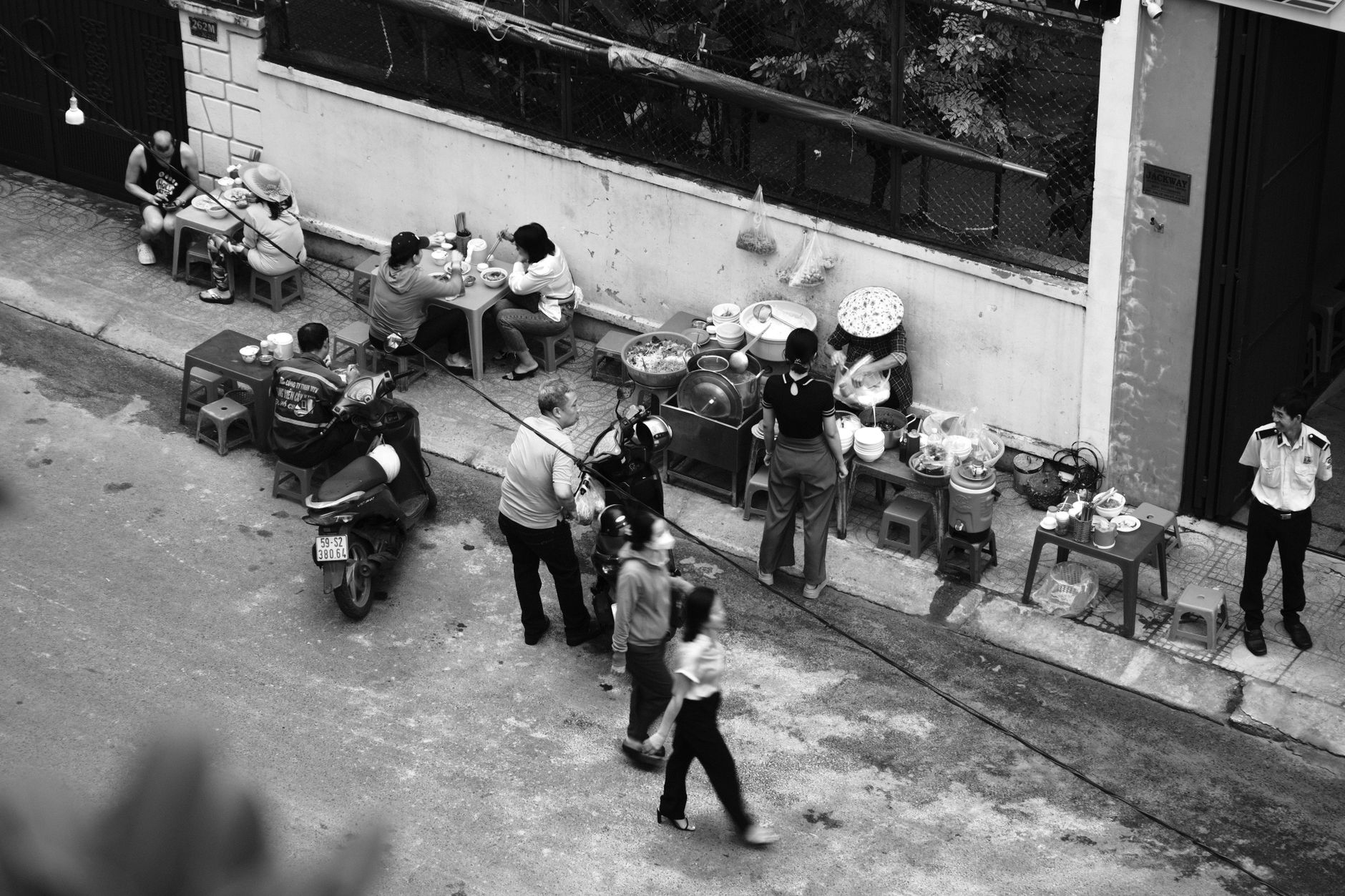
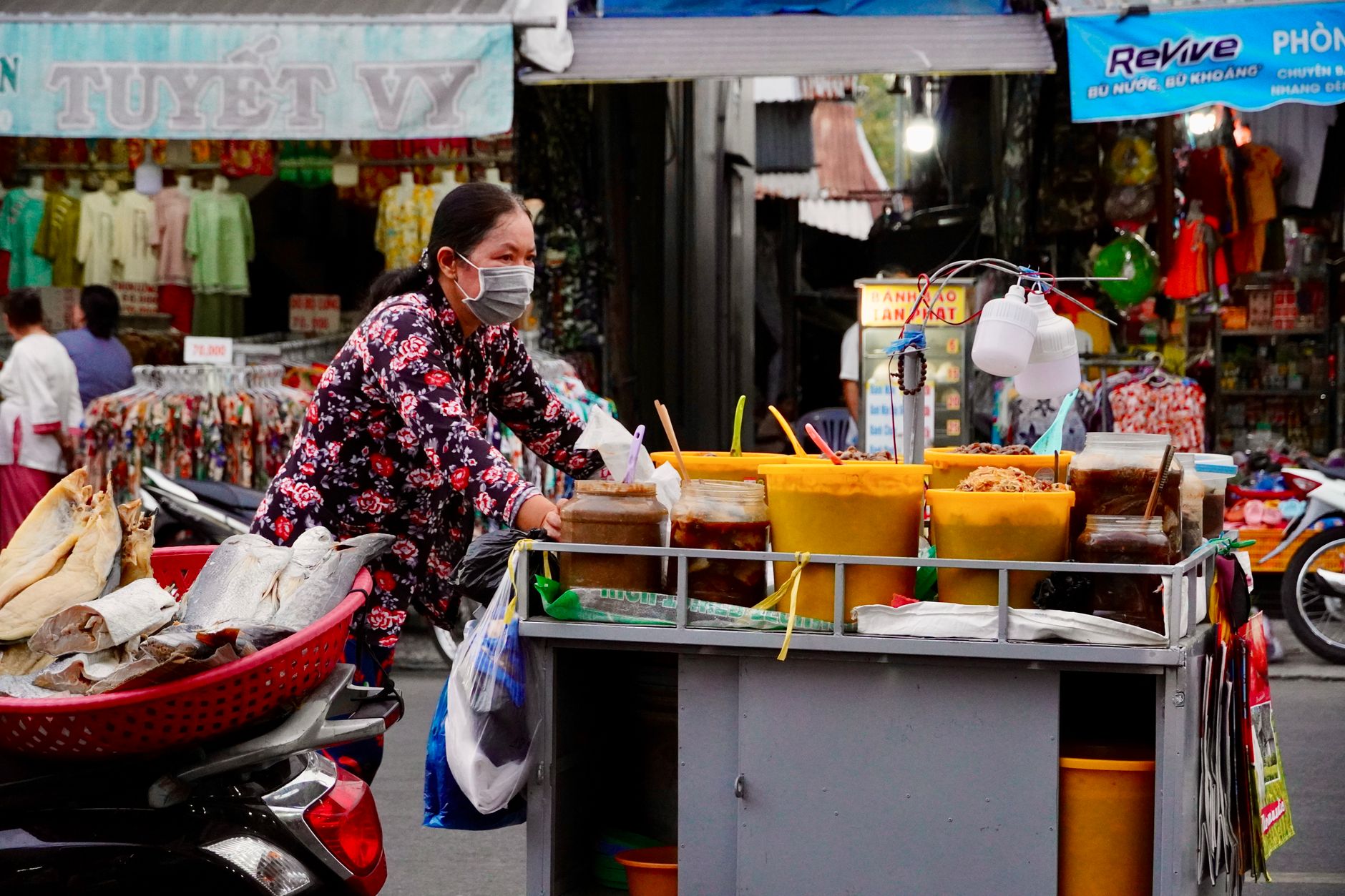
We meet you at your hotel or a central point at 5:45 a.m.—early, yes, but that's when vendors set up and the light is softest. You walk a lane of family stalls in a neighborhood market (not the tourist Hoan Kiem area). Our guide introduces you by name to people who've been grilling pork and rolling banh mi since 4 a.m. You taste samples: warm broth, just-fried spring rolls, fresh milk coffee. A vendor shows you how she layers meat, pate, pickled vegetables and herbs into bread—speed matters; it takes 30 seconds. You photograph, ask questions, buy what you want. By 7:30 a.m., we move to a second cluster of stalls for seafood or vegetable vendors. This isn't a stage-managed "food tour"—it's a real market where you're a guest. By 8:30 a.m., we either walk back or head to a family kitchen to cook lunch from what you've gathered. Rain happens: we reschedule or walk with umbrellas and eat hot soup instead—many guests say rainy mornings are even more atmospheric.
How do we adapt this for kids and older travelers?
Kids (age 5+) love the sensory chaos: smells, tastes, touching produce. We shorten the walk to 90 minutes and pick stalls with gentle flavors—no spicy broth or strong fish sauce upfront. Parents worry kids won't eat unfamiliar food; we let them observe, taste tiny amounts, buy their own snack. Older guests ask about walking pace and seating; we slow down, include bench breaks at a tea stall, and focus on stories over speed. Groups with kids and grandparents work best as private sessions so we're not rushing anyone. We avoid crowds by going mid-week. Allergies (peanuts, shellfish, gluten) are fine—we alert vendors ahead, they suggest swaps, and we cook separate portions if needed. Vegetarian and vegan guests eat brilliantly here; morning markets have entire stall rows of herbs, tofu, vegetables, and vendors are happy to skip fish sauce once they know.
Should we do the market walk alone or with a cooking class?
A market walk alone works if you want to browse, taste, and get a feel for local life without commitment. You'll spend 2.5–3 hours and leave with photos and snacks; cost is lower. A market walk + cooking class in a family kitchen takes 5–6 hours: after the market, you return to a home kitchen, cook 3–4 dishes using what you bought, and eat together. The cooking angle teaches why vendors picked those ingredients and how to use them at home—it's the difference between sightseeing and learning a skill. Couples often choose the full session because cooking together is intimate. Solo travelers sometimes do the walk first, then decide. Groups (4+) get a better rate for the full package. Learn more about our cooking classes if you want the hands-on part guaranteed.
What's the difference between a private and small-group tour?
A small-group tour (2–8 people) meets at a set time on fixed dates; you share our guide's attention and learn from other guests' questions. Cost per person is lower. A private tour (1–8 people, any date/time) books just for your group; the pace and route adapt to your interests, you don't wait for slower walkers, and you skip crowds. Private tours cost more but are worth it if you want to film, spend 30 minutes at one stall, or bring young kids who need breaks. Both include market introduction and tasting; only the private format skips other tourists. Ask us for dates and a quote on WhatsApp to compare.
Which other Da Nang experiences pair well with a food tour?
If you're already tasting local food, a Vietnamese cooking class (half-day or full-day) deepens the skill—you'll cook in a kitchen with a chef, make sauces from scratch, and take recipes home. A coffee workshop works well the afternoon after a morning market walk; you'll roast and brew Vietnamese coffee while it's still cool. Flower arranging is less connected but many guests combine it with food tours as part of a multi-day cultural immersion. Farm and countryside experiences in the villages outside Da Nang let you see where herbs and vegetables grow—a natural follow-up to learning how they're used in the city. Group and corporate experiences are ideal if you're traveling with a team; we've run market walks for offices, and the shared food experience builds connection. Check our Da Nang experiences page for the full menu.

How do we handle dietary needs and food allergies?
Before the walk, tell us on WhatsApp: allergies, vegetarian/vegan, disliked flavors, or religious restrictions. We alert our guide and market vendors. If you're allergic to peanuts, vendors will show you every ingredient before you taste. If you're vegan, we steer you to stalls selling fresh herbs, tofu dishes, and vegetable banh mi. Gluten-free guests can eat rice-paper rolls and most grilled meat once we confirm sauces are safe. We always carry backup food (fruit, bread, water) in case nothing appeals. On the rare day a vendor is closed or a dish isn't available, we pivot to a stall we've pre-scouted. Cooking class sessions let us prepare separate pots for allergies—no cross-contamination, no compromise. Pregnant travelers and nursing mothers are welcome; we keep walking pace easy and offer more rest.
Comparison: market walk vs. market walk + cooking
| Tour type | Duration | What you do | Best for | Key takeaway |
|---|---|---|---|---|
| Market walk only | 2.5–3 hours | Taste, observe, buy snacks | Quick learners, solo travelers, photos | See how vendors work |
| Market walk + cooking | 5–6 hours | Market, then cook 3–4 dishes | Couples, families, skill-builders | Cook it yourself at home |
| Walking tour (no cooking/tasting) | 2–3 hours | Listen, photograph, no eating | Budget travelers, large groups, very early risers | Cultural history only |
| Private vs. small-group | Same as above | Same activities | Different paces | Your pace or shared pace |
What to check before you book
- Timing: confirm you can meet at 5:45–6:00 a.m. (morning markets close by 9 a.m.). Afternoon sessions exist but are less lively.
- Allergies or diet: email or message us on WhatsApp before booking so we brief the guide and vendors.
- Fitness: the walk covers roughly 2 km with uneven pavement, narrow lanes, and no stroller-friendly paths. Wear comfortable shoes.
- Weather: Da Nang is tropical; it rains suddenly. We reschedule or tour with umbrellas. Bring a light rain jacket.
- Language: all tours are in English. If your group speaks another language, ask about guide availability.
- Group size: private tours are available; small-group sessions run when others book. Ask us for dates and a quote on WhatsApp.
- Camera: bring a phone or camera but expect to put it down during tastings and cooking. Markets are cramped and hands get sticky.
- Payment and cancellation: ask for our booking terms when you contact us—we'll explain how dates are locked and what cancellation means.
See how a session runs
Is a food tour the right choice for me?
Food tours suit travelers who eat adventurously, want to meet locals without a formal tour company, and have time (early morning or afternoon). They're not right if you dislike unfamiliar textures, have many allergies we can't pre-arrange, or prefer structured restaurants. Solo travelers and couples often feel less self-conscious in a small group with our guide there to translate questions. Families with kids 5+ enjoy the sensory element and run shorter walks. Groups of friends love the shared discovery and shared meal afterward. Older travelers manage fine if walking pace is slow—tell us beforehand. If you're unsure, message us on WhatsApp with your dates and interests; we'll suggest whether a market walk, cooking class, or other Da Nang experiences fit better.
FAQ
Do we eat breakfast or lunch on the tour?
On a morning walk (5:45–8:30 a.m.), you taste small samples at each stall—broth, banh mi, spring rolls, fruit—but it's not a full breakfast. Many guests eat a light hotel breakfast first. If you add the cooking class, you eat what you cook around noon. Afternoon walks are lighter on food because markets are closing.
What if I'm vegetarian or vegan?
Da Nang markets have rows of stalls selling herbs, tofu, vegetables, and rice-paper rolls. Our guide will steer you to vendors who specialize in vegetarian dishes and can confirm no fish sauce. If you cook after, we prepare a separate pot with vegetable-only ingredients. It's easier here than in many places because fresh herbs and produce are abundant.
Can we book a private tour instead of a small group?
Yes. Private tours work for any group size and any date (subject to guide availability). You set the pace, route, and rhythm. Cost is higher per person than a small-group session, but you skip waiting for others and get full attention. Ask us for dates and a quote on WhatsApp.
What happens if it rains?
We reschedule if heavy rain is forecast. Light rain happens—we tour with umbrellas, eat hot soup, and many guests say the market feels even more authentic. If you must keep a specific date and rain falls, we'll proceed unless the guide judges it unsafe. Bring a light rain jacket.
Can kids join? What age?
Kids 5+ enjoy the sensory chaos, tastes, and meeting vendors. We shorten the walk to 90 minutes and pick mild flavors first. Younger kids (2–4) can join private tours with parents, but the walk becomes slower and we don't expect them to taste everything. Bring snacks for little ones.
Do you visit Quang Ba flower market or other tourist spots?
No—our food tour goes to neighborhood markets where locals queue, not tourist markets. The idea is to meet vendors who work daily and taste food made for locals. You'll see real morning life, not stages for cameras.
Ask about dates
Tell us the city, your dates and what you would like to try. We reply on WhatsApp in English with options and availability.
FAQ
Do we eat breakfast or lunch on the tour?
On a morning walk (5:45–8:30 a.m.), you taste small samples at each stall—broth, banh mi, spring rolls, fruit—but it's not a full breakfast. Many guests eat a light hotel breakfast first. If you add the cooking class, you eat what you cook around noon. Afternoon walks are lighter on food because markets are closing.
What if I'm vegetarian or vegan?
Da Nang markets have rows of stalls selling herbs, tofu, vegetables, and rice-paper rolls. Our guide will steer you to vendors who specialize in vegetarian dishes and can confirm no fish sauce. If you cook after, we prepare a separate pot with vegetable-only ingredients. It's easier here than in many places because fresh herbs and produce are abundant.
Can we book a private tour instead of a small group?
Yes. Private tours work for any group size and any date (subject to guide availability). You set the pace, route, and rhythm. Cost is higher per person than a small-group session, but you skip waiting for others and get full attention. Ask us for dates and a quote on WhatsApp.
What happens if it rains?
We reschedule if heavy rain is forecast. Light rain happens—we tour with umbrellas, eat hot soup, and many guests say the market feels even more authentic. If you must keep a specific date and rain falls, we'll proceed unless the guide judges it unsafe. Bring a light rain jacket.
Can kids join? What age?
Kids 5+ enjoy the sensory chaos, tastes, and meeting vendors. We shorten the walk to 90 minutes and pick mild flavors first. Younger kids (2–4) can join private tours with parents, but the walk becomes slower and we don't expect them to taste everything. Bring snacks for little ones.
Do you visit Quang Ba flower market or other tourist spots?
No—our food tour goes to neighborhood markets where locals queue, not tourist markets. The idea is to meet vendors who work daily and taste food made for locals. You'll see real morning life, not stages for cameras.
More like this
Street food and market tours
Best Street Food Tour in Sapa: What to Expect, How to Choose
Street food tours in Sapa connect you with hill-town cooks and night markets. We'll walk you through what these sessions offer, who they're for, and how to avoid common missteps.
Street food and market tours
Best Street Food Tour in Hue: What to Choose, Who It's For
A street food tour in Hue isn't one thing—it's a choice between styles, neighborhoods, and paces. We break down what actually happens on each type, and how to know which fits your group.
Street food and market tours
Best Food Walking Tour in Vietnam: Hanoi Street Food Guide
A food walking tour in Vietnam immerses you in bustling markets and street lanes where vendors have cooked the same dishes for decades. We show you what to taste, how to order, and the stories behind each bite.