
Home › Blog › Experiences for families and kids
Best kids cooking class in Da Lat: what we teach and how to choose
By the Cáo Experiences team · 2026-11-06
Cáo Experiences runs Vietnamese cooking classes for children aged 6–16 in a home kitchen in Da Lat's old quarter, typically 2–3 hours including prep, cooking, and eating together. Kids learn to make 2–3 dishes (spring rolls, stir-fry, soup, rice paper wraps — chosen by age and interest) under our guidance; no previous kitchen experience needed. We adapt knife work, standing time, and spice levels for beginners; younger kids focus on mixing, seasoning taste-tests, and rolling; older children practice knife skills and flame control. Sessions include ingredients, use of all equipment, and eating what they cook. Ask us for dates and a quote on WhatsApp. See how a session runs
What actually happens during a kids cooking session?
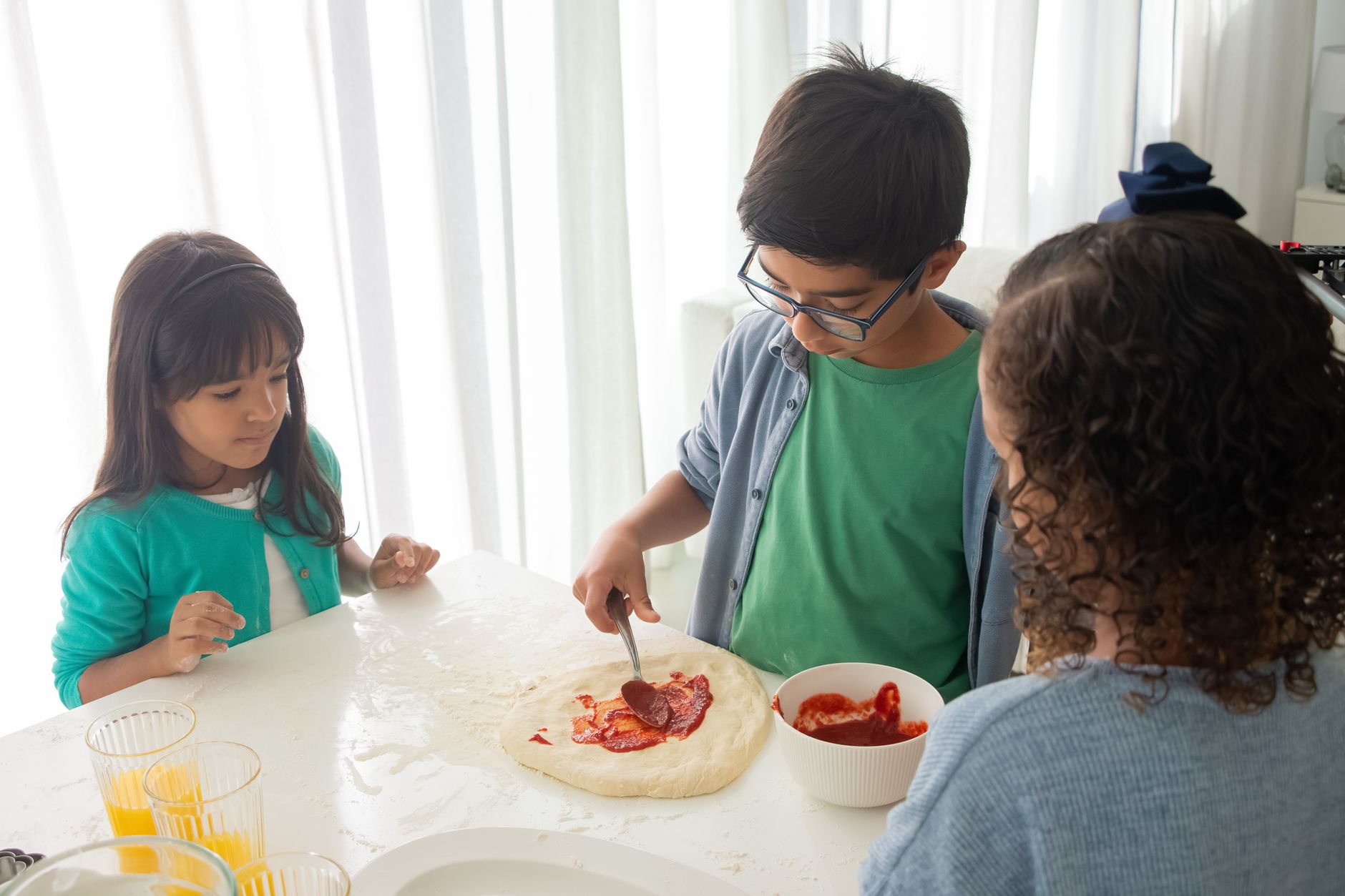
We start with a kitchen walk-through: you meet the host, we show children where everything lives, and we taste a raw ingredient or two so they know what's coming. Then we gather around the prep table — usually 3–6 kids in a small group, or just your family for a private class. The host demonstrates one dish step-by-step: how to hold a knife, where to grip a vegetable, why we add sauce in that order. Kids work in pairs or solo (depending on age), doing the prep work themselves while the host watches and corrects grip or safety. Once everything is ready, we move to the stove or cooking vessel — some kids cook directly, others stir or watch close-up depending on heat and confidence. We taste as we go and adjust salt, acid, or spice together. Finally, we sit down and eat the three dishes we've made, usually with jasmine tea or fresh lime juice.

How do we adapt for different ages and abilities?
Younger children (6–9 years): focus on rolling, mixing, and tasting. They tear herbs by hand, stir cold sauces, roll rice-paper wraps with help, and taste everything to learn about salt and sourness. Knife work is supervised (with child-safe knives or small adult knives under close guidance); they peel soft vegetables like tomatoes or cucumbers with a peeler. Most of the chopping is done by the host while they watch and learn the sequence.
Older kids (10–16 years): practice real knife skills, learning how to hold the blade safely and cut vegetables into consistent pieces. They handle seasoning decisions, taste at each stage, and control cooking over heat with the host spotting them. They often remember techniques from session to session and become confident with common kitchen tasks.
No previous experience required. We don't expect anyone to arrive knowing how to cook. Nerves about holding a knife or making a mess are completely normal — the host normalizes both and works at each child's pace.
For mixed-age siblings: we run private sessions where the host teaches the older child a more advanced technique (dicing, flame control) while the younger one works on rolling or mixing nearby. Everyone cooks and eats together.
| Aspect | Ages 6–9 | Ages 10–13 | Ages 14–16 |
|---|---|---|---|
| Knife work | Peeler, child-safe knife, host-led | Small sharp knife with supervision | Full knife skills, minimal oversight |
| Cooking tasks | Mixing, rolling, tasting, seasoning decisions | Prep and basic stir-fry, sauce assembly | Heat control, timing, plating decisions |
| Dishes made | 2 simple dishes | 2–3 mixed dishes | 3 dishes with technique variation |
| Duration | 1.5–2 hours (shorter focus span) | 2–2.5 hours | 2.5–3 hours |
| Session type | Small group or private | Small group or private | Small group or private |
What dishes do kids actually cook, and can we customize?
We teach dishes that are forgiving, flavorful, and let kids see results quickly. Common choices: spring rolls (prep the filling, wrap, no frying needed), vegetable stir-fry with garlic and soy (learning heat control and timing), fresh herb wraps with peanut sauce (rolling and flavor-balancing), or simple egg-fried rice (seasoning and taste-adjusting). Soup is less common for younger kids because it requires longer standing time, but older ones enjoy learning broth balance and herb timing.
We adapt based on allergies, preferences, and what's in season in Da Lat. If a child is vegetarian, we skip fish sauce or use soy; if they dislike cilantro, we substitute mint or dill. We ask about these before booking, so the host arrives with ingredients suited to your group.
Families often ask: Can we make a dish my child already loves? Yes — if you want to focus on banh mi filling or a specific regional style, tell us on WhatsApp and we'll design the session around it.
What to check before you book a kids cooking class
Group size and privacy: Small groups work well for kids who are shy or need more hands-on attention. Private sessions suit families who want to move at their own pace or have very mixed ages. We can host 1–6 kids per session; larger groups feel crowded in a home kitchen.
Dietary needs and allergies: Tell us everything — nuts, shellfish, gluten, soy, dairy, spice intolerance. We source ingredients ahead and adjust every recipe. If your child is newly vegetarian or has religious dietary rules, we design around that from the start.
Season and timing: Da Lat's cool, wet months (May–September) mean we have leafy greens and herbs in abundance. Dry months (October–April) favor root vegetables and preserved proteins. Sessions can run year-round, but ingredient variety shifts. Rain doesn't stop us — the kitchen is indoors and fully equipped.
Standing time and comfort: If a child has restlessness, sensory sensitivities, or mobility issues, tell us. We can adjust the session to include short movement breaks, reduce strong smells (we use milder fish sauce or omit it), or set up a stool for a child who can't stand long.
Previous experience: We don't require any. If your child has never cooked, that's perfect — we move slowly through knife safety and technique. If they've cooked before, we can deepen skills or try more challenging recipes.
What to bring and wear: Comfortable clothes (you might get wet or stained); closed-toe shoes or sandals (safer near a stove); a sense of humor about mess. We provide aprons and all tools. If you want to take photos, bring a phone or camera — we're happy to document the session for you.
Is a cooking class the right family experience for your group?
Cooking works well if your children enjoy hands-on activity, trying new foods, and learning through doing. It's not the best fit if they're very young (under 6), have severe sensory anxiety around kitchens, or strongly resist unfamiliar foods — though we can often find a way. If you're unsure, ask us about other family experiences in Da Lat, including flower arranging, farm visits, or art classes, which might suit your group better.
See how a session runs
We also run Vietnamese cooking classes for adults, and if you're interested in the coffee or tea culture that Da Lat is known for, we offer coffee workshops and tea experiences for mixed-age groups. Many families combine a cooking session with a farm and countryside experience to see where ingredients come from — often a powerful teaching moment for kids.
How do we keep it safe and fun?
Safety is the first thing we teach. Before any knife comes out, we show every child where the sharp edge is, how to hold their fingers (curled, never flat), and what "knife behind your back" means if you need to move quickly. The host stays within arm's reach when knives are in use. We use child-friendly tools where sensible (peelers, small knives), but we also teach real kitchen skills — nothing is off-limits if the child is ready and watching closely.
Fun comes from success and mess. Kids are proud when they roll their first spring roll or taste their own stir-fry. Spilled sauce, sticky hands, and flour on the apron are part of it — we make those moments normal and light. We taste constantly, so kids who are nervous about eating unfamiliar food often try things they'd normally refuse because they made it themselves.
We also adapt for shyness or overwhelm. If a child goes quiet or looks anxious, the host often steps back and lets them watch for a bit, then invites them to help with a smaller task (pouring, tasting, passing ingredients). There's no pressure to perform or speak.
What happens if the weather is bad?
Da Lat's kitchen is indoors and fully equipped, so rain doesn't change the session. Heavy fog or cool mountain drizzle is part of Da Lat's charm — kids often find the calm, quiet timing of cooking even more engaging on gray days. We keep the kitchen warm and cozy, and hot tea is always ready.
Can you combine cooking with other activities?
Yes. Many families book a morning farm and countryside experience to pick vegetables or meet local farmers, then cook those ingredients in the afternoon. Some pair a cooking session with a street food and market tour so kids see where real markets source their herbs and meat, then come back to the kitchen with deeper context. If you're interested in mixing activities, ask us about a custom half-day or full-day itinerary on WhatsApp.

FAQ
What's the minimum age for a kids cooking class?
We take kids from age 6. Below that, the time standing and the focus needed for knife safety becomes difficult. Very young kids (4–5) sometimes join private family sessions if a parent stays actively involved, but we don't recommend it. Ask us if you're unsure about your child's readiness.
Can I stay in the kitchen while my child cooks, or should I wait outside?
You're welcome to stay — many parents watch and learn, or help if we ask. Some parents prefer to step back and let their child focus. We'll tell you what works best for your group on the day. Private family sessions mean you're part of it either way.
What if my child has a severe food allergy or is very picky?
We design the whole session around allergies and strong food preferences. Tell us before booking; we source ingredients ahead and teach the child to cook dishes they actually enjoy eating. Picky eaters often become braver cooks because they control every step.
How much does a kids cooking class cost?
Ask us for dates and a quote on WhatsApp. Pricing depends on group size (private vs. small group), session length, ingredients, and how many dishes you cook.
Can we book a private family cooking session, or only group classes?
Both. We run small public groups and private family sessions. Private sessions let you move at your own pace, focus on dishes your family loves, and take photos without other guests around. Ask us about availability and what suits your family.
Do kids eat what they cook, or is it mostly about learning?
They eat it — that's the whole point. We sit down together after cooking and share the three dishes. If a child has made something unfamiliar or previously refused it, they're often willing to try it because they cooked it themselves. Eating together also builds confidence and joy around food.
What if my child says they want to stop halfway through?
We adapt. If a child is overwhelmed, tired, or losing interest, we might shorten the session, shift to a watching-and-helping role, or take a break. We've never had a session where a child couldn't finish, but if something isn't working, we problem-solve on the day. Your child's comfort comes first.
Can we request a specific dish or cuisine style?
Yes. Tell us your child's favorite Vietnamese dish or cuisine style (southern, northern, central, vegetarian, etc.), and we'll design the session around it. We have seasonal ingredients in Da Lat, so some dishes work better at certain times of year — we'll let you know.
Ask about dates
Tell us the city, your dates and what you would like to try. We reply on WhatsApp in English with options and availability.
FAQ
What's the minimum age for a kids cooking class?
We take kids from age 6. Below that, the time standing and the focus needed for knife safety becomes difficult. Very young kids (4–5) sometimes join private family sessions if a parent stays actively involved, but we don't recommend it. Ask us if you're unsure about your child's readiness.
Can I stay in the kitchen while my child cooks, or should I wait outside?
You're welcome to stay — many parents watch and learn, or help if we ask. Some parents prefer to step back and let their child focus. We'll tell you what works best for your group on the day. Private family sessions mean you're part of it either way.
What if my child has a severe food allergy or is very picky?
We design the whole session around allergies and strong food preferences. Tell us before booking; we source ingredients ahead and teach the child to cook dishes they actually enjoy eating. Picky eaters often become braver cooks because they control every step.
How much does a kids cooking class cost?
Ask us for dates and a quote on WhatsApp. Pricing depends on group size (private vs. small group), session length, ingredients, and how many dishes you cook.
Can we book a private family cooking session, or only group classes?
Both. We run small public groups and private family sessions. Private sessions let you move at your own pace, focus on dishes your family loves, and take photos without other guests around. Ask us about availability and what suits your family.
Do kids eat what they cook, or is it mostly about learning?
They eat it — that's the whole point. We sit down together after cooking and share the three dishes. If a child has made something unfamiliar or previously refused it, they're often willing to try it because they cooked it themselves. Eating together also builds confidence and joy around food.
What if my child says they want to stop halfway through?
We adapt. If a child is overwhelmed, tired, or losing interest, we might shorten the session, shift to a watching-and-helping role, or take a break. We've never had a session where a child couldn't finish, but if something isn't working, we problem-solve on the day. Your child's comfort comes first.
Can we request a specific dish or cuisine style?
Yes. Tell us your child's favorite Vietnamese dish or cuisine style (southern, northern, central, vegetarian, etc.), and we'll design the session around it. We have seasonal ingredients in Da Lat, so some dishes work better at certain times of year — we'll let you know.
More like this
Experiences for families and kids
Family workshop Vietnam vs Thailand: where to take kids in 2026
Vietnam and Thailand both offer immersive family workshops, but the pace, cost structure, and focus differ significantly. We run both types of sessions at Cáo Experiences and can help you choose.
Experiences for families and kids
Family Workshop Vietnam Gift Voucher: What Works Best
A family workshop gift voucher in Vietnam lets relatives experience cooking, craft, horse riding or tea together—no tickets, no queues, real hands-on time. We help you pick the right session type and duration for the ages and interests in your group.
Experiences for families and kids
Family workshops in Vietnam for Indian travelers: what to expect
Indian families visiting Vietnam often wonder how to keep children engaged and learn something authentic together. Cáo Experiences runs small-group and private workshops—cooking, coffee, flower arranging, craft, and farm days—designed for kids, parents, and grandparents, hosted in English with real