
Home › Blog › Experiences for families and kids
Best Kids Cooking Class in Saigon: What to Book and Why
By the Cáo Experiences team · 2026-11-06
A kids cooking class in Saigon with Cáo Experiences is a 3–4 hour hands-on session where children aged 6 and up prepare 2–3 Vietnamese dishes from scratch—typically a soup, a stir-fry, and a fresh spring roll or similar—in a residential kitchen in the old quarter or a lane off it. We host small groups (4–8 children) or private family bookings, led by English-speaking hosts who work at the child's pace. Sessions include a market walk, ingredient prep, cooking at the stove, and eating what they've made. We adapt for allergies, dietary needs, and younger siblings (4–5 years can join with a parent). Ask us for dates and a quote on WhatsApp to check availability and confirm what a session costs.
What actually happens hour by hour in a kids cooking class?
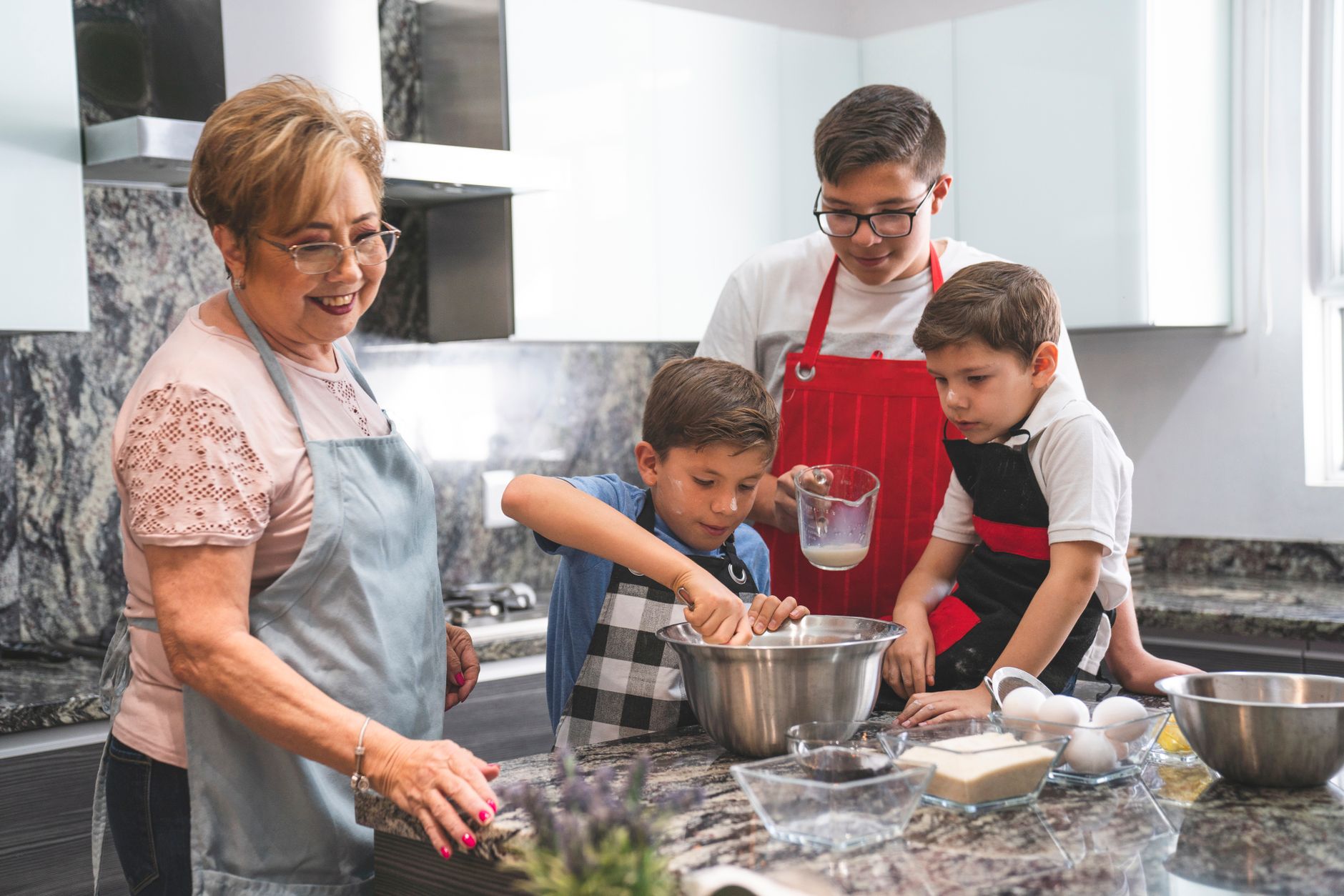
We meet you outside a family kitchen in a residential lane, not a commercial studio. The first 15 minutes are a quick market walk to a neighborhood shop or wet market where kids touch, smell, and choose leafy greens, herbs, and proteins—they learn why we pick what we do. Back in the kitchen, we wash hands, talk through the recipe, then the children start: one kid slices scallions, another cracks eggs into a bowl, a third stirs the broth. We stand beside each child, not in front of them. By hour two, the wok or pan is hot and kids are cooking their own stir-fry or soup under light supervision. By the end, they plate their own food, sit down, and eat together. The whole thing takes 3–3.5 hours.

How does a half-day kids class differ from a full street food tour?
A cooking class is stationary: kids spend most time in one kitchen, learning technique and flavor. A street food and market tour with kids involves walking multiple stalls, tasting prepared foods, and learning history—more about exploration than hands-on cooking. If your child is young (under 7), easily tired, or wants to make food, a cooking class works better. If they're curious about street culture and happy to eat without cooking, a street food tour suits them. We can also combine them: a morning cooking session followed by a walking market tour to find ingredients for lunch the next day, though that's two separate bookings.
Should my child take a private class or join a small group?
| Setup | Best for | Pace | Flexibility | What to check |
|---|---|---|---|---|
| Small group (4–8 kids) | Kids 7+, confident, social | shared attention, kids learn from each other | set date/time | all ages able to handle a shared kitchen |
| Private (family only) | younger kids (4–6), siblings together, picky eaters | one-to-one help, customized dishes | any date you choose | whether all family members want to cook |
| Mixed group + sibling option | one child joins a group, younger sibling joins a parent | group for older child; parent + toddler observe/taste | set date | booking as a "plus one" arrangement |
A private class costs more but you control the menu (we can avoid shellfish if needed), the pacing, and the timing—useful if your child gets overwhelmed easily or is a beginner. Small groups are livelier, cheaper per head, and kids pick up energy from each other. If you have a 5-year-old and an 8-year-old, we often run them together in a private session: the older child takes the lead, the younger one shadows or does simpler tasks like tearing herbs.
What do I need to know about kids with allergies or dietary needs?
Tell us before you book. We ask on WhatsApp about allergies, vegetarian preference, fish sauce aversion—anything that changes the recipe. We work with ingredients available in local markets, so if your child can't eat peanuts, we skip the peanut dipping sauce and use a fish-sauce-and-lime version instead. If they're vegetarian, we teach tofu stir-fry or vegetable fried rice instead of a meat dish. If a child has a genuine shellfish allergy, we never handle shrimp paste in the same prep area during their session—we source a kitchen without cross-contamination risk. What we can't do is cater to "no vegetables" preferences; the whole point is learning to taste and cook real food.

How do we handle rain or weather changes on the day?
Classes run indoors in a residential kitchen, so light rain doesn't stop us. Heavy rain or flooding is rare in Saigon during most of the year, but if it happens and the market walk becomes unsafe, we skip it and source ingredients beforehand—the cooking part is the core. We confirm the forecast 24 hours before and will reschedule if the city is under flood warning. Bring an umbrella or light rain jacket for the market walk; shoes that dry quickly help. If you're concerned about the forecast when you book, mention it and we'll check with you a day out.
What should my child wear and bring to a cooking class?
Wear closed-toe shoes (sandals slip on wet floors) and clothes that can handle a splash of oil or sauce—an apron covers most of it. We provide aprons; bring a spare change of clothes for younger kids who tend to paint themselves. Avoid loose sleeves that dip into pans; long hair tied back. Bring a small backpack with a water bottle and a hat for the market walk if it's sunny. We provide hand soap, paper towels, and small towels; you don't need to bring anything else. Don't wear jewelry that gets in the way—a simple bracelet is fine, but rings and bangles can catch on a knife or hot handle.
Which other Saigon experiences work well with a kids cooking class?
If your child loves cooking, they might also enjoy a farm and countryside experience where they harvest vegetables and learn where food comes from—a perfect pairing: morning cooking class, afternoon farm visit. A flower arranging workshop is calmer and suits kids aged 8+ who like art and fine motor skills. Family experiences across all our offerings—tea, coffee, craft workshops—can fill out a week-long itinerary. Pairing a cooking class with a walking street food and market tour on another day gives kids both hands-on and discovery-based learning. Art and culture classes in the old quarter can be done the morning after, while your child is still in a creative mood.
What to check before you book a kids cooking class
- Age of each child: We accept 6+; younger kids (4–5) with a parent cooking alongside are fine.
- Allergies and dietary limits: Shellfish, peanut, vegetarian, fish sauce aversion—list them all.
- How many kids and whether siblings are joining: Affects class size and private vs. group pricing.
- What day and time suits your family: Small groups have set dates; private classes are flexible.
- Whether you want the market walk included: We always include it, but confirm if you'd rather skip it due to heat or mobility issues.
- How many dishes you want to cook: 2–3 is standard; more is possible in a private session.
- What to do with finished food: You eat it in the kitchen; it's not wrapped to take away (it doesn't reheat well), but you can ask.
Contact us on WhatsApp with these details and we'll confirm availability and send a quote.
FAQ
Can a 4-year-old join a kids cooking class in Saigon?
Yes, if a parent joins and cooks alongside them. They'll do simple tasks—stirring, tearing herbs, measuring—while the parent handles the knife work and stove. We run this as a private session so pacing suits the toddler.
Do kids eat what they cook, or is it for show?
They eat what they cook. That's the whole point. Sitting down together at the end to taste their own stir-fry or soup is when the learning clicks. We don't plate it for them to take home; it's eaten fresh in the kitchen.
What if my child refuses to cook and just wants to watch?
We don't force it. Some kids warm up slowly. They can watch, ask questions, and help hand over ingredients. Often by the second dish, they try. If they stay passive the whole time, they'll still taste the food and learn—but a cooking class isn't the right fit; a street food tour or market visit might suit them better.
Do you teach English-language cooking terms and recipes my child can use at home?
We teach by doing, not by lecture. Kids learn words like "mince," "simmer," and "fold" by hearing and using them. We don't hand out recipe sheets in English, but we encourage you to photo the ingredients and steps, and we can text tips to you afterward if you want to cook it again at home.
What happens if we're late or need to reschedule?
Tell us as soon as you know. We can reschedule a private session easily. Small-group sessions have fixed dates; if you miss that date, we'll add you to the next available one. Cancellations need 48 hours' notice. Ask us for the full terms when you book.
Are there cooking classes for kids in other Vietnamese cities too?
Yes. We run family experiences and cooking sessions in Hanoi, Hoi An, Da Nang, and Da Lat as well. Geography, seasonal ingredients, and local cooking styles vary, so the dishes and pacing differ slightly by location. Ask us about options in the city you're visiting.
Ask about dates
Tell us the city, your dates and what you would like to try. We reply on WhatsApp in English with options and availability.
FAQ
Can a 4-year-old join a kids cooking class in Saigon?
Yes, if a parent joins and cooks alongside them. They'll do simple tasks—stirring, tearing herbs, measuring—while the parent handles the knife work and stove. We run this as a private session so pacing suits the toddler.
Do kids eat what they cook, or is it for show?
They eat what they cook. That's the whole point. Sitting down together at the end to taste their own stir-fry or soup is when the learning clicks. We don't plate it for them to take home; it's eaten fresh in the kitchen.
What if my child refuses to cook and just wants to watch?
We don't force it. Some kids warm up slowly. They can watch, ask questions, and help hand over ingredients. Often by the second dish, they try. If they stay passive the whole time, they'll still taste the food and learn—but a cooking class isn't the right fit; a street food tour or market visit might suit them better.
Do you teach English-language cooking terms and recipes my child can use at home?
We teach by doing, not by lecture. Kids learn words like "mince," "simmer," and "fold" by hearing and using them. We don't hand out recipe sheets in English, but we encourage you to photo the ingredients and steps, and we can text tips to you afterward if you want to cook it again at home.
What happens if we're late or need to reschedule?
Tell us as soon as you know. We can reschedule a private session easily. Small-group sessions have fixed dates; if you miss that date, we'll add you to the next available one. Cancellations need 48 hours' notice. Ask us for the full terms when you book.
Are there cooking classes for kids in other Vietnamese cities too?
Yes. We run [family experiences](/family-experiences) and cooking sessions in Hanoi, Hoi An, Da Nang, and Da Lat as well. Geography, seasonal ingredients, and local cooking styles vary, so the dishes and pacing differ slightly by location. Ask us about options in the city you're visiting.
More like this
Experiences for families and kids
Family workshop Vietnam vs Thailand: where to take kids in 2026
Vietnam and Thailand both offer immersive family workshops, but the pace, cost structure, and focus differ significantly. We run both types of sessions at Cáo Experiences and can help you choose.
Experiences for families and kids
Family Workshop Vietnam Gift Voucher: What Works Best
A family workshop gift voucher in Vietnam lets relatives experience cooking, craft, horse riding or tea together—no tickets, no queues, real hands-on time. We help you pick the right session type and duration for the ages and interests in your group.
Experiences for families and kids
Family workshops in Vietnam for Indian travelers: what to expect
Indian families visiting Vietnam often wonder how to keep children engaged and learn something authentic together. Cáo Experiences runs small-group and private workshops—cooking, coffee, flower arranging, craft, and farm days—designed for kids, parents, and grandparents, hosted in English with real