
Home › Blog › Street food and market tours
Best market tour in Hanoi: what to expect and how to choose
By the Cáo Experiences team · 2026-11-06
A market tour in Hanoi with Cáo Experiences is a 2–3 hour guided walk through active wet markets and street stalls, led by someone who knows the vendors, seasonal produce and haggling norms. We typically start before 8 a.m. to catch peak trading, visit 4–6 stops (a fish counter, a spice seller, a noodle stand, a fruit vendor, a coffee roaster), taste samples, and teach you the questions that unlock real prices. Tours run year-round; rainy mornings mean covered market sections and umbrella coverage. You'll learn what "fresh" actually looks like, how to spot ripe mango or good pork, and the Vietnamese words that matter. Beginner shoppers, families with kids aged 8+, and food lovers benefit most. No prior market experience needed. Allergies and dietary preferences are noted in WhatsApp booking. The walk covers uneven floors, wet tiles and narrow lanes—wear slip-on shoes and bring a small bag for purchases. Ask us for dates and a quote on WhatsApp.
Why Hanoi's markets matter more than guidebooks say
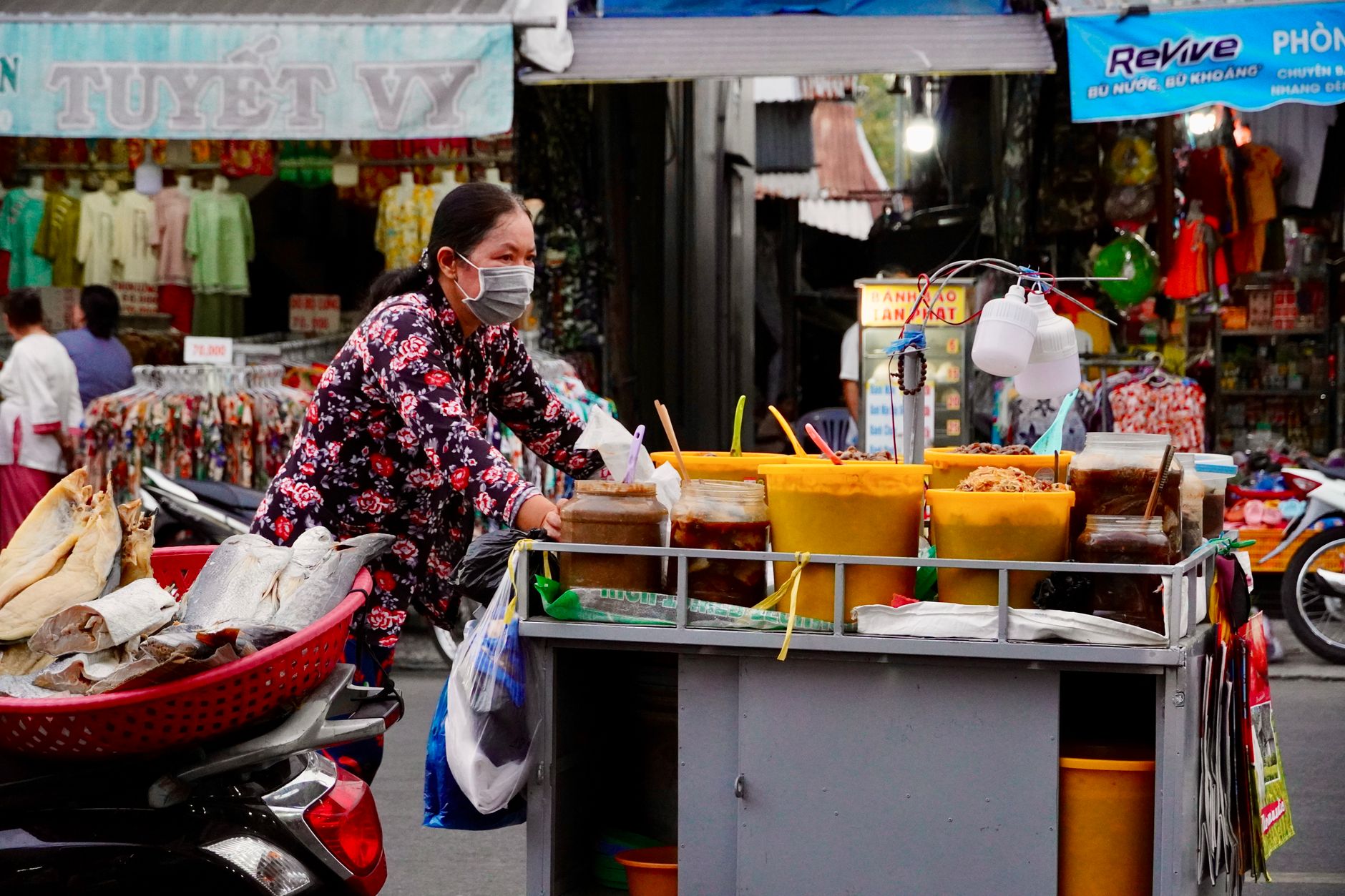
Most tourists photograph Ben Thanh or Hoan Kiem Lake and move on. Markets are where Hanoi actually lives: vendors calling out prices, scales swinging, ice melting on fish, families choosing dinner at 6 a.m. A guided walk stops you rushing, points out the stories behind stalls, and answers the question every first-time shopper has—"Is this really fresh, and am I being cheated?" We don't rush through; we stand with one vendor for ten minutes, watch them sort greens, ask why the mustard greens cost less today than yesterday. That rhythm teaches you more than any list. Markets also shift hourly: what's full at 7 a.m. is half-sold by 10 a.m., prices drop, bargaining changes. Morning tours catch abundance; afternoon tours teach you negotiation on dwindling stock.
How do morning and afternoon tours actually differ?
Morning tours (6:30–9 a.m.) run when markets are loudest and fullest. Vendors are setting up, ice is freshest, crowds are thin enough to talk. You'll see the _work_ of a market: boxes being unpacked, scales being zeroed, women arranging greens by color and size. Afternoon tours (2–5 p.m.) show you the tail end: prices dropping 10–20%, vendors tired and more chatty, the market thinning to locals buying dinner. Afternoon suits people who sleep late or want fewer crowds. Both teach haggling, but morning lets you watch abundance; afternoon teaches scarcity pricing. The question isn't which is "better"—it's what rhythm matches your energy and sleep pattern. We've hosted grandparents who'd never wake before 8 a.m. thrive on a 3 p.m. tour, and jet-lagged travelers who sleep at 2 p.m. and prefer dawn. We ask in WhatsApp booking what fits you.
What can you actually buy and eat during a tour?
You'll taste 5–8 samples: a slice of mango or papaya from a fruit stall (seasonal), a spoonful of fresh chili paste, a small portion of spring rolls or banh mi from a street vendor we trust, coffee or tea prepared by a stallholder who knows us, and maybe a sticky rice or pastry from a family stall. We buy these as you watch—you see the price, the transaction, the language used. Most people spend 200,000–our current quote on samples and one or two items they choose to take back (a bunch of herbs, a block of tofu, coffee beans, a packed lunch for later). No pressure to buy; the tour works if you only taste and observe. Kids often want to carry home a small bag of fruit or a snack they picked. Seniors appreciate the slow pace and sitting breaks at a family café between market stops. Allergies mean we skip that vendor or buy from a different stall; we plan this on WhatsApp before you arrive.
Which neighborhoods have the best markets for different visitors?
Ben Thanh market (central, old quarter) suits first-timers: it's famous, large, organized into sections (wet goods, dry goods, textiles), and vendors expect tourists. But it's also crowded and prices are slightly higher. Hoan Kiem area markets (lanes near the lake) feel more local and offer better haggling room; fewer tourists, older vendors, narrower stalls. A market in a residential neighborhood (we choose based on your hotel location) is where local families actually shop: smallest crowds, lowest prices, vendors who see the same faces daily. For kids, Ben Thanh has more light and space to move; for seniors, a neighborhood market is slower and closer to cafés for rest. For photographers, early morning in a residential market offers the best light and least intrusion. We ask your interests and mobility on WhatsApp, then design a route—not a fixed itinerary.

How does rainy season change what we do on market tours?
Hanoi's rainy season (May–September) means markets stay wet, slippery and muddy. Covered market sections (the roofed wet-goods areas) become our main stops; open-air flower or fruit corners shift indoors or close early. Tours still run—vendors don't stop because of rain—but we move faster between stalls and spend more time under cover talking to vendors instead of walking. Umbrellas are essential; we advise slip-on shoes (not laces that soak and drag). Rainy mornings are actually quieter, so you hear vendors better and can ask longer questions. We've done tours in heavy rain with groups who found it more intimate and less touristy. Some people prefer to reschedule; we offer flexible dates via WhatsApp. Dry season (October–April) means clearer views, easier footing, longer walking comfort—but also more tourists and slightly higher vendor alertness.
Ask about dates and a quote on WhatsApp
What should you check before booking a market tour?
| Aspect | What to verify with us | Why it matters |
|---|---|---|
| Time of day | Morning (6:30–9 a.m.) or afternoon (2–5 p.m.)? | Affects crowd, prices, and what's in stock. |
| Fitness level | Uneven floors, wet tiles, 2–3 hours standing/walking | Seniors and mobility issues need slower pace; we adjust. |
| Allergies or diet | Peanuts, shellfish, vegetarian, etc.? | We skip those stalls or buy from alternatives. |
| Language comfort | Do you want us to translate haggling or just observe? | Affects how much you participate. |
| Budget for tastings | Are samples included, or do you buy your own lunch? | Most tours include 3–4 tasting samples; we clarify via WhatsApp. |
| Weather backup | Rain or heat—do you want to reschedule or adapt? | We have indoor alternatives and can shift dates. |
| Kids or elders | Ages, any walking limits, snack preferences? | We route through cooler areas, add rest breaks, choose kid-friendly vendors. |
Ask us on WhatsApp: do the hosts speak English (yes, all tours hosted in English), is the pace flexible (yes, we pause when you ask), and do you recommend specific items to buy (we suggest what's in season and good value, never push brands).
Opening a market tour reveals why locals cook the way they do
After walking through a market with a local guide, you understand why Vietnamese cooking classes focus on fresh greens—because you've just seen a vendor with 15 kinds of herbs, each one separate, each one priced by the bunch. You learn why fish matters in the soup because you've watched it being scaled, gutted and iced. A Vietnamese cooking class builds on this: you bring home knowledge of where things come from, not just recipes. Market tours also pair well with coffee workshops, since you'll spot roasters in the market and understand the beans you'll grind later.
For families, a market tour fits naturally into a longer day: start with the market, eat a market lunch, then move to a quiet craft workshop or flower arranging class in the afternoon. Seniors often tell us a market morning, followed by tea and stories in a quiet café, feels more memorable than a rushed museum visit.
Groups sometimes ask us to combine a market tour with a street food and market tour (more food-focused, longer, includes lunch) or a group experience for teams—we customize both. For more stories on how Hanoi's experiences connect, see more stories from our hosts.
What really happens when you arrive: the first 20 minutes
We meet you at your hotel or a landmark near it—usually a café or the edge of the market. We greet you by name (you've WhatsApp'd us your first name), check if you slept okay and if anyone's hungry or thirsty before we start. We ask one more time: any allergies, anyone feeling unwell, anyone worried about the pace? Then we walk to the first stall—usually a produce corner where there's light and it's easy to talk. We buy you a small piece of fruit (mango, papaya, orange, depending on season) and say: "Taste this—now tell me, do you think it's ripe?" We ask _you_ to describe what ripe feels and tastes like. Then we ask the vendor (in Vietnamese) what they'd change, and translate back. That first five minutes teaches you that "fresh" isn't a label; it's a conversation between your senses and a person who sells fruit every day.
Kids often relax once they taste something sweet; they start asking questions. Seniors usually nod and say, "Now I understand why my grandmother always went to the market herself." That's when we know the tour is working.

FAQ
Is it safe to eat food from market vendors during a tour?
Yes. We choose vendors we know, watch them prepare food, and stick to cooked items or freshly cut fruit. We avoid raw seafood and anything sitting out in heat. If you have severe allergies or immune sensitivities, tell us on WhatsApp and we'll adjust.
Do we haggle with vendors, or is that rude?
Haggling is normal in markets, but the rhythm matters. We show you how to ask "Do you have a better price?" after choosing an item, without drama. Some vendors have set prices; others are flexible. We translate and guide; you decide if you want to negotiate or pay the first price.
Can we do a market tour if we don't speak Vietnamese?
Completely. We host in English and translate all conversations. You'll learn 5–10 key Vietnamese words (fresh, price, thank you, etc.) but no pressure to speak. Vendors enjoy tourists who show respect and curiosity, even if you only listen.
What if we want to cook with ingredients we buy in the market?
Perfect. We can arrange a cooking class the same day or next morning using market ingredients you've chosen. You'd bring your bags to the kitchen, and we'd teach you how to use what you've picked. This is one of our most popular combinations.
How is a market tour different from a street food tour?
A market tour is slower, focuses on where food comes from, includes vendor stories and tasting samples at stalls. A street food and market tour covers more ground, includes a full lunch at street vendors, and is faster-paced. Market tours suit curious cooks and people learning to shop; street food tours suit hungry travelers and foodies.
Can we book a private tour for just two people, or do we have to join a group?
We run both small-group tours (up to 6 people, you might meet other travelers) and private tours (just you and a guide). Ask us on WhatsApp for dates and pricing; we'll tell you what's available and what suits your group size.
Ask about dates
Tell us the city, your dates and what you would like to try. We reply on WhatsApp in English with options and availability.
FAQ
Is it safe to eat food from market vendors during a tour?
Yes. We choose vendors we know, watch them prepare food, and stick to cooked items or freshly cut fruit. We avoid raw seafood and anything sitting out in heat. If you have severe allergies or immune sensitivities, tell us on WhatsApp and we'll adjust.
Do we haggle with vendors, or is that rude?
Haggling is normal in markets, but the rhythm matters. We show you how to ask "Do you have a better price?" after choosing an item, without drama. Some vendors have set prices; others are flexible. We translate and guide; you decide if you want to negotiate or pay the first price.
Can we do a market tour if we don't speak Vietnamese?
Completely. We host in English and translate all conversations. You'll learn 5–10 key Vietnamese words (fresh, price, thank you, etc.) but no pressure to speak. Vendors enjoy tourists who show respect and curiosity, even if you only listen.
What if we want to cook with ingredients we buy in the market?
Perfect. We can arrange a [cooking class](/cooking-class) the same day or next morning using market ingredients you've chosen. You'd bring your bags to the kitchen, and we'd teach you how to use what you've picked. This is one of our most popular combinations.
How is a market tour different from a street food tour?
A market tour is slower, focuses on where food comes from, includes vendor stories and tasting samples at stalls. A [street food and market tour](/street-food-tour) covers more ground, includes a full lunch at street vendors, and is faster-paced. Market tours suit curious cooks and people learning to shop; street food tours suit hungry travelers and foodies.
Can we book a private tour for just two people, or do we have to join a group?
We run both small-group tours (up to 6 people, you might meet other travelers) and private tours (just you and a guide). Ask us on WhatsApp for dates and pricing; we'll tell you what's available and what suits your group size.
More like this
Street food and market tours
Best Street Food Tour in Sapa: What to Expect, How to Choose
Street food tours in Sapa connect you with hill-town cooks and night markets. We'll walk you through what these sessions offer, who they're for, and how to avoid common missteps.
Street food and market tours
Best Street Food Tour in Hue: What to Choose, Who It's For
A street food tour in Hue isn't one thing—it's a choice between styles, neighborhoods, and paces. We break down what actually happens on each type, and how to know which fits your group.
Street food and market tours
Best Food Walking Tour in Vietnam: Hanoi Street Food Guide
A food walking tour in Vietnam immerses you in bustling markets and street lanes where vendors have cooked the same dishes for decades. We show you what to taste, how to order, and the stories behind each bite.