
Home › Blog › Street food and market tours
Best market tour in Hoi An: what to expect and how to choose
By the Cáo Experiences team · 2026-11-06
A market tour in Hoi An with Cáo Experiences runs 2–3 hours, usually early morning when vendors are setting up and energy is highest. We start at one of the town's main public markets (the busiest one draws locals selling produce, meat, spices, and prepared items), then walk quieter neighbourhood lanes where home cooks buy fresh ingredients. You'll taste items vendors offer—fresh herbs, sticky rice cakes, maybe a sample of local fruit—ask questions about what's seasonal, see how prices work, and end at a family-run café for coffee or tea. It's small-group (6–10 people) or private, led in English by a local who knows vendors by name. The pace is slow; we stop often. Rain means we adapt the route indoors or reschedule. Beginners and families work well here; no fitness required. Ask us for dates and a quote on WhatsApp. Ask about dates on WhatsApp
What makes a Hoi An market tour different from street food?
A market tour focuses on ingredients and vendors—you learn why someone buys this herb or that rice variety. A street food tour emphasizes eating prepared dishes at stalls and sitting down for a meal. Both happen early morning, but street food is about tasting finished food quickly; markets let you slow down, touch produce, and talk to the person selling it. Market tours suit people curious about cooking at home or interested in how a town sources its daily food.

When is the best time to visit Hoi An markets?
Early morning—5 a.m. to 8 a.m.—is when the market is fullest, vendors are energetic, and the town hasn't heated up. We arrive around 6 or 7 a.m. depending on your preference and hotel location. Mid-morning (8–10 a.m.) is quieter; you'll see fewer crowds but also fewer vendors setting out. Afternoons are sparse. Rainy mornings don't close markets; covered sections are busiest then. We reschedule only if weather is dangerous (flooding, extreme wind). The seasons don't close markets, but what's for sale shifts—monsoon brings different vegetables than dry season.
Who should choose a market tour over other morning experiences?
Market tours work best for people learning to cook (you see ingredients before you handle them), curious about local food culture, and families with older kids (5+; younger ones find it long and overstimulating). Home cooks and food writers often prefer markets to street food tours. Couples on slow travel enjoy the pace. Groups (up to 10) can fit comfortably. People with mobility issues can join a shorter private version on flatter routes—tell us when you book. Vegetarians see plenty of options; we point out what's meat-free and where to buy it. Seniors enjoy the relaxed pace and can rest at café stops.
How does a market tour connect to cooking and other Cáo experiences?
Many guests do a morning market tour, then a cooking class the same day—you buy ingredients together or we source them, and you cook what you saw. That combination runs about 5–6 hours total (2–3 hours market, 2–3 hours class). You could also pair it with a coffee workshop at a nearby café after the market walk. Some families add a flower arranging session in the afternoon or a farm experience in the countryside the next day. We help coordinate so your schedule flows.
What should you check before booking a market tour?
| Consideration | What to verify | Why it matters |
|---|---|---|
| Group size | Private (2–4 people) or small group (6–10) | Affects pace, interaction, and cost per person |
| Time | Early (6–7 a.m.), mid-morning (8–10 a.m.), or custom | Early is busiest; mid-morning quieter; you choose energy level |
| Physical pace | Walk flat lanes vs. slight hills; rest stops included | Tours are slow but continuous; tell us about knees, hips |
| Dietary/allergy notes | Vegetarian, nut-free, shellfish-free guidance | Vendors offer samples; we advise what's safe |
| Rain plan | Market continues; we adapt route or reschedule | Rain is normal; covered sections stay open |
| Language | English-only; no translation between guests | Host speaks English; vendors speak Vietnamese |
| Purchase optional | You can taste or buy from vendors | No obligation; some guests buy fresh herbs for hotel room |
Before you book, tell us: How many people? What time? Any mobility notes or allergies? Do you want to cook afterward? Ask us for dates and a quote on WhatsApp, and we'll confirm the host, meeting point, and weather backup.
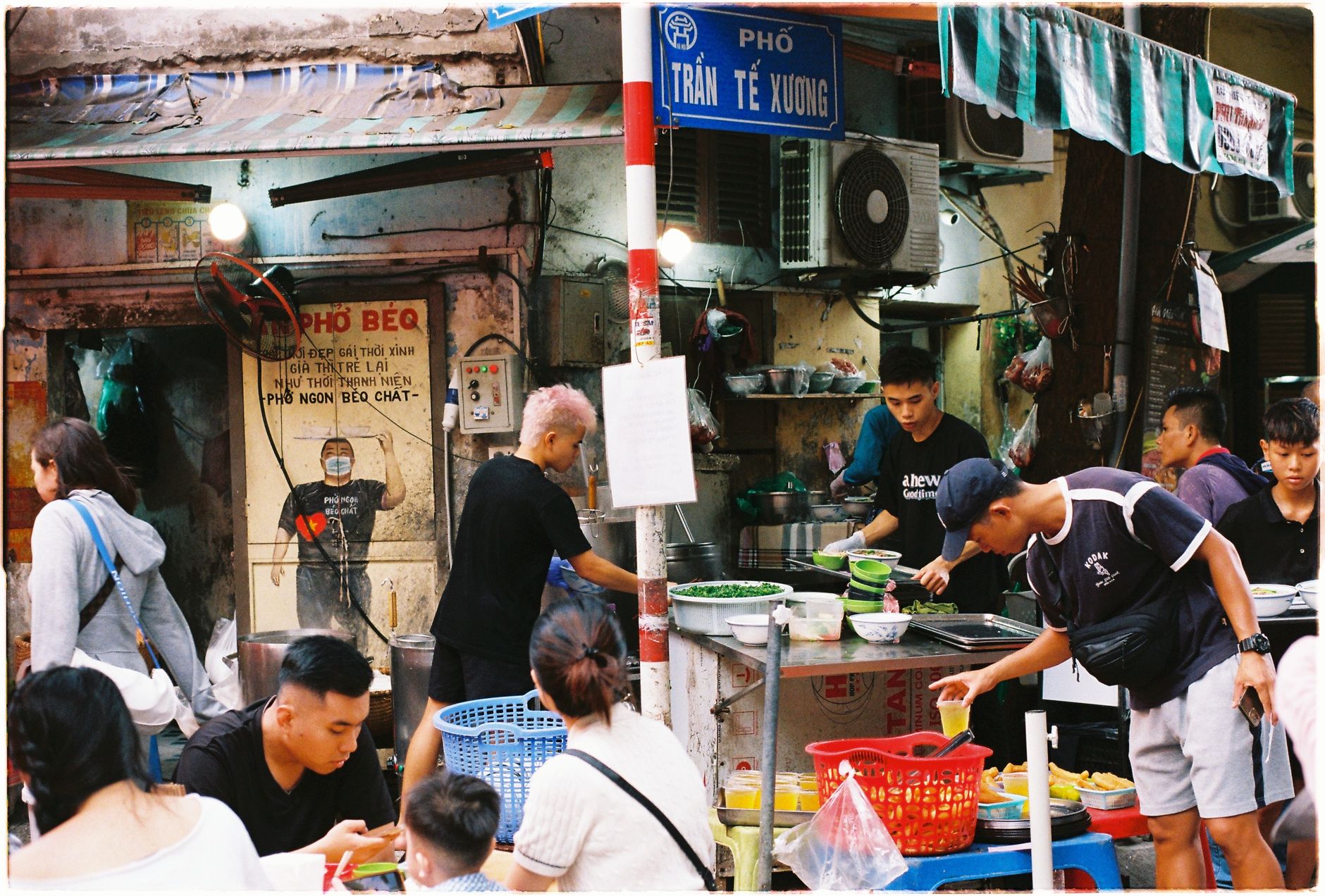
Why Hoi An's markets tell a different story than Hanoi or Saigon
Hoi An's main market is smaller and more intimate than the sprawling markets in Hanoi or Ho Chi Minh City—vendors often know repeat customers by face. The pace feels less overwhelming; you can actually talk to someone selling turmeric root for 10 minutes without feeling rushed. Experiences in Hoi An tend to favor slow, conversation-based learning. If you want a bigger, more chaotic market experience, Hanoi's old quarter has denser crowds; Saigon's Ben Thanh Market is famous and touristy. Hoi An's charm is local depth over volume—you'll see fewer stalls but more stories.
What really happens when we walk through a market?
Hour 1 (6–7 a.m.): We meet at your hotel or a landmark café and walk into the market. It's loud, smelly in the best way (fresh herbs, fermented fish paste, livestock). The host points out sections—produce, meat, spices, prepared items—and introduces you to a vendor they know (maybe a woman selling morning rice cakes or herb bundles). You stop, touch vegetables, ask questions. Vendors offer tiny tastes. You try sticky rice cake, a fresh herb (Vietnamese mint tastes completely different from what you know at home), maybe a sample of candied ginger. No pressure to buy.
Hour 1.5 (7–7:45 a.m.): We move to a quieter lane where locals source ingredients for home cooking. You might see a small shop with fresh noodles hanging in the window, or a woman with baskets of morning-picked leafy greens. The host explains seasonal rotation and why one herb is expensive this week (rain damaged the crop). You ask about prices, storage, how to tell if something is fresh. It's conversational, not a lecture.
Hour 2–2.5 (7:45–8:30 a.m.): Final stretch into a family kitchen or small café for coffee, tea, or a light breakfast snack (bánh mì, rice porridge, something local). This is where people eat after shopping. You sit, process what you saw, ask more questions. If you bought anything—fresh herbs, fruit—you carry it with you or we hold it cool for a cooking class later.
We adapt this flow for kids (shorter, more snacking stops), seniors (more seating, fewer crowded sections), and rain (indoor covered areas, rerouted timing).
How do we handle dietary preferences and allergies?
Tell us when you book: vegetarian, vegan, nut allergy, shellfish, gluten-free, anything else. We know which vendors stock what, which stalls have meat-free items, and which samples might be risky (fermented pastes sometimes contain fish or shrimp). We taste-test beforehand and warn you. If you're vegan, we highlight tofu stalls, vegetable vendors, and plant-based prepared snacks. We don't force samples; you control what you taste. If you plan to cook afterward, we make sure the ingredients we source match your diet.
What to pack and wear for a market tour
Wear lightweight, breathable clothes (linen, cotton, loose fit); markets are warm and humid early morning. Comfortable walking shoes with grip (floors can be wet). A small bag or backpack if you plan to buy anything. A light scarf or hat for sun (some market sections are exposed). Bring a bottle of water; vendors sometimes offer tea but it's good to stay hydrated. No heavy jewelry or valuable cameras—crowds are safe but it's sensible. Tell us if you have mobility concerns (walking stick, walking frame) and we'll confirm a suitable route.
If it rains, bring a compact umbrella; we'll have one too.
How market tours fit into your Hoi An itinerary
If you're in Hoi An 2–3 days, a market tour works best on Day 1 (early, energizing, acclimates you to the town). You could add cooking, coffee, or flower arranging the same afternoon. Day 2 could be countryside (farm experience) or cultural (art and culture classes). If you're here longer, revisit a market on a quiet morning just to shop and sit. We can help sequence experiences so nothing feels rushed.

FAQ
Is a market tour suitable for young children?
Yes, ages 5+ usually enjoy it. Younger kids (under 5) find the length, noise, and crowds tiring. We can do a shorter 1-hour version for families with toddlers, focusing on fewer stalls and more frequent rest stops at cafés.
What if I don't like crowds?
We can book a private tour and time it for mid-morning (8–10 a.m.) when it's quieter. You'll see fewer vendors but have more one-on-one conversation with those who are there.
Can I buy ingredients during the tour to cook with later?
Absolutely. Many guests buy fresh herbs, vegetables, or prepared items. We carry it or store it cool in a café while you continue. If you book a cooking class the same day, we source ingredients together on the tour.
What's the difference between a private and small-group tour?
Small groups (6–10 people) are shared; you meet other travelers, split costs, and move as one unit. Private tours (2–4 people) are yours alone; you set the pace and focus. Private tours are longer and more flexible with breaks and questions.
Do I need to speak Vietnamese?
No. Our host speaks English and translates what vendors say. Most vendors are used to tourists but don't speak English; the host bridges that gap.
What happens if it rains heavily the morning of the tour?
Markets operate in light to moderate rain; covered sections stay busy. We adjust the route indoors. If flooding or dangerous weather occurs, we reschedule to the next suitable morning—no loss of cost.
Ask about dates
Tell us the city, your dates and what you would like to try. We reply on WhatsApp in English with options and availability.
FAQ
Is a market tour suitable for young children?
Yes, ages 5+ usually enjoy it. Younger kids (under 5) find the length, noise, and crowds tiring. We can do a shorter 1-hour version for families with toddlers, focusing on fewer stalls and more frequent rest stops at cafés.
What if I don't like crowds?
We can book a private tour and time it for mid-morning (8–10 a.m.) when it's quieter. You'll see fewer vendors but have more one-on-one conversation with those who are there.
Can I buy ingredients during the tour to cook with later?
Absolutely. Many guests buy fresh herbs, vegetables, or prepared items. We carry it or store it cool in a café while you continue. If you book a cooking class the same day, we source ingredients together on the tour.
What's the difference between a private and small-group tour?
Small groups (6–10 people) are shared; you meet other travelers, split costs, and move as one unit. Private tours (2–4 people) are yours alone; you set the pace and focus. Private tours are longer and more flexible with breaks and questions.
Do I need to speak Vietnamese?
No. Our host speaks English and translates what vendors say. Most vendors are used to tourists but don't speak English; the host bridges that gap.
What happens if it rains heavily the morning of the tour?
Markets operate in light to moderate rain; covered sections stay busy. We adjust the route indoors. If flooding or dangerous weather occurs, we reschedule to the next suitable morning—no loss of cost.
More like this
Street food and market tours
Best Street Food Tour in Sapa: What to Expect, How to Choose
Street food tours in Sapa connect you with hill-town cooks and night markets. We'll walk you through what these sessions offer, who they're for, and how to avoid common missteps.
Street food and market tours
Best Street Food Tour in Hue: What to Choose, Who It's For
A street food tour in Hue isn't one thing—it's a choice between styles, neighborhoods, and paces. We break down what actually happens on each type, and how to know which fits your group.
Street food and market tours
Best Food Walking Tour in Vietnam: Hanoi Street Food Guide
A food walking tour in Vietnam immerses you in bustling markets and street lanes where vendors have cooked the same dishes for decades. We show you what to taste, how to order, and the stories behind each bite.