
Home › Blog › Street food and market tours
Best Street Food Tour in Hoi An: What to Expect & How to Choose
By the Cáo Experiences team · 2026-11-06
A street food tour in Hoi An is a 2.5- to 3-hour walk through Hoi An Ancient Town and surrounding neighbourhoods, led by one of our hosts, sampling 6–8 dishes at family-run stalls and market counters where tourists rarely go alone. You'll taste banh mi at a corner shop, white rose dumplings (cao lau's lighter cousin) steamed in a family kitchen, mam tom (fermented shrimp paste) with vegetable crudités, and items that change seasonally. The tour suits couples, small groups (4–8 people), families with kids aged 8+, and solo travelers; we adapt portions for light eaters, avoid shellfish and pork on request, and slow the pace for anyone over 70 or with mobility concerns. Expect to walk 2–3 km at a gentle rhythm, stopping often. Ask us for dates and a quote on WhatsApp—we'll confirm your group size, dietary needs, and preferred start time (usually 6:30 or 8:00 a.m. for cooler weather and peak vendor activity).
What happens hour by hour on the tour?
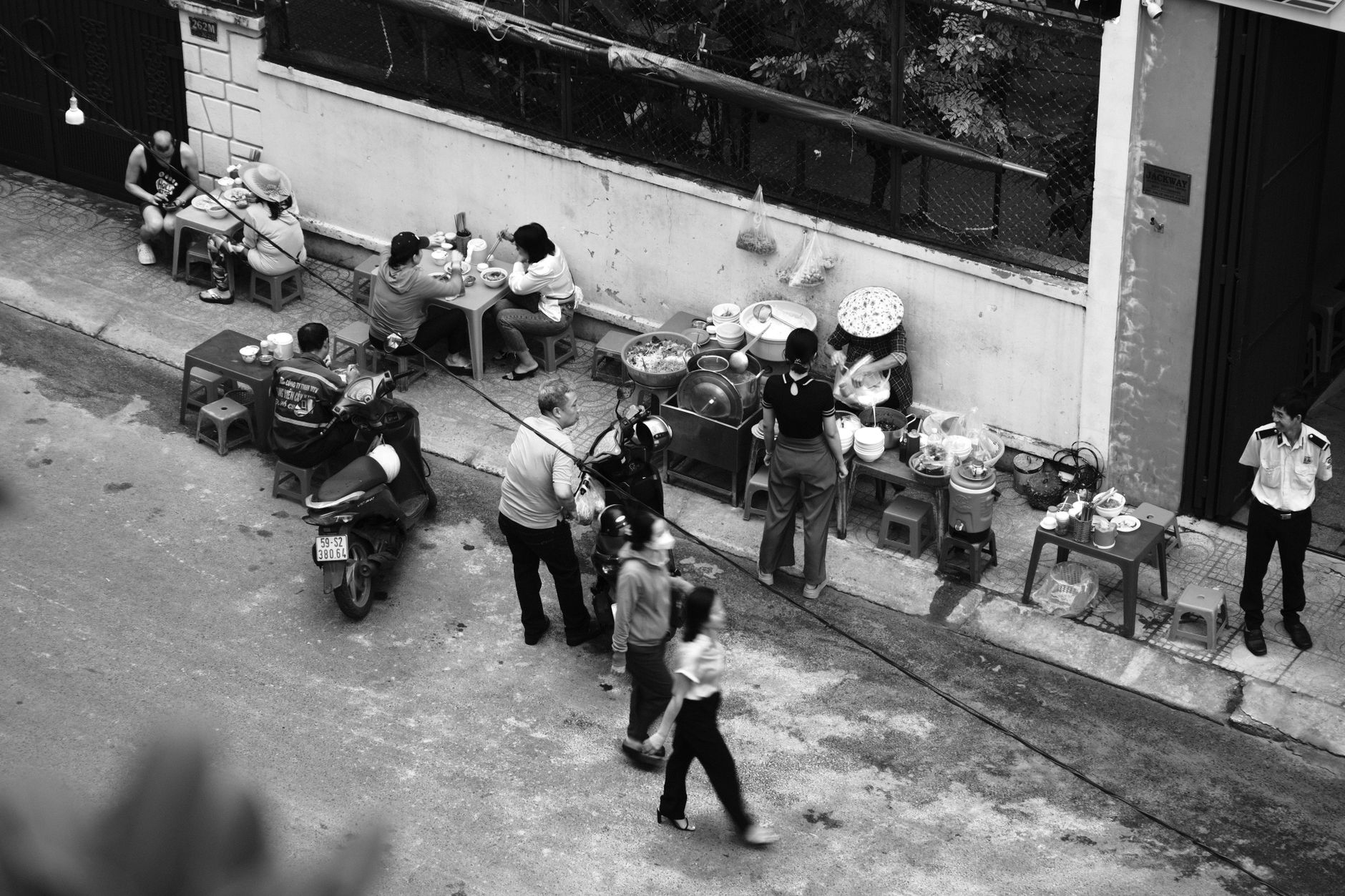
We meet at a central landmark in Hoi An Ancient Town around 6:30 or 8:00 a.m., depending on the season and your group's preference. Our host briefs you on the route (2–3 km, flat terrain, loose pavements), introduces yourself, and checks allergies and aversions one more time. Then we walk into the market quarter: you'll see vendors setting up, smell cinnamon and fish sauce, and stop at a banh mi counter where your host orders a classic and a vegetarian version so you can taste the difference. Next is a family-run pho or cao lau stall—often a simple shop with 4–5 plastic stools and a grandmother ladling broth. We sit, you eat at your pace, and your host explains the dish's history and the vendor's routine (where meat is sourced, why the broth tastes different here). By mid-morning we've usually had 3–4 stops; we walk past flower stands and flower shops in the old quarter, then rest in a local coffee spot or tea house (not a tourist café) where we try iced coffee with egg yolk or sweet tea. Final stops—often less-known items like banh hoai (the street crepe unique to Hoi An) or a dessert vendor with coconut cake—round out the tasting. By 9:30 or 10:00 a.m. you're back near the starting point, having spent about 200,000–our current quote on food (vendor prices, very cheap; our guide fee is separate—ask for a quote).

How do we choose which vendors and which dishes?
We rotate vendors seasonally and by day, so regular guests never get the same tour twice. Our hosts know 15–20 reliable stalls across Hoi An's food scene: a pho family in a lane off the old quarter who've been open 30 years, a white rose dumpling maker who steams them to order, a banh mi stand where the bread comes from a bakery three blocks away each morning, a mam tom vendor who makes it fresh weekly. We avoid tourist-heavy restaurants and chain stalls; every stop is family-owned, with the owner or a family member present and willing to talk. We choose based on what's in season (summer brings more vegetable-forward dishes; winter favors warming broths), what's fresh that morning, and what fits your group's pace. If anyone in the group is vegetarian or has a shellfish allergy, we pre-select vendors with suitable options so you don't feel left out; you'll taste 6–8 dishes, not 12, but each is meaningful. Rain occasionally forces us to shorten the walk and skip one outdoor vendor, but we'll find a covered market or indoor kitchen to compensate—your tasting count stays the same.
Tour types: Which one fits your group?
| Tour Type | Best For | Pace | Group Size | Dietary Flexibility | Rainy-Day Plan |
|---|---|---|---|---|---|
| Small-group morning tour | Couples, friends, solo travelers, families with kids 8+ | 2.5–3 hours, 6–8 stops, walking break every 30 min | 4–8 people | High (we pre-arrange at vendors) | Market detour + indoor stalls |
| Private family tour | Families with young kids, seniors, those wanting flexible timing | 2–3 hours, 5–6 stops, more sitting time | 2–6 people | Very high (host cooks ahead if needed) | Earlier start or next-day rebook |
| Extended afternoon market walk | Couples, groups interested in shopping and cooking prep | 3–4 hours, same vendors + a market tour, less tasting | 3–6 people | High, can include market buying for your own meal prep | Covered market + cooking class option (see Vietnamese cooking class) |
The small-group morning tour is our most popular offering because it catches vendors at peak freshness and energy. A private family tour suits anyone with a mobility concern, a toddler, or a preference for personalized pacing—you'll pay more but control the route and rest stops. The afternoon option pairs well with a cooking class the same day, where you can cook a dish you tasted that morning.
What to wear, bring, and avoid
Wear light, breathable clothing (cotton or linen), loose trousers or a skirt that doesn't restrict walking, and closed-toe shoes with grip—pavements are uneven, wet, and sometimes slippery in the market quarter. Bring a small backpack with water (1.5 L), a phone for photos, sunscreen, and a light scarf or sarong (useful for wiping sweat and, if needed, covering shoulders at temples near the route). Avoid perfume (markets are aromatic enough) and heavy jewelry. Don't eat breakfast before the tour—you'll taste small portions, but appetite matters. Bring cash in Vietnamese dong; vendors don't take cards. Sunglasses help in the glare off wet pavement and water. If you're on medication or have a heart condition, walk the route once on your own first or tell your host so we can slow down without embarrassment.
How we adapt for kids, seniors, and dietary needs
Kids (8–12 years old): We shorten distances between stops, sit longer at each vendor, and let kids order milder dishes (less chili, more broth). We explain food origins in simple terms. A 10-year-old might skip the pâté in banh mi but taste the pickles and bread; we make that normal, not a big deal.
Seniors (70+): We start at a slower pace, offer a stool at each stop before you ask, and pick the flattest route through the market. We avoid crowds by timing the tour for less-busy morning slots. If you need a short rest, we sit at a café—no rush.
Vegetarians & vegans: We pre-coordinate with vendors who offer vegetable-based pho, fried tofu rolls, and herb-forward dishes. You'll eat well, not survive on rice.
Shellfish/pork/egg allergies: We brief every vendor beforehand, ask them to handle your bowl separately, and confirm ingredients. We've never had a reaction on a tour; we take this seriously.
Gluten-free requests: Hoi An's street food relies heavily on bread and soy sauce, so we'll find rice-paper wraps, fresh vegetable dishes, and grilled items. It's tighter, but doable.
Rain, heat, and "what if" scenarios
Vietnamese rain in summer comes hard and fast, usually 20 minutes, then clears. We carry lightweight ponchos or will duck into a covered market to continue tasting. We've never cancelled a tour for rain alone; we adapt. Heat (35°C+) is normal May–September; we start earlier (6:00 a.m.) and add extra water stops. We've had guests with blistered feet, so we'll shorten the walk and focus the remaining time on fewer, longer vendor visits. If someone feels unwell, we return to the starting point early and offer a rebook for another day (no penalty). We once had a vendor's stall temporarily closed (family emergency); we walked two blocks to an equally good alternative and moved on. Flexibility is built in.
Choosing between a solo street food tour and pairing it with a class
A standalone street food tour works best if you want to eat, learn street food history, and maximize tasting variety. It's efficient—3 hours, 8 dishes, minimal talking. But many guests ask: "Can I learn to cook what I just tasted?" We offer a Vietnamese cooking class on the same day (afternoon after your tour) or the next day, where you'll prepare 3–4 dishes from scratch—sometimes banh mi filling, sometimes a slow-cooked braise—using techniques local cooks use. The cooking class runs 2.5–3 hours, hands-on, in a home kitchen. A pairing gives you the full arc: taste → understand → cook → eat again. Some guests do the tour alone; others bundle both. Neither is better; it depends on your time and curiosity. If you're in Hoi An for just one day, the street food tour alone is the right choice.
What to check before you book
- Confirm your dates and group size on WhatsApp. We'll tell you available dates (usually flexible, 1–2 weeks out) and confirm if a small-group or private tour suits your group.
- Declare allergies and aversions clearly. Write them down—peanuts, shellfish, pork, egg—and send them when you book. No surprises.
- Check the walking distance (2–3 km, mostly flat, some wet/slippery ground). If you have a knee issue or arthritis, mention it; we'll adapt or offer a private tour with rests.
- Bring small Vietnamese dong cash. Vendors don't take Visa. Budget 200,000–our current quote for your food on tour (vendor prices, not our fee).
- Wear closed-toe shoes. Open sandals or flip-flops get wet and are unsafe on wet market floors.
- Ask if rain insurance or reboking is available if weather is a concern. We adapt for rain; we rarely fully cancel.
Pages from our team you may need
- street food and market tour
- Vietnamese coffee workshop
- flower arranging workshop
- horse riding experience

FAQ
How much does the street food tour cost?
Ask us for dates and a quote on WhatsApp. The price varies by group size, duration, and whether it's a small-group or private tour. Your quote will cover the host's time and route. Vendor costs (food you eat) are separate and typically 200,000–a quoted price, paid directly to each stall.
Can I do a street food tour if I have a shellfish allergy?
Yes. Tell us when you book, and we'll brief every vendor beforehand. You'll taste banh mi, pho, dumplings, and other dishes made without shellfish. No compromises on flavor or experience.
What's the difference between the small-group and private tours?
Small-group tours run 4–8 people, fixed dates, lower individual cost, and you meet other travelers. Private tours are your group alone, flexible dates and pace, and cost more per person—worth it for families or anyone wanting personalized timing.
Is the street food tour good for kids?
Yes, kids 8+ enjoy it. Younger kids (5–7) can join a private tour at a slower pace; we offer milder dishes and shorter walks. Under 5, it's harder—many stalls have no seating, and food isn't always mild.
What if it rains during the tour?
We carry ponchos and adapt the route. We'll move to covered markets, visit indoor vendors, and keep the tasting going. We rarely cancel for rain alone; you'll still taste 6–8 dishes, just under a roof.
Can I combine the street food tour with a cooking class?
Yes. Many guests do the tour in the morning and Vietnamese cooking class in the afternoon or the next day. You taste a dish on the tour, cook it in the class the same or next day. Ask us to coordinate both bookings on WhatsApp.
Do I need to tip the vendors or our host?
No. You pay the vendor directly for each dish at the stall (vendor prices, very low). Our host's fee is included in your tour quote. Tipping is not expected by vendors; it's a street food culture difference from the West.
How early should I eat breakfast before the tour?
Don't eat a big breakfast. A light snack or tea 1–2 hours before is fine. Your appetite matters; you'll taste many small portions and enjoy them more with genuine hunger.
Ask about dates
Tell us the city, your dates and what you would like to try. We reply on WhatsApp in English with options and availability.
FAQ
How much does the street food tour cost?
Ask us for dates and a quote on WhatsApp. The price varies by group size, duration, and whether it's a small-group or private tour. Your quote will cover the host's time and route. Vendor costs (food you eat) are separate and typically 200,000–400,000 VND, paid directly to each stall.
Can I do a street food tour if I have a shellfish allergy?
Yes. Tell us when you book, and we'll brief every vendor beforehand. You'll taste banh mi, pho, dumplings, and other dishes made without shellfish. No compromises on flavor or experience.
What's the difference between the small-group and private tours?
Small-group tours run 4–8 people, fixed dates, lower individual cost, and you meet other travelers. Private tours are your group alone, flexible dates and pace, and cost more per person—worth it for families or anyone wanting personalized timing.
Is the street food tour good for kids?
Yes, kids 8+ enjoy it. Younger kids (5–7) can join a private tour at a slower pace; we offer milder dishes and shorter walks. Under 5, it's harder—many stalls have no seating, and food isn't always mild.
What if it rains during the tour?
We carry ponchos and adapt the route. We'll move to covered markets, visit indoor vendors, and keep the tasting going. We rarely cancel for rain alone; you'll still taste 6–8 dishes, just under a roof.
Can I combine the street food tour with a cooking class?
Yes. Many guests do the tour in the morning and [Vietnamese cooking class](/cooking-class) in the afternoon or the next day. You taste a dish on the tour, cook it in the class the same or next day. Ask us to coordinate both bookings on WhatsApp.
Do I need to tip the vendors or our host?
No. You pay the vendor directly for each dish at the stall (vendor prices, very low). Our host's fee is included in your tour quote. Tipping is not expected by vendors; it's a street food culture difference from the West.
How early should I eat breakfast before the tour?
Don't eat a big breakfast. A light snack or tea 1–2 hours before is fine. Your appetite matters; you'll taste many small portions and enjoy them more with genuine hunger.
More like this
Street food and market tours
Best Street Food Tour in Sapa: What to Expect, How to Choose
Street food tours in Sapa connect you with hill-town cooks and night markets. We'll walk you through what these sessions offer, who they're for, and how to avoid common missteps.
Street food and market tours
Best Street Food Tour in Hue: What to Choose, Who It's For
A street food tour in Hue isn't one thing—it's a choice between styles, neighborhoods, and paces. We break down what actually happens on each type, and how to know which fits your group.
Street food and market tours
Best Food Walking Tour in Vietnam: Hanoi Street Food Guide
A food walking tour in Vietnam immerses you in bustling markets and street lanes where vendors have cooked the same dishes for decades. We show you what to taste, how to order, and the stories behind each bite.