
Home › Blog › Experiences for families and kids
Family activities in Vietnam: hands-on experiences for all ages
By the Cáo Experiences team · 2026-11-06
Family activities in Vietnam mean doing something together—not watching. We host cooking classes, farm days, craft workshops, coffee sessions, flower arranging, horse riding, and art classes in Hanoi, Saigon, Hoi An, Da Nang and Da Lat. Sessions run 2–4 hours in English with WhatsApp booking; we adapt for kids (ages 4+), seniors, dietary needs and rain. A family cooks spring rolls in a home kitchen, or rides in a quiet pine forest, or picks tea on a hillside farm. Costs vary by activity and group size; ask us for dates and a quote on WhatsApp. We avoid crowded tourist trap restaurants and markets—instead, you learn in real family kitchens, small studios, working farms and stables outside the cities. What matters most: everyone leaves having made or ridden or grown something, not just watched.
Should my family do a cooking class together?
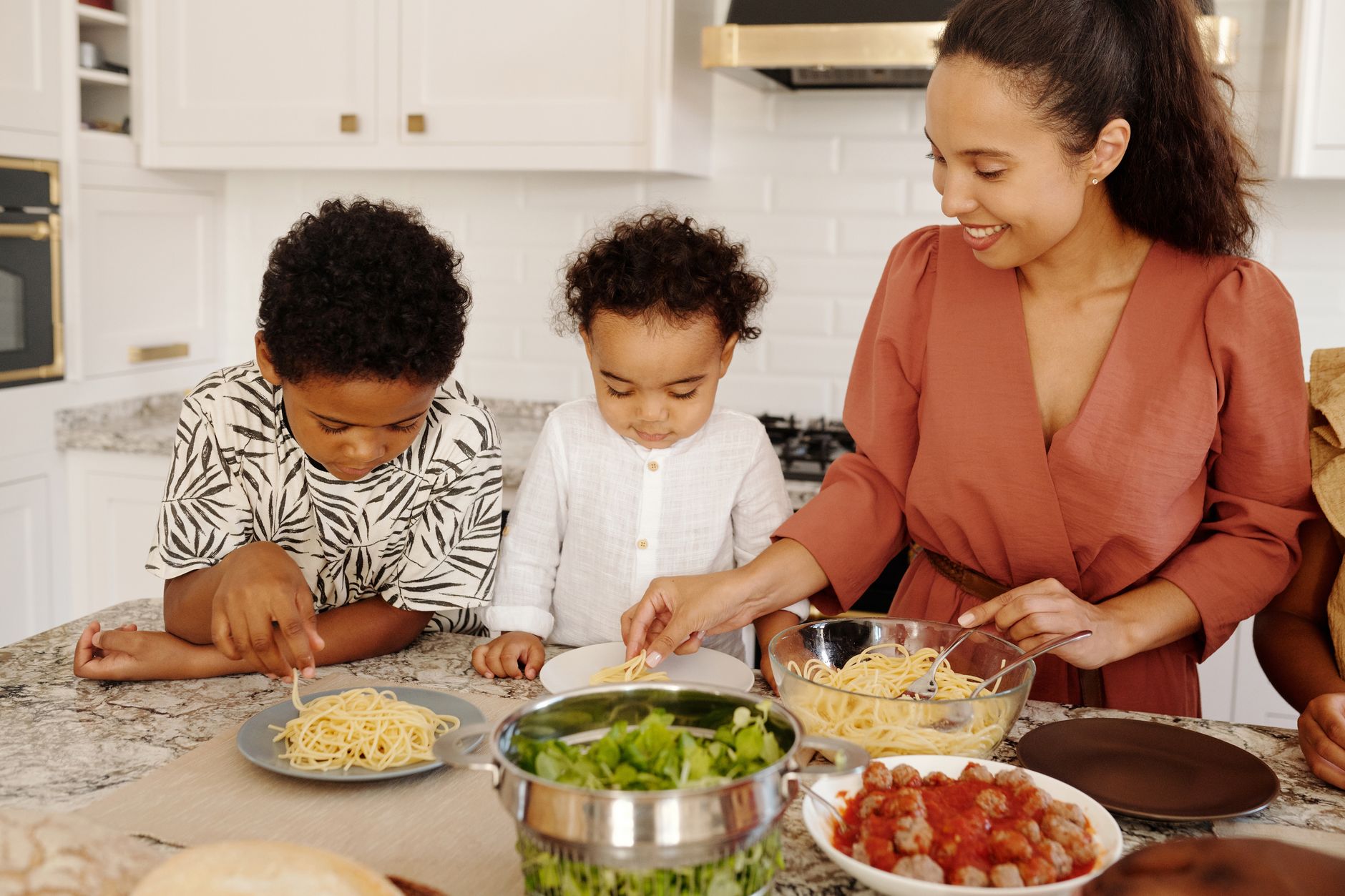
Cooking is the easiest way to bond and learn Vietnam in three hours. Parents and kids (ages 6+) shop at a wet market, prep vegetables on a wooden block, fold dumplings by hand, stir a wok over a real flame. Grandparents supervise and taste. You eat what you cooked—no takeout, no pretence. Rain doesn't stop it; we move indoors to a family kitchen in a lane off the old quarter. The worry: "My child won't sit still." We build in walking to the market, choosing ingredients, washing, chopping, tasting between dishes. Hands stay busy. One parent often takes a photo while the other helps a small child hold a dumpling wrapper. Our cooking sessions end with a meal you made, eaten on a low wooden table or family stool, sometimes with the host's extended family nearby, or sometimes just yours. No standing on ceremony.

What can a family learn on a farm or countryside day?
Farms teach kids where food comes from—not a slogan, a morning picking tea, harvesting greens, collecting eggs, tending vegetable rows. Sessions run 3–4 hours on a working family farm outside the city; kids aged 4+ learn by doing, not lecturing. A grandparent on a stool can watch and chat with the farmer's family; a teenager photographs vegetables in early light. Lunch is cooked on-site from what you picked. We go rain or shine—rain makes the soil smell stronger and the work earthier. Farm and countryside experiences suit families who want to unplug, get soil under fingernails, and let kids see that eggs come from hens and not cartons. The pace is slow. You return to town with tired, happy faces and perhaps a small bag of herbs to take home.
How do families use craft and art activities?
Kids and parents make something tangible in 2–3 hours: painted ceramics, woven placemats, watercolour paintings, hand-stitched embroidery, printmaking. A 7-year-old sits beside a grandmother and both paint a ceramic bowl. Younger siblings colour at a corner table under supervision. Everyone takes home their own work—no identical souvenirs, no assembly-line feeling. Craft workshops happen in small studios in the old quarters or in artist homes; natural light, real materials, real mistakes (which we celebrate). Allergies? We use non-toxic paints and dyes standard in Vietnam. A child with dexterity anxiety? We start with big shapes, thick brushes, no "right answer." Rain or shine, you're indoors. Parents often say, "My child made that?" Yes. And it's imperfect and authentic and theirs.
Why try horse riding as a family experience?
Riding teaches confidence, balance, and gentleness to animals—practical lessons kids remember. We use quiet stables outside town, not tourist rides through traffic. A 5-year-old sits on a broad pony with a guide's hand on the bridle; a teenager trots; a parent walks alongside or rides alone. Sessions run 1–2 hours. Helmets are standard. Riders with no experience start on flat ground; we don't rush. A grandparent who hasn't ridden in 40 years often discovers they still have the muscle memory—and feels pride. Horse riding experiences suit families seeking something memorable and non-competitive. You're outdoors in fresh air, focused, listening to the horse, not your phone. Many families book two sessions weeks apart and watch confidence grow between visits.
What's the difference between a coffee workshop and just visiting a café?
A workshop teaches your family how coffee is roasted, ground, and brewed—not served to you, but made by you, tasted by you, understood by you. We visit a small roastery or a host's home setup; kids aged 8+ learn to smell raw and roasted beans, grind by hand, pour water at the right temperature. You taste side-by-side: a light roast vs. a dark roast, hot vs. cold brew. Parents who thought they didn't like Vietnamese coffee often discover they dislike over-extracted café-shop coffee, not the beans themselves. Sessions run 1.5–2 hours. Vietnamese coffee workshop experiences work for families where at least one parent enjoys coffee or wants to; kids enjoy the sensory play and often ask to help at home afterwards. If someone is caffeine-sensitive, we offer herbal alternatives and focus on the science, not the drinking. A rainy morning is ideal—everyone wants warm hands around a cup anyway.
Activity Type Comparison Table
| Activity | Best ages | Session length | What you take home | Rainy-day plan | Physical demand |
|---|---|---|---|---|---|
| Cooking class | 6+ | 3 hours | Meal memories, recipes | Move to indoor kitchen | Moderate—standing, stirring |
| Farm day | 4+ | 3–4 hours | Soil under nails, herbs | Reschedule (weather-dependent) | Moderate—walking, bending |
| Craft workshop | 5+ | 2–3 hours | Painted/woven object | Indoors always | Low—seated, hands-focused |
| Horse riding | 5+ | 1–2 hours | Confidence, photos | Reschedule (safety) | Low to moderate—balance, grip |
| Coffee workshop | 8+ | 1.5–2 hours | Taste memory, technique | Indoors always | Low—standing, focused tasting |
| Flower arranging | 7+ | 2–3 hours | Fresh arrangement to take | Indoors always | Low—seated, precise hands |
| Art and art history | 6+ | 2–3 hours | Painting/sketch | Indoors always | Low—seated |
Which activity suits a multigenerational group—kids, parents, and grandparents?
Multigenerational groups need activities where people work at different paces and no one gets left behind. A cooking class works: a child chops with a small knife, a parent tosses vegetables, a grandparent stirs soup and tells stories about how their mother made it. Everyone eats together at the end. Farm experiences also suit three generations—a child picks, a grandparent sits and harvests from a row, a parent photographs and learns. Flower arranging and craft workshops are gentler—no one is rushing, no standing for long. Horse riding works if the oldest person has ridden before or feels curious; we've hosted riders from age 6 to 75. Art and culture classes let people sketch or paint at their own level. Avoid activities where speed matters (some street food tours move fast) or where someone might feel excluded (a children's-only craft might leave grandparents bored). The best multigenerational activities are the ones where each person's role feels natural and valued.
What's the honest reality about kids and hands-on activities?
Kids aged 4–6 have short attention spans and strong sensory preferences. They enjoy cooking more than being taught to cook. They like touching, tasting, and helping but not sitting through explanations. We build movement into every session: walk to market, chop at different stations, taste between steps. A 4-year-old on a farm will likely spend more time chasing chickens than harvesting, and that's fine—they're learning. A child with sensory sensitivities (texture, smell, noise) should tell us beforehand; we adapt: gloves for messy tasks, quieter workshop times, simpler recipes. Many families worry: "What if my child refuses to try it?" We see this often. We don't force. A child who won't eat their own spring roll sometimes eats it a week later at home, having watched the older sibling's pride. Teenagers aged 13+ often surprise parents: they become focused, ask technical questions, and want to do sessions without parents nearby. Families with kids of very different ages (a 5-year-old and a 14-year-old) benefit from choosing activities with natural flexibility—farms and cooking work; some craft workshops suit one age more than another.
How do we handle dietary restrictions and allergies in group sessions?
Tell us before booking. We ask: vegetarian, vegan, gluten-free, nut allergy, shellfish, dairy, others? A cooking class with a vegan guest means we teach the same techniques with plant-based ingredients—no class is held back, no one eats separately. A child with a peanut allergy participates in a craft or farm day with no risk; we confirm the workspace is peanut-free beforehand. A coffee workshop with someone caffeine-sensitive becomes a lesson in bean varieties and brewing theory, with herbal tea options. A farm day with mobility concerns? We discuss in advance—some farms have flat sections, some don't; we match you to the right place. Rain or heat sensitivity? We choose morning times, shaded areas, or move indoors. We're not a restaurant with a kitchen we can't control; we work in real family homes and studios, so adaptations are genuine, not scripted. A family allergic to latex? No balloon-tying craft. We communicate openly on WhatsApp before the session so no one arrives to a surprise.
Should a family book a private session or join a small group?
Private sessions (your family alone) suit families who want a custom schedule, a specific location, or a child with anxiety in group settings. A group session (4–8 people, mixed families) suits families who want to meet other travelers, save on cost per person, and have a looser atmosphere. Group sessions are more common and run on fixed dates; ask us for dates on WhatsApp. A family worried their child will dominate a group session—we manage pace so everyone participates without one kid taking over. A family who wants their grandmother to teach the cooking class (because she's a cook)? That's a private session idea; tell us. A family who booked a group cooking class and a shy 8-year-old surprised everyone by helping serve? We see that often. Private sessions cost more per family but go exactly as you want; group sessions are cheaper, set, and often more fun for teenagers who make new friends. Either way, the work is hands-on, the pace is real, and the memory is yours.
What to check before you book a family activity session
- Ages and abilities: Confirm your youngest and oldest ages, any mobility, sensory, or anxiety concerns. No activity is off-limits; we adapt.
- Dietary needs: List allergies, vegetarian/vegan, religious restrictions, anything else. We confirm ingredients in advance.
- Weather backup: Some activities reschedule (riding, farm days); some move indoors (cooking, crafts, coffee). Ask which applies to your session.
- Timing: Check school holidays or group travel dates. Group and team experiences sometimes suit multi-family trips; let us know if that's you.
- Distance and transport: We host sessions in Hanoi, Saigon, Hoi An, Da Nang, and Da Lat. Ask which city matches your itinerary—experiences in Hanoi, Saigon, Hoi An, Da Nang, Da Lat.
- Photos and memories: Most sessions welcome photos. Tell us if you want or don't want to be in group photos.
- Cancellation and rescheduling: Ask the policy. Bad weather, illness, or a change of mind—we work with families.
Why choose Cáo Experiences for family activities?
We're hands-on hosts, not a booking platform listing 500 tours. We design sessions where families actually learn and make things—not pose for photos. We avoid tourist restaurants and crowded markets; instead, you cook in a real home kitchen, ride on a quiet farm trail, or work in a small studio where the instructor knows your child's name. We adapt for rain, allergies, anxiety, mobility, and boredom because we've hosted thousands of real families and learned what works. A session might not go perfectly (a child gets tired, someone's homesick), but it's authentic—that's the point. We speak English, coordinate on WhatsApp, and treat your family as guests, not a group number. Read more stories from our hosts or see how a session runs in detail.
See how a session runs

FAQ
What's the minimum family size for a session?
We run private sessions for one family (ideal for kids with anxiety in groups) or small-group sessions (typically 4–8 people, mixed families). Ask us for both options; private sessions cost more per family, group sessions cost less per person and run on set dates.
Can a 3-year-old join a family cooking class?
Not in the main session—the kitchen can be hot and crowded. A 3-year-old can come with a parent who takes turns: one adult holds the toddler, the other cooks. Alternatively, book a private session where you set the pace. Most families find ages 5–6+ easiest for focused cooking participation.
Do we need Vietnamese language skills?
No. All sessions are hosted in English. We coordinate on WhatsApp, communicate in English, and teach in English. The host speaks Vietnamese and may teach a few words (thankyou, delicious, help), but the whole session is accessible to English speakers.
What if it rains during our farm day or horse riding?
Farm days and horse riding reschedule for safety and comfort—rain on a trail is risky. Cooking, crafts, coffee, flower arranging, and art classes move indoors or run as planned (often cozier in rain). Ask us the rain policy when you book.
Can we request a session at a specific time or location?
Yes. Group sessions run on set dates, but private sessions are flexible—morning, afternoon, weekday, weekend. Some locations (a family kitchen, a farm, a stable) are fixed by host availability. Tell us your preferences on WhatsApp and we'll find a match.
How far in advance do we need to book?
Group sessions: 1–2 weeks for availability. Private sessions: 2–3 weeks is ideal, though we sometimes fit you in sooner. Bad weather, holidays, or host schedules mean some dates fill fast. Ask us early, especially in school holidays.
Do kids have to eat what they cook?
No rule says yes, but most do—they're proud. If a child hates the ingredient, we adapt the recipe (swap vegetables, adjust spices). A vegetarian child joins a cooking class and learns non-meat dishes. We don't force eating, and we never shame a child for not liking something.
Is there a "best" family activity for first-time travelers to Vietnam?
Cooking classes are the gentlest entry. You learn culture, taste authentic food, and it's indoors and short (3 hours). Farm days suit families wanting a slower, earth-connected vibe. Both are beginner-friendly, low-stress, and memories last for years.
Ask about dates
Tell us the city, your dates and what you would like to try. We reply on WhatsApp in English with options and availability.
FAQ
What's the minimum family size for a session?
We run private sessions for one family (ideal for kids with anxiety in groups) or small-group sessions (typically 4–8 people, mixed families). Ask us for both options; private sessions cost more per family, group sessions cost less per person and run on set dates.
Can a 3-year-old join a family cooking class?
Not in the main session—the kitchen can be hot and crowded. A 3-year-old can come with a parent who takes turns: one adult holds the toddler, the other cooks. Alternatively, book a private session where you set the pace. Most families find ages 5–6+ easiest for focused cooking participation.
Do we need Vietnamese language skills?
No. All sessions are hosted in English. We coordinate on WhatsApp, communicate in English, and teach in English. The host speaks Vietnamese and may teach a few words (thankyou, delicious, help), but the whole session is accessible to English speakers.
What if it rains during our farm day or horse riding?
Farm days and horse riding reschedule for safety and comfort—rain on a trail is risky. Cooking, crafts, coffee, flower arranging, and art classes move indoors or run as planned (often cozier in rain). Ask us the rain policy when you book.
Can we request a session at a specific time or location?
Yes. Group sessions run on set dates, but private sessions are flexible—morning, afternoon, weekday, weekend. Some locations (a family kitchen, a farm, a stable) are fixed by host availability. Tell us your preferences on WhatsApp and we'll find a match.
How far in advance do we need to book?
Group sessions: 1–2 weeks for availability. Private sessions: 2–3 weeks is ideal, though we sometimes fit you in sooner. Bad weather, holidays, or host schedules mean some dates fill fast. Ask us early, especially in school holidays.
Do kids have to eat what they cook?
No rule says yes, but most do—they're proud. If a child hates the ingredient, we adapt the recipe (swap vegetables, adjust spices). A vegetarian child joins a cooking class and learns non-meat dishes. We don't force eating, and we never shame a child for not liking something.
Is there a "best" family activity for first-time travelers to Vietnam?
Cooking classes are the gentlest entry. You learn culture, taste authentic food, and it's indoors and short (3 hours). Farm days suit families wanting a slower, earth-connected vibe. Both are beginner-friendly, low-stress, and memories last for years.
More like this
Experiences for families and kids
Family workshop Vietnam vs Thailand: where to take kids in 2026
Vietnam and Thailand both offer immersive family workshops, but the pace, cost structure, and focus differ significantly. We run both types of sessions at Cáo Experiences and can help you choose.
Experiences for families and kids
Family Workshop Vietnam Gift Voucher: What Works Best
A family workshop gift voucher in Vietnam lets relatives experience cooking, craft, horse riding or tea together—no tickets, no queues, real hands-on time. We help you pick the right session type and duration for the ages and interests in your group.
Experiences for families and kids
Family workshops in Vietnam for Indian travelers: what to expect
Indian families visiting Vietnam often wonder how to keep children engaged and learn something authentic together. Cáo Experiences runs small-group and private workshops—cooking, coffee, flower arranging, craft, and farm days—designed for kids, parents, and grandparents, hosted in English with real