
Home › Blog › Experiences for families and kids
Family Activities in Vietnam: What Actually Works for Kids & Parents
By the Cáo Experiences team · 2026-11-06
Family activities in Vietnam range from street-food tours and cooking classes to farm days, flower arranging, horse riding and tea workshops. Cáo Experiences hosts small groups in Hanoi, Saigon, Hoi An, Da Nang and Da Lat, with English-speaking hosts who adapt every session for kids, seniors and mixed abilities. Most sessions run 2–4 hours, include materials and snacks, and work best when families join together in the same kitchen, field or stable rather than split into adult-only workshops. The honest truth: kids engage longest when they make something edible or rideable, not just watch; rainy days shift indoor crafts and market tours; and pre-booking with dietary notes matters more than fancy venues. Ask us for dates and a quote on WhatsApp to match your family's age range, energy level and interests. Ask about dates on WhatsApp
What do families actually enjoy doing together in Vietnam?
The activities that keep kids and parents engaged share one trait: something concrete gets made, eaten or ridden at the end. Vietnamese cooking classes where families knead dough, chop herbs and plate food together draw honest smiles. Street-food and market tours work when kids taste-test and help bargain, not when guides lecture about history. Farm days in the countryside around Hanoi or Saigon suit younger kids best—picking vegetables, collecting eggs, feeding animals, then eating lunch cooked from what you picked. Horse riding experiences appeal to older kids (usually 8+) and adults who don't mind slow paces and dusty clothes. Craft workshops like lantern-making or pottery attract families who'd rather create than rush. The pattern: participation beats spectating. Families who book these sessions tell us the same thing: kids remember the making, tasting and doing far longer than any photo.

Which family activities work for mixed ages (toddlers to grandparents)?
Toddlers and grandparents in the same group need sessions built on flexibility, not strict timings. Tea experiences work well because grandparents sit comfortably, kids play with leaves and water, and no one rushes. Cooking classes adapt: toddlers stay close to a parent and stir or taste, older kids follow recipe steps, adults handle heat and knives. Markets and street-food tours suit all ages if the pace slows—let kids sit on a stool eating pho, don't expect them to walk for two hours. Farm experiences in quieter countryside spots (not busy tourist farms) let toddlers play safely while older siblings and grandparents do heavier tasks. Avoid: workshops with strict sitting, long lectures, or competitive elements. Ask us about ages when you book; we seat families near exits for toddler breaks and pair grandparents with stable seats. Sessions in Hanoi's quieter countryside or Hoi An's rural edges suit mixed families better than crowded city centers.
How do rainy days affect family experiences?
Rain stops outdoor activities—horse riding, farm work, market walking—but we've adapted enough that families still learn and make things. Cooking classes and craft workshops simply move indoors or happen indoors by design, no change needed. Market tours shift from early-morning street markets to covered Quang Ba flower market or Ben Thanh market, where kids see the same vendors, bustle and energy but stay dry. Art and culture classes run in studios regardless of weather. Farm days postpone or move to covered sheds where families still cook, fold dumplings and eat together. The honest catch: some families book horse riding on days with heavy rain forecasts, and we have to reschedule—that's why we confirm 2–3 days ahead on WhatsApp and hold dates flexibly. Pack a light rain jacket anyway; drizzle doesn't stop most sessions, only downpours do. Check the weather window when you plan; ask us for flexible dates if rain risk matters to your trip.
What dietary needs and allergies do we adapt for in family sessions?
We ask about allergies, vegetarian diets, shellfish restrictions and religious food rules before every session. In cooking classes, families work with ingredient lists they choose—if a child won't eat chili, we swap mild sauces; if someone's vegetarian, we cook tofu and greens alongside meat dishes for others. Peanut allergies mean we source nut-free peanut dipping sauces or skip them entirely. Gluten-free families receive rice-paper options instead of wheat-based wrappers. Farm-to-table lunches adapt to what families eat; we don't force kids to try everything, but most do when they've grown vegetables themselves. The key: tell us before you book. We coordinate via WhatsApp with names, ages and dietary needs so hosts know your family's needs on arrival. Sessions feel slow and personal because groups stay small (6–8 people max) and we've planned for real families, not generic tourists.
Which Vietnam destinations offer the best family experiences?
| Destination | Top Family Activities | Best For | Why It Works |
|---|---|---|---|
| Hanoi | Cooking, markets, farm days, horse riding, craft workshops | Ages 5–16 + adults | Countryside within 30 min; quiet family kitchens near the Old Quarter |
| Saigon | Cooking, street food, craft workshops, flower arranging, art classes | Ages 6–18 + seniors | Urban energy + quieter neighborhoods for hands-on sessions; cooling tea breaks |
| Hoi An | Cooking, lantern craft, art classes, flower arranging, tea | Ages 4+ | UNESCO town; family kitchens in old lanes; fewer crowds than city centers |
| Da Nang | Horse riding, beach farm days, cooking, craft workshops | Ages 7+ | Coastal quiet; cool mountain stables; fresh local seafood to cook |
| Da Lat | Farm experiences, horse riding, tea, cool-weather activities | Ages 5+ | Alpine setting; slower pace; long daylight hours; organic farms |
Family experiences across Vietnam destinations work best when you match the region to your family's energy. Hanoi and Hoi An experiences suit families who like old towns, lanes and walking. Saigon activities suit families who enjoy urban energy and evening classes. Da Nang and Da Lat work for families seeking countryside, animals and cooler air. Book early; small-group sessions fill quickly during school holidays.
What's the honest checklist before you book a family activity?
Before You Commit:
- List each family member's age, physical ability and interests (not just "kids").
- Note all allergies, diet restrictions and any mobility needs (stairs, heat sensitivity, mobility aids).
- Check your trip dates and ask about flexible rescheduling if rain is forecast.
- Confirm session length and whether it includes lunch or just snacks.
- Ask what kids will wear (aprons, old clothes, footwear for farm work).
- Verify group size—avoid sessions with more than 8 people if your kids are shy.
- Clarify what "beginner-friendly" means: do kids stand the whole time, or sit and work at their own pace?
Red Flags to Avoid:
- Venues that promise a "complete experience" in under 90 minutes with mixed ages.
- Markets or farm tours booked without confirming pace and rest stops for toddlers.
- Cooking classes that require pre-cut ingredients (less learning; kids less engaged).
- Horse-riding sessions that don't ask about riding experience or confirm helmet fit for small heads.
- Activities in peak-heat midday without shade or water plans.
What to Check: Ask us on WhatsApp about the host's experience with your kids' age group, the exact location (so you can check travel time), and whether you can bring a stroller, walker or special seating. We adapt everything; we just need to know.
How do you choose between cooking, markets, crafts, horses and farms for your family?
| Activity | Time | Group Mix | Energy Level | Key Question |
|---|---|---|---|---|
| Cooking class | 2–3 hours | Any age 4+ | Medium (standing, stirring) | Do your kids like chopping and tasting? |
| Street-food tour | 2–2.5 hours | Ages 5+ | Medium (walking, stopping) | Can they walk for 30 min and sit to eat? |
| Craft workshop | 1.5–2 hours | Ages 3+ | Low (seated, focused) | Do they enjoy making things they take home? |
| Horse riding | 1.5–2 hours | Ages 8+ (usually) | Medium–High | Are they nervous or excited? |
| Farm experience | 2–3 hours | Ages 3–10 best | Medium (outdoor, some picking) | Do they like animals and soil? |
| Tea experience | 1–2 hours | Any age 5+ | Low (seated, quiet) | Do they sit still for tasting and chat? |
Use this table when you have two or three options in mind. Honest rule: toddlers thrive in cooking and farms (less instruction, more touching and tasting). Older kids (10+) enjoy horse riding and street-food hunting. Grandparents and parents together prefer cooking, tea and art. Mixed groups usually pick cooking—it's the safest bet because every age has a role.
What happens during a typical family cooking session?
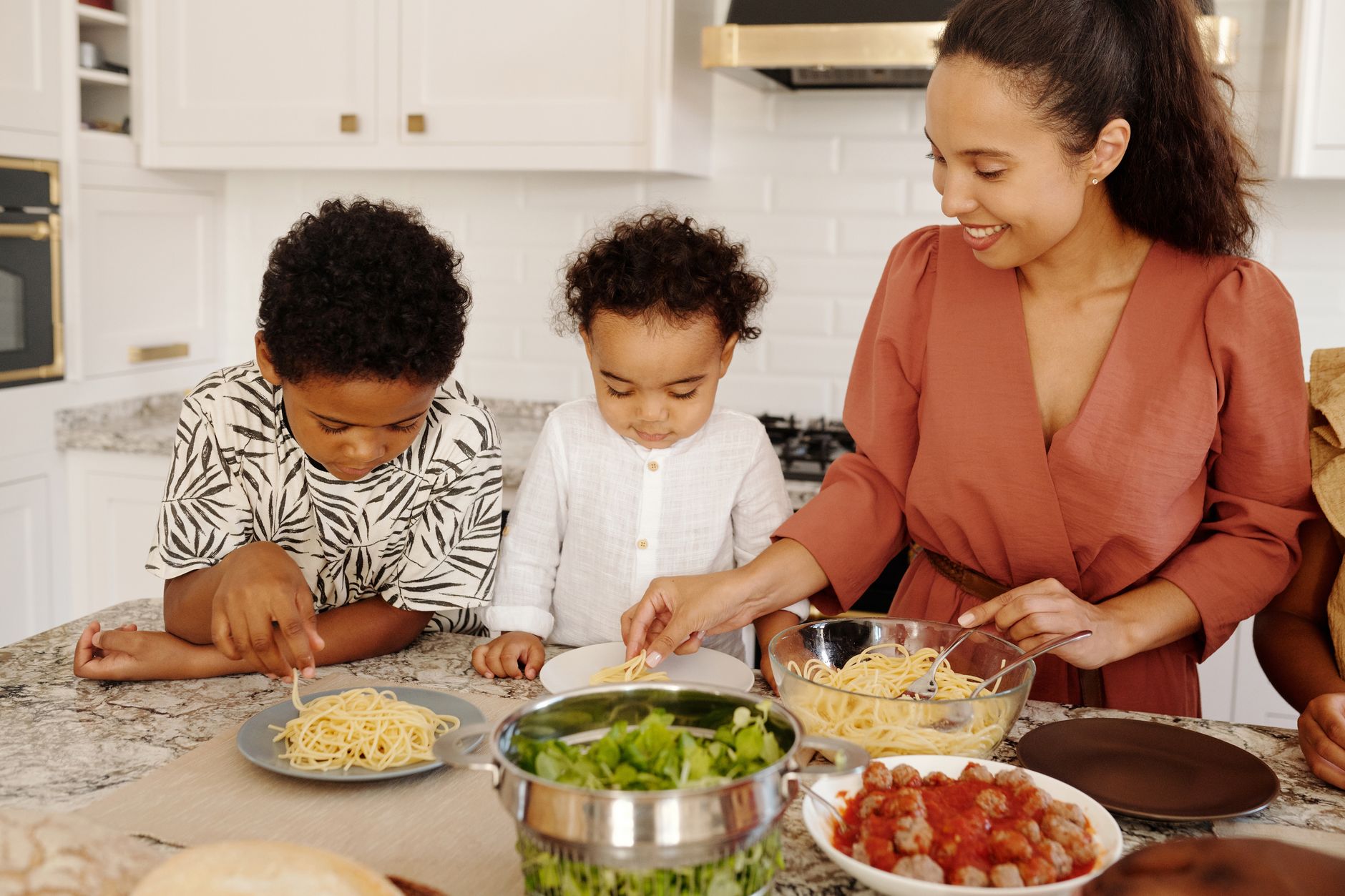
Hour one: families arrive, wash hands, meet the host in a family kitchen or studio. The host shows ingredients—rice paper, herbs, spices—on a table kids can see. Toddlers touch and smell; older kids help name items. Everyone washes and chops together, hands guided if needed, no rush. Hour two: the host cooks while families watch or help stir, fry, fold. Sauces simmer; rice steams. Kids taste samples (cool first). Hour three: families eat what they made—often for the first time in their lives, they made spring rolls or soup—and the meal tastes different because they did it. Why kids remember this: they moved from "this is food" to "I made this." Rain shifts the session to a covered kitchen, no change in content. Allergies mean the host shops for your family the day before, using WhatsApp photos to confirm. This is why we ask for detail: a 3-year-old in a cooking class is not the same as a 13-year-old, and we plan differently.
How do we know which activities are genuinely beginner-friendly for families?
An activity is beginner-friendly only if no prior skill is assumed and instruction is live, not rushed. In cooking classes, hosts assume you've never used chopsticks or folded a dumpling. They show, repeat, laugh at mess. Kids who can barely hold a knife still participate—they tear herbs, squeeze limes, dip and taste. Craft workshops assume zero experience with lantern-making or pottery; hosts hand you clay or paper and show step-by-step. Horse riding beginner sessions use calm, smaller horses and flat terrain; riders walk only, no trotting unless they ask. Farm experiences assume you've never picked vegetables—hosts show what's ripe, how to pull without breaking roots, and kids learn by doing.
Red flag: if a host says "it's beginner-friendly but kids should know how to..." stop. Real beginner means you start from zero. Ask the host: "What if my child is scared, slow or refuses to try?" A good answer is "We go at their pace, no pressure, and they can watch instead." A bad answer is "Everyone tries everything" or "It only works if kids follow instructions exactly." We prioritize patience over production; a slower, happier family beats a fast, frustrated one.
What do other families say after they've done these activities?
Families tell us three things consistently. First: kids talk about the session weeks later—"Remember when I made that spring roll?"—far longer than they mention a museum. Second: parents relax because there's no performance pressure; no one's filming your family or asking you to pose for Instagram. You're just there, making something, eating, laughing. Third: something shifts in how kids see food, craft, animals or places once they've done it, not just consumed it. A child who picked vegetables eats vegetables differently. A kid who fed a horse has a memory, not just a photo. That's not marketing—that's what we've heard for years.
The honest gap: some families arrive tired or overscheduled, kids are cranky, and the session feels slower than expected. That's not the activity's fault; it's about trip pacing. We always recommend one hands-on session per day, not three. One good experience beats a rushed checklist.
Where do families book these experiences?
Contact Cáo Experiences via WhatsApp with your family's ages, interests and dates. We coordinate everything there—no website booking, no surprise charges, just honest planning. We tell you the location type (a family kitchen in a lane off the Old Quarter, a pine-forest stable outside town, a farm 45 min from the city), confirm allergies and abilities, and send you a WhatsApp reminder 2–3 days before with final details and weather updates. Groups stay small so no family feels lost in a crowd. Ask us for dates and a quote on WhatsApp to match your family's needs.
What experiences work best for groups of families traveling together?
Group and team experiences scale up to 15–20 people if they're structured well. A cooking class with three families (12 people) works if we have two kitchens and two hosts; everyone still makes food, just in smaller teams. A farm day with mixed families suits all if kids team up and rotate tasks—some pick, some cook, some feed animals. Market tours with multiple families work if the pace is slow and groups stay close. Horse-riding days work best with one or two families per session (4–6 people), not large mixed groups, because riding is personal and pace varies.
The honest truth: group experiences are cheaper per person, but they work only if the group shares similar energy and age mix. A group of 8-year-olds and a group of toddlers in one session create friction. Ask us to match group composition; we'll suggest splitting if it makes sense, or pair you with families we know will mesh well.
Why does booking matter so much for family activities?
Booking early (2–4 weeks ahead) lets us arrange small groups, confirm ingredients or stables for your family's needs, and adjust hosts or venues if needed. Last-minute bookings (days ahead) work in low season, but during school holidays, we're full. Early booking also gives us time to ask about fears (afraid of horses, picky eaters, mobility issues) and plan solutions, not improvise on the day. We've learned: families who book thoughtfully and communicate clearly via WhatsApp have the best experiences. Families who book and then stay silent, or ask questions minutes before arriving, often feel disappointed because we didn't know what to prepare. We take 2–3 days to plan each family's session. Give us that time.
See how a session runs

FAQ
What's the youngest age kids can join cooking classes or farm activities?
Cooking classes welcome kids from 3–4 years old if a parent stays close and guides their hands. Farm activities suit toddlers from 2 onwards. Horse riding usually starts at 8. We adapt by having younger kids sit, touch, taste and play while older siblings follow full recipes. Toddlers in an apron making a mess is the point.
Do kids get bored during a 2-3 hour session?
Not usually, because they're doing, not watching. A cooking class is 10 minutes talking, 80 minutes hands-on (stirring, tasting, folding), 10 minutes eating. If a kid hits a wall, hosts offer a break, water, a snack, or a quieter task. Sessions don't drag because there's progress—you see ingredients become food.
What if a child has severe food allergies or is a very picky eater?
Tell us before you book. We source nut-free, gluten-free or vegan ingredients, and kids can skip ingredients without judgment. Picky eaters often try new things when they've made it themselves. If they refuse, that's fine; they eat what they brought or we adjust the menu. No pressure.
Can families do an activity if one parent or grandparent has mobility limitations?
Yes. Cooking classes let one person sit and direct while others chop. Farm days can focus on seated tasks (shelling peas, bundling herbs). Horse riding is possible with saddle help, though we'd discuss specifics. Tell us; we adapt.
How far in advance should we book, and what if our dates are flexible?
Book 2–4 weeks ahead for school holidays and peak season, or a few days before in low season. If dates are flexible, we'll find the best window and group. Ask us on WhatsApp with a date range; we'll work around you.
What if it rains on the day of a booked activity?
We reschedule most outdoor activities (horse riding, markets, farms) if heavy rain is forecast. Cooking classes, crafts and tea happen rain or shine indoors. We confirm the final plan 2–3 days ahead and adjust if weather shifts. No surprise cancellations.
Ask about dates
Tell us the city, your dates and what you would like to try. We reply on WhatsApp in English with options and availability.
FAQ
What's the youngest age kids can join cooking classes or farm activities?
Cooking classes welcome kids from 3–4 years old if a parent stays close and guides their hands. Farm activities suit toddlers from 2 onwards. Horse riding usually starts at 8. We adapt by having younger kids sit, touch, taste and play while older siblings follow full recipes. Toddlers in an apron making a mess is the point.
Do kids get bored during a 2-3 hour session?
Not usually, because they're doing, not watching. A cooking class is 10 minutes talking, 80 minutes hands-on (stirring, tasting, folding), 10 minutes eating. If a kid hits a wall, hosts offer a break, water, a snack, or a quieter task. Sessions don't drag because there's progress—you see ingredients become food.
What if a child has severe food allergies or is a very picky eater?
Tell us before you book. We source nut-free, gluten-free or vegan ingredients, and kids can skip ingredients without judgment. Picky eaters often try new things when they've made it themselves. If they refuse, that's fine; they eat what they brought or we adjust the menu. No pressure.
Can families do an activity if one parent or grandparent has mobility limitations?
Yes. Cooking classes let one person sit and direct while others chop. Farm days can focus on seated tasks (shelling peas, bundling herbs). Horse riding is possible with saddle help, though we'd discuss specifics. Tell us; we adapt.
How far in advance should we book, and what if our dates are flexible?
Book 2–4 weeks ahead for school holidays and peak season, or a few days before in low season. If dates are flexible, we'll find the best window and group. Ask us on WhatsApp with a date range; we'll work around you.
What if it rains on the day of a booked activity?
We reschedule most outdoor activities (horse riding, markets, farms) if heavy rain is forecast. Cooking classes, crafts and tea happen rain or shine indoors. We confirm the final plan 2–3 days ahead and adjust if weather shifts. No surprise cancellations.
More like this
Experiences for families and kids
Family workshop Vietnam vs Thailand: where to take kids in 2026
Vietnam and Thailand both offer immersive family workshops, but the pace, cost structure, and focus differ significantly. We run both types of sessions at Cáo Experiences and can help you choose.
Experiences for families and kids
Family Workshop Vietnam Gift Voucher: What Works Best
A family workshop gift voucher in Vietnam lets relatives experience cooking, craft, horse riding or tea together—no tickets, no queues, real hands-on time. We help you pick the right session type and duration for the ages and interests in your group.
Experiences for families and kids
Family workshops in Vietnam for Indian travelers: what to expect
Indian families visiting Vietnam often wonder how to keep children engaged and learn something authentic together. Cáo Experiences runs small-group and private workshops—cooking, coffee, flower arranging, craft, and farm days—designed for kids, parents, and grandparents, hosted in English with real